Japanese tea pairing follows the principle of harmonizing flavors: light teas like sencha pair with delicate foods like sashimi, while roasted teas like hojicha complement grilled dishes, toasted nuts, and chocolate. Understanding which foods enhance each tea type can make both the tea and the meal feel more balanced. This guide focuses on Japanese teas that fit Senbird's current catalog, so every recommendation can connect naturally to a tea you can brew at home.

Japanese tea pairing is guided by two complementary approaches: harmony, where similar flavors reinforce each other, and contrast, where opposites make each sip feel more expressive. Compared with wine pairing, tea pairing is less about alcohol, acidity, or tannin weight and more about umami, astringency, sweetness, roast, and aroma.
Seasonal awareness, or kisetsukan, also matters. Spring's shincha feels natural with light mountain vegetables, summer's cold-brewed sencha green tea refreshes alongside chilled tofu or cucumber dishes, autumn's roasted teas suit chestnuts and grilled foods, and winter's matcha can hold its own beside richer sweets. The best pairing is not rigid; it is a thoughtful match between season, mood, food texture, and tea character.

Use this chart as a starting point, then adjust based on how strongly the tea is brewed. A lighter infusion can make a pairing feel delicate, while a stronger infusion can stand up to richer foods.
| Tea Type | Flavor Profile | Best Food Pairings | Avoid Pairing With |
|---|---|---|---|
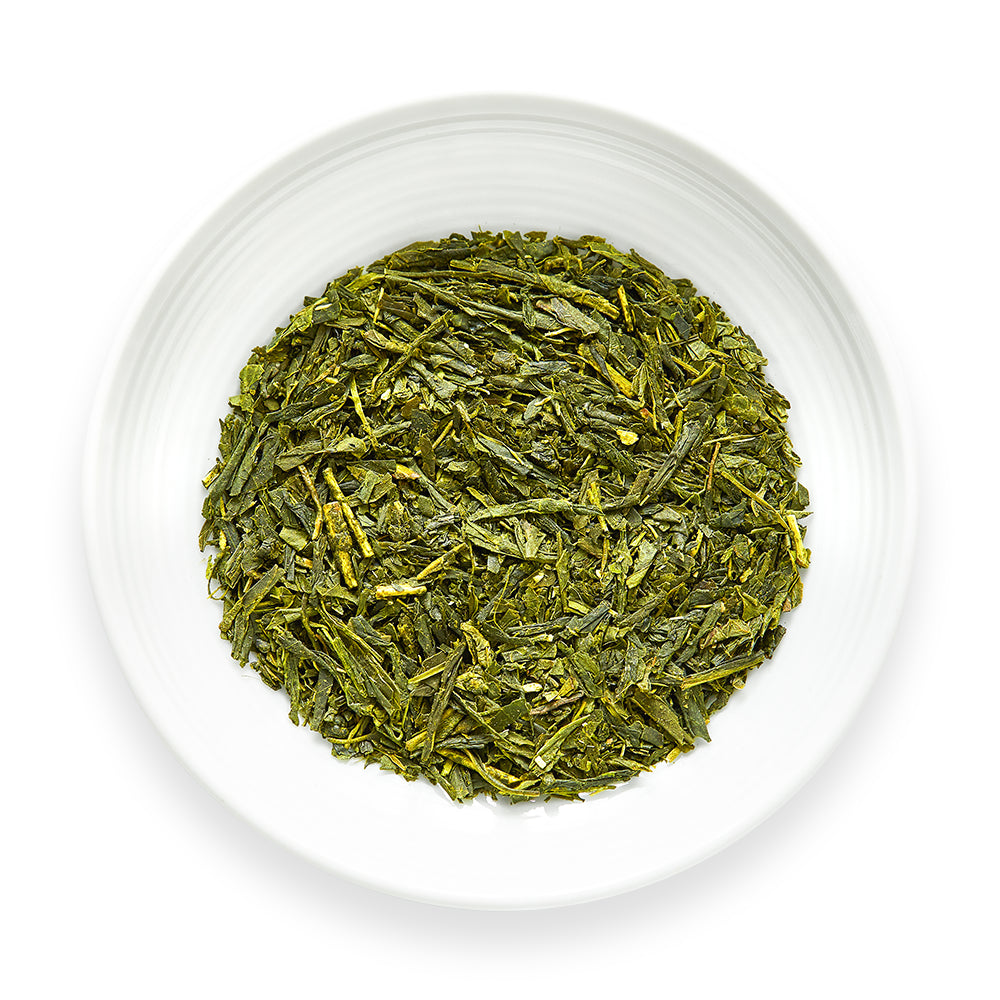
| Sencha | Grassy, refreshing, lightly astringent | Sushi, sashimi, grilled fish, rice dishes, light salads | Heavy cream sauces, strong blue cheeses |
| Gyokuro | Deep umami, sweet, marine | White fish sashimi, steamed vegetables, tofu, dashi-based dishes | Very spicy foods, heavily seasoned dishes |
| Matcha | Rich umami, creamy, vegetal | Wagashi, mochi, white chocolate, vanilla, mild cheeses | Sharp vinegar dressings, overly acidic citrus desserts |
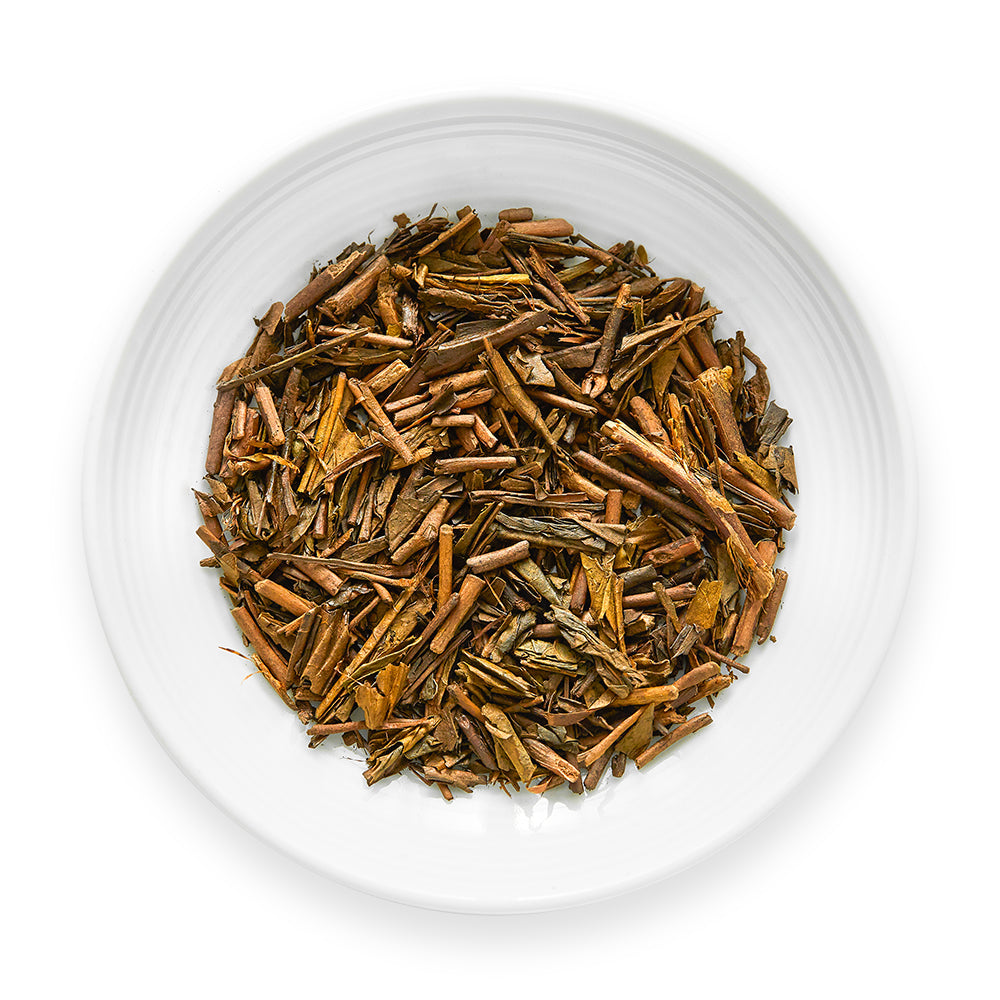
| Hojicha | Roasted, caramel-like, nutty, low astringency | Grilled meats, roasted vegetables, chocolate, nuts, smoked foods | Very delicate raw fish or subtle floral desserts |
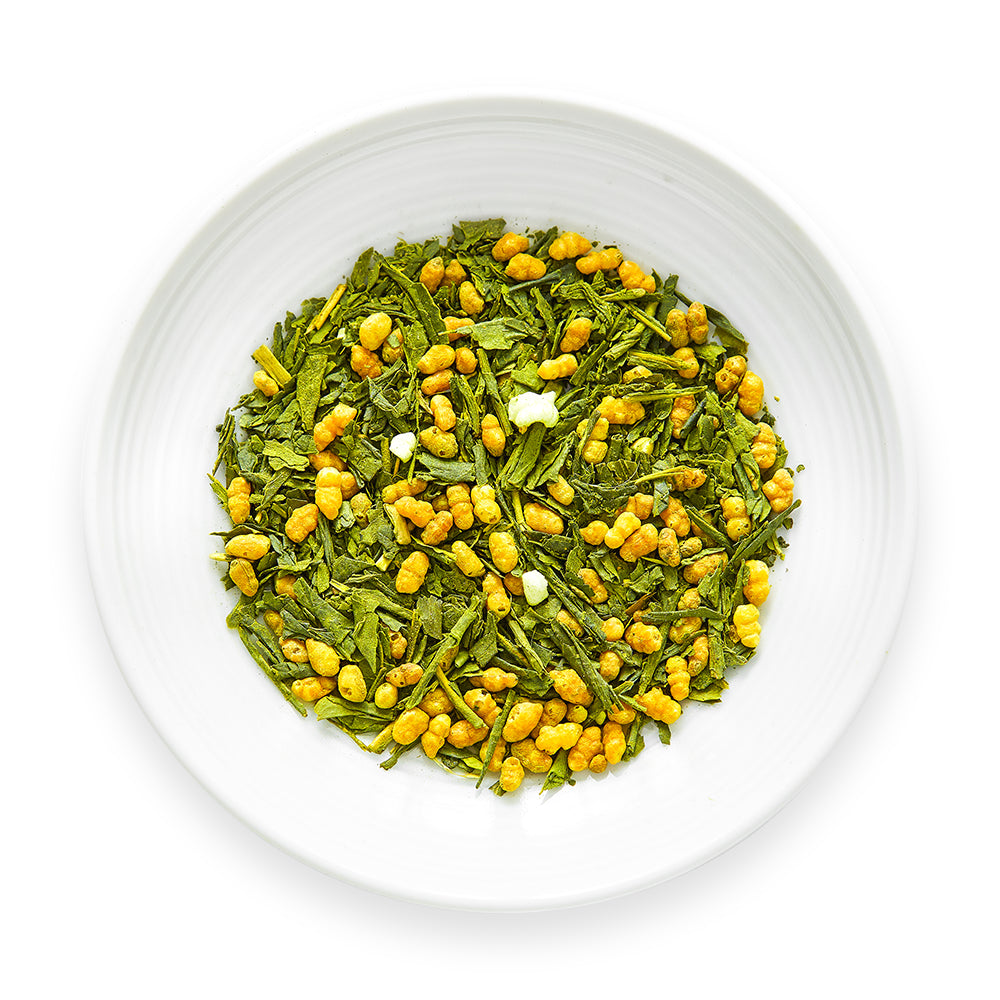
| Genmaicha | Toasty, warming, rice-forward | Tempura, curry, miso soup, grilled salmon, rice breakfasts | Extremely delicate sweets that can be overwhelmed by roast |
| Wakoucha | Soft, malty, lightly fruity | Toast, pastries, simmered dishes, baked apples, gentle cheeses | Very bitter greens or assertive chili heat |
| Kuromamecha | Nutty, mellow, naturally sweet | Daifuku, yokan, roasted squash, kinako sweets, simple cookies | Strongly acidic foods that flatten its round sweetness |
| Sobacha | Toasted buckwheat, warm, cereal-like | Soba noodles, rice bowls, mushrooms, roasted vegetables, sesame dishes | Very sugary desserts that make the tea taste too dry |

Genmaicha is a natural morning tea because its toasted rice aroma feels warm and familiar beside rice, grilled salmon, miso soup, tamagoyaki, and pickles. For a Western-style breakfast, toasted genmaicha also pairs beautifully with oatmeal, whole-grain toast, granola, and lightly buttered pastries.
Sencha is Japan's everyday lunch companion. Its refreshing astringency cleanses the palate between bites and works especially well with sushi rolls, bento boxes, grilled chicken, green salads, and seafood pasta with olive oil. For a bright daily cup, a clean sencha is a clean match for lighter midday meals.
Hojicha and genmaicha shine at dinner because roasted flavors are comfortable with grilled, pan-seared, and caramelized foods. roasted hojicha complements yakitori, teriyaki dishes, roasted mushrooms, and chocolate, while gyokuro can be served as a small pre-meal cup before a more delicate seafood or vegetable course.
Matcha is the classic dessert tea because its vivid umami and creamy texture balance sweetness and fat. Traditional wagashi are designed around this rhythm: eat the sweet first, then sip the tea. For Western desserts, everyday matcha powder works with vanilla ice cream, white chocolate, shortbread, and fruit tarts.

Temperature changes the way Japanese tea pairs with food. Cold-brewed sencha tastes sweeter and less astringent than hot-brewed sencha, making it a gentle match for raw vegetables, chilled noodles, and summer salads. Gyokuro brewed at a lower temperature brings out concentrated umami, which pairs well with light dashi-based soups, steamed seafood, tofu, and simply seasoned vegetables.
Steeping time also changes the pairing. A short first infusion of shade-grown gyokuro can feel rich and broth-like, while a second infusion is often lighter and better for refreshing the palate between courses. With roasted teas, a slightly stronger brew can make hojicha more satisfying beside grilled foods, while a softer brew keeps it gentle enough for cookies and cream-based desserts.

Certain flavor combinations can make Japanese tea taste sharper or flatter than intended. Highly acidic foods like lemon-heavy dressings and vinegar-forward dishes can amplify astringency, especially in sencha and gyokuro. Very spicy foods may overwhelm the subtle umami and sweetness that define premium Japanese tea.
Dairy can also be tricky with high-astringency teas because it softens the tea's structure and mutes delicate aromatics. If you want a creamier pairing, choose lower-astringency options such as hojicha, wakoucha, or kuromamecha black soybean tea, which are more comfortable with custards, cookies, and mellow desserts.
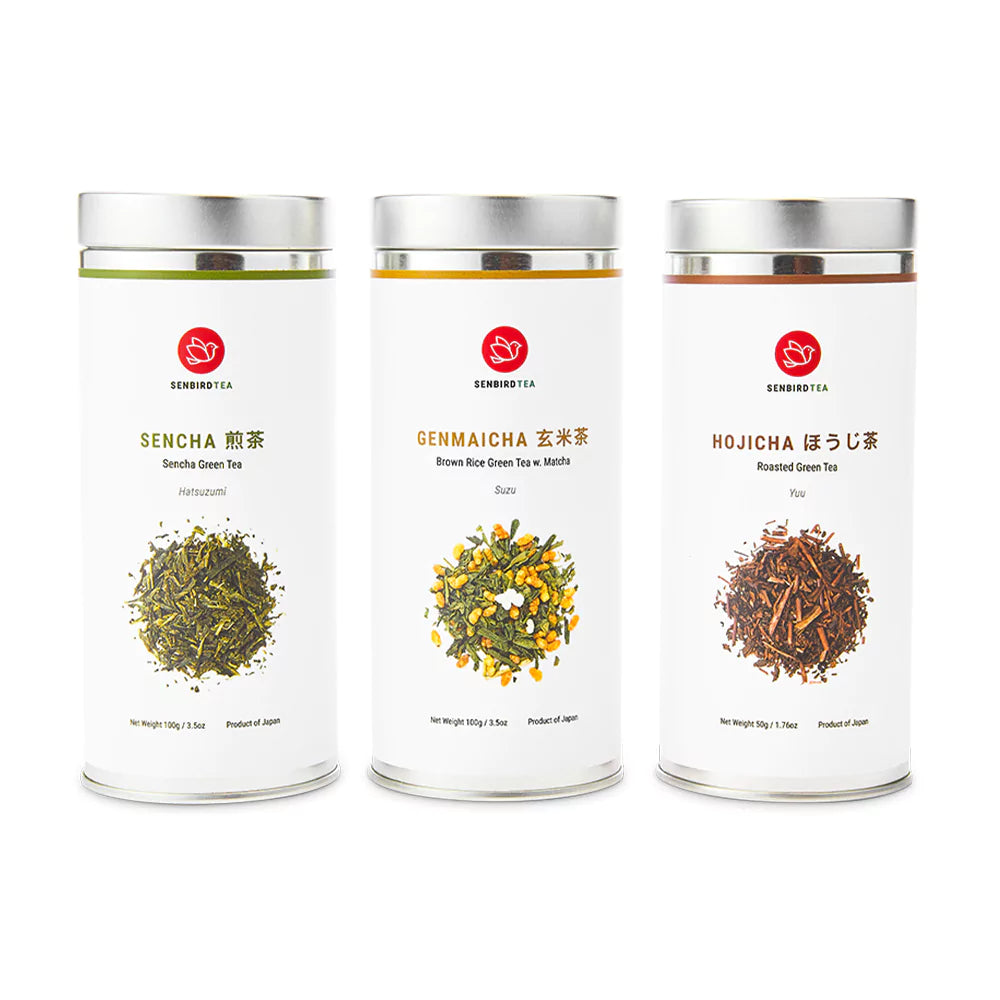
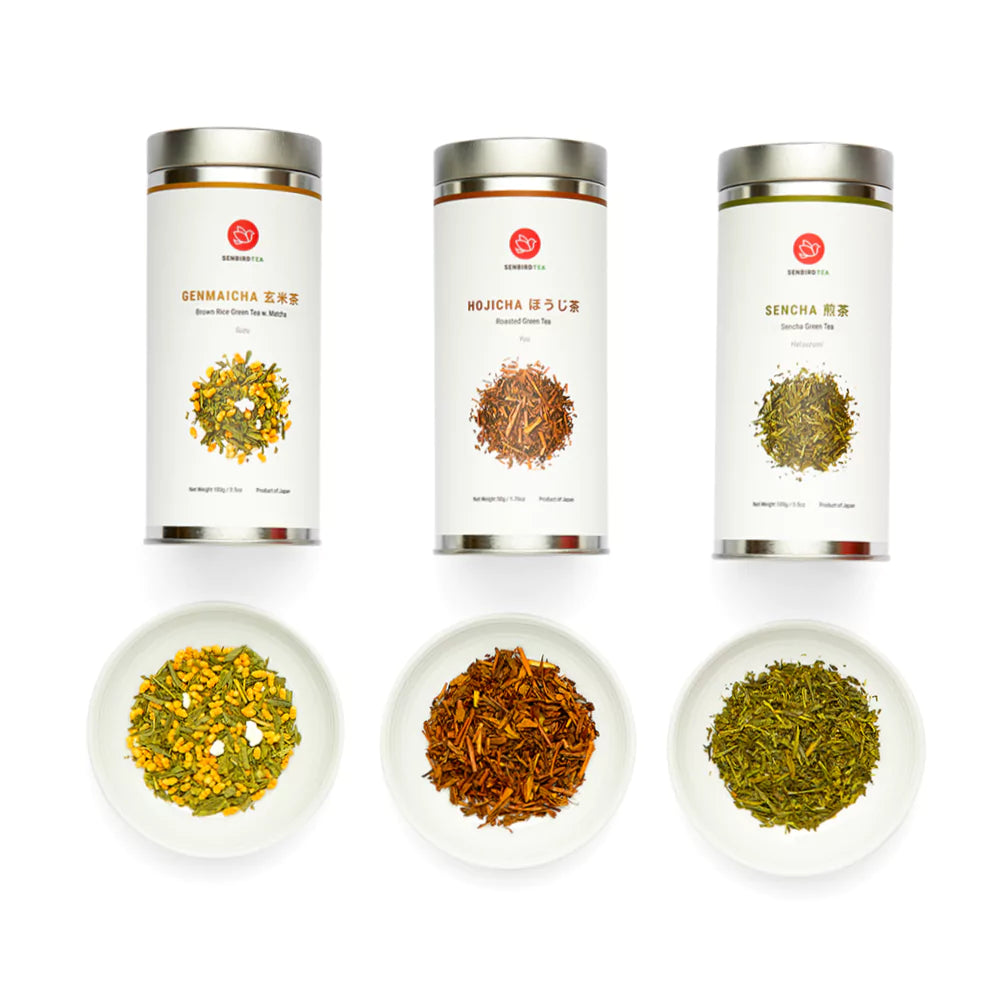
Sencha pairs best with sushi, sashimi, grilled fish, and rice dishes. Gyokuro complements white fish, steamed vegetables, tofu, and light dashi-based foods. Matcha pairs with wagashi and chocolate, hojicha matches grilled meats and roasted foods, and genmaicha goes with fried foods and hearty soups.
Yes. Sencha pairs with grilled chicken and green salads, genmaicha with oatmeal and whole-grain toast, hojicha with steak and chocolate desserts, and matcha with vanilla ice cream and fruit tarts. The same principles of harmony and contrast apply across cuisines.
Avoid pairing delicate Japanese green teas with highly acidic foods, very spicy dishes, and strong blue cheeses. These flavors can either amplify astringency, overwhelm the tea's umami, or create an unbalanced aftertaste.
Matcha is the most classic dessert pairing tea because it balances sweetness with umami and gentle bitterness. Hojicha is also excellent with chocolate, roasted nuts, and baked sweets, while kuromamecha pairs well with mellow wagashi and simple cookies.
Hojicha is one of the easiest Japanese teas to serve with dinner because its roasted warmth complements grilled foods, yakitori, mushrooms, and barbecue. For a more refined meal, gyokuro can be served in a small portion before seafood, tofu, or vegetable dishes.
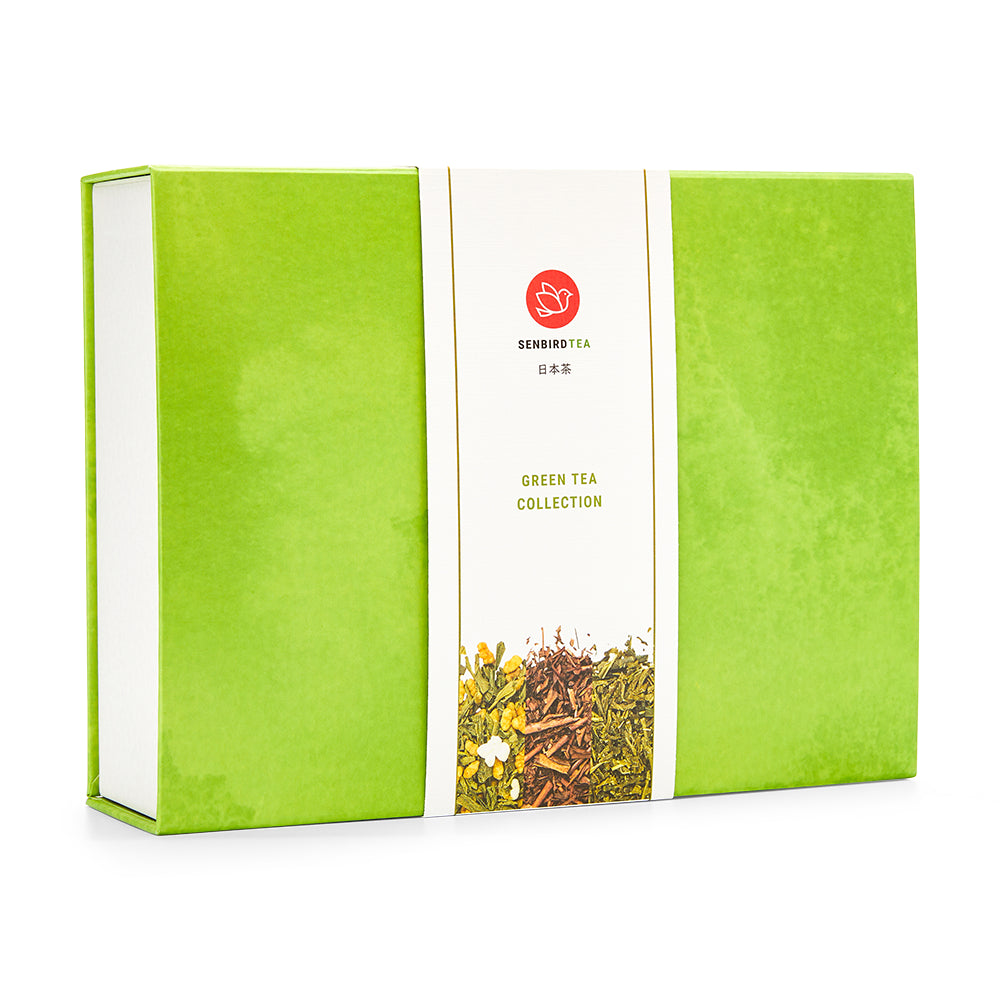
緑茶ギフトセット
A selection of best-selling Japanese green teas, perfect for tea lovers looking to explore the flavor and tradition of authentic Japanese tea.