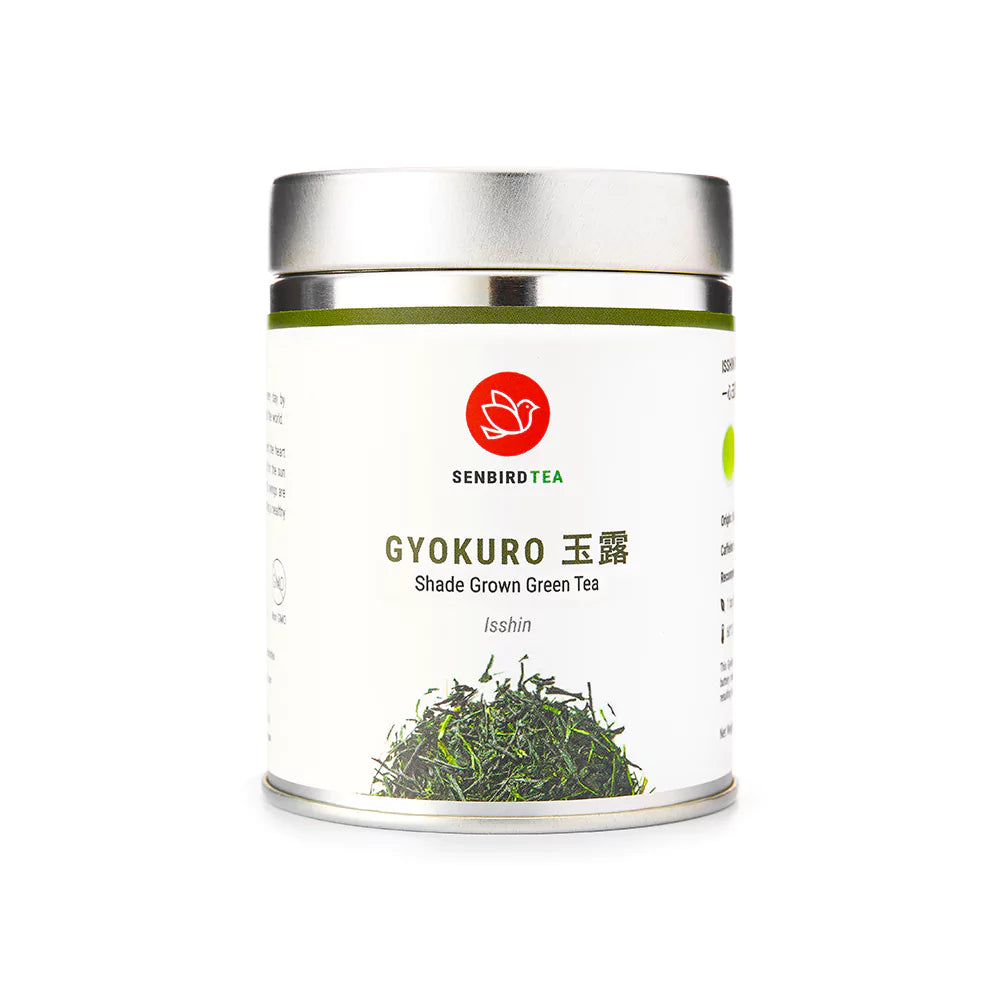
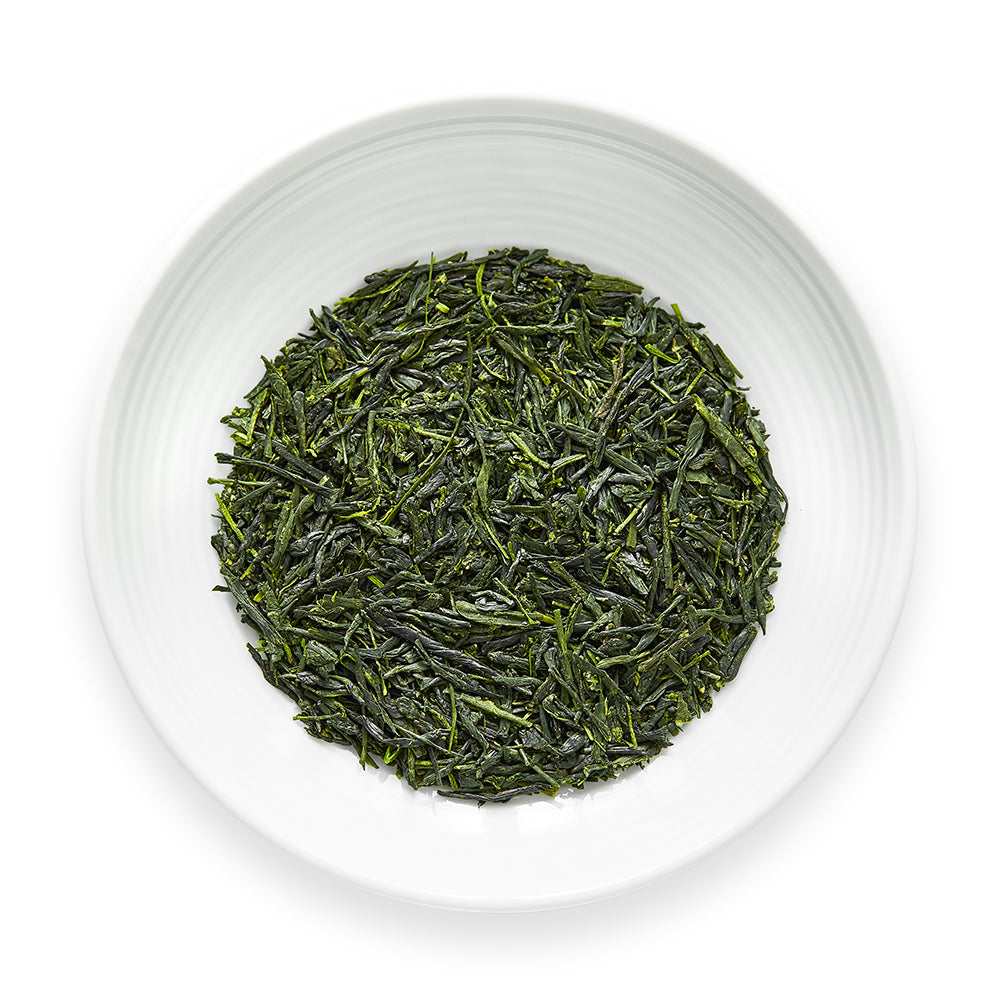
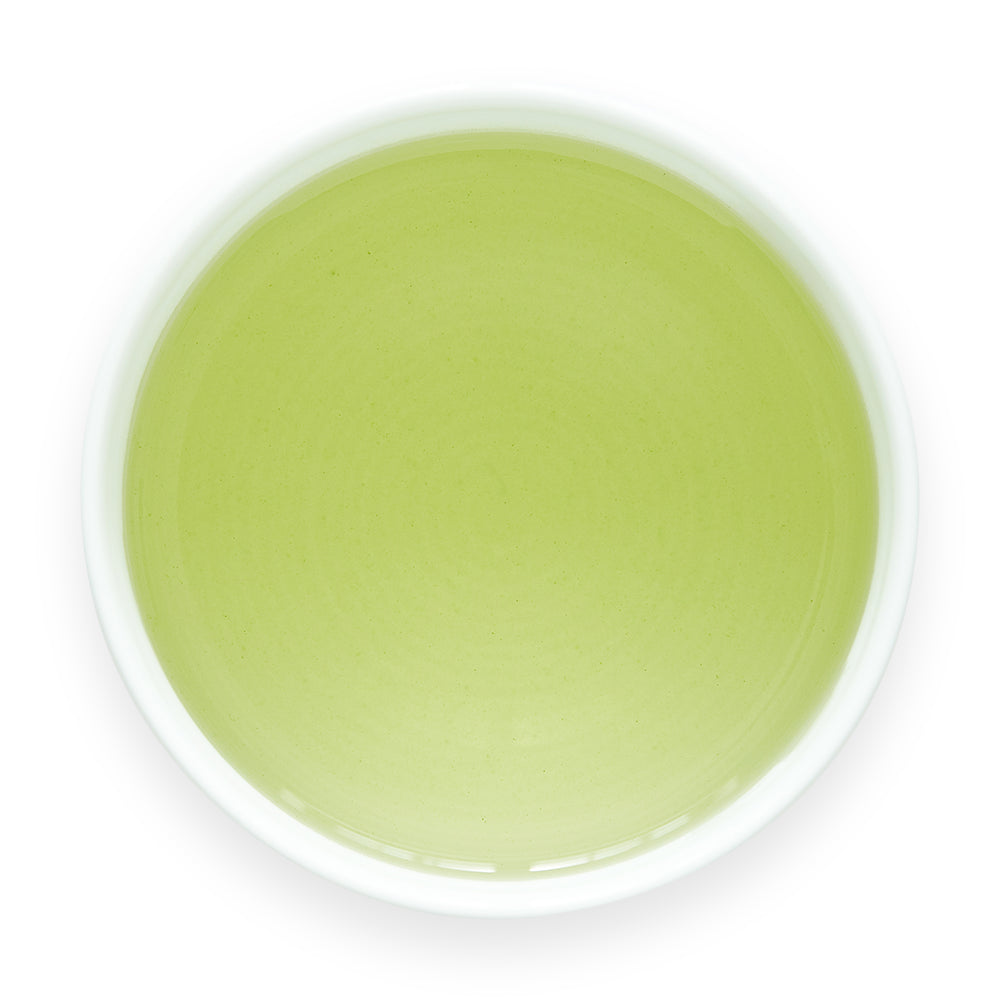
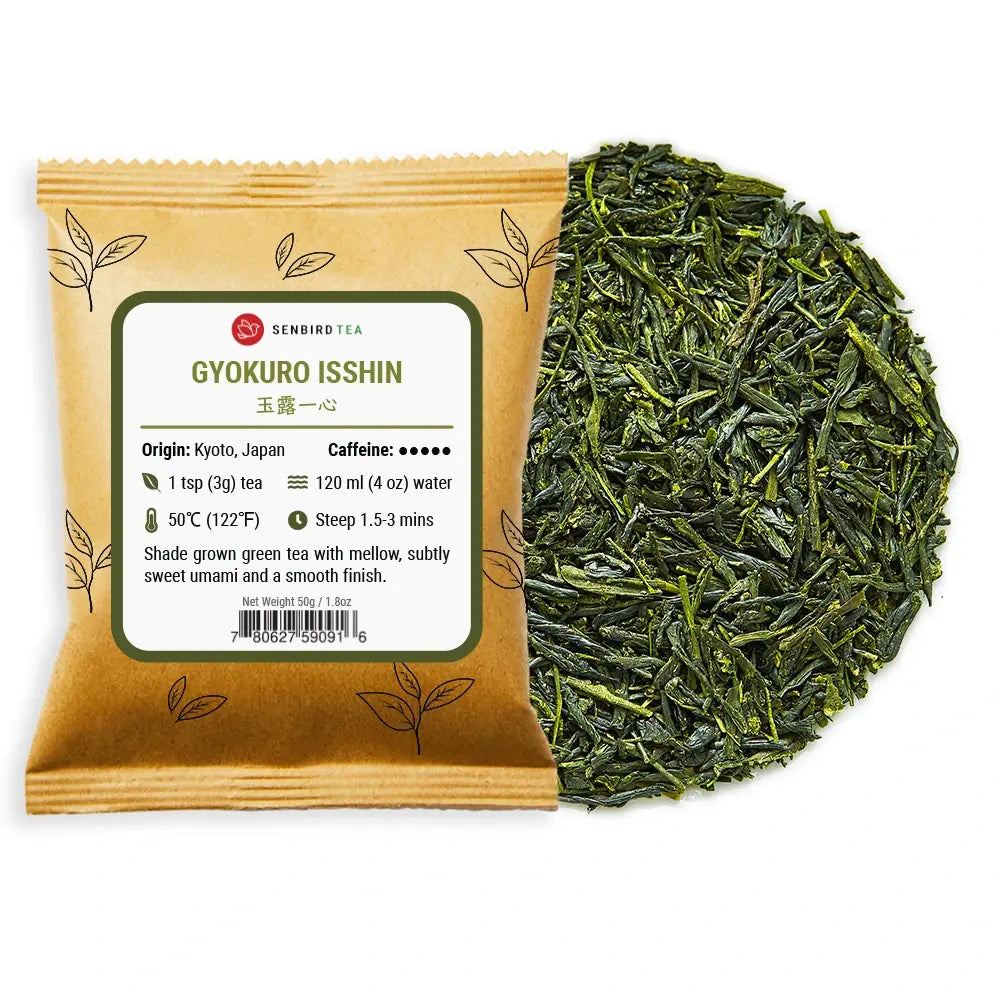
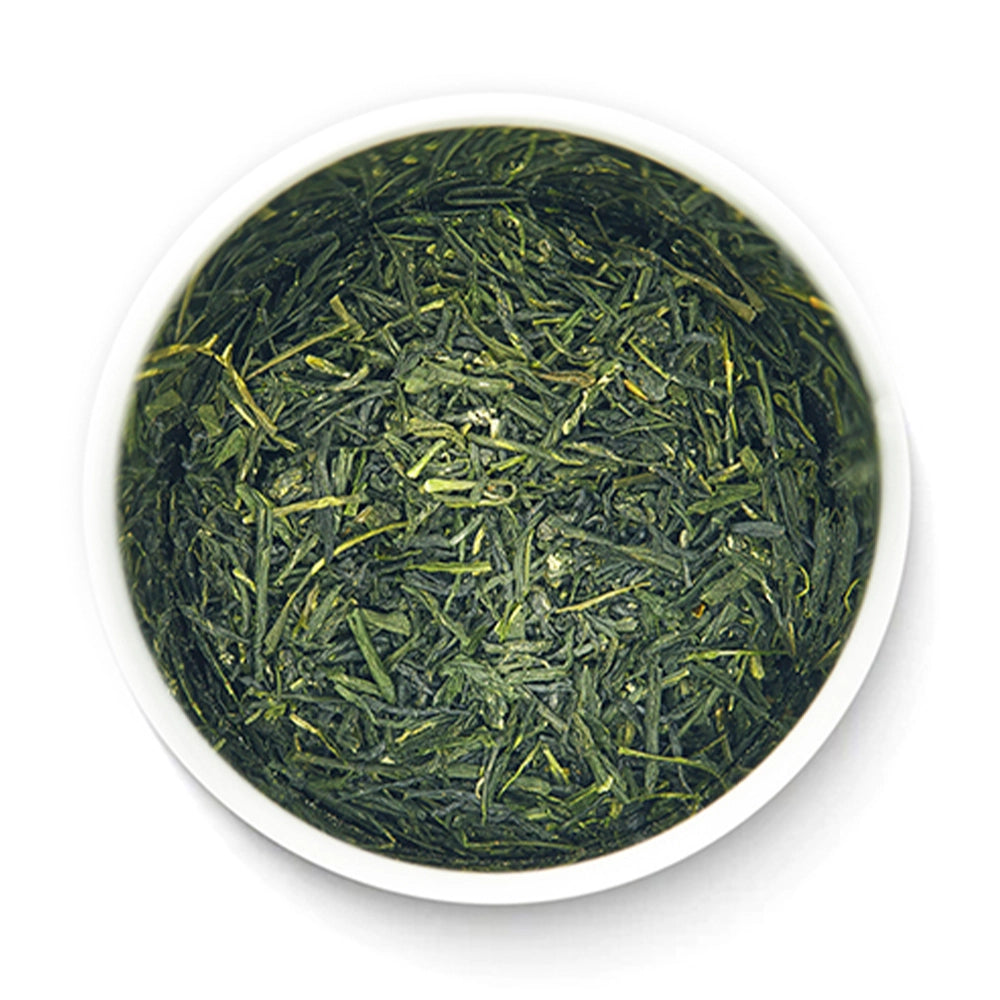
Gyokuro and sencha are both premium Japanese green teas, but they differ significantly in cultivation, flavor, caffeine content, and brewing requirements. Gyokuro is shade-grown for approximately three weeks before harvest, producing an intensely umami-rich, sweet tea considered Japan's finest. Sencha is grown in full sunlight, yielding a refreshing, balanced cup with bright vegetal notes and moderate astringency. Understanding these differences helps you choose the right Senbird Tea selection for your taste preferences and brewing style.

The fundamental difference between gyokuro and sencha begins in the tea garden with shade management. Sencha plants grow in full sunlight throughout their entire growing cycle. This sun exposure drives photosynthesis, which converts the amino acid L-theanine into catechins, producing the bright, refreshing, mildly astringent flavor profile that defines quality sencha. Sencha accounts for approximately 80 percent of Japanese tea production and is the most consumed tea in Japan.
Gyokuro plants are covered with shade structures, traditionally reed screens called tana, for 20 to 30 days before harvest. This shade deprivation reduces photosynthesis, causing L-theanine and chlorophyll to accumulate in the leaves rather than converting to catechins. The result is dramatically higher amino acid content, deeper green color, and the characteristic rich umami sweetness that distinguishes gyokuro from all other Japanese green teas. Senbird Tea sources gyokuro from Uji and other renowned producing regions where this centuries-old shading technique is practiced with expert precision.
After harvest, both teas undergo the same basic Japanese green tea processing: steaming to halt oxidation, rolling to shape the leaves, and drying to stabilize the final product. Despite identical processing, the chemical differences created by the shading period produce dramatically different tasting experiences in the finished tea.

Gyokuro's flavor is defined by intense umami, a deep savory sweetness often compared to seaweed broth, asparagus, or sweet corn. The high L-theanine content creates a rich, mouth-coating mouthfeel with virtually no astringency when brewed correctly. Gyokuro from Senbird Tea reveals layers of flavor as it cools, with initial marine sweetness giving way to vegetal notes and a long, satisfying finish that lingers on the palate.
Sencha offers a brighter, more refreshing flavor profile with a balance of vegetal sweetness, mild grassy notes, and clean astringency that stimulates the palate. Quality sencha from Senbird Tea provides a harmonious cup where no single flavor dominates, making it an excellent everyday tea that pairs well with food and refreshes between meals. The astringency in sencha comes from its higher catechin content, which also gives it a stronger antioxidant profile than gyokuro per cup.

Gyokuro contains significantly more caffeine than sencha due to the shade-growing process. Shading stimulates the tea plant to produce additional caffeine as a natural defense mechanism, resulting in approximately 120 to 140 milligrams of caffeine per cup of gyokuro compared to 30 to 50 milligrams per cup of sencha. This makes gyokuro one of the highest-caffeine teas available, approaching espresso levels when brewed traditionally in small, concentrated servings.
Despite its high caffeine content, gyokuro's equally high L-theanine levels create a unique stimulation profile. The L-theanine modulates the caffeine's effects, producing calm alertness rather than the jittery energy associated with coffee. Many Senbird Tea customers describe the gyokuro caffeine experience as focused and sustained, making it an excellent choice for morning concentration or study sessions where clear-headed energy is desired.

Brewing temperature is the most critical difference between preparing gyokuro and sencha. Gyokuro requires much lower water temperature, typically 140 to 150 degrees Fahrenheit, to extract its delicate umami flavors without releasing excessive bitterness. Use approximately 2 teaspoons of Senbird Tea gyokuro per 2 to 3 ounces of water and steep for 90 seconds to 2 minutes. The small water volume and low temperature produce a concentrated, intensely flavored liquor meant to be savored in small sips.
Sencha brews at higher temperatures, typically 160 to 175 degrees Fahrenheit, which effectively extracts its balanced catechin and amino acid content. Use 1 tablespoon of sencha per 8 ounces of water and steep for 60 to 90 seconds. Sencha from Senbird Tea can be infused 2 to 3 times, with each steeping requiring slightly hotter water and shorter steeping time. Both teas reward careful temperature control, but sencha is more forgiving of slight temperature variations.

The choice between gyokuro and sencha depends on your flavor preferences, brewing style, caffeine needs, and budget. Gyokuro is a premium tea best suited for dedicated tea sessions where you can give it the attention and precise brewing it deserves. Its complex umami richness rewards slow, mindful sipping and makes it ideal for special occasions or focused afternoon tea rituals.
Sencha from Senbird Tea is the quintessential everyday Japanese green tea, versatile enough to enjoy throughout the day in larger quantities. Its balanced flavor profile pairs well with meals, refreshes in hot weather, and provides moderate caffeine for gentle daily energy. Many tea enthusiasts keep both in their collection, reaching for gyokuro when they want a deeply meditative tea experience and sencha when they want a reliable, satisfying daily companion.
| Characteristic | Gyokuro | Sencha |
|---|---|---|
| Cultivation | Shade-grown 20-30 days | Full sunlight |
| Primary flavor | Rich umami, marine sweetness | Balanced vegetal, refreshing |
| Caffeine per cup | 120-140mg | 30-50mg |
| L-theanine content | Very high | Moderate |
| Catechin content | Moderate | High |
| Brewing temperature | 140-150°F (60-65°C) | 160-175°F (70-80°C) |
| Steeping time | 90 sec - 2 min | 60-90 seconds |
| Serving size | 2-3 oz concentrated | 8 oz standard cup |
| Price range | Premium | Moderate |
| Best for | Special sessions, focus | Daily drinking, all-purpose |
Both gyokuro and sencha offer significant health benefits, but they excel in different areas. Gyokuro provides substantially more L-theanine, the amino acid linked to stress reduction, improved focus, and alpha brain wave production. Sencha delivers higher catechin concentrations, particularly EGCG, which is the most studied antioxidant compound in green tea for cardiovascular and cellular health benefits. For a comprehensive health approach, Senbird Tea recommends incorporating both teas into your routine to benefit from the full spectrum of green tea compounds.
Gyokuro commands a higher price because of its labor-intensive cultivation process. Building and maintaining shade structures over the tea plants for 20 to 30 days requires significant additional labor and materials. The shading process also reduces overall leaf yield compared to sun-grown sencha, making each harvest more precious. Additionally, gyokuro is typically hand-picked to select only the finest spring buds and leaves, while sencha may be machine-harvested. These factors combined make gyokuro from Senbird Tea a premium product that reflects the extraordinary care invested in its production.
Brewing gyokuro with the same high temperature and large water volume used for sencha will produce a bitter, astringent cup that fails to showcase gyokuro's signature umami sweetness. Gyokuro requires cooler water at 140 to 150 degrees Fahrenheit and a smaller water-to-leaf ratio to extract its delicate amino acid flavors without releasing excessive tannins. Taking the time to brew Senbird Tea gyokuro at its ideal parameters transforms the experience entirely, revealing layers of savory sweetness that hot-brewed gyokuro cannot deliver.
Sencha generally contains more catechin antioxidants per cup than gyokuro because full sunlight exposure drives the conversion of amino acids into catechins during the growing process. Gyokuro's shade-growing preserves L-theanine at the expense of catechin development. However, gyokuro contains more chlorophyll and certain amino-acid-derived antioxidants. Both teas from Senbird Tea provide substantial antioxidant intake, and the total antioxidant benefit depends on brewing parameters, serving size, and how many cups you consume daily.
Gyokuro's intense umami character pairs beautifully with light, delicate foods that complement rather than compete with its savory richness. Traditional Japanese pairings include wagashi confections, mild sashimi, and simple rice dishes. Sencha's brighter, more versatile flavor profile pairs well with a wider range of foods including grilled fish, salads, light pasta dishes, and fruit. Senbird Tea recommends serving gyokuro as a standalone tasting experience or with minimal food, while sencha works excellently as a mealtime beverage throughout the day. Senbird Tea also offers wholesale Japanese tea for cafés, restaurants, and retailers.
玉露一心
An Asatsuyu gyokuro with a sweet, mellow umami and a smooth finish perfect for grounding moments.