

OUR STORY
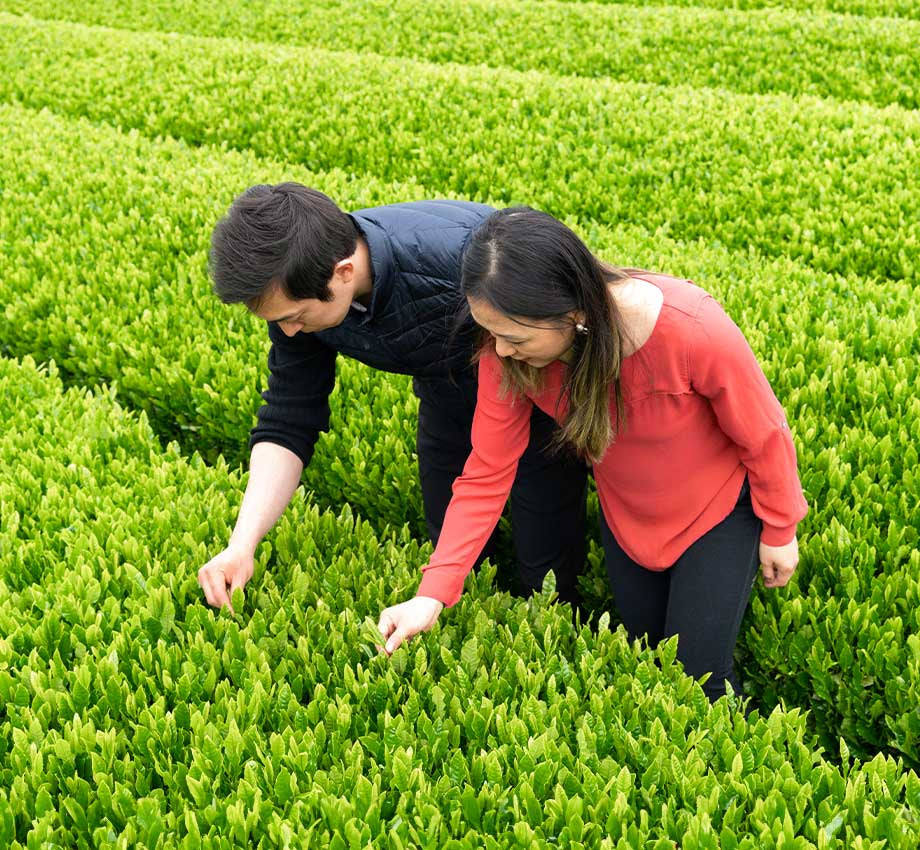
Shota and Celia, the visionary founders of Senbird Tea, nurture a profound love for tea, a legacy inherited from their tea-loving family. They've always found solace and tranquility in the daily ritual of sipping tea together, which has become an integral part of their wellness-focused lifestyle.
Frequent visits to Japan, where they uncovered the exceptional quality and diversity of teas, opened their eyes to the disparity in tea offerings back home in the United States. This prompted them on a transformative journey to connect directly with Japan's passionate tea farmers. While immersing themselves in the art and traditions of tea-making, they forged enduring bonds with these dedicated farmers.
AUTHENTIC, HIGH-GRADE JAPANESE TEA
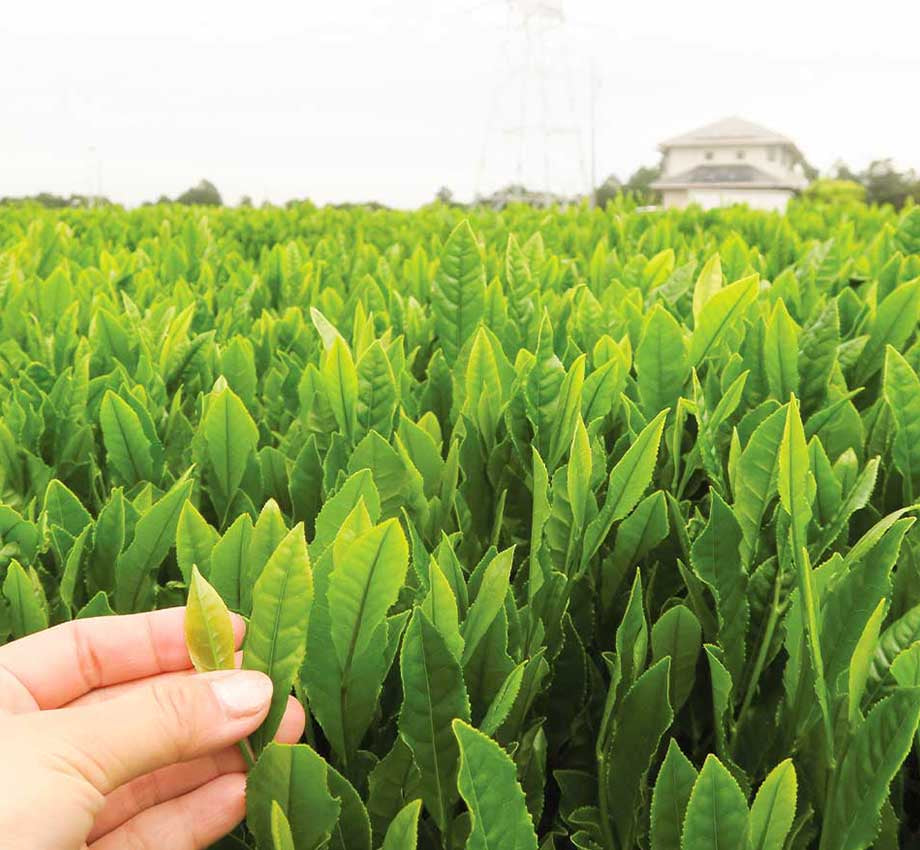
Inspired by the deep wisdom and unwavering dedication of these farmers, Shota and Celia are determined to share the goodness of Japanese tea with the world. From this steadfast commitment and profound respect for tea-making traditions, Senbird was born, driven by the vision of sharing Japan's finest teas and inspiring daily moments of appreciation.
"The ‘art of tea’ is a spiritual force for us to share."
– Sen no Rikyu
Empowering Wellness Through Tea Traditions
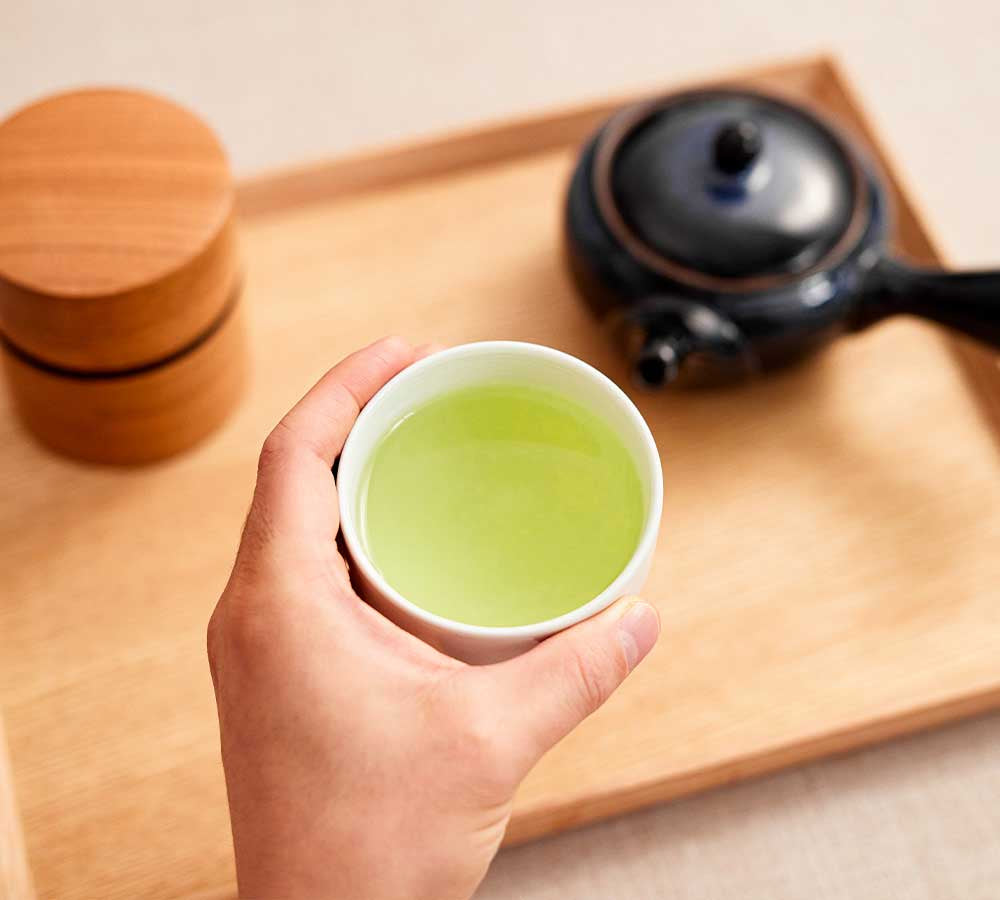
At Senbird Tea, we are on a mission to empower wellness and enhance everyday experiences through the traditions of Japanese tea. We firmly believe in the transformative potential of tea to nurture a harmonious mind, body, and spirit. Our dedication to sourcing the highest-quality teas directly from Japan's most esteemed farms ensures that you have the opportunity to immerse yourself in the genuine essence of Japanese tea culture.
Tea is not just a beverage; it is a path to well-being and a reflection of the rich history that has shaped it.

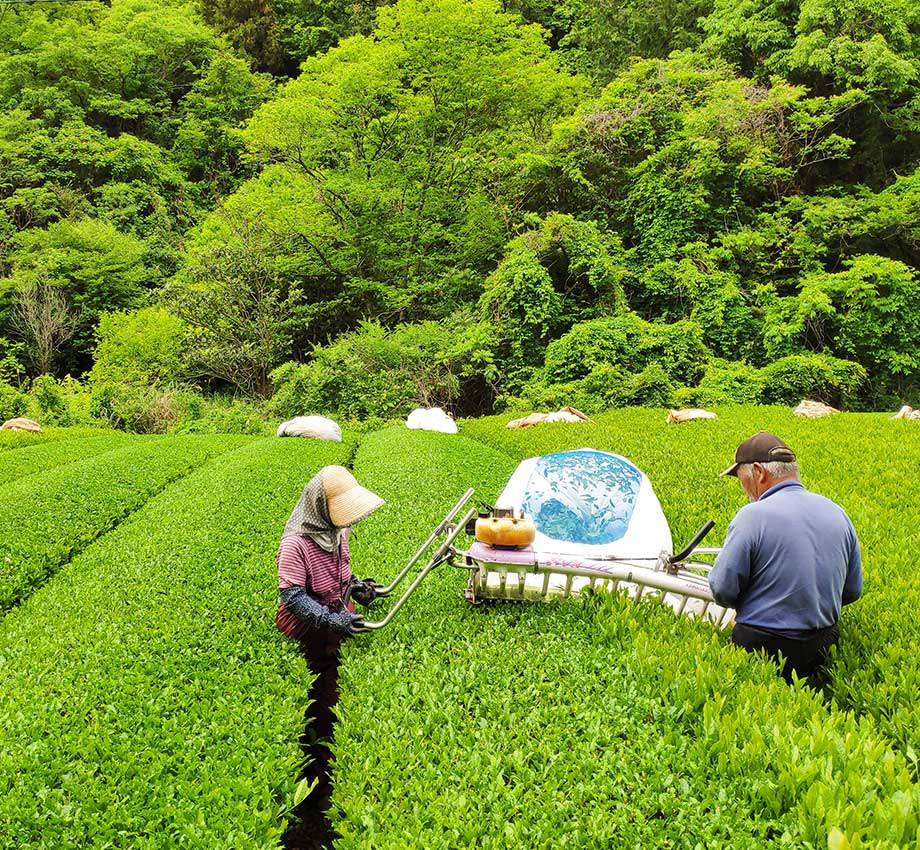
Grown with care, trusted for purity
Each batch of tea is carefully cultivated by multi-generational farmers who follow traditional, responsible growing methods. Grown without synthetic chemicals or additives, our teas are produced in accordance with the strict Japanese Agricultural Standards (JAS), certified by Japan’s Ministry of Agriculture, Forestry and Fisheries (MAFF). This reflects a deep respect for the environment, our farmers, and your well-being—ensuring every cup is as clean and natural as it is delicious.
Our Farmers

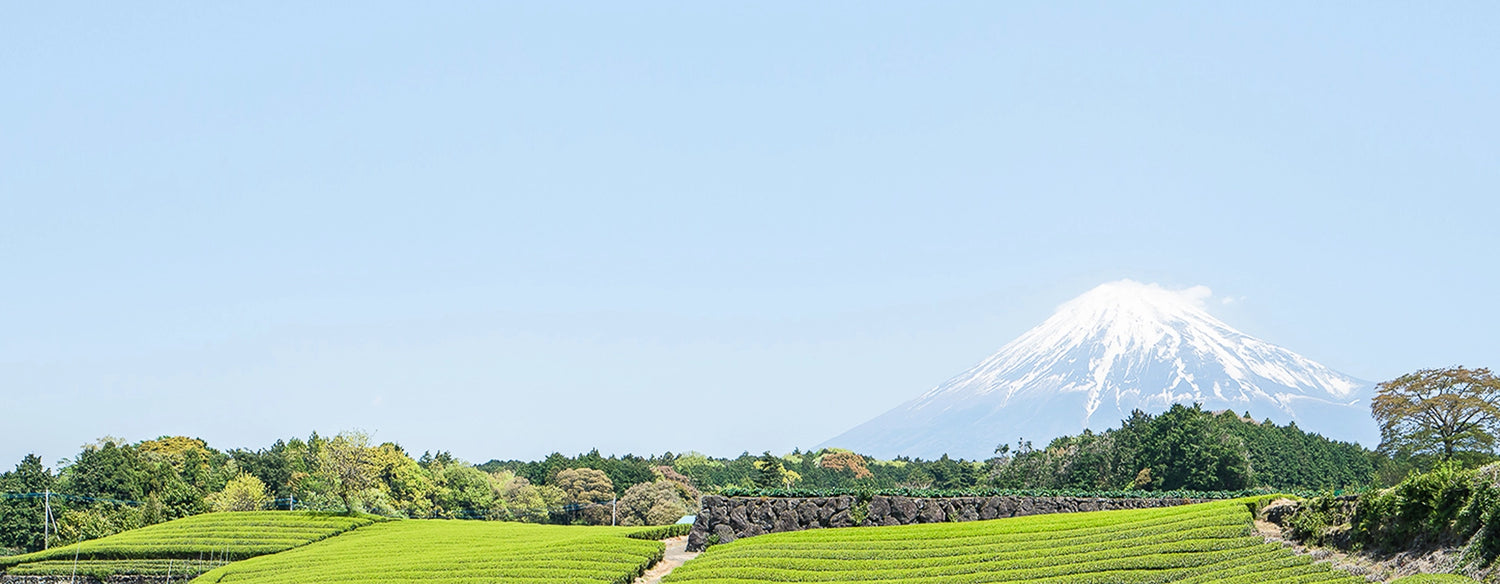
Horii-san is a fourth-generation tea farmer in Kakegawa, Shizuoka, where his family has cared for the same land for about a century. Guided by traditional Chagusaba farming and a deep respect for soil, nature, and community, he grows tea as a way to preserve the environment and share the heart of Japanese culture with the world.
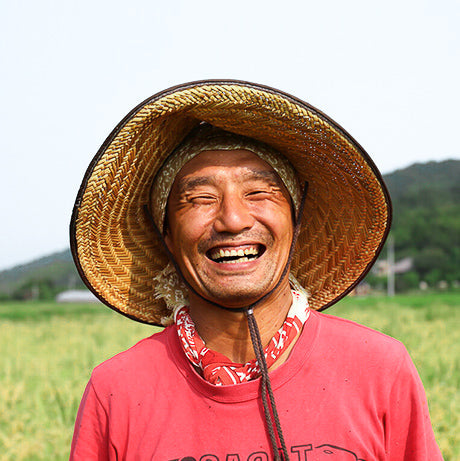
Since the 1900s, the Tanaka family has produced quality vegetables and beans in Hokkaido. Tanaka-san upholds traditional farming techniques, creating herbal teas rich in health benefits and flavor. His favorite is Kuromame black soybean tea, made from hand-selected beans.
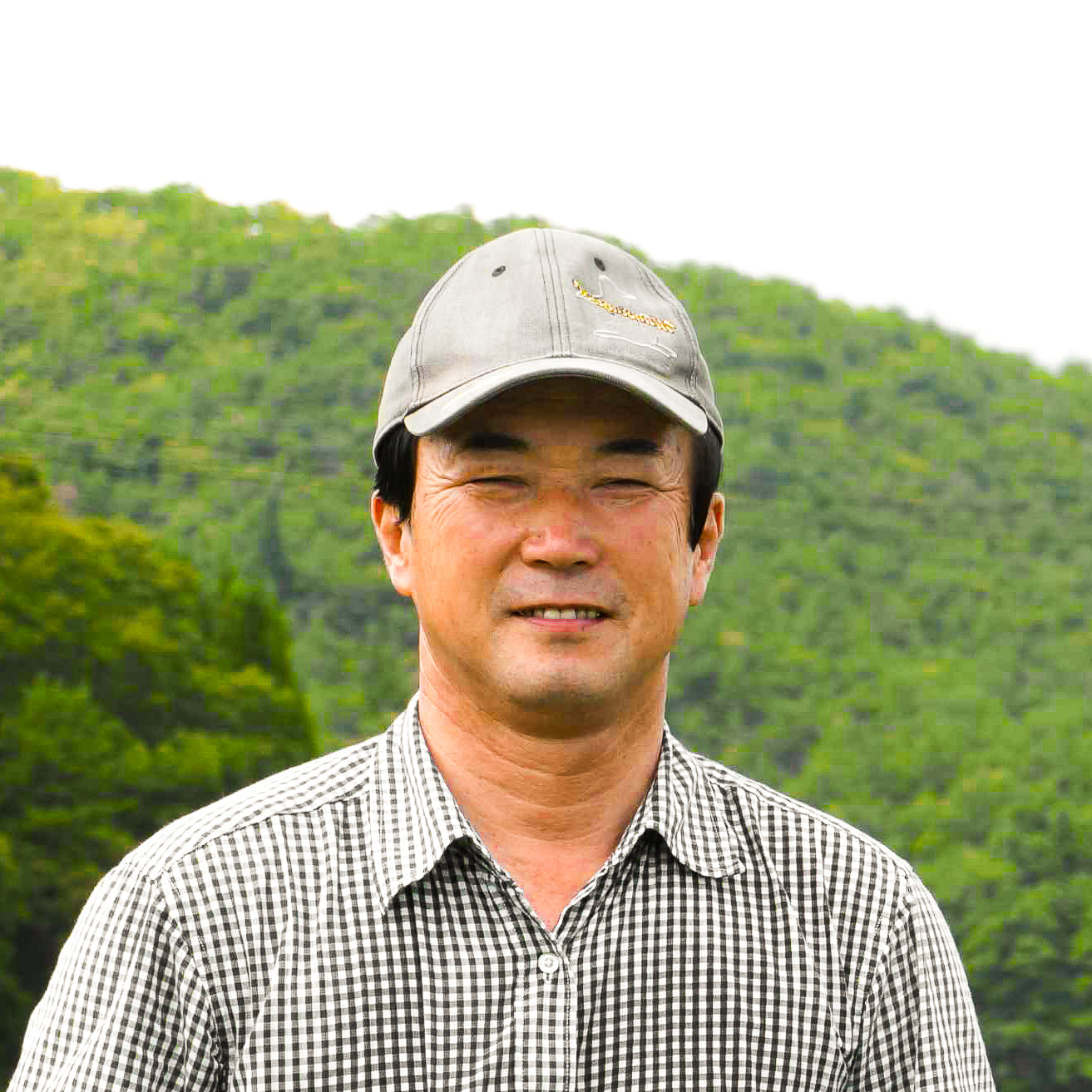
The Sato family brings three generations of tea-harvesting experience to Kyoto matcha. Sato-san credits Uji’s rainfall and day-night temperature shifts for the leaves’ strong aroma, and his favorite way to enjoy matcha is freshly whisked.

Asano-san is a producer from Kochi Prefecture, Japan’s leading region for ginger cultivation. Working closely with local farmers, he helps preserve the crisp aroma, clean flavor, and quality of domestically grown Japanese ginger. That same appreciation for everyday ingredients began with hojicha, a childhood favorite from his grandmother.
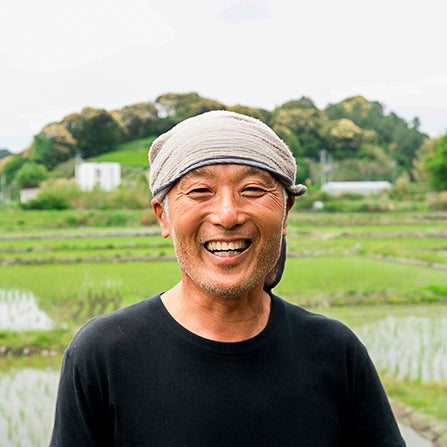
Makiuchi-san has been producing tea for over 30 years, carefully nurturing his fields with nutrient-rich soil made from fermented soybeans and yogurt. His specialty is umami-rich tea, especially Fukamushicha, and he enjoys spending his free time in nature and by the sea.
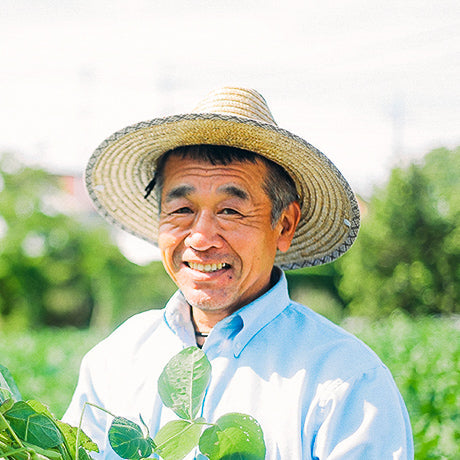
Yamamoto-san carries on his family’s tea-harvesting traditions, including the use of handmade fertilizer to nurture healthy soil. Based in Shizuoka’s prime tea-growing environment, he produces small-batch tea with care and especially enjoys fresh spring-harvested Gyokuro.
SUPPORT JAPAN's TEA FARMERS
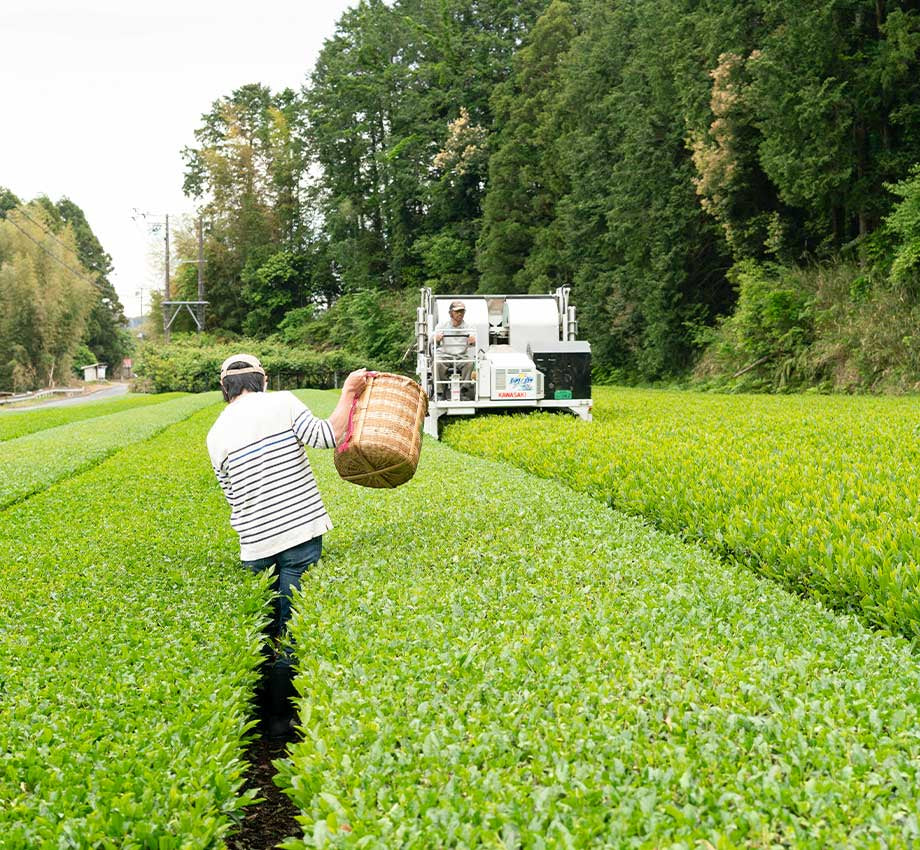
Japan's tea culture is in crisis, with a 70% decline in local tea harvesters since the 1990s, driven by mass-produced, low-quality teas and the popularity of bottled teas. This trend has forced many small and artisanal tea farmers into retirement, risking the loss of Japan's rich tea traditions and unique flavors. Recognizing this, Senbird is dedicated to supporting these family-owned farms and heritage practices, helping to sustain and celebrate the authentic essence of Japanese tea culture.