Green tea before bed can be calming for some people and too stimulating for others. The answer depends on the type of green tea, how much caffeine it contains, how late you drink it, and how sensitive your body is to caffeine.
If you are wondering whether green tea will keep you awake, the safest rule is simple: drink higher-caffeine Japanese green teas earlier in the day, and save lower-caffeine roasted teas for the evening. That keeps the ritual of tea without turning bedtime into a caffeine experiment.
This guide focuses on timing, tea type, and practical evening choices. It is not a general "best tea for sleep" article; it is specifically about whether Japanese green tea belongs in your nighttime routine.

You can drink green tea before bed, but not every green tea is a good choice late at night. Matcha, gyokuro, and many sencha teas can contain enough caffeine to interfere with sleep if you drink them too close to bedtime. Hojicha, on the other hand, is roasted and generally much lower in caffeine, making it the most practical true green tea for evening sipping.
The key is to separate green tea as a category from specific Japanese tea types. A bright cup of sencha green tea can feel clean and focused in the afternoon, while roasted hojicha tastes warmer, deeper, and softer in the evening.
For most people, green tea before bed works best when "green tea" means hojicha, not matcha or gyokuro. If you are very caffeine-sensitive, choose a caffeine-free herbal tea instead.

Caffeine varies by tea type, leaf style, harvest, serving size, water temperature, and steep time. Still, Japanese green teas follow a useful pattern: shaded and powdered teas tend to be higher in caffeine, while roasted teas tend to feel gentler.
| Tea Type | Typical Evening Fit | Why |
|---|---|---|
| Matcha | Best earlier in the day | You consume the whole powdered leaf, so the caffeine effect can feel stronger. |
| Gyokuro | Best earlier in the day | Shade-grown tea is prized for depth and umami, but it is usually not the best late-night choice. |
| Sencha | Better in the morning or afternoon | Sencha can be refreshing and focused, but many people prefer to stop several hours before bed. |
| Hojicha | Best true green tea for evening | Roasting gives hojicha its mellow flavor and generally lower caffeine profile. |
If you love matcha green tea powder, enjoy it when you want focus and energy, not when you are trying to wind down. For evening, choose roasted green tea or a caffeine-free infusion.

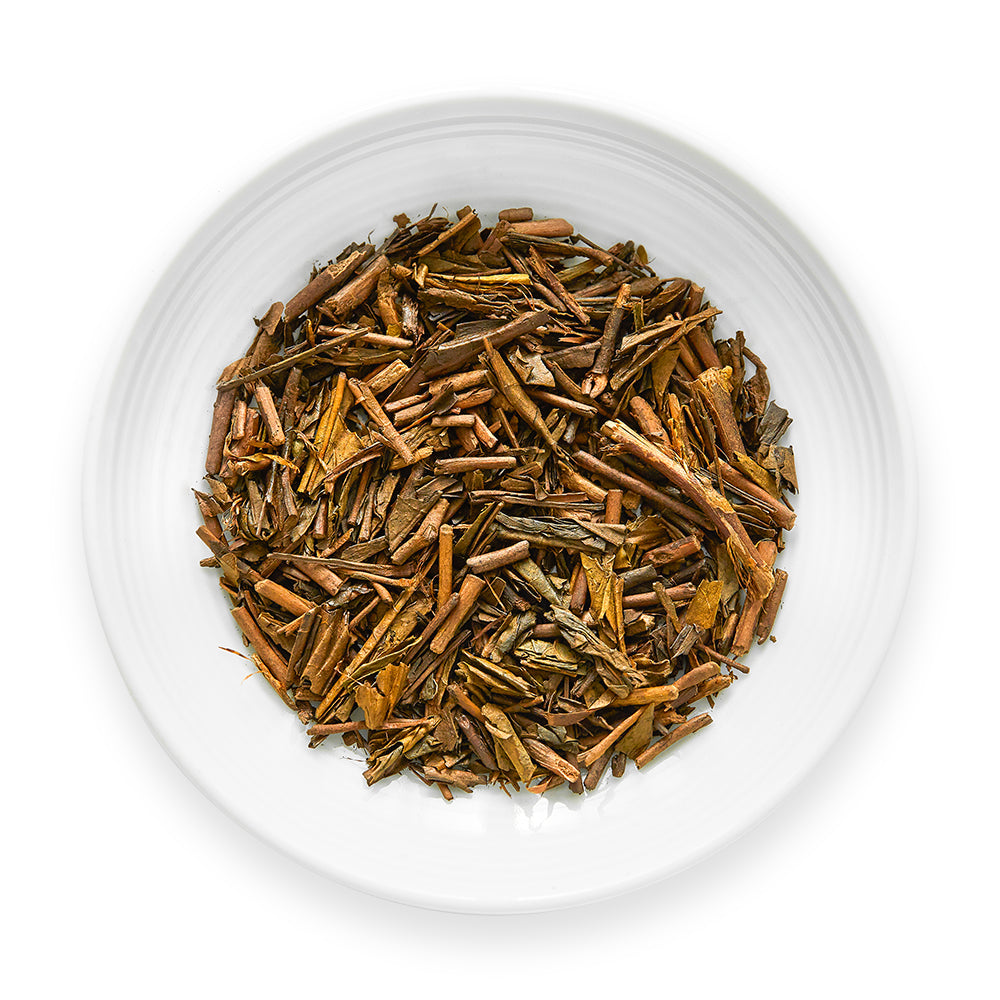
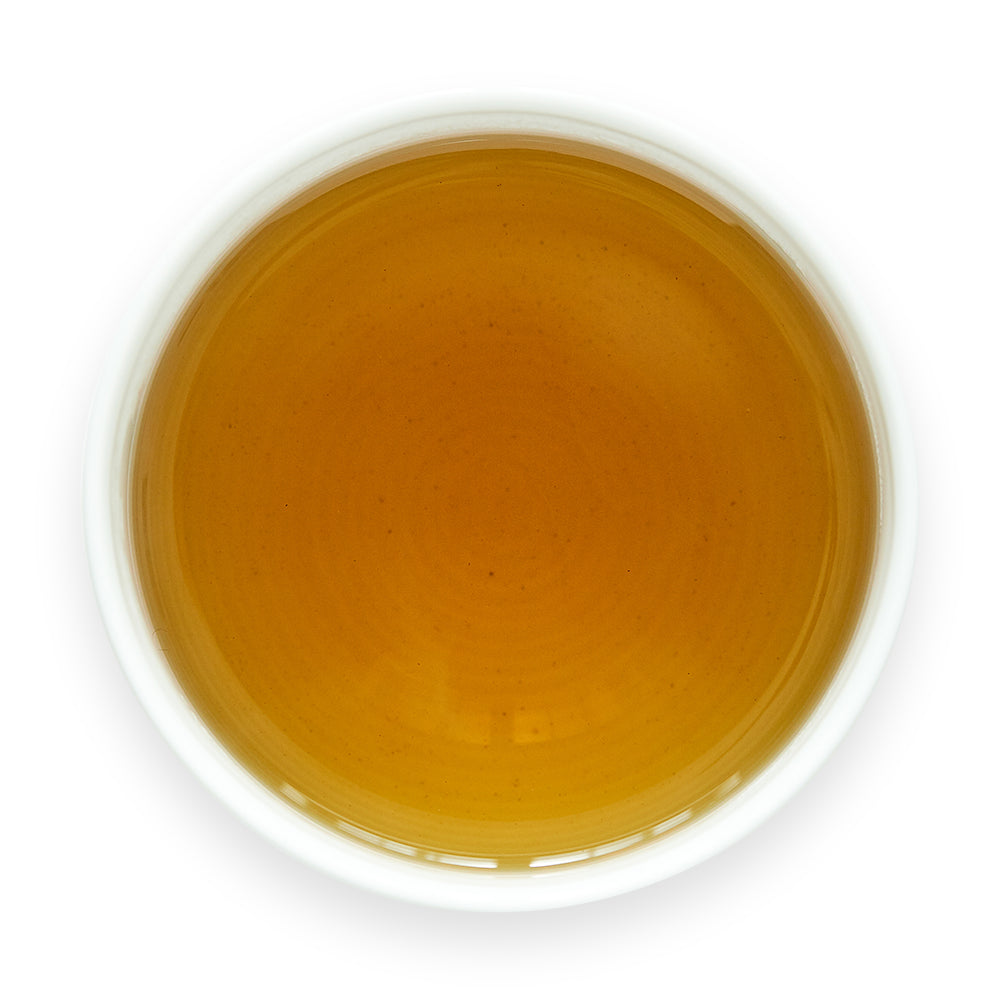
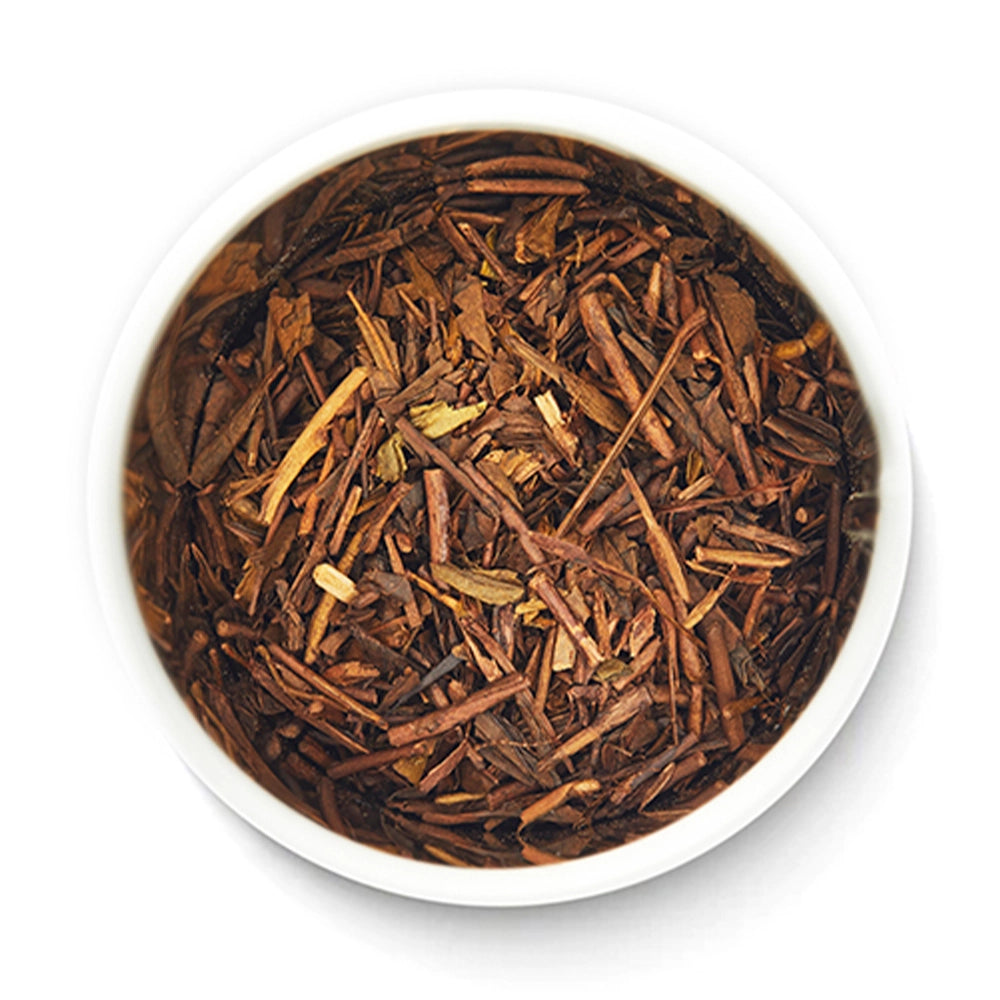
Hojicha is often the best answer for people who want green tea before bed without the brighter lift of sencha or matcha. Because the leaves are roasted, hojicha has a toasty aroma, amber-brown liquor, and mellow flavor that feels naturally suited to the evening.
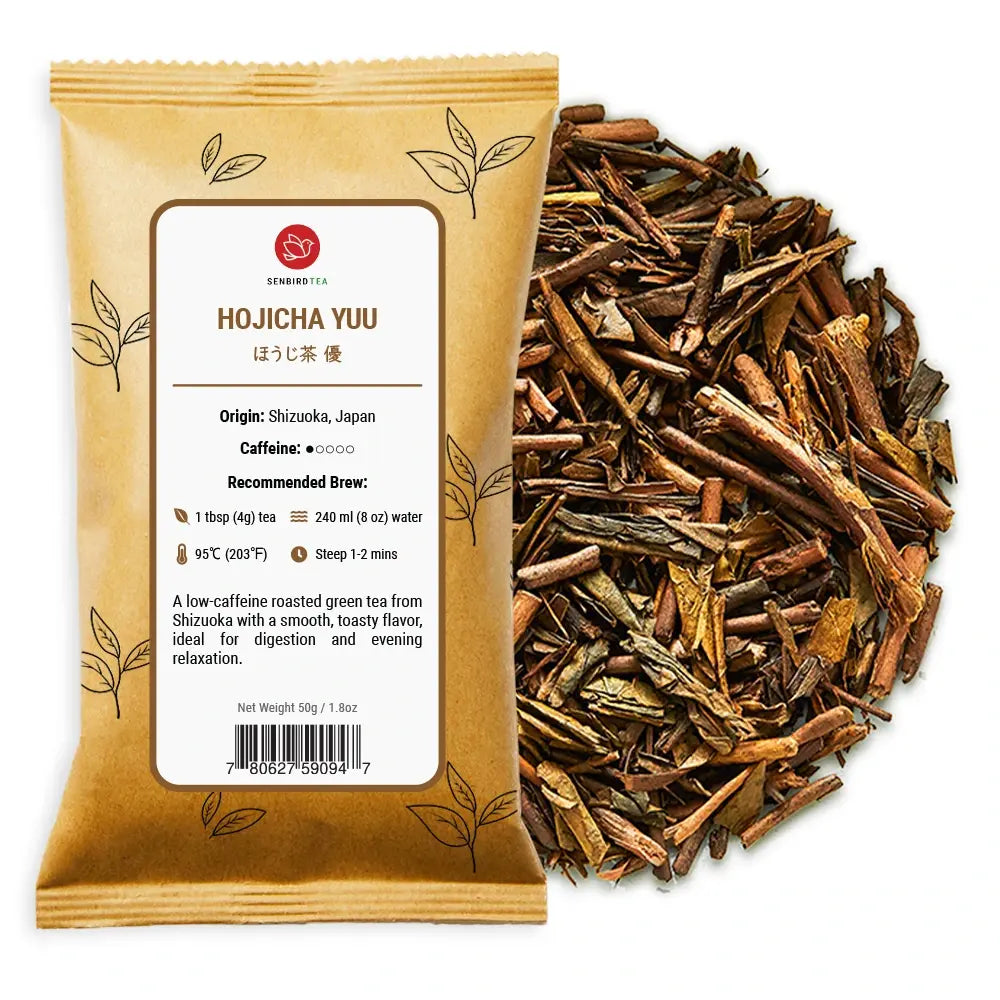
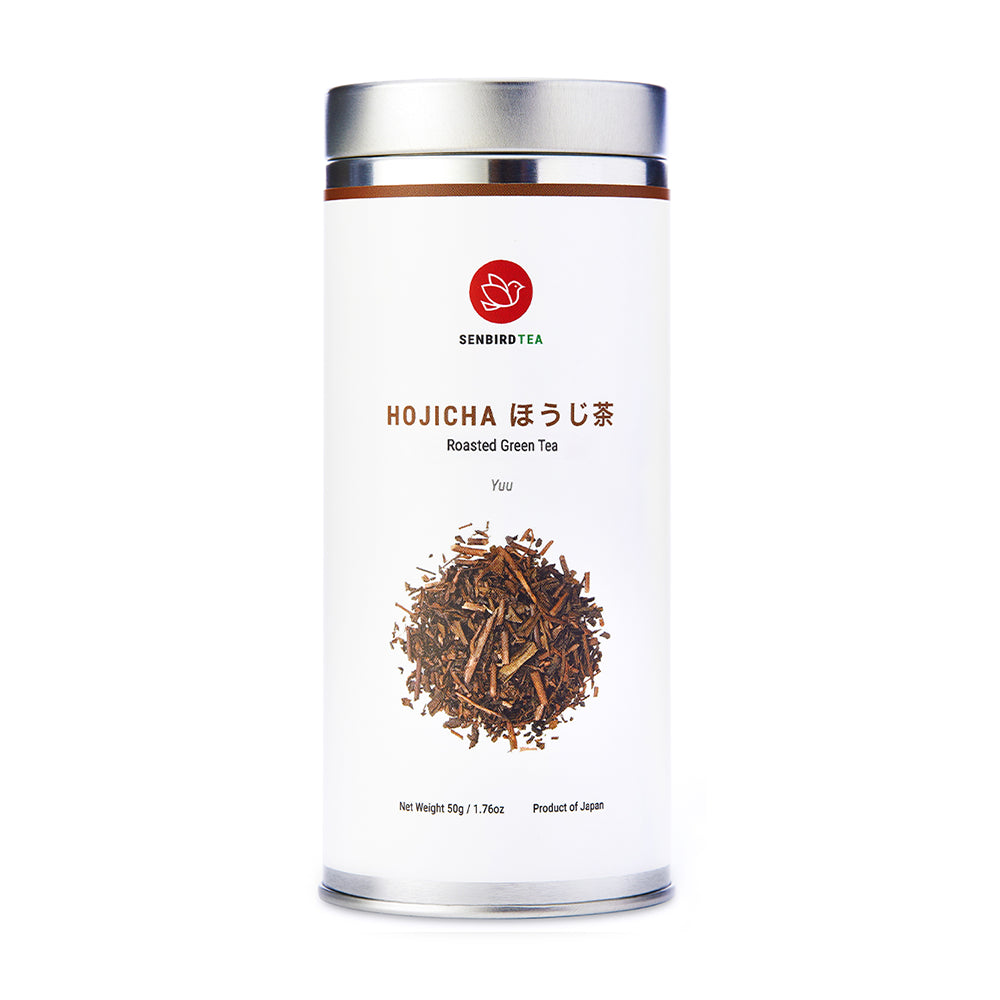
Senbird Tea's Hojicha Yuu roasted green tea is the best featured product for this article because it gives readers a true Japanese green tea option while staying aligned with the lower-caffeine evening angle.
That said, hojicha is still made from tea leaves, so it is not caffeine-free. If caffeine affects you strongly, treat hojicha as an early-evening tea rather than a last cup right before bed. A good starting point is to enjoy it after dinner or a few hours before sleep and pay attention to how your body responds.
If you want the broader category, explore hojicha roasted green tea for roasted loose leaf and powder options. For bedtime-adjacent sipping, loose leaf hojicha is usually the gentler fit.

If even hojicha feels too stimulating, switch from green tea to a caffeine-free Japanese herbal tea. This keeps the warmth and ritual of tea while removing caffeine from the equation.
Roasted brown rice tea is naturally caffeine-free because it is made from roasted sweet brown mochi rice, not tea leaves. It has a soft toasted aroma that works well after dinner or during a quiet evening routine.
For a deeper roasted cup, black soybean tea brings a mellow, savory-sweet flavor without caffeine. It is a good option when you want something warm and grounding but do not want any green tea caffeine at night.
If you prefer a nutty grain flavor, buckwheat tea is another caffeine-free choice that feels simple, clean, and easy to return to.

The best timing depends on your sensitivity, but these guidelines are a helpful place to start:
Preparation matters too. Hotter water and longer steeping can draw out a stronger cup. If you want a softer evening brew, keep the portion modest, avoid over-steeping, and make the ritual slow rather than strong.
The real answer is personal. If green tea before bed keeps you awake, listen to that. Move green tea earlier and keep the evening ritual with caffeine-free Japanese tea instead.
Yes, but choose carefully. Hojicha is the best true green tea for evening because it is roasted and generally lower in caffeine. Sencha, matcha, and gyokuro are better earlier in the day for most people.
It can, especially if you drink higher-caffeine teas close to bedtime. Caffeine sensitivity varies, so the same cup may feel gentle to one person and stimulating to another.
Hojicha is usually the best green tea before bed because it has a mellow roasted flavor and a generally lower caffeine profile than sencha, matcha, or gyokuro.
No. Hojicha is lower in caffeine than many green teas, but it is not caffeine-free. If you need zero caffeine, choose a Japanese herbal tea such as Genmaicha Tsukimi, Kuromamecha Yui, or Sobacha Aiji.
A practical starting point is to stop higher-caffeine green teas several hours before bed and reserve hojicha or caffeine-free herbal teas for the evening. If you are caffeine-sensitive, move all green tea earlier in the day.
ほうじ茶優
A low-caffeine roasted green tea from Shizuoka with a smooth, toasty flavor, ideal for digestion and evening relaxation.