Hojicha vs matcha is a comparison between two Japanese green teas with very different flavors, caffeine levels, colors, and daily uses. Matcha is always a shade-grown powdered green tea, while hojicha can be either loose leaf roasted tea or roasted green tea powder. For the closest equal comparison, matcha powder should be compared with hojicha powder because both are whisked or blended directly into drinks.
The simplest answer is this: choose matcha when you want a fresh, vivid powder for focus, lattes, smoothies, or a morning ritual. Choose hojicha powder when you want a roasted, comforting latte or dessert ingredient with a gentler feel, and choose loose leaf hojicha when you want a simple steeped cup for the afternoon or evening. All three come from Japanese green tea, but their processing and format make them feel almost like opposite sides of the same tradition.
This guide compares hojicha and matcha in the way most tea drinkers actually choose between them: taste, caffeine, preparation, lattes, desserts, and the best moment to drink each one. It also clarifies an important point that often gets missed in matcha vs hojicha comparisons: matcha is always a powder, while hojicha can be enjoyed as loose leaf tea or as roasted tea powder.

The first difference between hojicha vs matcha is format. Matcha is powdered green tea. It is not steeped and removed like loose leaf tea. Instead, the powder is whisked directly into water, so the full leaf becomes part of the cup.
Hojicha is different because the word refers to roasted Japanese green tea as a category. It can be loose leaf hojicha, which is steeped like tea, or hojicha powder, which is ground after roasting and used for lattes, desserts, and baking.
So the fairest comparison depends on the context. For traditional tea drinking, this article compares matcha powder with loose leaf hojicha. For lattes and sweets, it compares matcha powder with hojicha powder. In both cases, the core difference is the same: matcha is shaded and stone-ground; hojicha is roasted for a warmer, lower-caffeine profile.

Matcha is a finely ground Japanese green tea powder made from tencha. Tencha is grown under shade before harvest, then steamed, dried, and separated from its stems and veins before grinding. The shading step is important because it gives matcha its vivid green color, smooth umami taste, and naturally rich aroma.
When you drink matcha, you are drinking the powdered leaf itself. That is why matcha tastes more concentrated than steeped tea and why its color is so intense. A well-prepared bowl of matcha can taste creamy, vegetal, lightly sweet, and savory, with a smooth texture that comes from proper whisking.
For everyday preparation, matcha green tea powder works well as a straight whisked tea, iced matcha, matcha latte, smoothie ingredient, or dessert flavor. The powder format is one reason matcha is so recognizable in modern cafes and home kitchens.

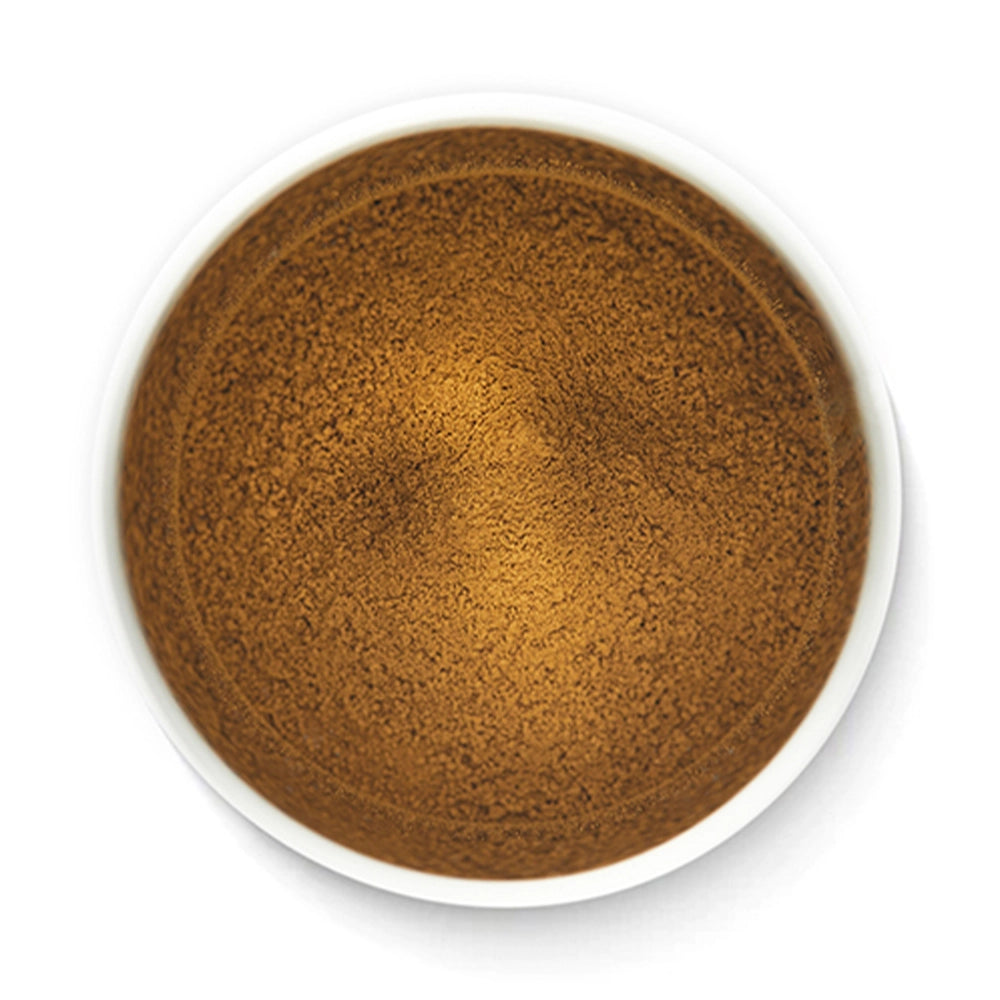
Hojicha is roasted Japanese green tea. It may be made from leaves, stems, or a blend, but roasting is what defines it. Instead of staying green and grassy, the tea turns amber-brown and develops a toasty aroma that can feel nutty, mellow, lightly sweet, or caramel-like.
This roasting step changes the entire drinking experience. Hojicha has less of the bright vegetal taste associated with many Japanese green teas. It is smoother, warmer, and usually less bitter, which makes it easy to enjoy plain and especially comforting with milk.
For a classic steeped cup, loose leaf roasted green tea gives hojicha its traditional roasted depth. For cafe-style drinks, hojicha powder is more practical because it blends directly into milk, cream, batters, and dessert bases.

Hojicha and matcha begin inside Japanese tea culture, but they move in opposite sensory directions. Matcha is shaded, powdered, and vividly green. Hojicha is roasted, usually steeped or powdered after roasting, and amber-brown. One feels fresh and energizing; the other feels warm and grounding.
| Category | Matcha | Hojicha |
|---|---|---|
| Tea style | Shade-grown Japanese green tea powder | Roasted Japanese green tea, loose leaf or powder |
| Processing | Shaded, steamed, dried, deveined, stone-ground | Green tea leaves or stems roasted at high heat |
| Color | Bright jade green | Amber, chestnut, or reddish brown |
| Taste | Umami, grassy, creamy, fresh | Toasty, nutty, mellow, lightly sweet |
| Caffeine | Higher caffeine | Lower caffeine |
| Best time | Morning or early afternoon | Afternoon or evening |
| Best preparations | Whisked tea, iced matcha, lattes, smoothies | Steeped tea, hojicha lattes, desserts, baking |

Caffeine is one of the most useful ways to choose between matcha and hojicha. Matcha usually has more caffeine because the powdered leaf is consumed directly. That makes it a better fit when you want a tea for a clear morning start, focused work, studying, or a coffee alternative.
Senbird Tea's Matcha Towa is especially useful for everyday matcha routines because it works in both whisked tea and lattes. It gives the bright green color and smooth taste people expect from matcha without making the preparation feel overly formal.
Hojicha is usually much lower in caffeine. Roasting gives it a softer character, and many hojicha styles use mature leaves or stems that naturally produce a gentler cup. That is why hojicha often feels right after lunch, after dinner, or when you want something warm without the same lift as matcha.
If your main question is caffeine, the answer is simple: matcha is the more energizing option, while hojicha is the gentler option. If you keep both at home, matcha can support the first half of the day and hojicha can support the slower half.

Flavor is where matcha vs hojicha feels most dramatic. Matcha tastes green and concentrated. Depending on grade and preparation, it can be creamy, grassy, savory, lightly sweet, or slightly brisk. Its vivid color matches its flavor: fresh, full, and unmistakably green.
Hojicha tastes warmer and rounder. The roast removes much of the sharpness people sometimes associate with green tea and replaces it with notes that can feel nutty, woody, caramel-like, or gently smoky. It is still Japanese green tea, but it does not taste like a typical green tea.
For newcomers, matcha can feel more distinctive and intense, while hojicha can feel more familiar and cozy. If you like fresh green flavors, matcha may be more exciting. If you like roasted grains, toasted nuts, or mellow cafe drinks, hojicha may be easier to love immediately.

Matcha preparation is active. You sift the powder, add warm water, and whisk with a bamboo chasen until the surface becomes smooth and lightly foamy. This method is part of what makes matcha feel ritualized and focused.
Loose leaf hojicha preparation is simpler. You steep the roasted tea in hot water, strain, and drink. Because the flavor is already mellow and roasted, hojicha is forgiving and easy to brew. It also re-steeps well, giving you a second cup with softer aroma.
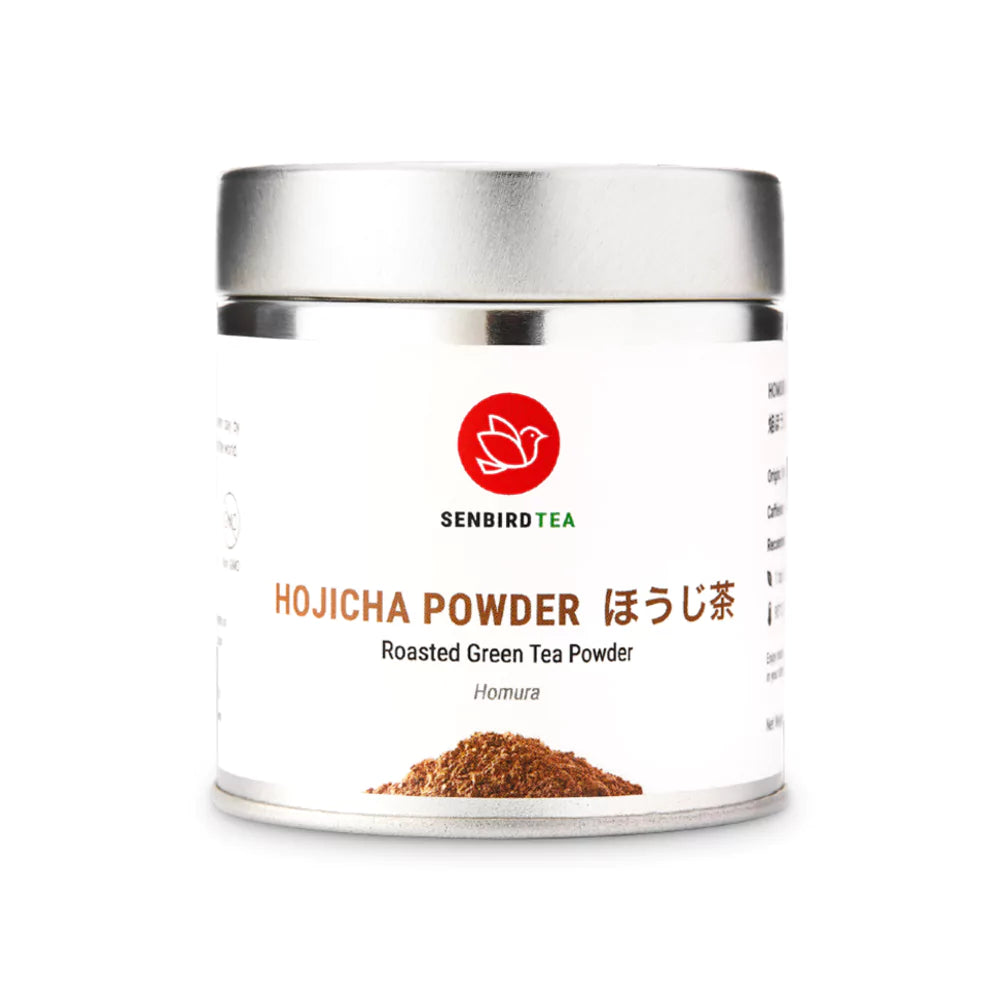
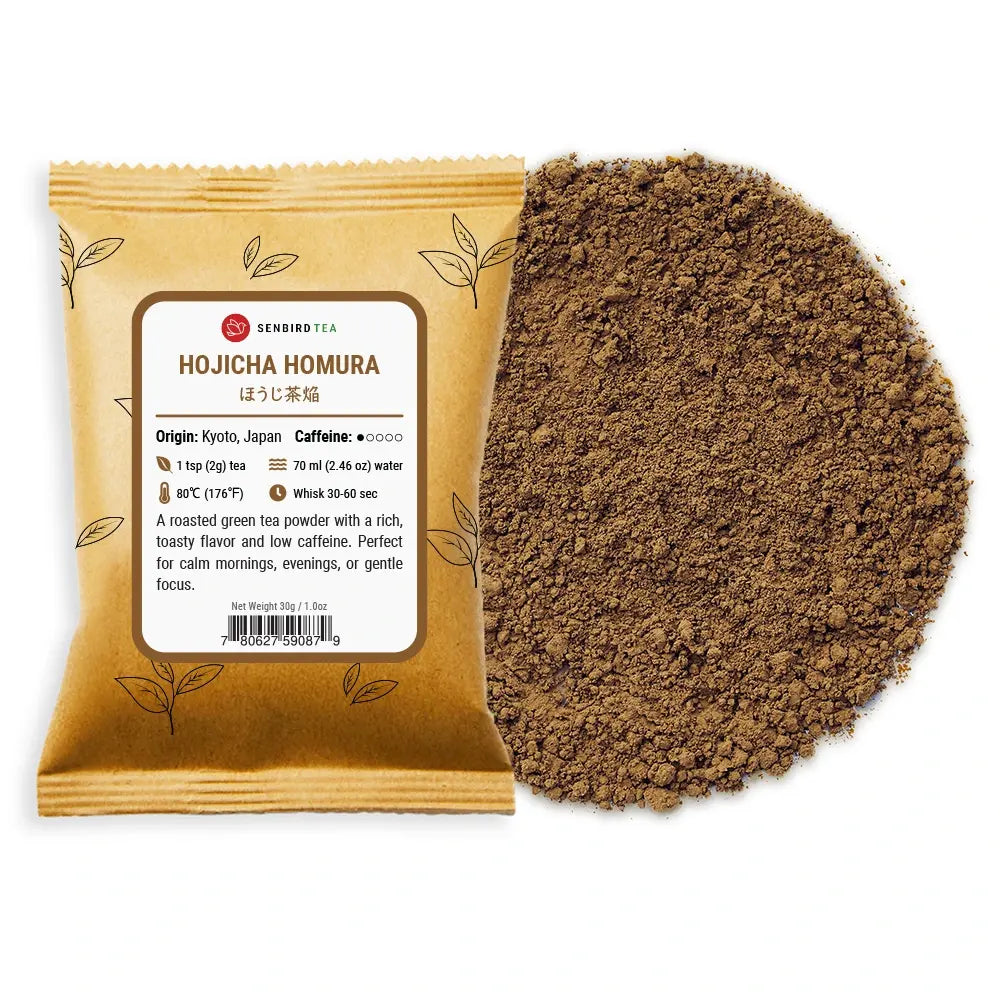
Hojicha powder works more like matcha powder in technique, but the flavor result is completely different. Instead of a bright green cup, hojicha powder creates a roasted brown latte or dessert base. Senbird Tea's Hojicha Homura is the better format when your goal is a hojicha latte, hojicha tiramisu, ice cream, cookies, or other sweets.

When people ask about hojicha powder vs matcha powder, they are usually thinking about lattes, baking, or cafe-style drinks. Both powders can be whisked or blended into milk, but they should not be treated as interchangeable.
Matcha powder brings color, freshness, and a strong green tea identity. It is ideal when you want a vivid green latte, a grassy-sweet dessert, or a smoothie with a recognizable matcha taste. It can become bitter if overheated or overused, so measurement and water temperature matter.
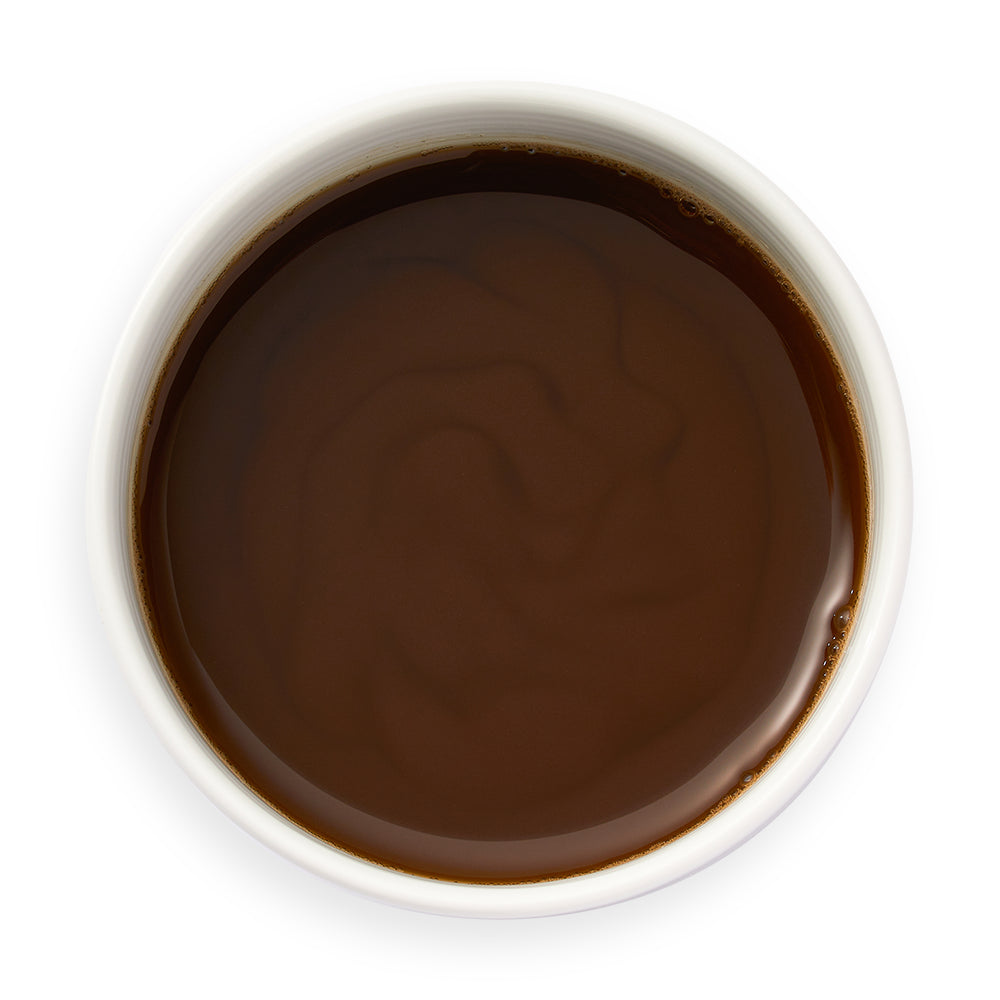
Hojicha powder brings roast, warmth, and a softer brown color. It is ideal when you want a latte that feels closer to roasted grain, cocoa, or caramel without using coffee. Hojicha powder is also useful in desserts because the roasted flavor pairs naturally with milk, cream, chocolate, vanilla, and baked goods.
In short: matcha powder is best for brightness and color; hojicha powder is best for roasted depth and comfort.

Choose matcha if you want a more energizing Japanese tea, a vivid green color, a creamy umami taste, or a tea that works well in smoothies and bright lattes. Matcha is the stronger choice for mornings, work sessions, study time, and recipes where color matters.
Choose loose leaf hojicha if you want a comforting roasted tea to steep and sip. It is the stronger choice for afternoons, evenings, after-meal tea, or moments when you want something mellow and aromatic without the intensity of matcha.
Choose hojicha powder if you want a roasted latte or dessert ingredient. This is the format that competes most directly with matcha powder in cafes and recipes. It gives you the same powder convenience, but with a completely different flavor direction.
The best answer may be to keep both. Matcha and hojicha are not duplicates; they solve different moments. Matcha brings clarity and green freshness. Hojicha brings roasted warmth and calm. Together, they create a balanced Japanese tea routine from morning to evening.
Both, but in different contexts. Matcha is always a powder. Hojicha can be loose leaf tea or powder. For traditional tea drinking, the comparison is matcha powder vs loose leaf hojicha. For lattes and desserts, the comparison is matcha powder vs hojicha powder.
Yes. Hojicha is generally much lower in caffeine than matcha. Matcha is powdered whole leaf tea, while hojicha is roasted and often steeped from leaves or stems. Exact caffeine depends on the tea, serving size, and preparation.
Hojicha tastes toasty, nutty, mellow, and lightly sweet. Matcha tastes greener, creamier, more vegetal, and more umami-forward. Hojicha feels warm and roasted, while matcha feels fresh and vivid.
Yes. Matcha lattes are bright green, creamy, and energizing. Hojicha lattes are roasted, mellow, and cozy. Hojicha powder is especially useful for cafe-style lattes because it blends smoothly with milk.
Buy matcha first if you want energy, color, and a classic whisked tea ritual. Buy hojicha first if you want a lower-caffeine roasted tea that feels warm, mellow, and easy to drink. If you enjoy lattes, choose based on flavor: green and creamy for matcha, roasted and cozy for hojicha.
ほうじ茶焔
A roasted green tea powder with a rich, toasty flavor and low caffeine. Perfect for calm mornings, evenings, or gentle focus.