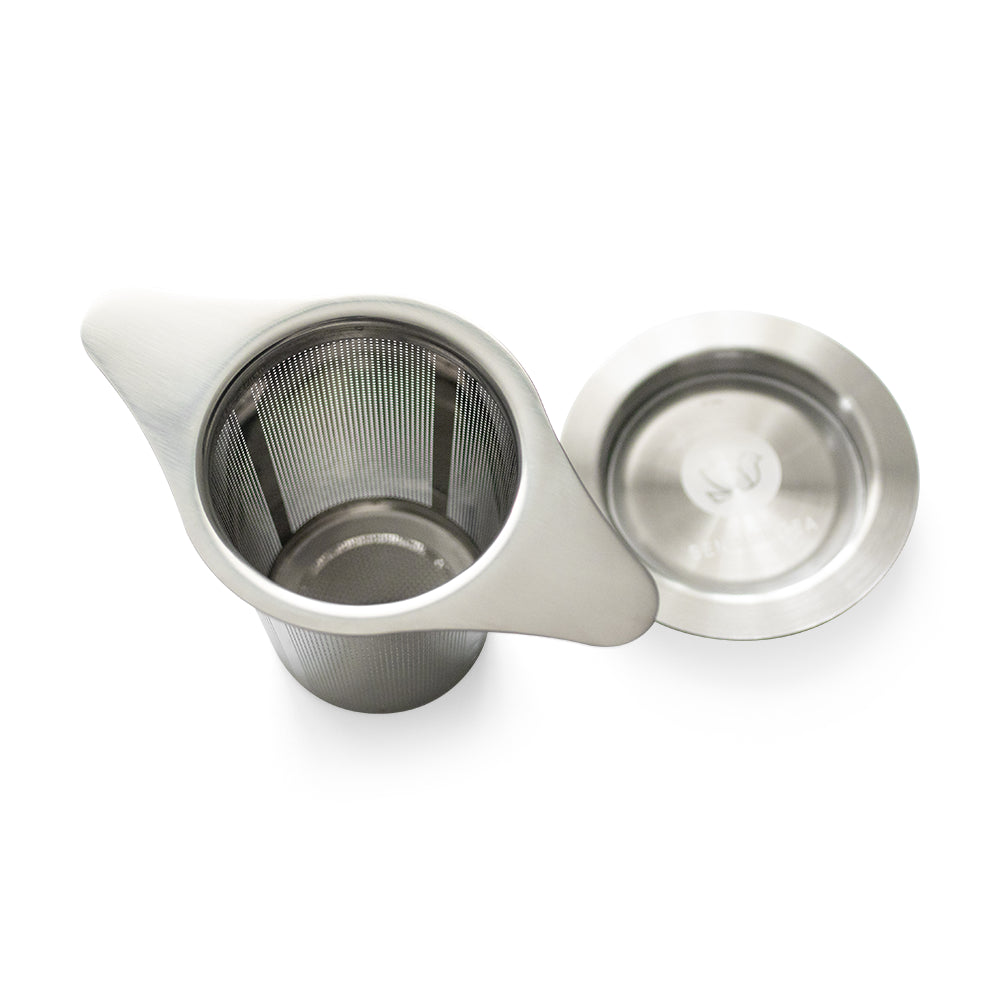
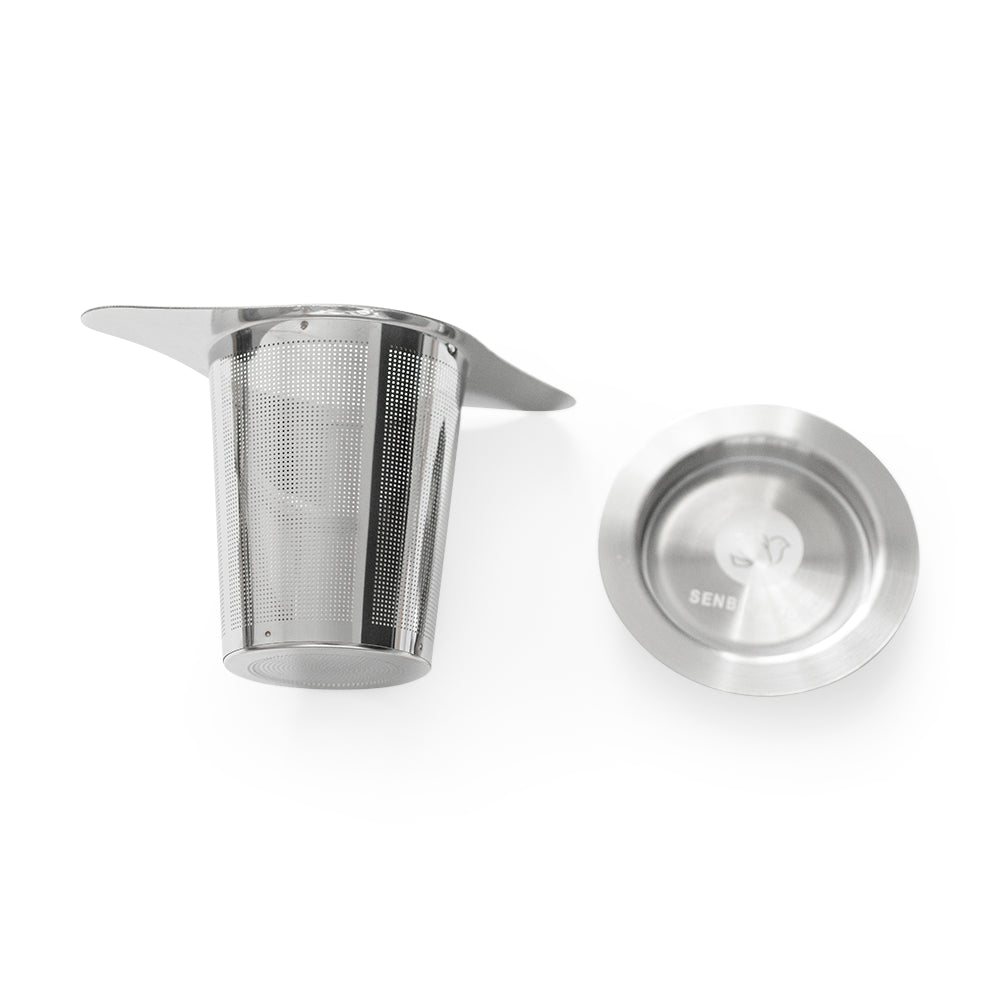
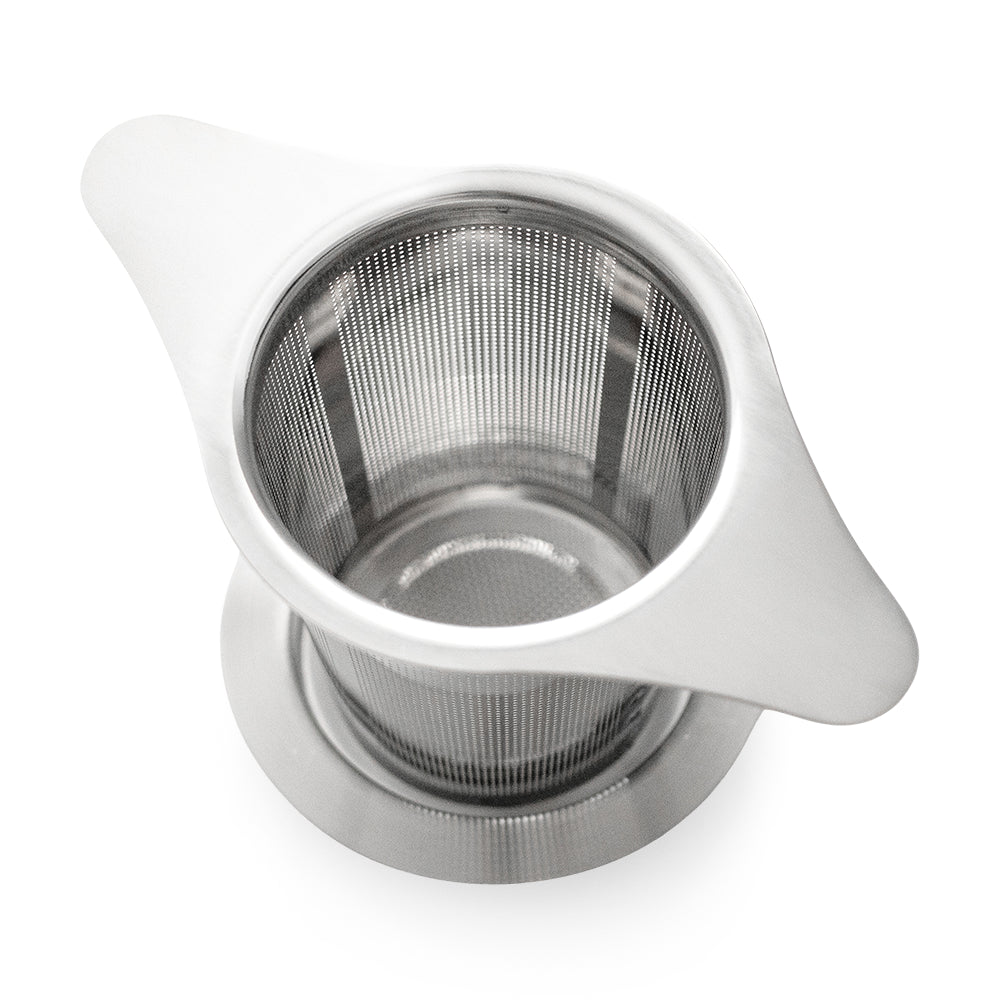
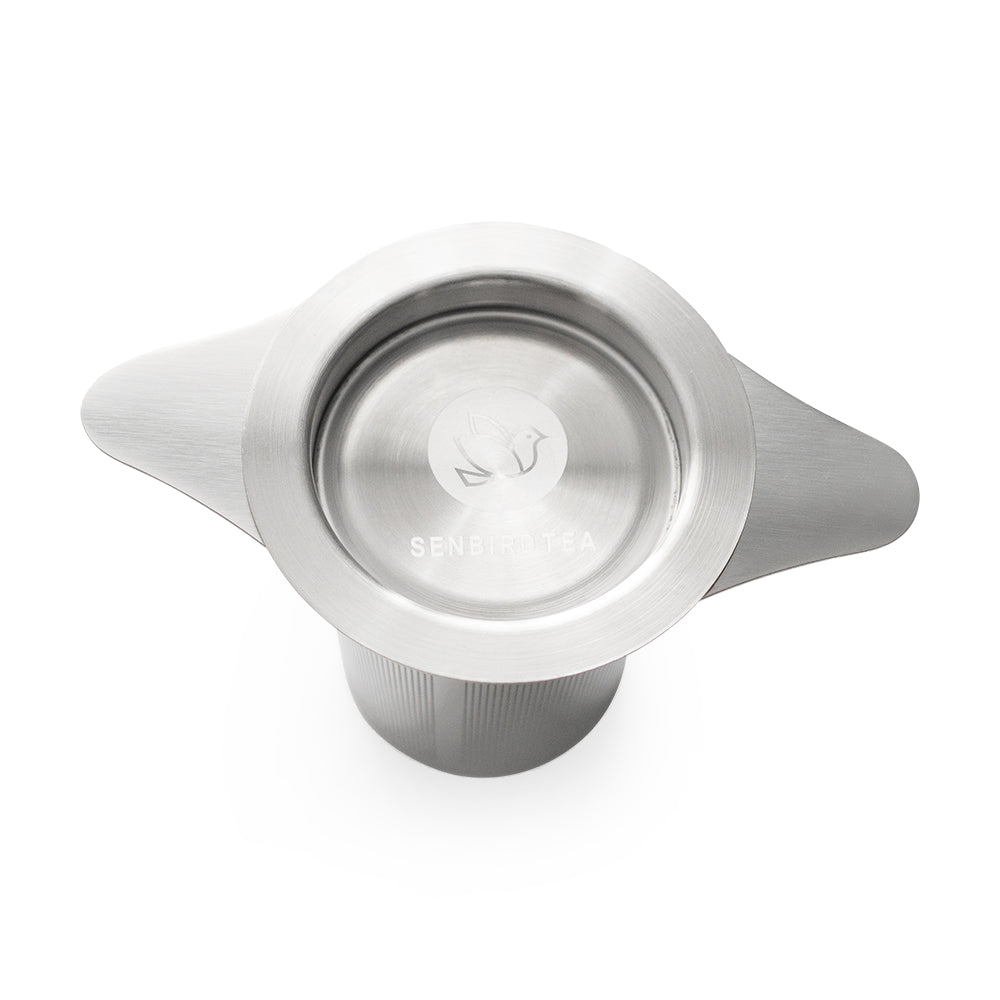
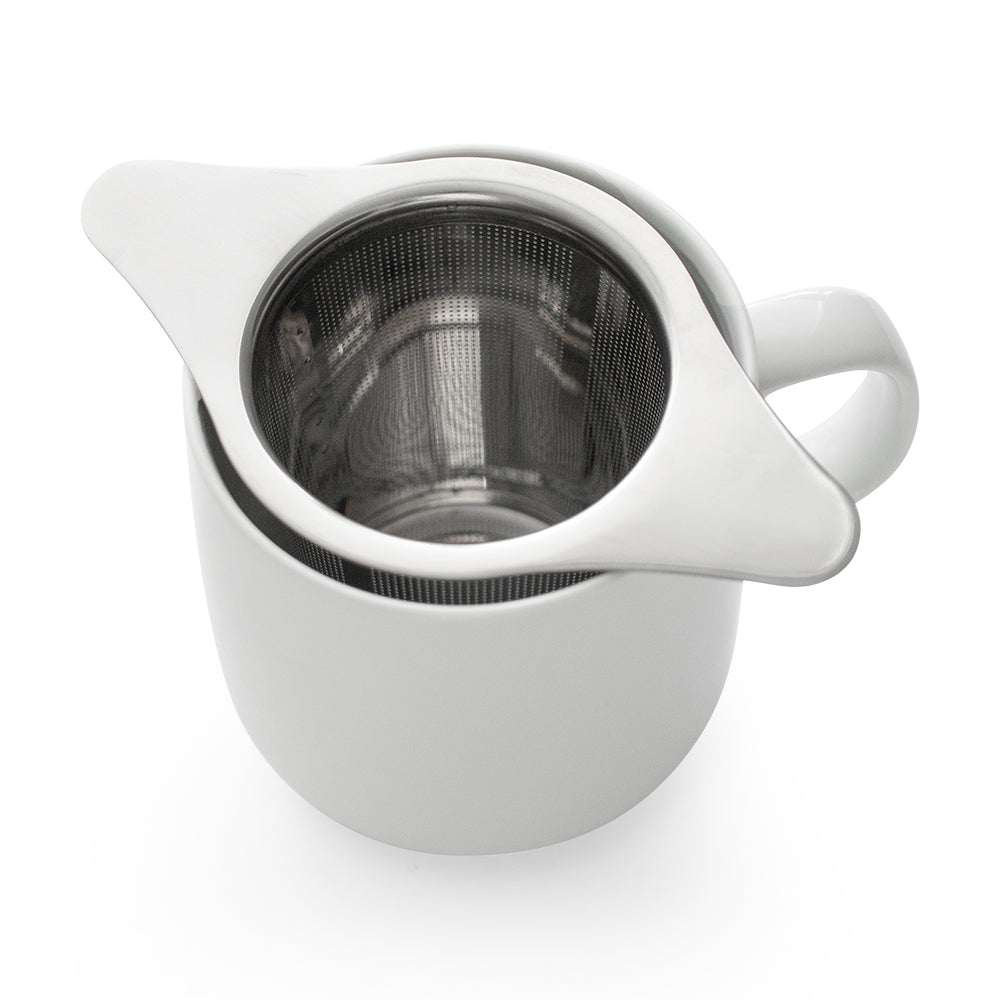
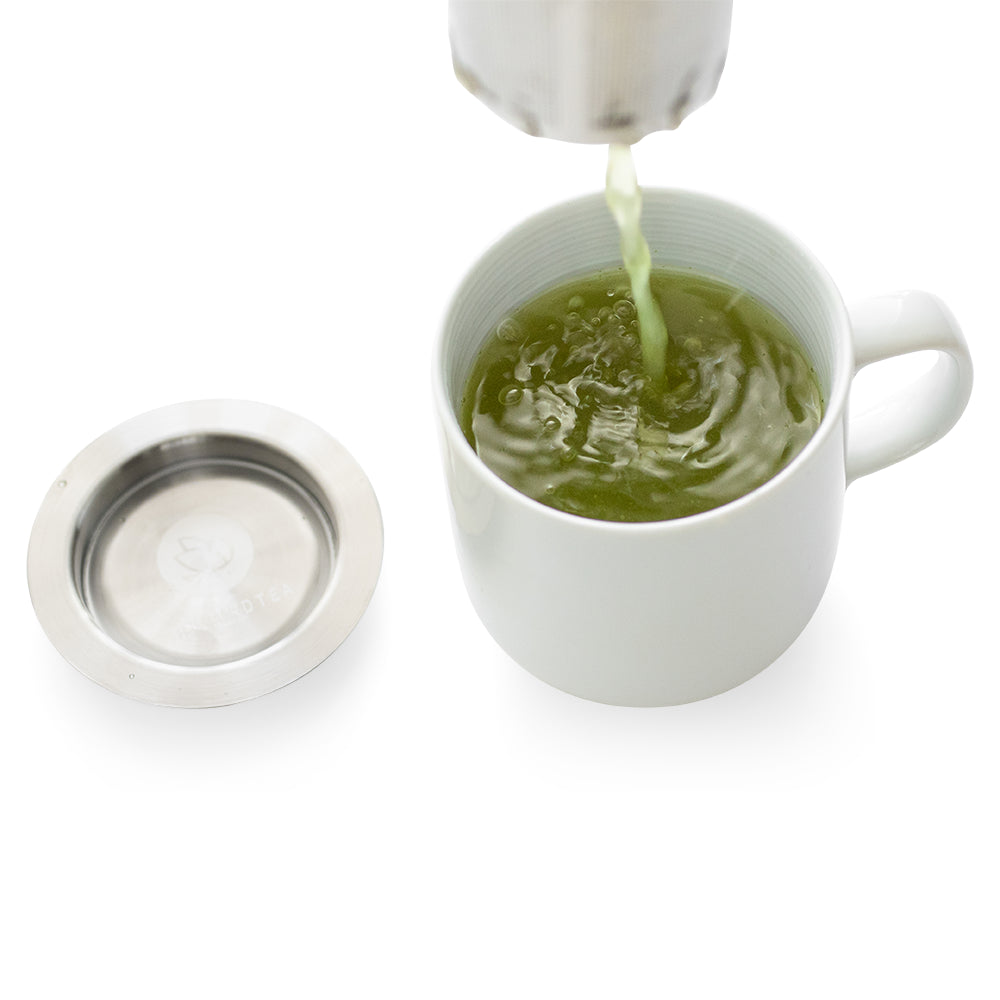
To avoid microplastics in tea, choose loose leaf tea brewed in a glass, ceramic, or stainless steel infuser instead of plastic or nylon tea bags. Research has found that certain plastic tea bags can release billions of microplastic particles into a single cup of hot water, making loose leaf brewing the most reliable way to keep plastic out of your tea.
The microplastics-in-tea issue gained widespread attention after a 2019 study from McGill University found that a single plastic tea bag steeped at brewing temperature released approximately 11.6 billion microplastic and 3.1 billion nanoplastic particles into the water. While the long-term health effects are still being studied, many tea drinkers now prefer to avoid the risk entirely by switching to loose leaf tea. Below, Senbird Tea explains where these microplastics come from and how to brew without them.

Microplastics are tiny fragments of non-biodegradable plastic less than 5 millimeters in size. They come from the breakdown of larger plastic products, synthetic textiles, and—relevant to tea drinkers—food packaging and tea bag materials. Microplastics have been found in drinking water, seafood, table salt, and now tea. While research on their health effects in humans is ongoing, studies in the journal Environmental Science & Technology have linked microplastic exposure to inflammation and cellular stress in laboratory settings.

Many tea brands use tea bags made from or sealed with polypropylene, a type of plastic that helps the bag hold its shape during brewing. When these bags are exposed to hot water (typically 175–212°F), the plastic begins to break down at the microscopic level, releasing microplastic and nanoplastic particles directly into the liquid. Even green tea bags that appear to be made of paper often contain a plastic sealant along the edges. Premium pyramid-shaped tea bags are frequently made entirely from nylon or PET (polyethylene terephthalate), which can release even more particles due to their larger surface area in contact with hot water.

The simplest and most effective approach is to switch to loose leaf tea entirely. Here are the specific steps:

| Loose Leaf Tea | Paper Tea Bags | Nylon/Plastic Tea Bags | |
|---|---|---|---|
| Microplastics | None | Low (sealant may contain some) | High (billions per cup) |
| Flavor Quality | Best (full leaf expansion) | Moderate (limited expansion) | Moderate |
| Environmental Impact | Minimal (compostable leaves) | Low-Moderate | High (non-biodegradable) |
| Cost per Cup | Often lower (reusable leaves) | Moderate | Higher (premium bags) |
Not all, but many do. Paper tea bags often use a polypropylene heat seal, and premium pyramid bags are typically made from nylon or PET plastic. Some brands now use fully compostable materials, but you need to check the packaging carefully. Loose leaf tea avoids the issue entirely.
A 2019 McGill University study published in Environmental Science & Technology found that a single plastic tea bag released approximately 11.6 billion microplastic particles and 3.1 billion nanoplastic particles into a single cup brewed at 95°C.
The health effects of ingesting microplastics are still being actively researched. Laboratory studies have shown that microplastics can cause inflammation and cellular stress, but long-term human health impacts are not yet fully understood. Many health-conscious consumers choose to minimize exposure as a precaution.
Senbird Tea sells loose leaf tea and matcha powder, not tea bags. Our teas are packaged without any plastic tea bag material, so there is zero risk of microplastic contamination from the brewing process.
In most cases, yes. Loose leaf tea offers better flavor (the leaves have room to fully expand), more control over brewing strength, lower environmental impact, and no microplastic risk. It is also often more cost-effective per cup since quality loose leaves can be re-steeped multiple times.
インフューザー
An easy-to-use stainless steel tea infuser perfect for brewing your loose-leaf tea in your cup.