Matcha is generally better than coffee for sustained energy and focus because it contains both caffeine (approximately 70 mg per serving) and L-theanine (30-46 mg), an amino acid that promotes calm alertness without the jittery peaks and crashes associated with coffee. While coffee delivers a faster caffeine spike (95 mg per 8-oz cup), matcha provides a gentler, longer-lasting energy curve of 4 to 6 hours, along with significantly higher antioxidant content.
The matcha vs coffee debate has intensified as more people seek alternatives to their daily coffee habit. Global matcha social media mentions surged over 60% year-over-year in 2025, and the "dirty matcha" trend - a shot of espresso combined with matcha - grew by 75% in search volume. But beyond the trends, the science behind how these two beverages affect your body, mind, and long-term health reveals meaningful differences. This comprehensive comparison examines everything from caffeine metabolism to antioxidant content to help you decide which drink deserves a place in your daily routine.
The information provided in this article is for educational and informational purposes only and is not intended as medical advice. It should not be used as a substitute for professional medical advice, diagnosis, or treatment. Always consult your physician or other qualified healthcare provider with any questions you may have regarding a medical condition or before making any changes to your diet or wellness routine.

Both matcha and coffee contain caffeine, but how your body absorbs and processes it differs dramatically.
A standard 8-ounce cup of brewed coffee contains approximately 95 mg of caffeine, though this varies widely by brewing method - espresso delivers about 63 mg per 1-oz shot, while cold brew can reach 200 mg per 8-oz serving. Coffee caffeine hits your bloodstream within 15 to 45 minutes, producing a rapid spike in alertness that typically lasts 3 to 5 hours before declining sharply.
A standard serving of matcha (2 grams of powder whisked with water) contains approximately 70 mg of caffeine. However, matcha caffeine is bound to catechin molecules, which slows its absorption in the digestive tract. This delayed release means matcha caffeine enters your bloodstream more gradually, producing a gentler onset and a more sustained energy curve lasting 4 to 6 hours without the crash that many coffee drinkers experience.
The critical differentiator is L-theanine. Matcha contains 30 to 46 mg of L-theanine per serving - an amino acid virtually absent in coffee. L-theanine crosses the blood-brain barrier and increases alpha brain wave activity, promoting a state of relaxed alertness. When combined with caffeine, L-theanine has been shown in clinical studies to improve attention and task switching while reducing the anxiety and jitteriness that caffeine alone can cause. This synergistic effect is what matcha enthusiasts describe as "calm energy."

| Nutrient (per serving) | Matcha (2g) | Black Coffee (8 oz) |
|---|---|---|
| Calories | 5 kcal | 2 kcal |
| Caffeine | 70 mg | 95 mg |
| L-Theanine | 30-46 mg | 0 mg |
| EGCG (antioxidant) | 60-100 mg | 0 mg |
| Chlorogenic Acid | Trace | 70-200 mg |
| ORAC Score | 1,384 units/g | ~300 units/g |
| Vitamin C | Trace | 0 mg |
| Fiber | 0.7 g | 0 g |
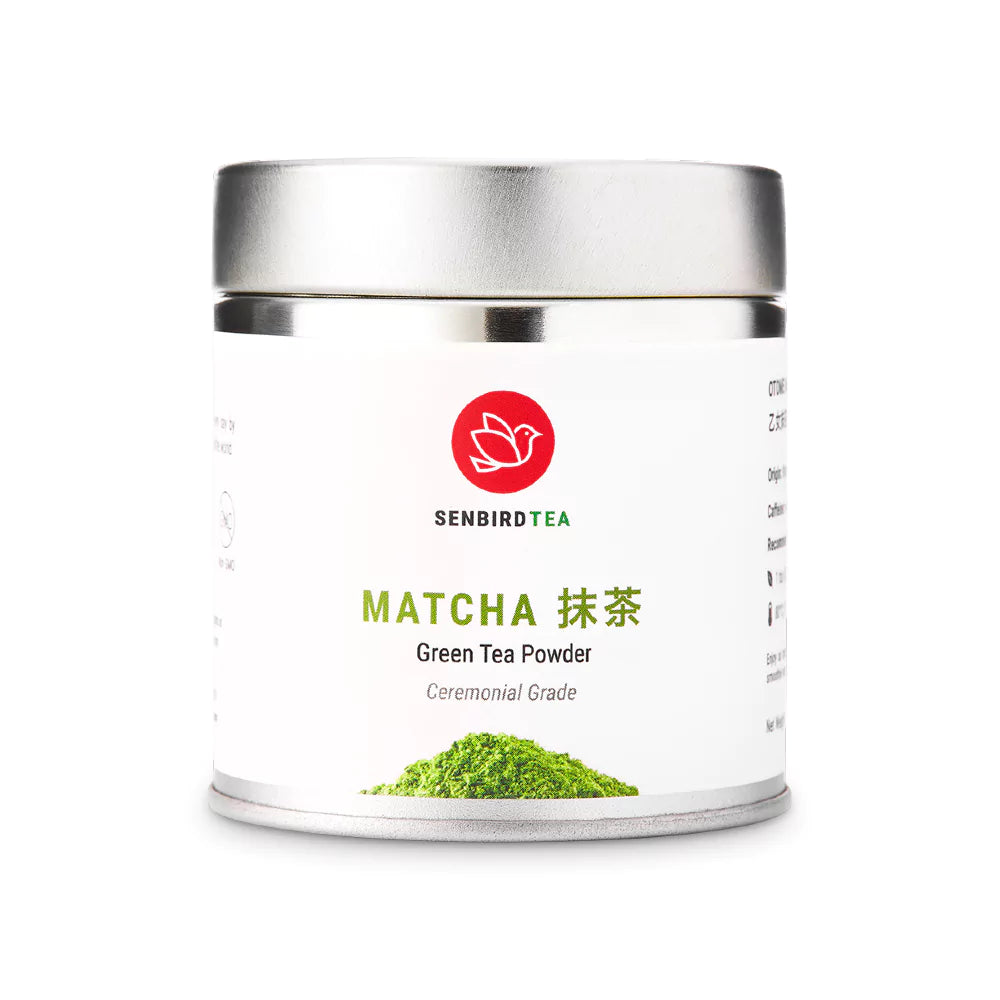
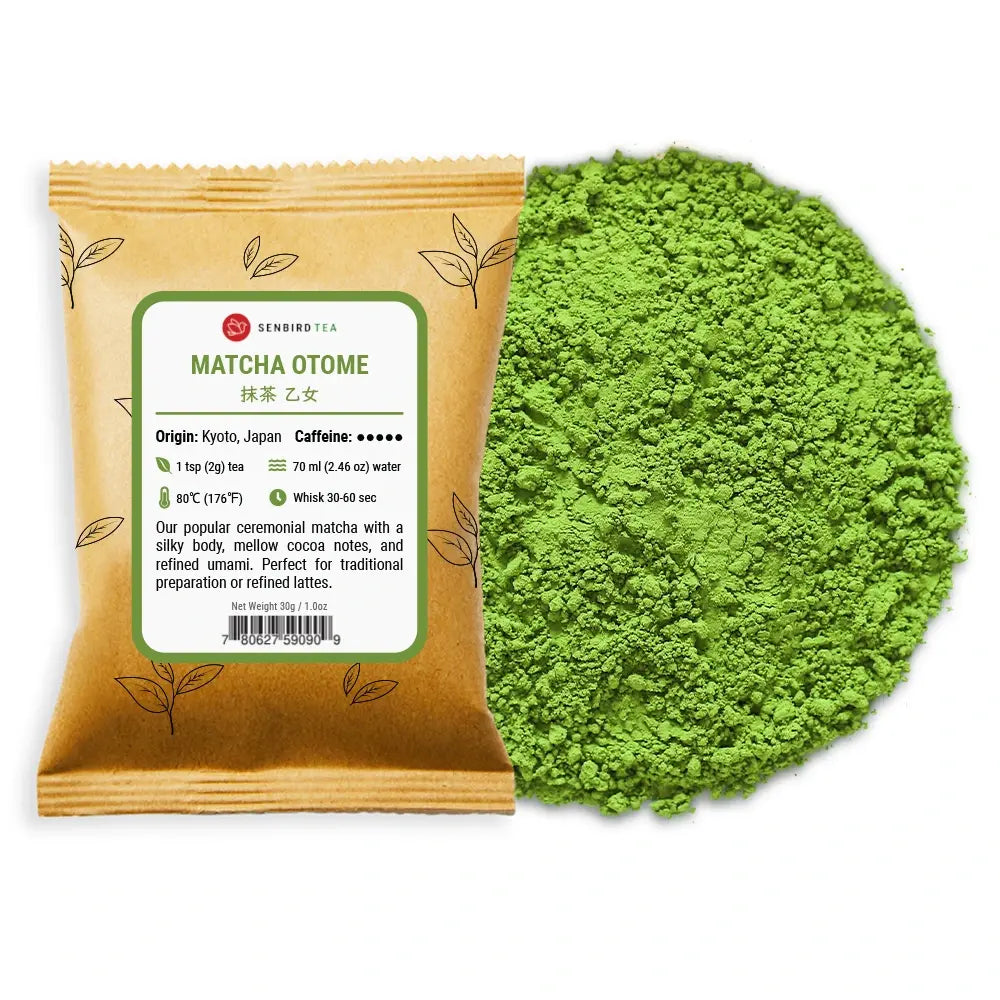
The antioxidant comparison is particularly striking. Matcha's ORAC (Oxygen Radical Absorbance Capacity) score of 1,384 units per gram is roughly 4.6 times higher than coffee's. This is because when you drink matcha, you consume the entire tea leaf in powdered form, ingesting all its nutrients rather than just what dissolves into steeped water. Senbird Tea's Matcha Otome is made from shade-grown tencha leaves that are ground into a smooth ceremonial-grade powder for a vivid, balanced cup.

Coffee acts primarily through one mechanism: blocking adenosine receptors in the brain, which prevents the sensation of drowsiness and increases dopamine signaling. This produces a rapid boost in alertness and mood, but it comes with trade-offs. Many people experience increased heart rate, restlessness, and anxiety at higher doses, and the energy crash as caffeine wears off can leave you more fatigued than before your first cup.
Matcha works through a dual mechanism. The caffeine component blocks adenosine receptors just as coffee does, but the L-theanine simultaneously increases alpha brain wave production - the same brain waves associated with meditation and relaxed concentration. A 2021 study published in Nutrients found that the combination of caffeine and L-theanine in matcha improved sustained attention and reaction time more effectively than caffeine alone. Participants reported feeling alert but calm, with none of the "wired" sensation common with coffee.
For people who need to focus for extended periods - students, professionals, creatives - matcha's gradual energy release and cognitive clarity make it a compelling alternative to the rapid spikes and crashes of coffee.

Heart health: Both beverages show cardiovascular benefits. Coffee drinkers (3-4 cups per day) have a 15% lower risk of cardiovascular disease according to a meta-analysis in the European Journal of Preventive Cardiology. Green tea consumption shows a similar 20-28% reduction in heart disease risk in large population studies. The mechanisms differ - coffee's chlorogenic acid reduces blood pressure, while matcha's EGCG improves endothelial function and reduces LDL oxidation.
Weight management: Matcha has a slight edge here. EGCG has been shown to increase fat oxidation during exercise by 17% compared to placebo in a study published in the American Journal of Clinical Nutrition. Coffee's caffeine also boosts metabolic rate, but without EGCG's specific effect on fat metabolism. Matcha's combination of EGCG, caffeine, and fiber makes it a more comprehensive metabolic support tool.
Gut health: Coffee is acidic (pH 4.85-5.10) and can irritate the stomach lining, particularly on an empty stomach. Matcha is less acidic (pH 7-8 when whisked with water) and contains catechins that have been shown to support healthy gut bacteria. People with sensitive stomachs or acid reflux often find matcha easier to tolerate than coffee.
Dental health: Coffee is a notorious teeth stainer due to its tannin content and acidity. Matcha contains fluoride and catechins that actually inhibit the bacteria responsible for plaque formation, making it significantly less damaging to dental health.

Choose coffee when: you need an immediate energy boost for a short task, you enjoy the ritual and flavor of coffee, you tolerate caffeine well without anxiety, or you prefer the social culture of coffee shops.
Choose matcha when: you need sustained focus for hours, you are sensitive to caffeine's anxious effects, you want maximum antioxidant intake, you prefer a smoother energy experience, or you want to reduce your acid intake. Senbird Tea's Matcha Towa is an everyday matcha powder for building that smoother energy ritual into a morning or afternoon routine.
Try both (dirty matcha): The trending "dirty matcha" combines a shot of espresso with a whisked matcha bowl, delivering coffee's immediate kick alongside matcha's sustained L-theanine calm. It is the fastest-growing matcha preparation style in 2026, up 75% in global search volume.
Matcha provides more antioxidants per serving (ORAC score of 1,384 units/g vs coffee's ~300), contains L-theanine for calm focus, and delivers fiber and EGCG that coffee lacks. Coffee offers higher chlorogenic acid content and more immediate energy. For overall nutrient density and sustained cognitive benefits, matcha has the edge, though both are healthy choices when consumed in moderation.
Yes. A serving of matcha provides approximately 70 mg of caffeine, so two servings match a standard cup of coffee. Many people who switch from coffee to matcha report sustained energy without afternoon crashes after a 1 to 2 week adjustment period. The transition is easiest when done gradually - replacing one coffee per day with matcha over the course of a week.
Matcha is significantly less likely to cause jitters because L-theanine counteracts caffeine's anxiogenic effects. Clinical studies show that L-theanine increases calming alpha brain wave activity while caffeine provides alertness, resulting in a focused calm rather than the restless energy many coffee drinkers experience at higher doses.
Dirty matcha is a hybrid beverage combining whisked matcha with a shot of espresso, typically served over ice with milk. It originated in specialty coffee shops and became a major trend in 2025-2026, growing 75% in global search volume. It delivers both the immediate kick of espresso and the sustained L-theanine calm of matcha in a single drink.
Coffee contains more caffeine per standard serving: approximately 95 mg per 8-oz cup vs matcha's 70 mg per 2g serving. However, matcha's caffeine is released more slowly due to catechin binding, producing a gentler, longer-lasting energy curve of 4-6 hours compared to coffee's sharper 3-5 hour spike and crash cycle.
抹茶乙女
Our best-selling ceremonial Okumidori matcha with a silky body, mellow cocoa notes, and refined umami, perfect for traditional preparation or refined lattes.