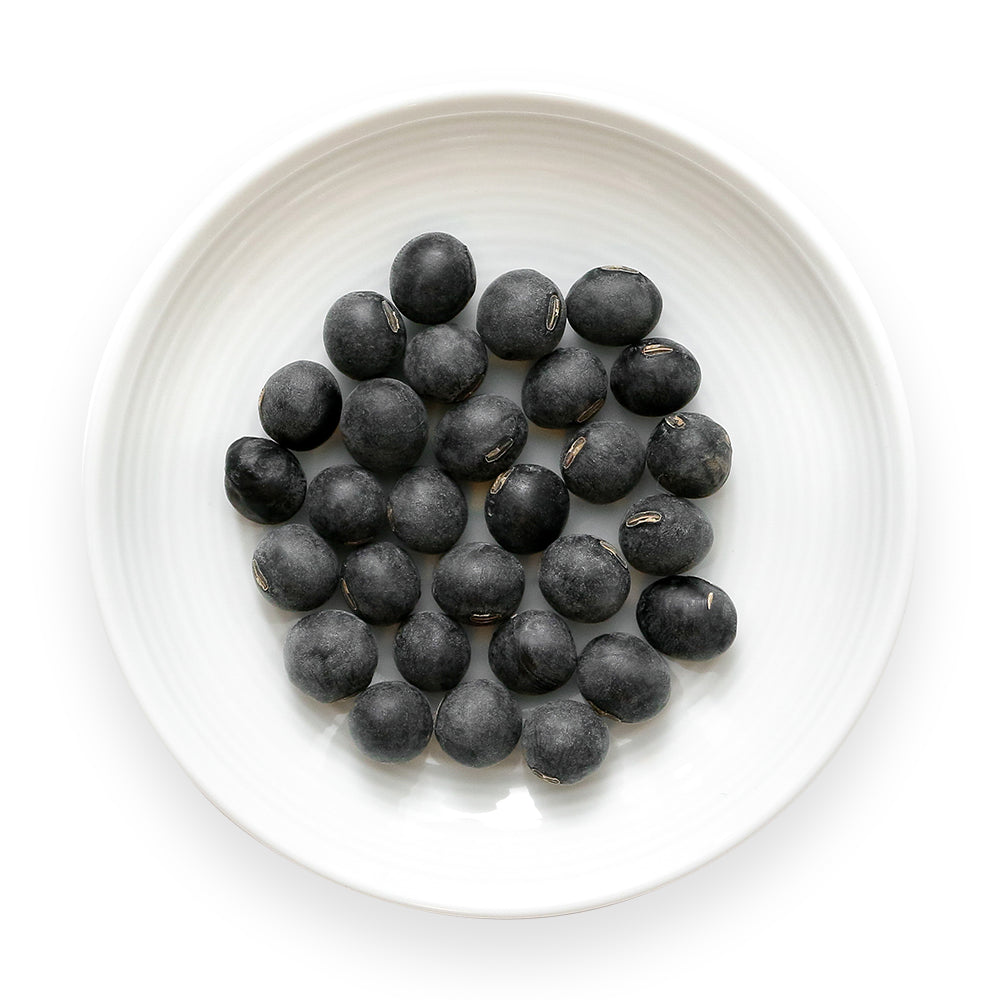
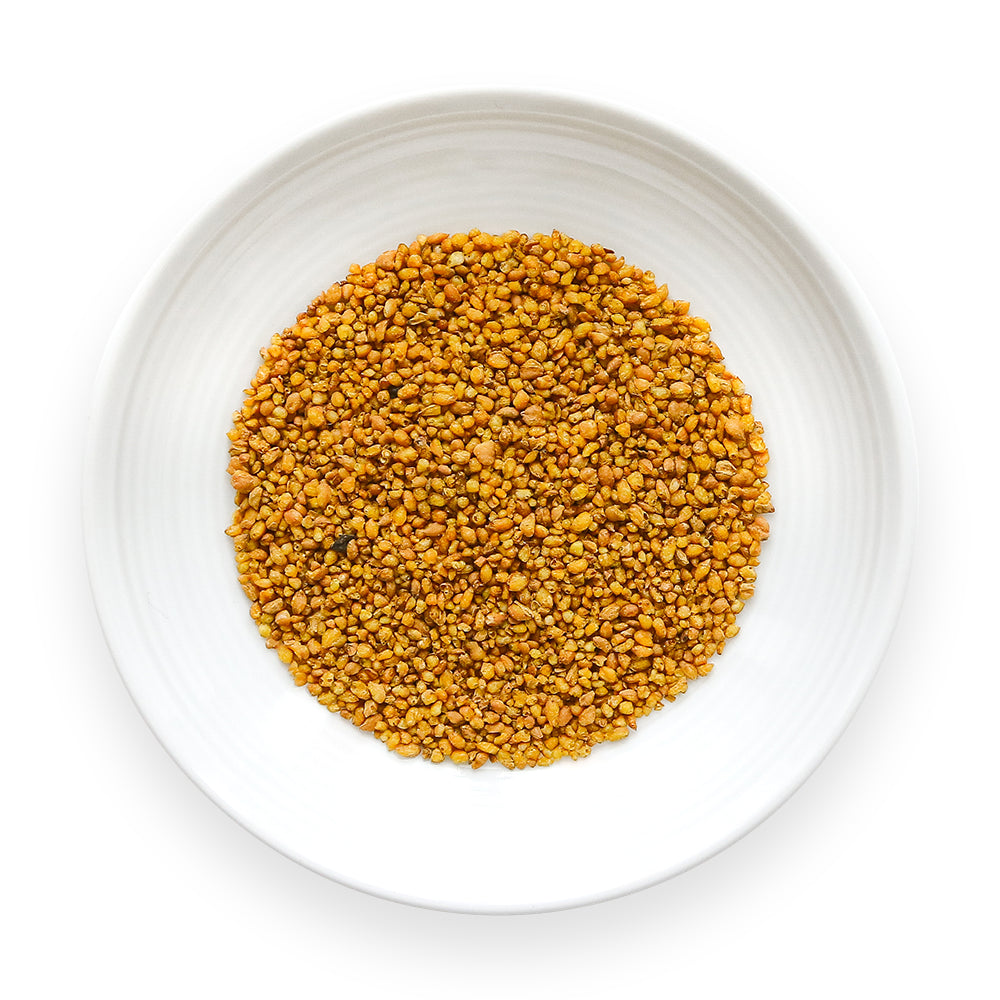
Kuromame (黒豆) — sweet simmered black soybeans — is one of the most symbolically important dishes in Japanese New Year cuisine (osechi ryōri), representing a wish for health, diligence, and perseverance in the year ahead. The word "mame" carries a double meaning in Japanese: it refers to beans but also means "hardworking" and "healthy," making kuromame a culinary expression of hope for an industrious, vibrant year. This centuries-old tradition connects food, language, and philosophy in a way that is distinctly Japanese, and at Senbird Tea, we celebrate kuromame as part of the broader cultural tapestry that also includes Japan's rich tea heritage.

Osechi ryōri (おせち料理) is the traditional Japanese New Year feast served during the first three days of January (sanganichi). The dishes are prepared in advance and arranged in tiered lacquer boxes called jūbako (重箱), typically two to five tiers containing 20–30 different items. Each dish carries specific symbolic meaning related to wishes for the coming year — prosperity, longevity, fertility, happiness, and good fortune. For a similar depth of flavor, try pairing traditional osechi with kuromamecha black soybean tea.
Kuromame occupies a place of honor in the first tier (ichi-no-jū) alongside kazunoko (herring roe, symbolizing fertility) and tazukuri (candied sardines, symbolizing abundant harvest). These three dishes are called the "three sacred treasures" (sanshuzakana or iwai-zakana) of osechi and are considered the most essential — a New Year celebration without them would be considered incomplete. The prominence of kuromame reflects how deeply the Japanese value the qualities it symbolizes: persistent effort and robust health.
The tradition of osechi dates to the Heian period (794–1185), when offerings of seasonal food were made to the gods during sekku (seasonal festivals). Over centuries, these ritual offerings evolved into the elaborate cuisine enjoyed today. According to surveys by the Japan External Trade Organization (JETRO), approximately 70% of Japanese households still prepare or purchase osechi ryōri for New Year, with kuromame consistently ranking among the most recognized and beloved components.

The symbolic significance of kuromame operates on multiple cultural levels. The most widely cited meaning stems from the linguistic connection: "mame ni hataraku" (まめに働く) means "to work diligently" or "to live healthily," making kuromame a delicious pun — eating beans literally means consuming a wish for industrious health. This wordplay exemplifies the Japanese love of auspicious linguistic associations (engi) in food culture.
The black color of the soybeans adds another layer of meaning. In traditional Japanese cosmology influenced by Chinese wuxing (five elements) philosophy, black is associated with warding off evil spirits and misfortune. Black foods were believed to possess protective power, and eating kuromame at the start of the year was thought to create a spiritual shield against negative influences. The glossy, wrinkle-free appearance of perfectly simmered kuromame is also important — smooth, plump beans symbolize a life free from wrinkles (metaphorically, free from hardship and aging).
Historically, kuromame also reflects Japan's agricultural heritage. Black soybeans — particularly the prized Tamba kuromame variety from Hyogo and Kyoto prefectures — have been cultivated in Japan for over 1,000 years. Tamba kuromame are significantly larger than standard soybeans, measuring 13–15 millimeters in diameter compared to 8–10 millimeters for regular varieties. Their cultivation requires meticulous care, including hand-planting, multiple rounds of mounding soil around the stalks, and careful timing of the harvest — embodying the very diligence they symbolize. Explore our selection of hojicha roasted green tea to enhance your tea experience.

Preparing kuromame is a multi-day process that requires patience — fitting for a dish symbolizing diligence. The traditional method involves slowly simmering dried black soybeans in a sweet soy sauce syrup until they are tender, glossy, and deeply flavored. While recipes vary by region and family tradition, the fundamental technique has remained largely unchanged for centuries.
Ingredients (serves 8–10): 250g dried black soybeans (preferably Tamba kuromame), 200g granulated sugar, 1 tablespoon soy sauce, 1/4 teaspoon salt, 1/4 teaspoon baking soda (optional, for tenderness), and 1 liter water. Some families add a rusty iron nail wrapped in gauze to darken the beans and boost iron content — a traditional technique still practiced in many households.
Method: Rinse the beans and soak overnight (8–12 hours) in the sweetened cooking liquid made by dissolving the sugar, soy sauce, salt, and baking soda in hot water. The next day, bring the pot to a gentle simmer — never a rolling boil, which causes the bean skins to split. Skim any foam that rises to the surface during the first 30 minutes. Reduce heat to the lowest possible setting, cover with a drop lid (otoshibuta), and simmer for 6–8 hours until the beans are completely tender and the liquid has reduced to a thick, glossy syrup. The beans should remain submerged throughout cooking — add hot water if the level drops below the surface.
The key to perfect kuromame is patience and low heat. Rushed cooking at higher temperatures produces beans with tough skins and mealy interiors. Many experienced cooks begin preparation on December 29th or 30th, allowing the beans to rest overnight in their syrup after cooking — this resting period allows the flavors to penetrate fully and produces the coveted glossy black finish.

Japanese tea and kuromame share a natural affinity that makes them ideal companions during New Year celebrations and beyond. The sweet, savory depth of kuromame pairs beautifully with the clean astringency of sencha, the roasted warmth of hojicha, and the rich umami of matcha. At Senbird Tea, we encourage pairing our Japanese teas with traditional New Year treats to enhance both the culinary and cultural experience.
| Tea Pairing | Why It Works | Flavor Interaction | Best Occasion |
|---|---|---|---|
| Sencha + Kuromame | Sencha's bright astringency cuts the sweetness | Clean, refreshing balance of sweet and vegetal | Afternoon New Year visits |
| Hojicha + Kuromame | Roasted notes complement soy sauce caramel flavors | Warm, toasty, harmonious depth | Evening relaxation |
| Matcha + Kuromame | Concentrated umami echoes the savory soy element | Rich, layered, ceremonial elegance | Formal New Year tea gatherings |
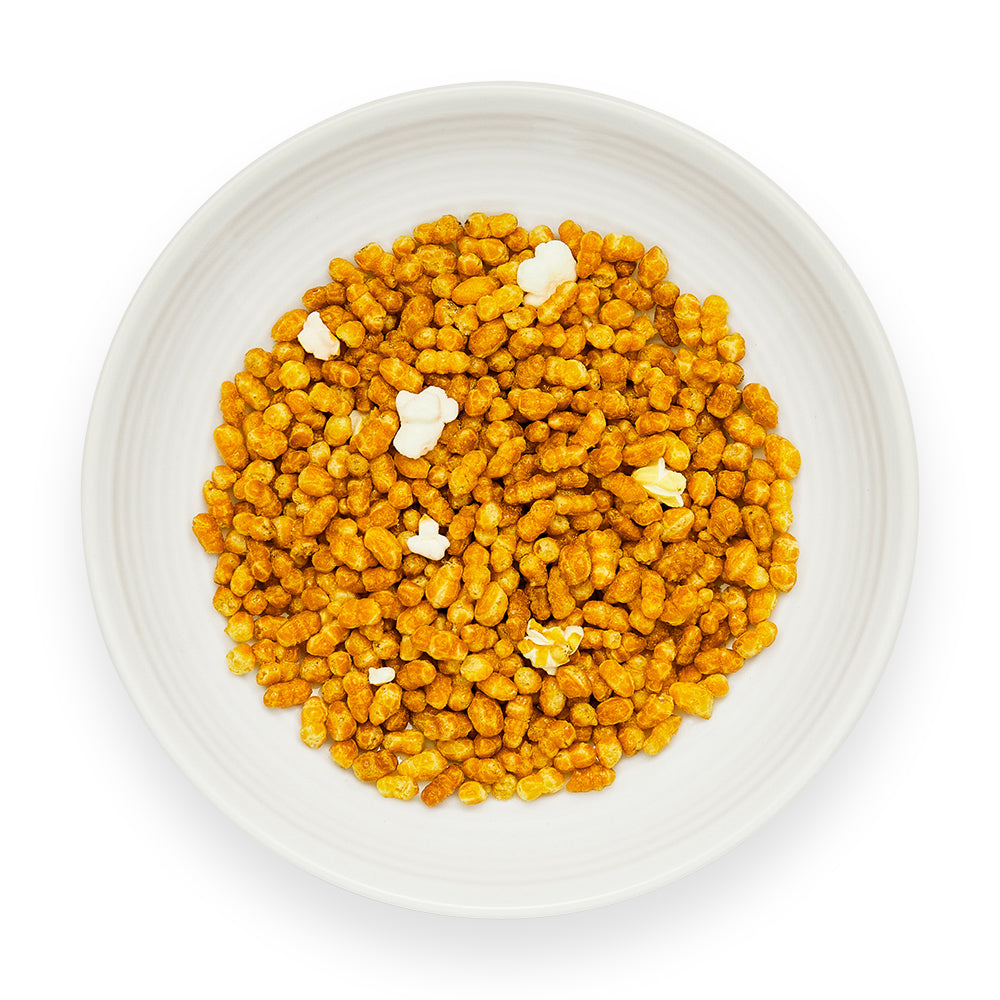
| Genmaicha + Kuromame | Roasted rice adds nutty dimension to the pairing | Nutty, wholesome, comforting | Casual family gatherings |
| Gyokuro + Kuromame | Intense sweetness meets the beans' subtle sugar | Deeply sweet, umami-rich complexity | Special occasion first-tea of the year |

In contemporary Japan, kuromame's symbolism resonates beyond its New Year origins. As modern life accelerates and traditional customs face pressure from changing lifestyles, kuromame has become a touchstone for reflecting on values that endure across generations. The act of preparing kuromame — a slow, deliberate, multi-day process that cannot be rushed — itself embodies the diligence and patience the dish represents. In an age of instant gratification, spending eight hours gently simmering beans is a meditative practice not unlike the mindful tea preparation that Senbird Tea promotes. A warm cup of genmaicha brown rice tea pairs naturally with these mindful food traditions.
Health-conscious consumers have also rediscovered kuromame's nutritional benefits. Black soybeans are rich in anthocyanins (the same antioxidant compounds that give blueberries their health reputation), isoflavones, plant-based protein (approximately 36g per 100g dried), and dietary fiber. Research published in the Journal of Agricultural and Food Chemistry (2017) found that black soybean anthocyanins demonstrated anti-inflammatory and cardiovascular protective properties, lending scientific support to the traditional belief that kuromame promotes health and vitality.
Kuromame symbolizes a wish for health, diligence, and perseverance in the coming year. The word "mame" means both "beans" and "hardworking/healthy" in Japanese, creating an auspicious linguistic connection. The black color of the soybeans represents protection against evil spirits in traditional Japanese cosmology. Smooth, glossy, wrinkle-free kuromame specifically symbolize a life free from hardship and premature aging. Together, these meanings make kuromame one of the three essential dishes in osechi ryōri New Year cuisine.
Kuromame are black soybeans that differ from regular yellow soybeans in several important ways. They contain anthocyanin pigments in their seed coat that provide potent antioxidant properties not found in yellow soybeans. The premium Tamba kuromame variety is significantly larger (13–15mm diameter vs. 8–10mm for standard soybeans) and has a creamier, richer texture when cooked. Kuromame have a slightly sweeter, nuttier flavor profile compared to the more neutral taste of yellow soybeans, making them ideal for the sweet simmered preparation used in osechi ryōri.
Making traditional kuromame requires approximately 24 hours total, including 8–12 hours of overnight soaking in sweetened liquid and 6–8 hours of gentle simmering at very low heat. An additional overnight rest in the cooking syrup after simmering is recommended to achieve the deepest flavor and glossiest finish. Most Japanese households begin preparation on December 29th or 30th to have the kuromame ready for New Year's Day on January 1st. The process cannot be meaningfully shortened without compromising the texture and appearance of the final dish.
Yes, ready-made kuromame is widely available at Japanese grocery stores, online retailers, and department store food halls (depachika) in Japan, particularly during the December New Year preparation season. Premium brands use Tamba kuromame and traditional slow-cooking methods, while more affordable options may use smaller soybean varieties. Ready-made kuromame typically comes in sealed pouches or decorative containers and can be stored refrigerated for several weeks. For those outside Japan, specialty Japanese food importers and online stores carry both traditional and premium kuromame options.
Hojicha and matcha are the most traditional pairings with kuromame. Hojicha's warm, roasted character complements the soy sauce and caramelized sugar notes in kuromame without competing for attention. Matcha's concentrated umami and slight bitterness create an elegant contrast to the sweetness. For a lighter pairing, sencha's clean astringency refreshes the palate between bites. Senbird Tea recommends experimenting with different Japanese teas alongside kuromame to discover which combination resonates most with your personal taste preferences.
ハーブティー ギフトセット
A caffeine-free Japanese herbal tea gift set featuring Sobacha, Kuromamecha, and Genmaicha—perfect for relaxation, wellness, and those who prefer gentle, soothing teas.