Hojicha tiramisu is a Japanese-inspired twist on the classic Italian dessert that replaces espresso with the warm, roasted flavor of hojicha green tea. This easy recipe from Senbird Tea creates creamy, layered tiramisu with toasty caramel notes from hojicha powder and brewed hojicha, delivering a unique dessert that is both familiar and excitingly different. With no baking required and simple assembly, hojicha tiramisu is an approachable project that produces an impressive result for dinner parties, holidays, or anytime you want an elegant treat.

Hojicha is the ideal tea for tiramisu because its roasted, caramel-like flavor mirrors the toasty depth that espresso brings to the traditional version. Unlike matcha, which can taste bitter or grassy when combined with mascarpone and sugar, hojicha delivers warm, nutty sweetness that complements dairy-rich cream layers beautifully. The roasting process that creates hojicha also reduces caffeine to roughly one-third of regular green tea levels, making this dessert suitable for evening enjoyment without affecting sleep.
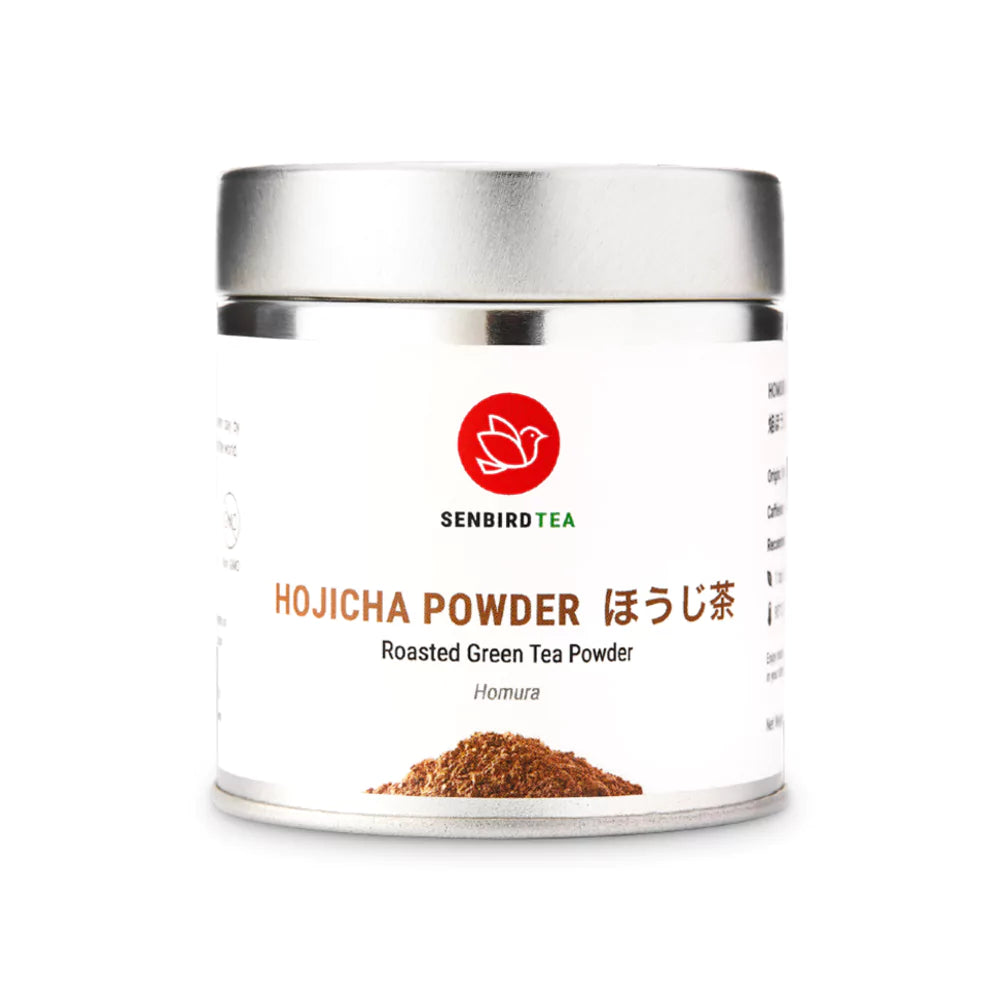
Senbird Tea sources premium hojicha powder from Japanese producers who roast tea leaves at precisely controlled temperatures to develop maximum caramel and toasted grain notes. Using quality hojicha powder is essential for tiramisu because the powder dissolves smoothly into both the soaking liquid and the mascarpone cream, distributing roasted tea flavor evenly throughout every layer. Lower-quality hojicha powders may clump or taste flat, so investing in culinary-grade powder from Senbird Tea makes a noticeable difference in the finished dessert.

This no-bake recipe requires minimal hands-on time and produces a tiramisu that serves 6 to 8 people. The mascarpone cream comes together in minutes, and the hojicha soaking liquid needs only a brief steeping before use.
| Component | Ingredient | Amount |
|---|---|---|
| Soaking liquid | Brewed hojicha tea | 1 cup, strong |
| Soaking liquid | Sugar | 2 tablespoons |
| Soaking liquid | Hojicha powder | 1 teaspoon |
| Cream filling | Mascarpone cheese | 16 oz (450g) |
| Cream filling | Heavy cream | 1 cup (240ml) |
| Cream filling | Powdered sugar | 1/2 cup (60g) |
| Cream filling | Hojicha powder | 1 tablespoon |
| Cream filling | Vanilla extract | 1 teaspoon |
| Assembly | Ladyfinger biscuits | 24 pieces |
| Garnish | Hojicha powder | For dusting |
The soaking liquid should taste noticeably sweet and intensely roasted, as the flavor will mellow once absorbed by the ladyfingers.
The finished cream should be smooth, uniformly tinted with hojicha, and thick enough to hold its shape between ladyfinger layers.

Before serving, dust the top generously with hojicha powder using a fine-mesh sieve for an even, professional finish. The powder dusting not only adds visual elegance but provides an extra burst of roasted tea aroma with each bite. Cut into squares or scoop with a large spoon for a more rustic, casual presentation.
Pair hojicha tiramisu with a cup of brewed hojicha from Senbird Tea for a fully immersive roasted tea dessert experience. The warm tea contrasts beautifully with the cold, creamy tiramisu. For variation, you can also serve alongside a light sencha or gyokuro to provide a refreshing counterpoint to the rich mascarpone cream. The tiramisu keeps well in the refrigerator for up to 3 days, though the ladyfingers will continue to soften over time.
For special occasions, consider making individual portions in small glasses or ramekins. Layer the soaked ladyfinger pieces and cream in each vessel for an elegant single-serving presentation that eliminates the need for cutting. Senbird Tea hojicha powder makes a stunning garnish dusted through a stencil on top of each individual serving for added visual impact.
Yes, matcha tiramisu is a popular variation that produces a vibrant green dessert with grassy, umami-rich flavor. However, hojicha is often preferred for tiramisu because its roasted, caramel-like flavor more closely replicates the toasty depth that espresso provides in traditional tiramisu. Matcha can taste slightly bitter in combination with sweet mascarpone cream, while hojicha blends seamlessly with dairy. Senbird Tea offers both premium hojicha and matcha powder, so you can try both versions and decide which you prefer.
Hojicha tiramisu actually improves with time, making it an ideal make-ahead dessert. You can assemble it up to 24 hours before serving for the best flavor melding and texture. The minimum resting time is 4 hours in the refrigerator, but overnight is optimal. The tiramisu keeps well for up to 3 days in the refrigerator when covered with plastic wrap. Add the hojicha powder dusting just before serving for the freshest appearance and aroma. Do not freeze tiramisu, as the mascarpone cream texture will change upon thawing.
Soggy ladyfingers are the most common tiramisu mistake, and the fix is simple: dip them quickly. Each ladyfinger should spend no more than 2 seconds per side in the hojicha soaking liquid. The biscuits continue to absorb moisture from the cream layers during refrigeration, so they should feel slightly firm when initially assembled. If you prefer a drier tiramisu, you can also brush the soaking liquid onto the ladyfingers with a pastry brush for even more control over the moisture level.
If mascarpone is unavailable, you can create a substitute by blending 8 ounces of cream cheese with 1/4 cup of heavy cream and 2 tablespoons of sour cream until smooth. This mixture approximates the rich, creamy texture of mascarpone with a slightly tangier flavor. Some bakers also use a combination of ricotta cheese blended until smooth with heavy cream. While these substitutes work well in hojicha tiramisu, authentic mascarpone from Senbird Tea's recommended recipe produces the smoothest, most luxurious texture.
Hojicha tiramisu is not completely caffeine-free, but it contains significantly less caffeine than traditional espresso-based tiramisu. Hojicha contains approximately 7 to 15 milligrams of caffeine per cup, compared to 60 to 100 milligrams in a shot of espresso. The amount of hojicha used in this tiramisu recipe from Senbird Tea contributes a very small caffeine amount per serving, typically under 10 milligrams, making it a suitable dessert option for those who are caffeine-sensitive or prefer to enjoy sweets in the evening.
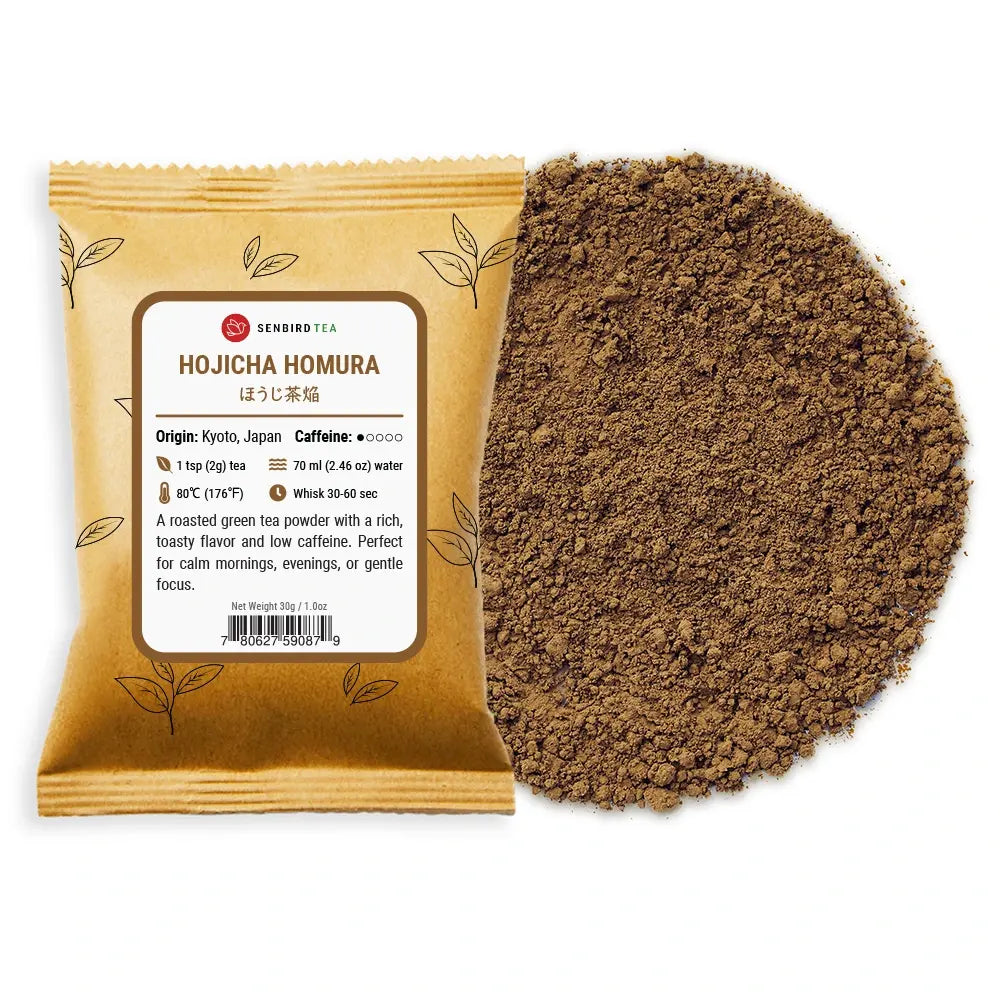
ほうじ茶焔
A roasted green tea powder with a rich, toasty flavor and low caffeine. Perfect for calm mornings, evenings, or gentle focus.