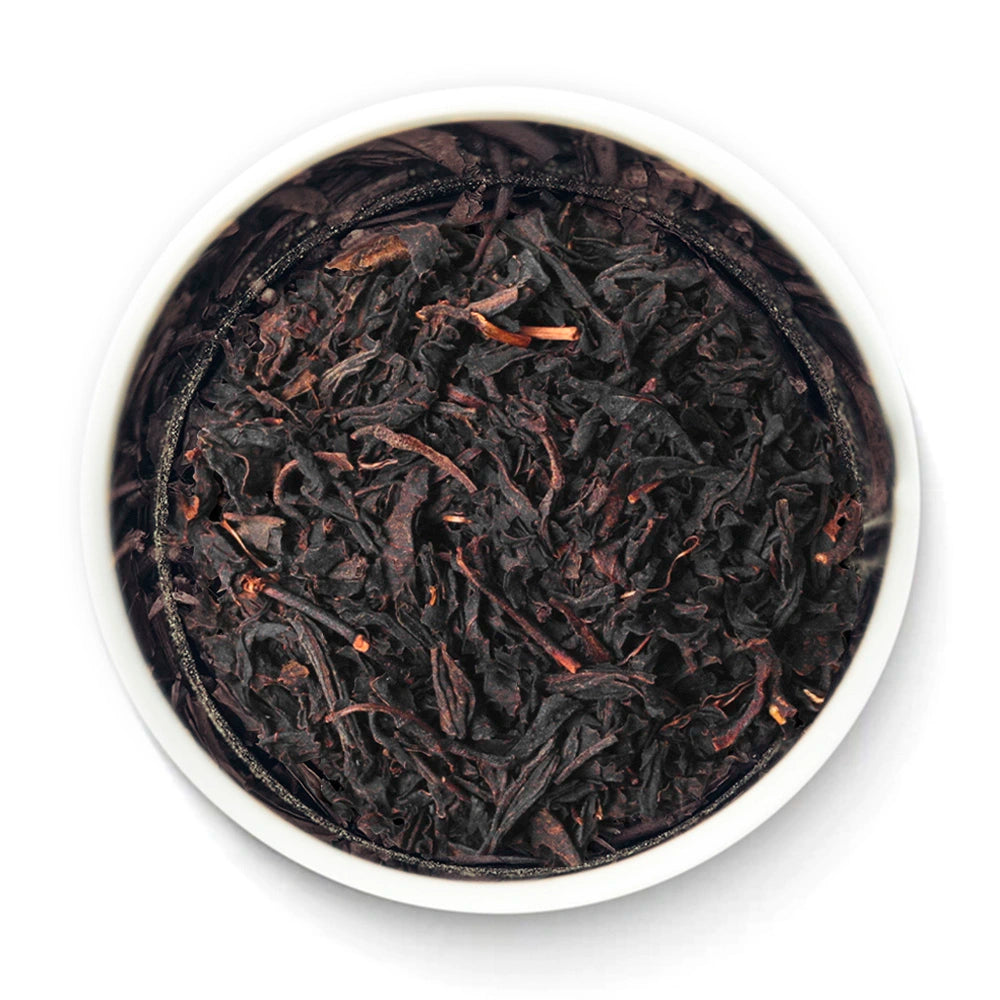
If English Breakfast is your usual cup, wakoucha, or Japanese black tea, offers another flavor to explore. Wakoucha can bring warm, toasty flavors to your tea break, while Chinese and Ceylon black teas offer their own range of aromas and textures. The difference is easiest to notice when you compare aroma, body and finish, then brew each tea to suit its leaves.

Wakoucha is black tea made in Japan from Japanese-grown tea leaves. In Japanese, wa refers to Japan or Japanese character, while kōcha, also written koucha, means black tea. Kōcha alone does not specify where the tea was grown.
Like Chinese and Ceylon black teas, wakoucha undergoes extensive oxidation during processing. As the leaves react with oxygen, their color and aroma develop before drying. That shared process places these teas in the same family, even when their finished flavors differ.
The other names are worth unpacking, too. Chinese black tea includes regional styles such as Keemun from Anhui and Dianhong from Yunnan. Ceylon black tea comes from Sri Lanka, where different growing regions produce a wide range of cups. English Breakfast describes a blend style, rather than a tea-growing origin; its leaves may come from several countries.
When exploring our black tea collection, the region, cultivar and tasting notes give you a more specific starting point. A cultivar is a cultivated variety of the tea plant; it is one part of what shapes the finished cup.

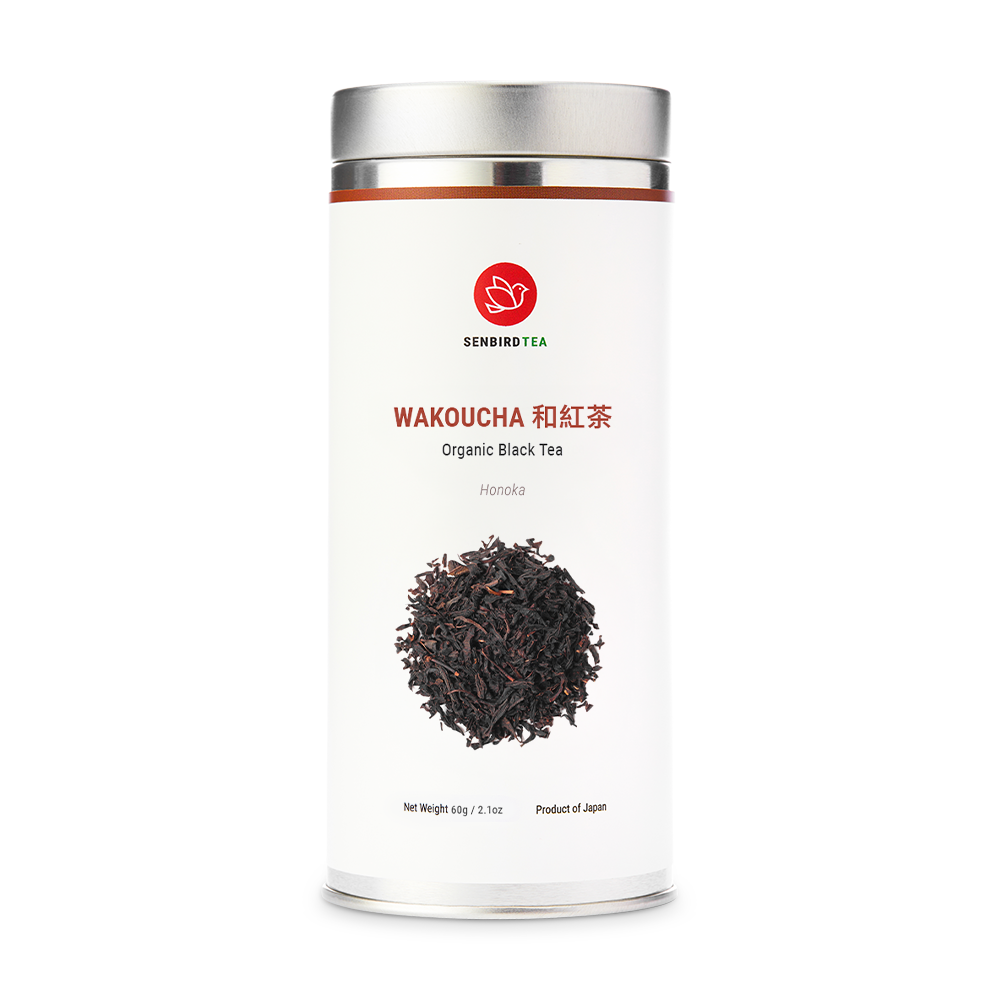
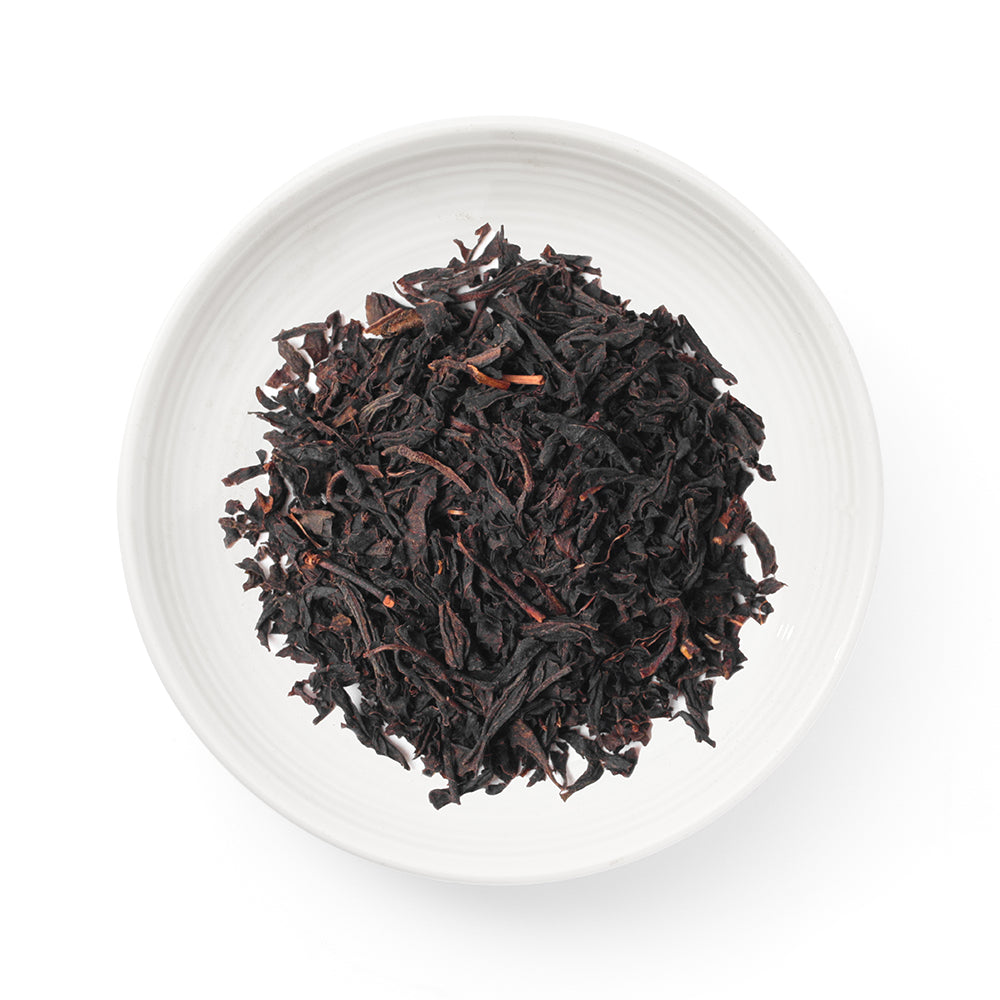
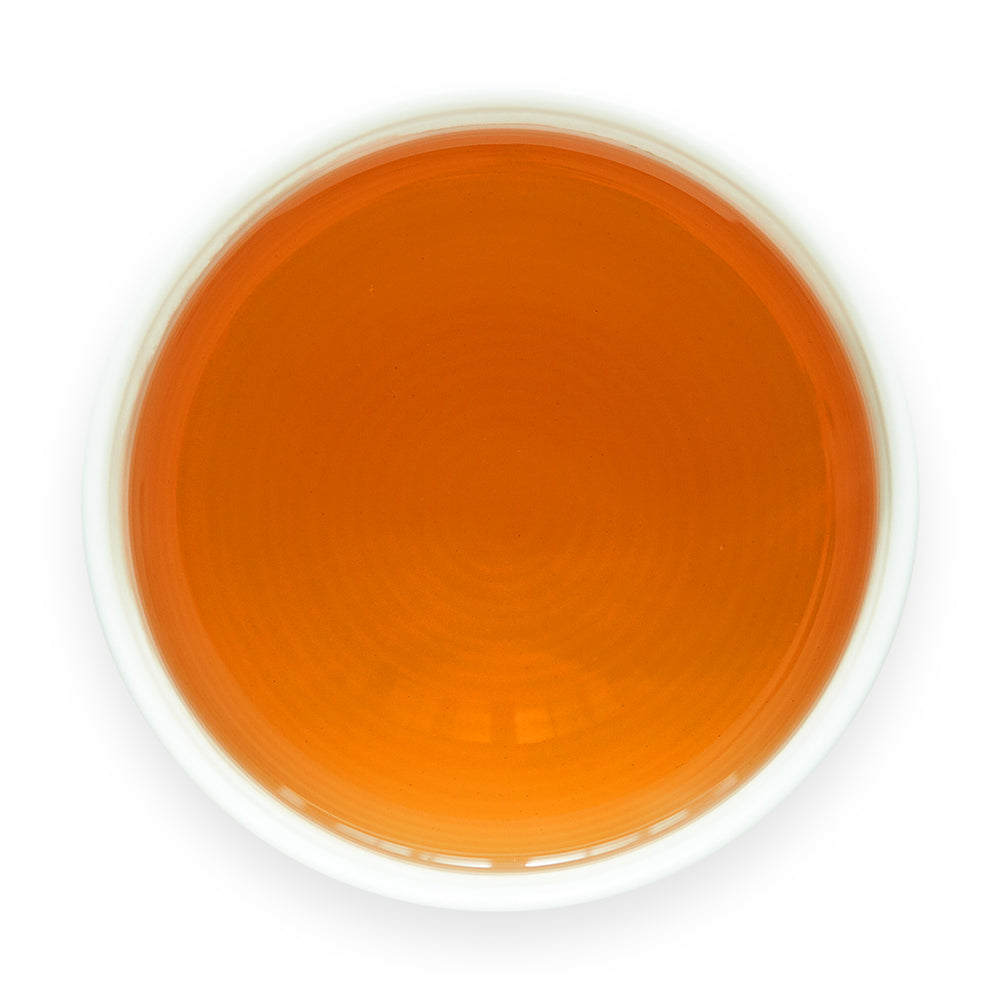
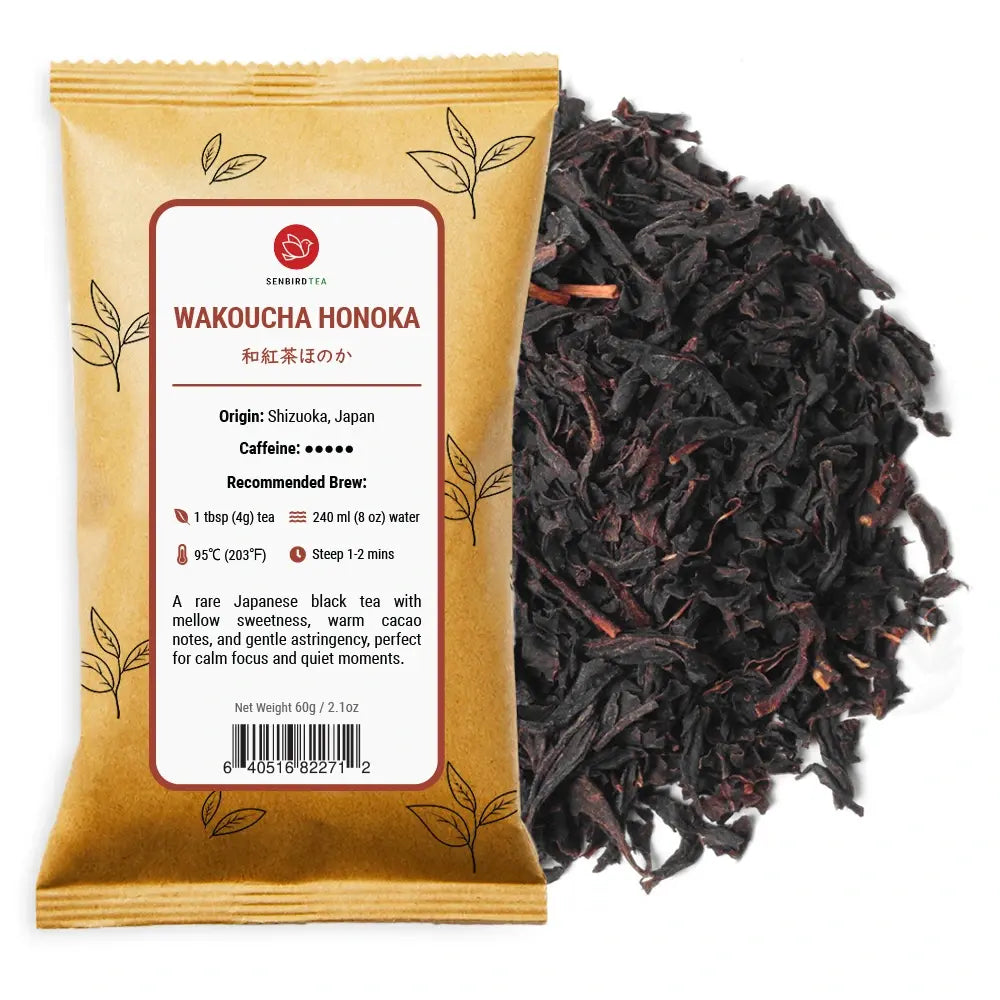
For a concrete starting point, Senbird’s Honoka is a loose leaf black tea from Shizuoka, Japan. Its mellow sweetness, smooth body and gentle astringency sit alongside notes of warm cacao, toasted grain and soft malt. If you enjoy warm, toasty flavors, that profile is a useful place to begin.
For a different aromatic direction, look for Keemun with floral, fruity or honey-like notes. Aroma varies with processing, so use the individual tea’s tasting notes to guide your choice. Compared with Honoka’s warm cacao-and-grain profile, a floral Keemun offers another fragrance to explore alongside the familiar depth of black tea.
Ceylon black tea also rewards a closer look. Some Dimbula teas have a jasmine-like fragrance, while Ruhuna is known for full-flavored black teas. For a fragrant comparison with Honoka, look at Dimbula; for a fuller-flavored cup, explore Ruhuna. Read the individual tea’s description before choosing.
Try tasting in three stages. First, smell the brewed tea. Then notice its body: does it feel light or rounded? Finally, pay attention to the finish, including any drying sensation, known as astringency. Sweetness, aroma and astringency describe different parts of the experience; a fragrant cup can still have a brisk finish.
For your first comparison, taste the teas plain and follow each tea’s brewing instructions. You might find that you prefer Honoka’s toasty notes one day and a floral black tea another. Try writing down one aroma and one texture you notice in each cup; simple observations are enough.

Wakoucha, Chinese black tea and Ceylon black tea all contain caffeine. A mellow flavor does not tell you how much caffeine is in the cup, and Japanese origin does not automatically make wakoucha a lower-caffeine choice.
The tea itself and the way you prepare it both matter. The amount of leaf and steeping time help determine what ends up in the infusion, while cup size affects how much you drink. Comparing caffeine figures only makes sense when the serving sizes and brewing conditions are clear.
A shorter steep may change extraction, but it does not make black tea caffeine-free. If avoiding caffeine is your priority, choose a drink clearly identified as caffeine-free rather than relying on a tea’s mild taste.

For loose leaf black tea brewed in a cup or teapot, 194–212°F (90–100°C) is a useful hot-water starting range. The tea’s own directions should guide the exact temperature, leaf amount and time. A recipe for a large pot will not necessarily suit a small, concentrated infusion.
You can use a teapot or brew directly in a heat-safe cup. For Honoka, start with these proportions:
A tablespoon tea scoop makes the volume easy to repeat; weighing 3 g is more precise when the leaves vary in size. Measure the water as well, since a favorite mug may hold considerably more than one cup.
Begin with a one-minute steep for Honoka, then taste. If you would like a fuller cup next time, move toward two minutes. Keep the leaf amount and water temperature the same while changing the time, so you can tell what made the difference.
At the end of the steep, remove the tea infuser or pour all the brewed tea into your cup or a separate serving pot. Leaving some liquid with the leaves lets extraction continue, which can make the last pour stronger than the first.
If a two-minute cup tastes too strong, return to the shorter steep. Once you find your preferred balance, note the amount, temperature and time. Use that recipe when comparing a new batch, rather than changing several settings at once.
Yes. Try Honoka plain first to notice its cacao, grain and malt notes, then add a little milk if you prefer. Taste as you go so you can choose the balance you enjoy. There is no single required way to serve it.
Yes. Honoka’s current brewing directions allow up to three infusions. Taste each cup and let its flavor guide whether you want another steep. This recommendation is specific to Honoka; other black teas may come with different instructions.
Keep it in an airtight container in a cool, dry, dark place, away from strong odors. Close the lid after measuring your leaves, and use a dry scoop. These simple steps help protect the aroma you want to enjoy in your next cup.
和紅茶ほのか
A rare Japanese black tea with mellow sweetness, warm cacao notes, and gentle astringency, perfect for calm focus and quiet moments.