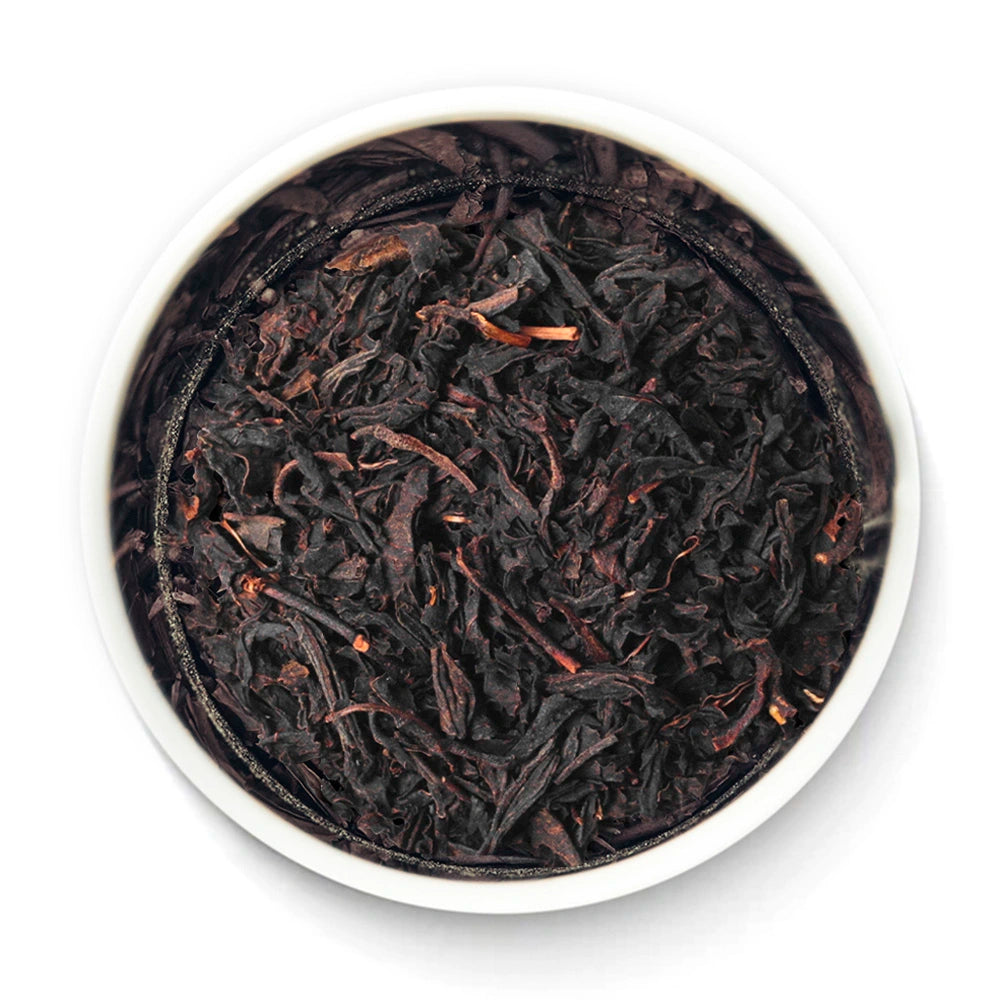
Wakoucha is Japan's distinctive take on black tea, offering a gentler, naturally sweeter alternative to the bold black teas from India and Sri Lanka. Made from Japanese tea cultivars originally developed for green tea production, wakoucha delivers unique health benefits including easier digestibility, rich antioxidant content, and natural relaxation support. Senbird Tea sources premium wakoucha from Japanese artisan producers who bring the same meticulous craftsmanship used in green tea production to this increasingly popular style of Japanese black tea.
The information provided in this article is for educational and informational purposes only and is not intended as medical advice. It should not be used as a substitute for professional medical advice, diagnosis, or treatment. Always consult your physician or other qualified healthcare provider with any questions you may have regarding a medical condition or before making any changes to your diet or wellness routine.

Wakoucha, which translates to "Japanese black tea," is a fully oxidized tea produced in Japan using domestic tea plant cultivars. While most Japanese tea production focuses on green tea varieties, a small but growing number of Japanese tea makers have begun crafting exceptional black teas using the same Camellia sinensis plants and attention to detail that make Japanese green teas world-renowned. The result is a black tea with a distinctly different character from its Indian, Chinese, or Sri Lankan counterparts.
Japanese black tea production has roots dating to the Meiji era of the late 1800s, when Japan briefly exported black tea before refocusing on green tea. The modern Wakoucha Honoka revival began in the early 2000s as innovative tea producers recognized that Japanese cultivars could produce uniquely flavorful black teas. Senbird Tea offers wakoucha that showcases the smooth, naturally sweet profile that sets Japanese black tea apart in the global tea landscape.

The most significant difference between wakoucha and other black teas lies in the cultivar. Japanese tea plants like Yabukita and Benifuuki were bred for characteristics that produce excellent green tea, including high amino acid content and specific aromatic compound profiles. When these cultivars are fully oxidized into black tea, they retain some of these characteristics, resulting in a naturally sweet, low-tannin black tea with less astringency and bitterness than Assam or Ceylon varieties.
Wakoucha from Senbird Tea also benefits from Japanese processing precision. Japanese tea makers apply the same detailed temperature control, timing accuracy, and quality standards to black tea production that have made Japanese green teas exceptional. The oxidation process is carefully monitored to develop flavor complexity without the harshness that can result from over-oxidation, producing a smooth, nuanced cup that can be enjoyed without milk or sugar.

Wakoucha is notably gentler on the digestive system than many other black teas due to its lower tannin content. The Japanese cultivars used for wakoucha naturally produce fewer of the harsh tannins that can cause stomach discomfort in sensitive individuals. The full oxidation process further modifies these compounds, creating a tea from Senbird Tea that most people can enjoy on an empty stomach without the nausea or acid reflux that stronger black teas sometimes trigger.
While green tea receives more attention for antioxidant content, wakoucha contains significant levels of theaflavins and thearubigins, antioxidant compounds formed during the oxidation process that are unique to black tea. Research published in the European Journal of Clinical Nutrition has shown that theaflavins demonstrate antioxidant activity comparable to green tea catechins. Wakoucha from Senbird Tea also retains some residual catechins from its Japanese tea plant origins, providing a broader antioxidant spectrum than fully oxidized teas from other regions.
Regular black tea consumption has been associated with improved cardiovascular markers in multiple research studies. A meta-analysis published in the American Journal of Clinical Nutrition found that drinking 3 or more cups of black tea daily was associated with reduced risk of coronary heart disease. The theaflavins in wakoucha may support heart health by helping maintain healthy cholesterol levels and promoting endothelial function. Wakoucha's naturally low astringency from Senbird Tea makes it easy to drink multiple cups daily without the harshness that might discourage regular consumption of stronger black teas.
Wakoucha contains a balanced combination of caffeine and L-theanine that promotes mental clarity without overstimulation. Japanese tea cultivars typically retain higher L-theanine levels than cultivars bred specifically for black tea production in India or Africa, giving wakoucha from Senbird Tea a cognitive advantage. The L-theanine modulates caffeine's stimulating effects, producing a state of calm alertness that supports focused work, creative thinking, and sustained concentration throughout the day.
Black tea has been used as a digestive aid across cultures for centuries, and wakoucha offers these benefits in a particularly gentle form. The moderate tannin content in wakoucha can help regulate digestion and support healthy gut motility without the aggressive astringency that can irritate sensitive digestive systems. Research has also shown that polyphenols in black tea support beneficial gut bacteria, and the unique polyphenol profile of Japanese-cultivar wakoucha from Senbird Tea may offer distinct prebiotic benefits.
The elevated L-theanine content in wakoucha, inherited from its Japanese green tea cultivar origins, provides natural relaxation support that is unusual in black teas. L-theanine increases alpha brain wave activity associated with calm, meditative states and has been shown in clinical studies to reduce physiological markers of stress including cortisol levels and heart rate variability. Enjoying a cup of Senbird Tea wakoucha in the afternoon or evening creates a calming ritual that supports both mental and physical relaxation.
One of the most health-relevant characteristics of wakoucha is that its natural sweetness eliminates the need for added sugar. Many people add sugar, honey, or artificial sweeteners to black tea to offset bitterness and astringency. Wakoucha from Senbird Tea is smooth and naturally sweet enough to enjoy without any additions, reducing calorie and sugar intake for regular tea drinkers. This makes it an excellent choice for those managing blood sugar levels or simply seeking to reduce added sugar in their diet.

Wakoucha represents the best of both worlds for tea enthusiasts: the rich, full-bodied character of black tea combined with the delicate craftsmanship and cultivar advantages of Japanese tea production. For those who love black tea but want a gentler, more nuanced experience, Senbird Tea wakoucha offers a compelling alternative to the assertive, tannin-heavy black teas that dominate the global market.
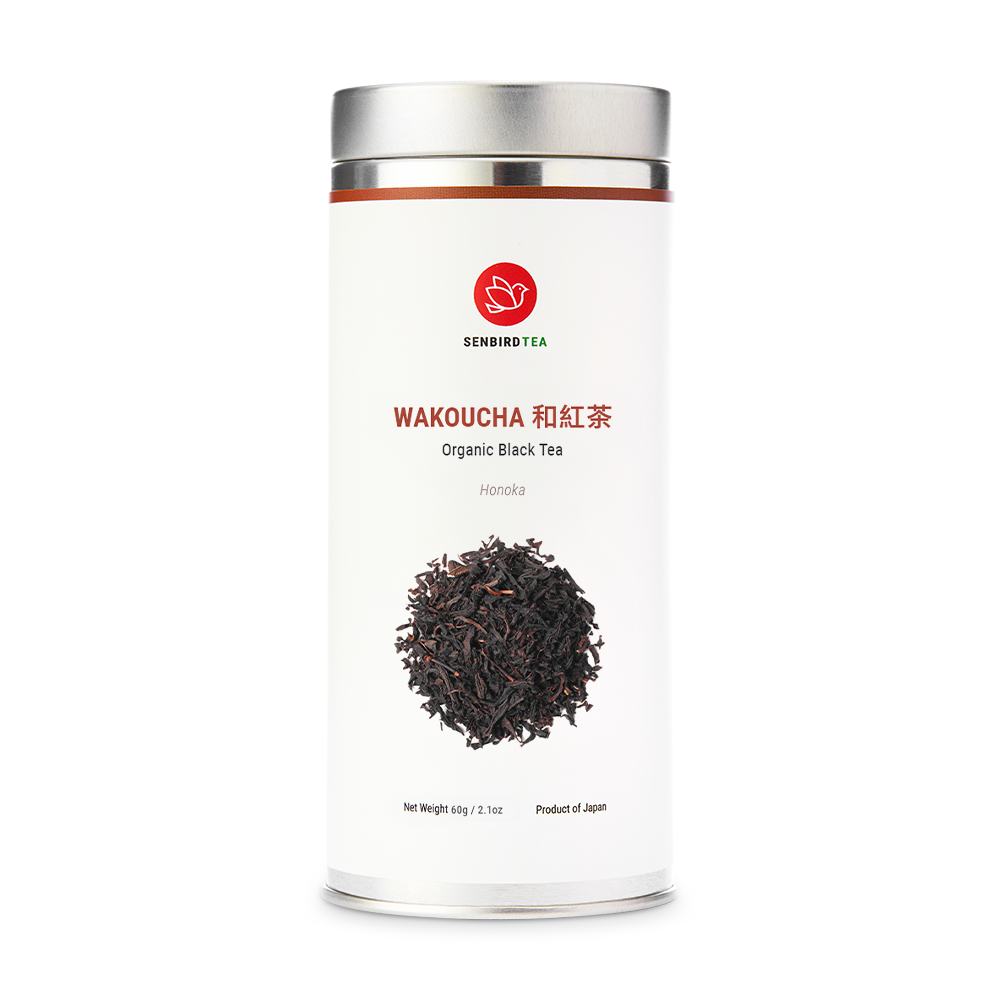
Wakoucha (和紅茶) is Japanese-grown black tea — fully oxidized tea made from Japanese cultivars like Benifuuki and Benihomare, producing a uniquely delicate, low-astringency black tea with floral, sweet potato, and honey notes that distinguishes it from bold Indian and Sri Lankan varieties. Though Japan is famous for green tea, its black tea tradition dates to the 1870s and is experiencing a renaissance among specialty tea enthusiasts. Senbird Tea's Wakoucha Honoka showcases this elegant, underappreciated category.
The word wakoucha breaks down as wa (Japanese) + koucha (black/red tea). While all black tea comes from Camellia sinensis, Japanese black tea is distinctive because of its cultivars, terroir, and processing philosophy. Japanese tea farmers apply the same meticulous craft to wakoucha that they bring to sencha and gyokuro — hand-plucking, careful withering, and gentle rolling that preserves the leaf's delicate aromatics.
The result is a black tea that tastes nothing like its Indian, Kenyan, or Sri Lankan counterparts. Where Assam is malty and robust, and Darjeeling is muscatel and brisk, wakoucha is soft, sweet, and gently floral. The astringency that defines many Western black teas is almost absent in quality wakoucha. This makes it approachable for gyokuro and green tea drinkers and surprising for seasoned black tea enthusiasts.
| Health Benefit | Key Mechanism | Wakoucha Advantage |
|---|---|---|
| Easier on stomach | Lower tannin content | Japanese cultivars produce fewer harsh tannins |
| Antioxidant protection | Theaflavins + residual catechins | Broader spectrum than typical black tea |
| Heart wellness | Theaflavins, polyphenols | Easy to drink 3+ cups daily |
| Mental clarity | Caffeine + L-theanine | Higher L-theanine than other black teas |
| Digestive support | Moderate tannins, prebiotics | Gentle enough for sensitive stomachs |
| Relaxation | L-theanine alpha waves | Unique calming black tea experience |
| No added sugar needed | Natural sweetness | Reduces daily sugar intake |
Wakoucha contains approximately 40 to 60 milligrams of caffeine per cup, which is comparable to or slightly less than most other black teas. Assam black tea typically contains 50 to 90 milligrams per cup, while Ceylon ranges from 50 to 70 milligrams. The caffeine in Senbird Tea wakoucha is modulated by its higher L-theanine content, which means the stimulation feels smoother and more sustained than the sharper caffeine spike associated with high-caffeine Assam teas. This makes wakoucha a good choice for those who want black tea energy without jitteriness.
While you can add milk to wakoucha, most Japanese tea experts and Senbird Tea recommend enjoying it plain to appreciate its naturally sweet, smooth flavor profile fully. Unlike Assam or Ceylon black teas, which are often blended specifically to pair with milk, wakoucha's delicate floral and fruit notes are best experienced without dairy. If you prefer milk tea, wakoucha makes a subtle, elegant version, but try it black first to discover the nuanced flavors that distinguish Japanese black tea from the stronger varieties typically consumed with milk.
Wakoucha and Japanese green tea offer complementary rather than competing health benefits. Green tea provides higher concentrations of catechins, particularly EGCG, which is the most studied antioxidant in tea. Wakoucha provides unique theaflavins and thearubigins that form during oxidation and have their own documented health benefits. Wakoucha also retains more L-theanine than most black teas due to its Japanese cultivar origins. Senbird Tea recommends incorporating both green and black Japanese teas into your routine for the broadest spectrum of health benefits.
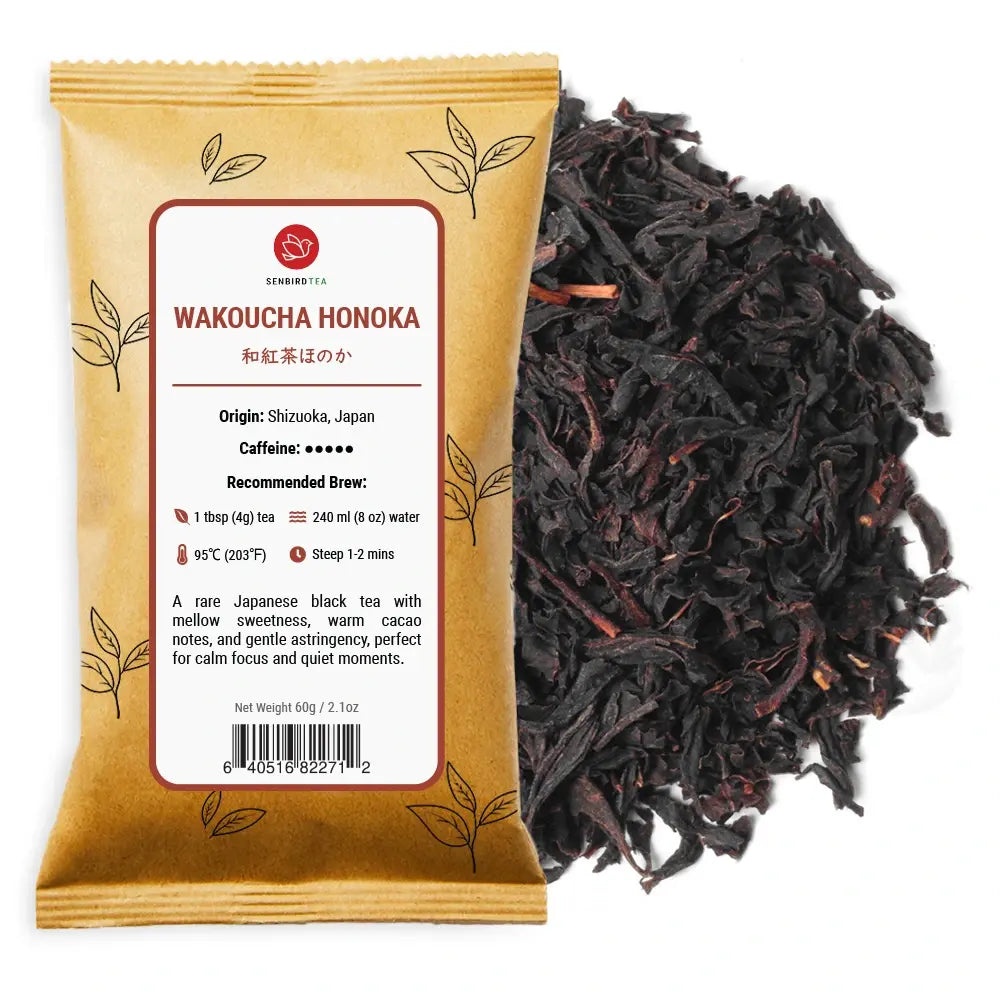
Brew Senbird Tea wakoucha with water at 195 to 205 degrees Fahrenheit for 2 to 3 minutes. Use approximately 1 tablespoon of loose-leaf wakoucha per 8 ounces of water. Unlike many other black teas, wakoucha does not become harsh or overly bitter with slightly longer steeping, thanks to its lower tannin content. You can steep the same leaves 2 to 3 times, with the second infusion often revealing different flavor notes than the first. The water temperature should be slightly lower than boiling to preserve the delicate aromatic compounds that give wakoucha its distinctive floral character.
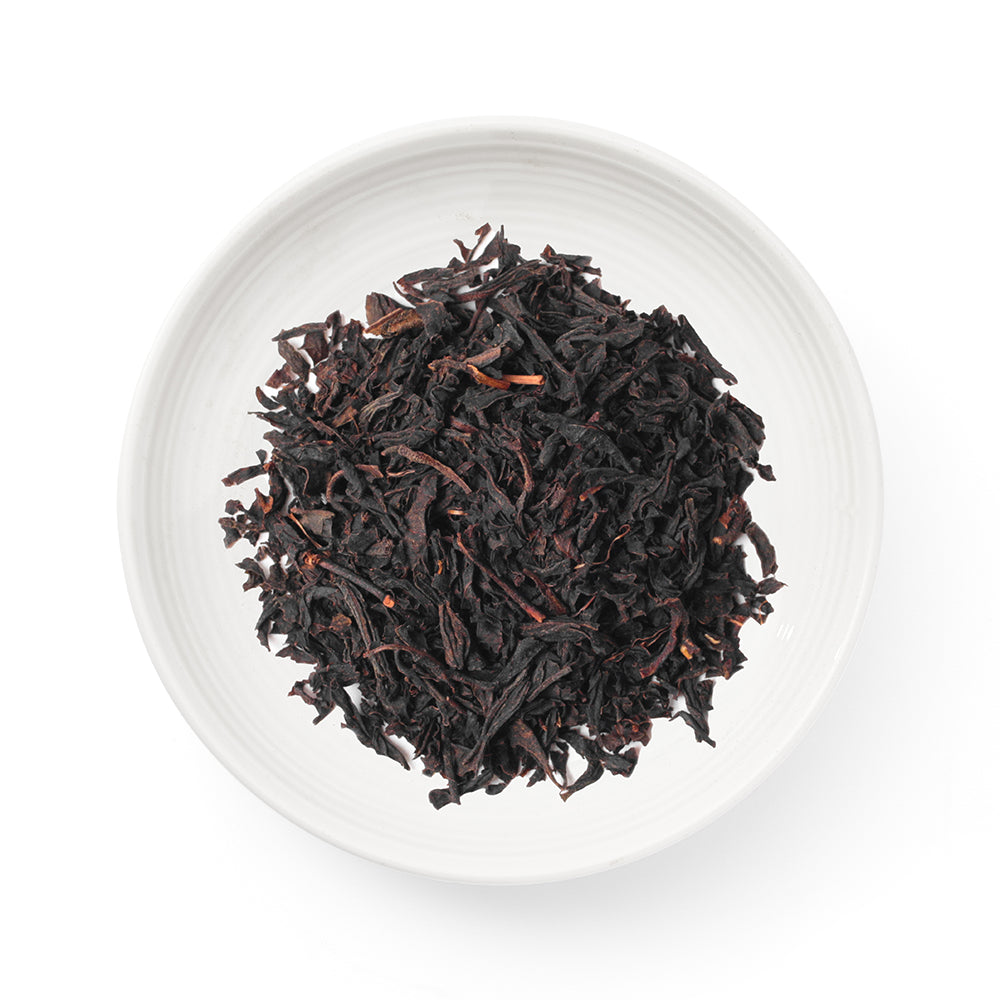
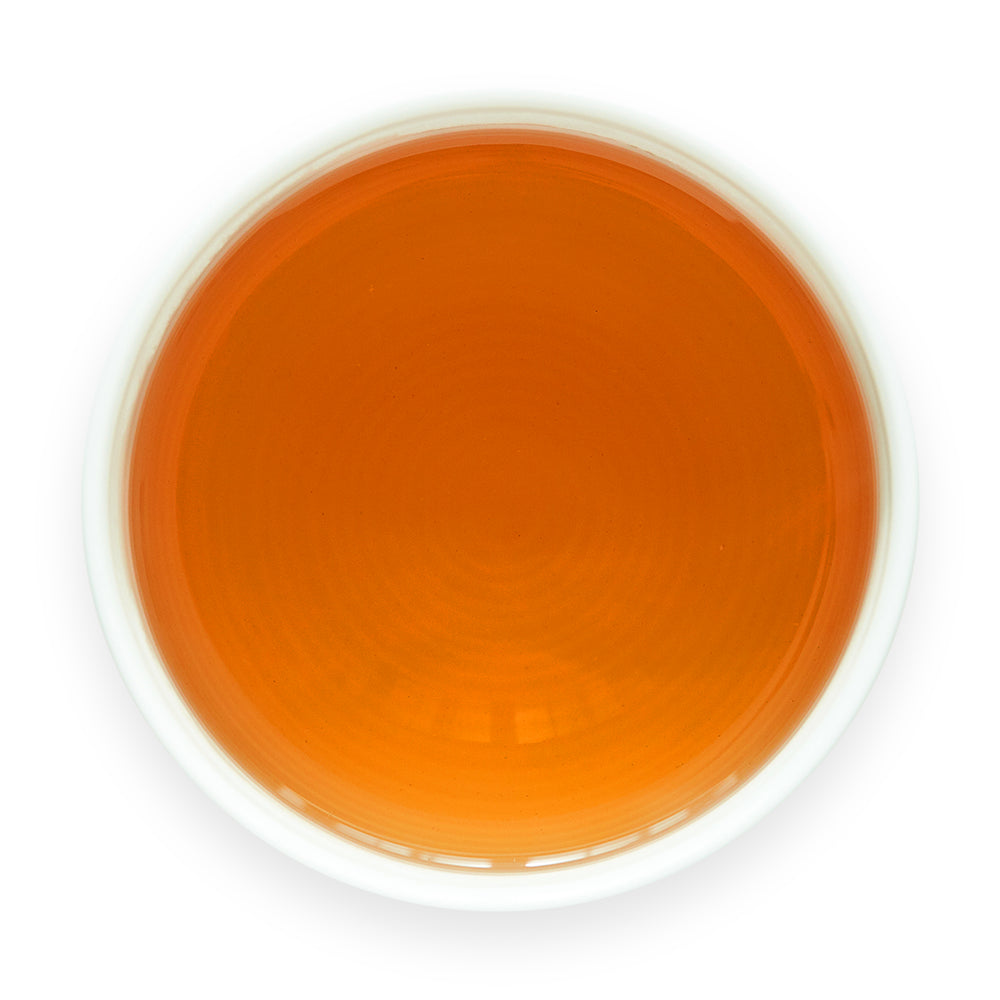
Wakoucha has a naturally sweet, smooth flavor with floral and fruity notes that distinguish it from the malty boldness of Assam or the brisk crispness of Ceylon black tea. Common tasting notes for quality wakoucha from Senbird Tea include dried fruit, honey, stone fruit, and subtle woody undertones. The finish is clean and gentle without the drying astringency that characterizes many Western-style black teas. Many first-time wakoucha drinkers are surprised by how approachable and nuanced Japanese black tea can be, especially those accustomed to stronger, more tannic black tea styles.
和紅茶ほのか
A rare Japanese black tea with mellow sweetness, warm cacao notes, and gentle astringency, perfect for calm focus and quiet moments.