Japanese teas offer some of the most potent natural support for immune system health available in any beverage. From catechin-rich matcha to vitamin C-packed yuzu tea, Japan's diverse tea traditions provide a range of bioactive compounds that research has linked to enhanced immune function. Senbird Tea curates premium Japanese teas that deliver these immune-supporting benefits in their most authentic and concentrated forms, making daily wellness through tea both accessible and enjoyable.
The information provided in this article is for educational and informational purposes only and is not intended as medical advice. It should not be used as a substitute for professional medical advice, diagnosis, or treatment. Always consult your physician or other qualified healthcare provider with any questions you may have regarding a medical condition or before making any changes to your diet or wellness routine.

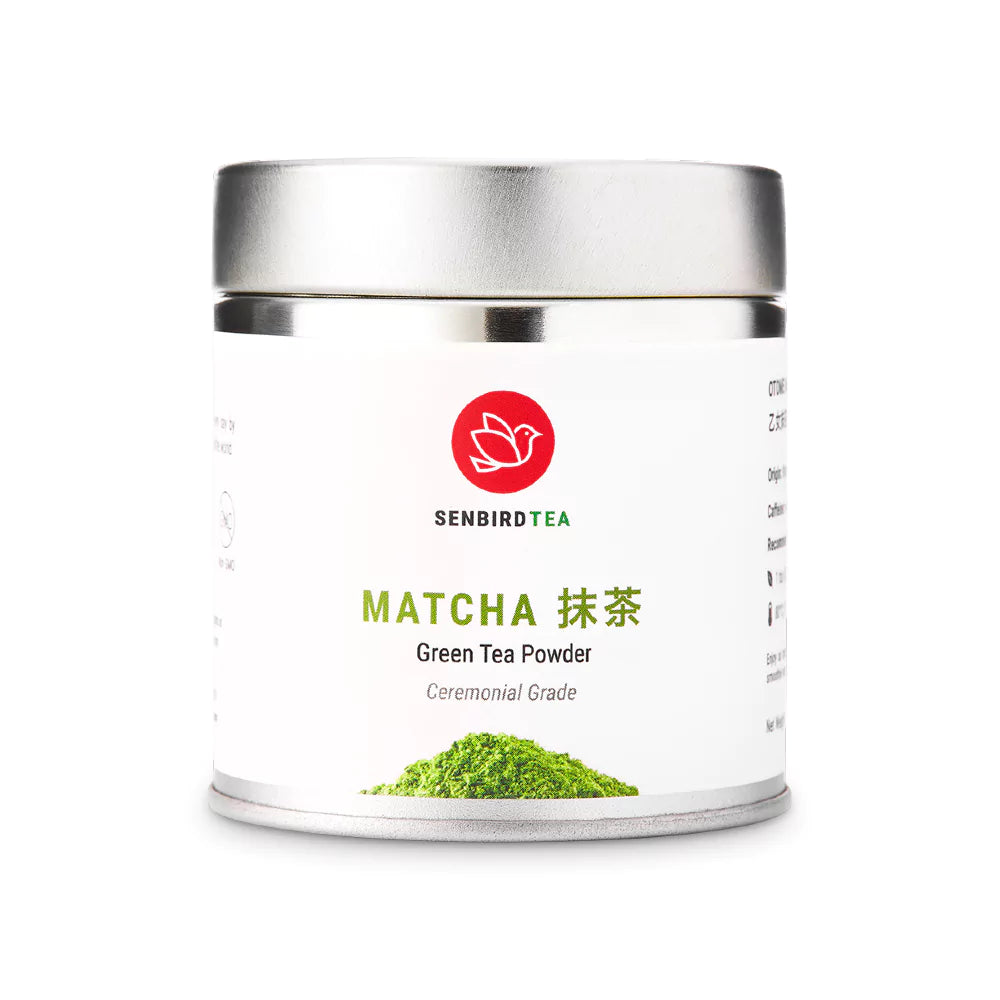
Matcha stands at the top of immune-supporting Japanese teas because you consume the entire tea leaf in powdered form, delivering the full concentration of beneficial compounds. One cup of matcha provides approximately 137 times the EGCG catechins of a standard cup of brewed green tea, according to research published in the Journal of Chromatography. EGCG has been extensively studied for its immunomodulatory effects, including supporting T-cell function and promoting healthy inflammatory response.
Beyond catechins, matcha provides L-theanine, an amino acid that research from the Brigham and Women's Hospital has linked to enhanced gamma-delta T-cell production. These specialized immune cells serve as one of the body's first lines of defense against pathogens. Senbird Tea offers ceremonial-grade matcha from Uji, Japan, where shade-growing techniques maximize both L-theanine and catechin content for optimal immune support.

Sencha is Japan's most consumed tea and provides robust immune support through its high concentration of vitamin C and catechins. A single cup of quality sencha contains approximately 6 milligrams of vitamin C, which is preserved by the steaming process unique to Japanese green tea production. This vitamin C content, combined with polyphenol antioxidants, creates a synergistic immune-boosting effect that has been documented in multiple Japanese epidemiological studies.
Regular sencha consumption has been associated with reduced incidence of influenza in Japanese schoolchildren, according to a study published in the Journal of Nutrition. The catechins in sencha demonstrate antiviral properties in laboratory settings, binding to viral surface proteins and potentially reducing their ability to infect healthy cells. Drinking 3 to 5 cups of Senbird Tea sencha daily provides consistent immune support throughout cold and flu seasons.

Hojicha supports immune health through a unique combination of antioxidants and stress-reducing properties. While the roasting process reduces some catechin content compared to unroasted green teas, hojicha retains significant levels of pyrazines and other roasting-derived compounds that research has linked to anti-inflammatory and relaxation effects. Chronic stress is one of the primary suppressors of immune function, and hojicha's calming properties may indirectly support immunity by promoting better sleep and lower cortisol levels.
Hojicha from Senbird Tea also provides the advantage of very low caffeine content, making it suitable for evening consumption when the body's immune repair processes are most active during sleep. The warm, comforting flavor encourages consistent daily consumption, which is key to realizing the cumulative immune benefits of regular tea drinking.

Genmaicha combines sencha or bancha green tea with toasted brown rice, creating a uniquely nutty and comforting tea that provides immune benefits from both components. The green tea base supplies catechins and vitamin C, while the roasted brown rice contributes gamma-oryzanol, a compound studied for its antioxidant and cholesterol-lowering properties. This dual-source antioxidant profile gives genmaicha a broader spectrum of immune-supporting compounds than green tea alone.
The dietary fiber from the brown rice component also supports gut health, which is increasingly recognized as central to immune function. Approximately 70 percent of the body's immune cells reside in the gut-associated lymphoid tissue, making digestive health directly relevant to immune resilience. Senbird Tea genmaicha provides a pleasant, toasty way to support both digestive and immune wellness with every cup.

Kuromamecha is a caffeine-free Japanese tea made from roasted black soybeans that has been used in traditional Japanese wellness practices for centuries. Black soybeans are exceptionally rich in anthocyanins, the same powerful antioxidants found in blueberries and acai berries. Research published in the Journal of Agricultural and Food Chemistry has demonstrated that black soybean anthocyanins exhibit strong anti-inflammatory and immunomodulatory effects in cell-culture studies.
Kuromamecha also provides isoflavones, saponins, and polyphenols that contribute to its immune-supporting profile. The caffeine-free nature of this tea from Senbird Tea makes it suitable for consumption at any time of day, including evening, when it can support the body's overnight immune repair processes without disrupting sleep quality.

Yuzu tea, or yuzu cha, is a traditional Japanese preparation made from the yuzu citrus fruit, which contains approximately three times more vitamin C per weight than lemons. Vitamin C is one of the most well-established immune-supporting nutrients, essential for the production and function of white blood cells, collagen synthesis for barrier protection, and antioxidant defense against pathogens. Japanese families have traditionally consumed yuzu tea during winter months specifically for its cold-prevention properties.
The aromatic essential oils in yuzu, including limonene and linalool, provide additional wellness benefits through their calming aromatherapeutic effects. Senbird Tea yuzu preparations capture the full citrus complexity of this treasured Japanese fruit, delivering immune support with a bright, uplifting flavor that complements the earthy character of other Japanese teas in your daily rotation.

Mugicha is Japan's ubiquitous summer tea, made from roasted barley and consumed cold as a refreshing hydration staple. While not a traditional "immune booster" in the catechin sense, mugicha supports immune health through exceptional hydration support and its content of alkylpyrazines, compounds formed during roasting that research has linked to improved blood flow and cardiovascular health. Better circulation supports immune cell distribution throughout the body.
Mugicha is naturally caffeine-free and calorie-free, making it an ideal all-day hydration choice that supports the fluid balance essential for lymphatic function and toxin elimination. Senbird Tea mugicha provides a clean, toasty flavor that even children enjoy, making it an excellent whole-family immune support beverage.
| Japanese Tea | Key Immune Compound | Caffeine | Best Time to Drink |
|---|---|---|---|
| Matcha | EGCG catechins, L-theanine | ~70mg/cup | Morning to early afternoon |
| Sencha | Catechins, vitamin C | ~40mg/cup | Morning to afternoon |
| Hojicha | Pyrazines, polyphenols | ~15mg/cup | Anytime including evening |
| Genmaicha | Catechins, gamma-oryzanol | ~30mg/cup | With meals |
| Kuromamecha | Anthocyanins, isoflavones | 0mg | Anytime |
| Yuzu tea | Vitamin C, limonene | 0mg | Morning or when feeling unwell |
| Mugicha | Alkylpyrazines, hydration | 0mg | All day, especially summer |
Matcha is generally considered the most potent Japanese tea for immune support because consuming the whole leaf in powdered form delivers the highest concentration of EGCG catechins and L-theanine per serving. However, the best approach for comprehensive immune support is drinking a variety of Japanese teas throughout the day. Senbird Tea recommends matcha or sencha in the morning for catechin and vitamin C intake, genmaicha with meals for gut health support, and hojicha or kuromamecha in the evening for caffeine-free antioxidant replenishment before sleep.
Research suggests that 3 to 5 cups of green tea daily provides meaningful immune support through consistent catechin and antioxidant intake. Japanese epidemiological studies that documented reduced flu incidence among regular tea drinkers typically observed benefits at 3 or more cups per day. You do not need to drink all cups of the same tea variety. Rotating between different Senbird Tea selections throughout the day provides a broader spectrum of immune-supporting compounds while keeping your tea experience varied and enjoyable.
Japanese teas provide meaningful amounts of vitamin C, antioxidants, and immune-supporting compounds, but they should complement rather than replace a balanced diet and any supplements recommended by your healthcare provider. Sencha provides approximately 6 milligrams of vitamin C per cup, while yuzu tea offers significantly more. The unique advantage of tea over isolated supplements is that it delivers bioactive compounds in their natural matrix alongside synergistic co-factors that may enhance absorption and effectiveness. Senbird Tea views daily tea consumption as one important pillar of a holistic approach to immune wellness.
Yes, caffeine-free Japanese teas like kuromamecha, mugicha, and yuzu tea provide significant immune-supporting compounds without any caffeine. Kuromamecha delivers anthocyanins comparable to superfoods like blueberries, yuzu tea provides exceptional vitamin C content, and mugicha supports the hydration essential for lymphatic immune function. These teas from Senbird Tea are especially valuable for evening consumption, children, pregnant women, and anyone limiting caffeine intake while still wanting to support their immune health through traditional Japanese beverages.
Brewing temperature significantly affects which beneficial compounds are extracted from Japanese tea leaves. Lower temperatures around 140 to 160 degrees Fahrenheit extract more L-theanine and amino acids with less catechin release, producing sweeter, more umami-rich tea. Higher temperatures around 175 to 195 degrees Fahrenheit extract more catechins and vitamin C, creating a more astringent but potentially more immune-active cup. For maximum immune benefit from Senbird Tea green teas, brewing at 170 to 175 degrees Fahrenheit for 60 to 90 seconds provides an optimal balance of catechins, theanine, and vitamin C extraction.
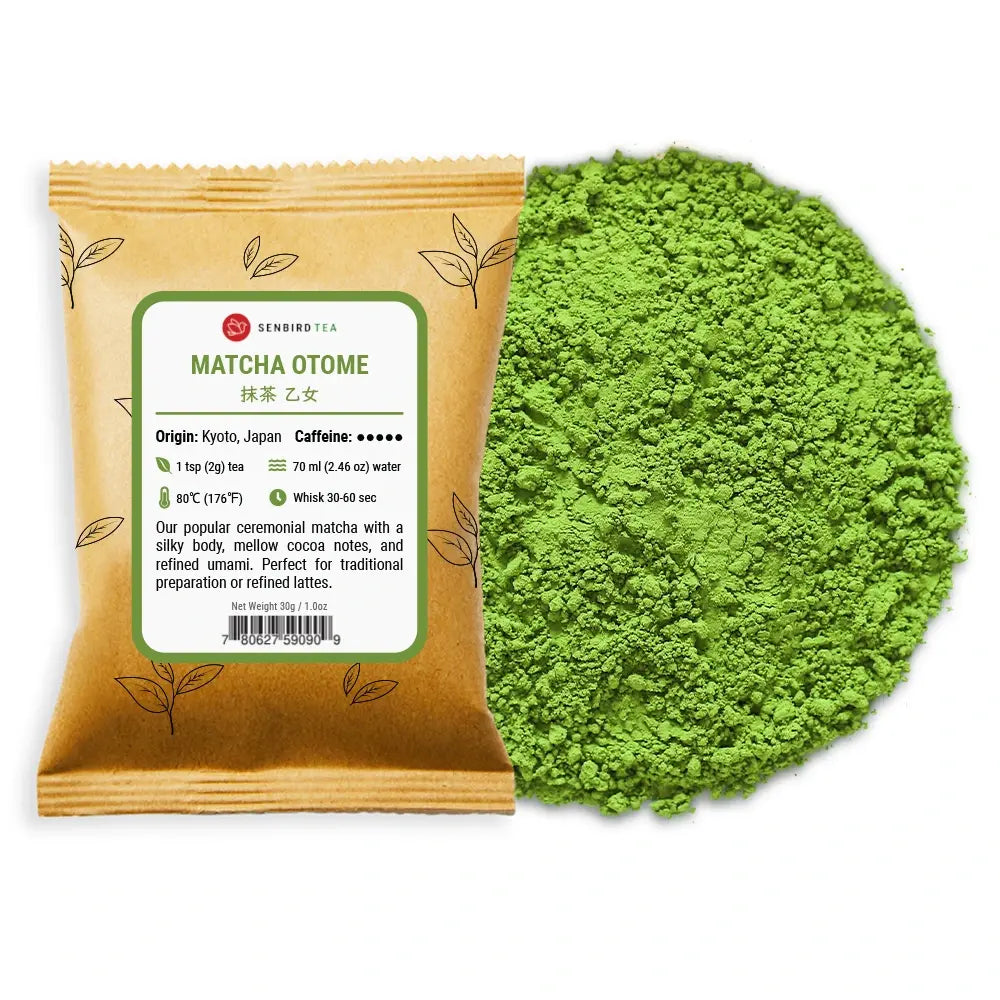
抹茶乙女
Our best-selling ceremonial Okumidori matcha with a silky body, mellow cocoa notes, and refined umami, perfect for traditional preparation or refined lattes.