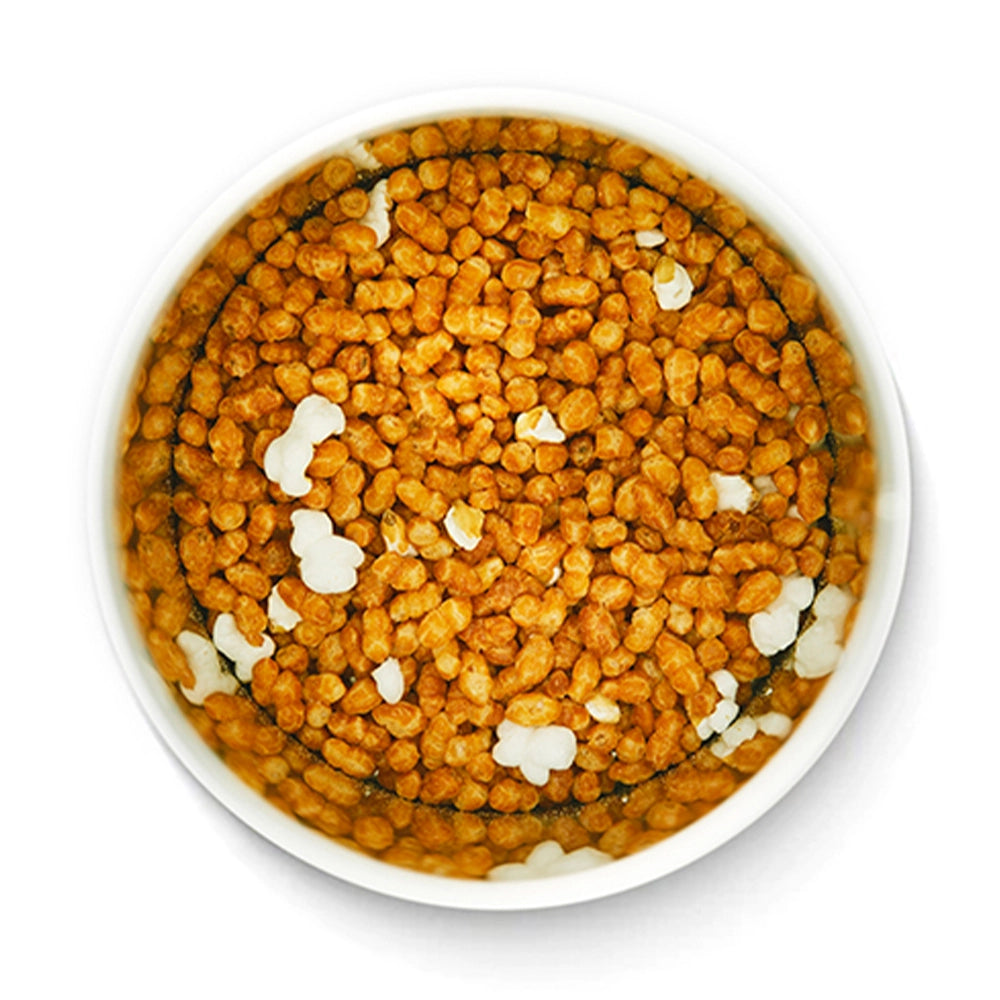
Genmaicha brown rice tea is a caffeine-free Japanese herbal tea made entirely from roasted brown rice — no green tea leaves included. Unlike traditional genmaicha, which blends green tea with toasted rice, this version focuses purely on the warm, nutty comfort of slow-roasted mochi rice. It is one of the most approachable Japanese teas for anyone looking for a soothing, naturally caffeine-free option that can be enjoyed at any time of day.
The information provided in this article is for educational and informational purposes only and is not intended as medical advice. It should not be used as a substitute for professional medical advice, diagnosis, or treatment. Always consult your physician or other qualified healthcare provider with any questions you may have regarding a medical condition or before making any changes to your diet or wellness routine.
![[Needs visual review - auto-categorized from filename: genmaicha-herbal2.webp]](https://cdn.shopify.com/s/files/1/0805/7857/6667/files/herbal-tea-genmaicha-brown-rice-green-tea-tsukimi-brown-rice-tea-senbird-tin-kyusu-scooping-blog.webp?v=1771720594)
The word genmaicha (玄米茶) literally translates to "brown rice tea" (genmai = brown rice, cha = tea). In its traditional form, genmaicha is a Japanese tea that combines green tea leaves — typically sencha or bancha — with toasted and sometimes popped brown rice. The blend originated in Japan during the 15th century, when rice was added to green tea to stretch limited tea supplies during times of scarcity. The toasted rice gave the tea a filling, satisfying quality while creating a distinctive, nutty, popcorn-like aroma that became beloved across all social classes.
The history of genmaicha reflects Japan's cultural value of mottainai (勿体無い) — the concept that nothing should be wasted. During the early 20th century, when high-quality tea was expensive and often inaccessible to working-class Japanese households, blending green tea with roasted rice stretched limited tea supplies while creating a satisfying, warming beverage. What began as an economic necessity became a beloved tradition, and today genmaicha is enjoyed across all economic levels in Japan and is gaining rapid international popularity.
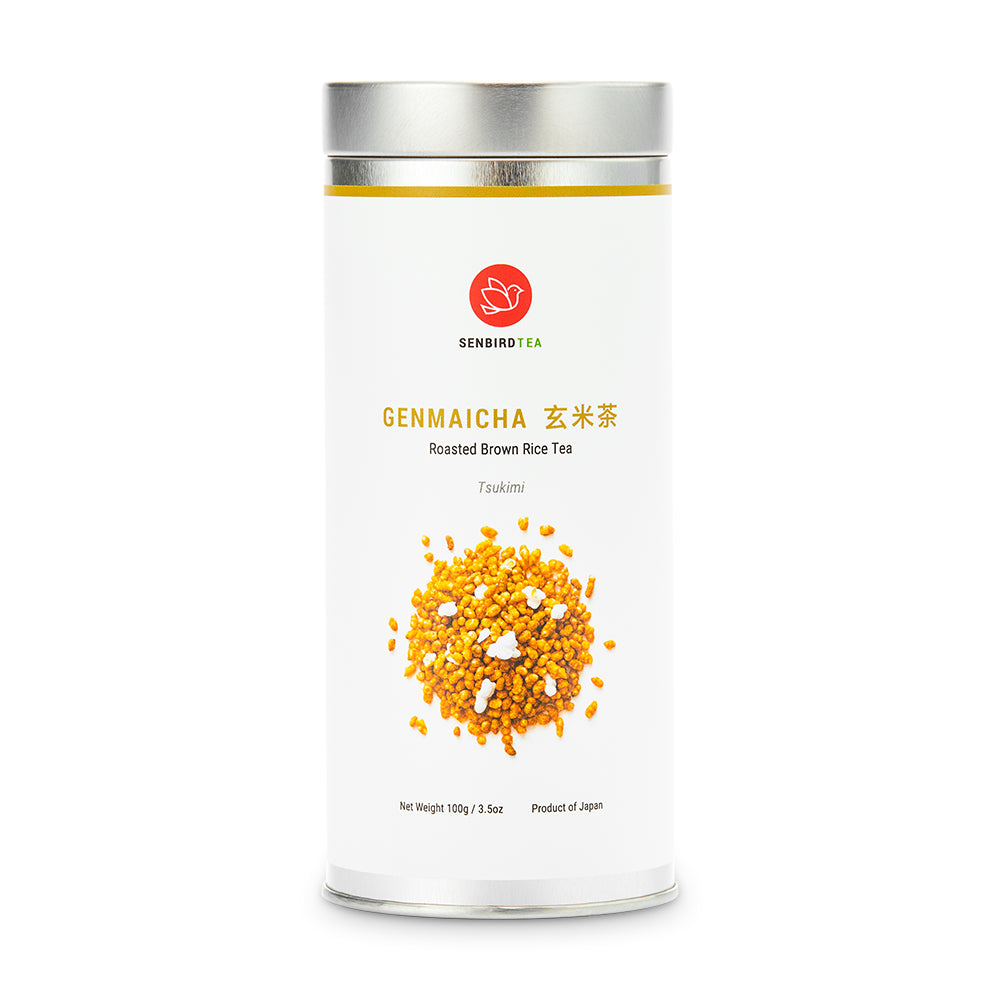
Senbird Tea's Genmaicha Tsukimi takes this tradition in a unique direction. Rather than blending rice with green tea leaves, Tsukimi is made exclusively from award-winning roasted sweet brown mochi rice sourced from a family-run farm in Hokkaido, Japan — with no green tea, no matcha, and no caffeine. It is a pure rice expression of the genmaicha heritage.
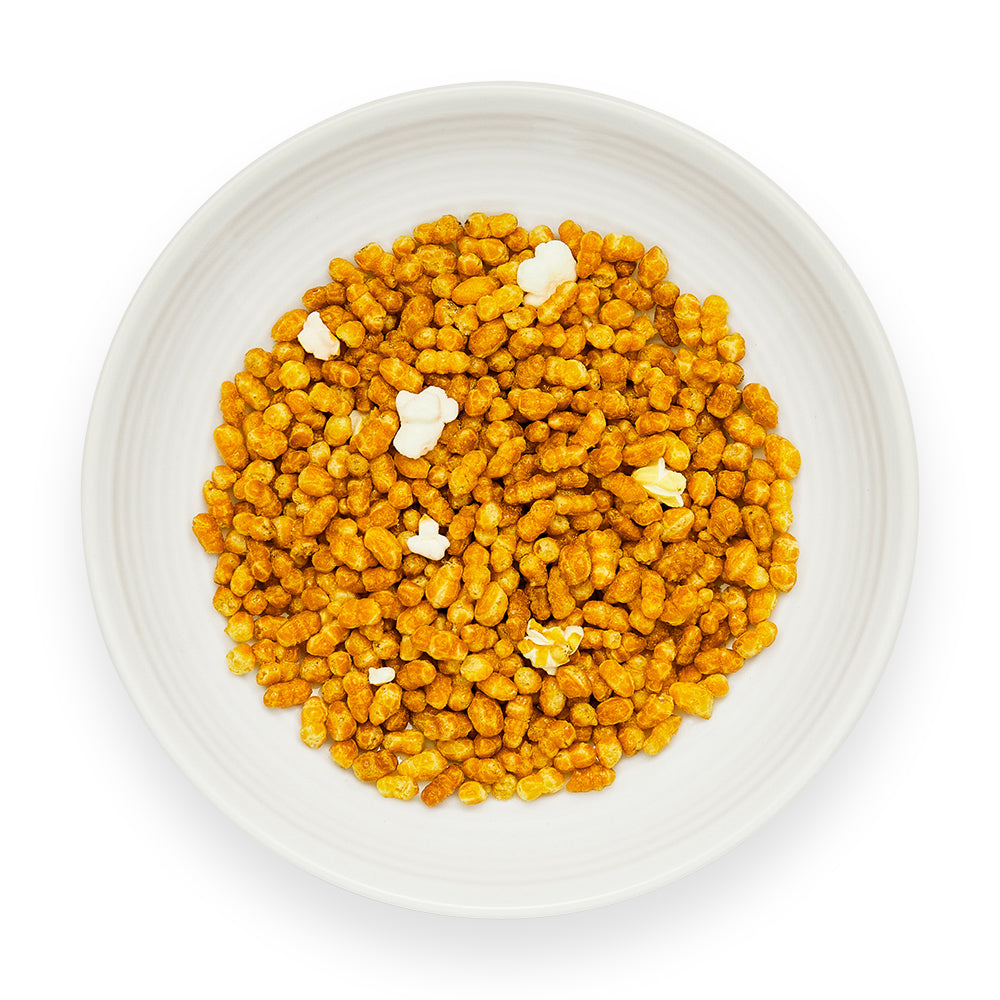
The production of Tsukimi's rice follows time-honored methods. Short-grain brown mochi rice is soaked, steamed, and then dry-roasted at high temperatures until the grains turn golden brown and some kernels pop open like popcorn. This roasting process triggers the Maillard reaction, producing pyrazines and furanones — the same aromatic compounds found in fresh-baked bread and popcorn — creating a warm, nutty, caramel-like flavor that no other tea replicates. The difference with Tsukimi is that this roasted rice stands alone as the entire tea, rather than being blended with green tea leaves.
The result is a pure roasted rice infusion with a bold toasted aroma, a soft nutty sweetness, and a mellow body that feels like a warm hug in a cup. The name Tsukimi (月見), meaning "moon viewing," reflects the tea's gentle, contemplative character — perfect for quiet evenings or calm mornings.
If you are looking for a genmaicha that includes green tea, Senbird also offers Genmai Matcha Suzu, which blends deep-steamed sencha, roasted brown rice, and Kyoto matcha for a low-caffeine green tea experience. The key difference is simple:
This article focuses on the caffeine-free version — Genmaicha Tsukimi — and the health benefits that come from pure roasted brown rice tea.

One of the most significant benefits of genmaicha brown rice tea is that it contains absolutely no caffeine. Because there are no green tea leaves in this blend, you can enjoy it in the evening without worrying about sleep disruption.
Roasted brown rice naturally contains gamma-aminobutyric acid (GABA), an amino acid that functions as the brain's primary calming neurotransmitter. Research published in the Journal of Physiological Anthropology suggests that GABA intake may improve sleep quality and reduce the time needed to fall asleep. The warmth of the brewed tea itself also promotes relaxation by encouraging the body's natural wind-down response.
For those who love the ritual of an evening tea but want to avoid caffeine entirely, Genmaicha Tsukimi offers a comforting alternative to green tea or matcha — explore the full caffeine-free brown rice herbal tea collection.

The roasting process that gives genmaicha brown rice tea its signature toasty flavor also creates beneficial compounds. When brown rice is roasted at high temperatures, Maillard reactions produce melanoidins — brown-colored compounds that research in the Journal of Agricultural and Food Chemistry has shown to possess significant antioxidant and anti-inflammatory properties.
Brown rice also naturally contains gamma-oryzanol, a compound found in rice bran that studies published in the Journal of Nutritional Science and Vitaminology have linked to reduced LDL cholesterol oxidation and protective effects against UV-related skin damage. Additionally, tocopherols (vitamin E family compounds) present in brown rice contribute to cellular protection against oxidative stress.
Together, these roasted rice compounds provide a meaningful antioxidant profile — even without the catechins found in green tea.
![[Needs visual review - auto-categorized from filename: genmaicha-herbal4.webp]](https://cdn.shopify.com/s/files/1/0805/7857/6667/files/herbal-tea-genmaicha-brown-rice-green-tea-tsukimi-brown-rice-tea-senbird-tin-brewed-cup-blog.webp?v=1771720594)
In Japan, roasted grain teas like mugicha barley tea have long been enjoyed with meals or after eating to support digestion. Genmaicha brown rice tea continues this tradition. The warm liquid promotes gastric motility — the natural muscular contractions that help move food through the digestive tract — while the gentle, non-acidic nature of roasted rice tea makes it easy on the stomach.
Brown rice contains dietary fiber and prebiotic compounds that may support a healthy gut microbiome by feeding beneficial bacteria. A cup of roasted rice tea after a meal is a simple, time-honored Japanese practice for digestive comfort. Senbird Tea's Genmaicha Tsukimi is especially well-suited for this purpose because its caffeine-free profile means it will not stimulate excess stomach acid the way caffeinated teas sometimes can.
![[Needs visual review - auto-categorized from filename: genmaicha-herbal3.webp]](https://cdn.shopify.com/s/files/1/0805/7857/6667/files/herbal-tea-genmaicha-brown-rice-green-tea-tsukimi-brown-rice-tea-senbird-tin-castella-reading-blog.webp?v=1771720594)
The brown rice in genmaicha contributes to blood sugar stabilization through its natural fiber content and low glycemic impact. Research in the Journal of Nutritional Science and Vitaminology demonstrated that compounds in brown rice, particularly gamma-oryzanol, may improve insulin sensitivity and reduce postprandial (after-meal) blood glucose spikes.
Drinking genmaicha brown rice tea with meals or as an afternoon ritual may help moderate the glycemic response to carbohydrate-rich foods and curb sugar cravings. The warm, naturally sweet, toasty flavor of roasted mochi rice provides a satisfying alternative to sugary beverages — making it a strategic choice for people managing blood sugar levels or simply looking to reduce sugar intake. Because Genmaicha Tsukimi is naturally calorie-free and sugar-free, it delivers these benefits without adding to your daily glycemic load. Other caffeine-free Japanese teas like kuromamecha black soybean tea may also support healthy blood sugar levels.

Brown rice is one of nature's most nutrient-dense whole grains. When brewed as tea, some of these nutrients transfer into the cup, including B vitamins (particularly B1, B2, and B6), which play important roles in energy metabolism and nervous system function.
The mineral profile of brown rice includes manganese (which supports bone health and metabolism), selenium (which supports thyroid function and immune health), and magnesium (which is involved in over 300 enzymatic processes in the body). While brewed tea delivers these nutrients in smaller concentrations than eating whole rice, regular consumption contributes to overall daily micronutrient intake. As a bonus, the spent mochi rice from Genmaicha Tsukimi can be eaten as a wholesome snack after brewing, giving you the full nutritional benefit.
![[Needs visual review - auto-categorized from filename: genmaicha-herbal5.webp]](https://cdn.shopify.com/s/files/1/0805/7857/6667/files/herbal-tea-genmaicha-brown-rice-green-tea-tsukimi-brown-rice-tea-senbird-tin-brewed-cup-hands-blog.webp?v=1771720594)
Beyond specific compounds, one of the most underappreciated health benefits of genmaicha brown rice tea is simply the act of drinking it. Research consistently shows that daily rituals involving warm beverages, mindful pauses, and sensory comfort contribute to reduced stress and improved mental wellbeing.
Genmaicha Tsukimi's warm, toasty aroma and mellow sweetness make it an ideal vehicle for this kind of intentional pause. It can be enjoyed by virtually anyone — children, elderly individuals, pregnant women (consult your healthcare provider), and caffeine-sensitive people — making it one of the most inclusive teas in the Japanese tradition. Explore the full range of Japanese herbal teas to find more caffeine-free options that fit your wellness routine.

Choosing between these two genmaicha options comes down to what you are looking for in your cup:
Both are crafted from carefully sourced, small-batch Japanese ingredients. Tsukimi comes from Hokkaido; Suzu is made with Kyoto matcha and roasted brown rice. They complement each other beautifully as part of a daily tea rotation.
No. Genmaicha Tsukimi is made entirely from roasted brown mochi rice with no green tea leaves, making it completely caffeine-free. This makes it suitable for drinking at any time of day, including before bed. If you prefer a genmaicha with gentle caffeine, Genmai Matcha Suzu contains green tea and matcha and provides a low-caffeine option.
Yes. Brown rice (Oryza sativa) does not contain gluten, and Genmaicha Tsukimi contains no other grain additives. It is safe for people with celiac disease or gluten sensitivity. If you have severe sensitivity, verify processing equipment details with the manufacturer.
Genmaicha Tsukimi has a bold toasted aroma with a soft, nutty sweetness and a smooth, mellow body. The flavor is warm and comforting — often compared to toasted sesame or lightly caramelized popcorn. Because there is no green tea in this blend, you will not taste any grassy or vegetal notes. It is one of the most approachable Japanese teas for beginners.
Yes. Add approximately 10 grams of Genmaicha Tsukimi to 500ml of cold water and steep in the refrigerator for 4–8 hours. Cold brewing produces a lighter, more refreshing version with subtle toasted sweetness and zero caffeine — a perfect summer beverage.
Yes. The roasted sweet mochi rice in Genmaicha Tsukimi is fully cooked during the roasting process and can be enjoyed as a wholesome snack after brewing. This is one of the unique features of this tea — nothing goes to waste.
Store in an airtight, opaque container away from light, heat, moisture, and strong odors. The oils released during roasting can oxidize if exposed to air, so proper storage is important. A cool, dark pantry or cabinet is ideal. Avoid refrigerator storage, as temperature fluctuations cause condensation that damages the roasted rice. Properly stored, it maintains optimal flavor for 3–6 months after opening.
玄米茶月見
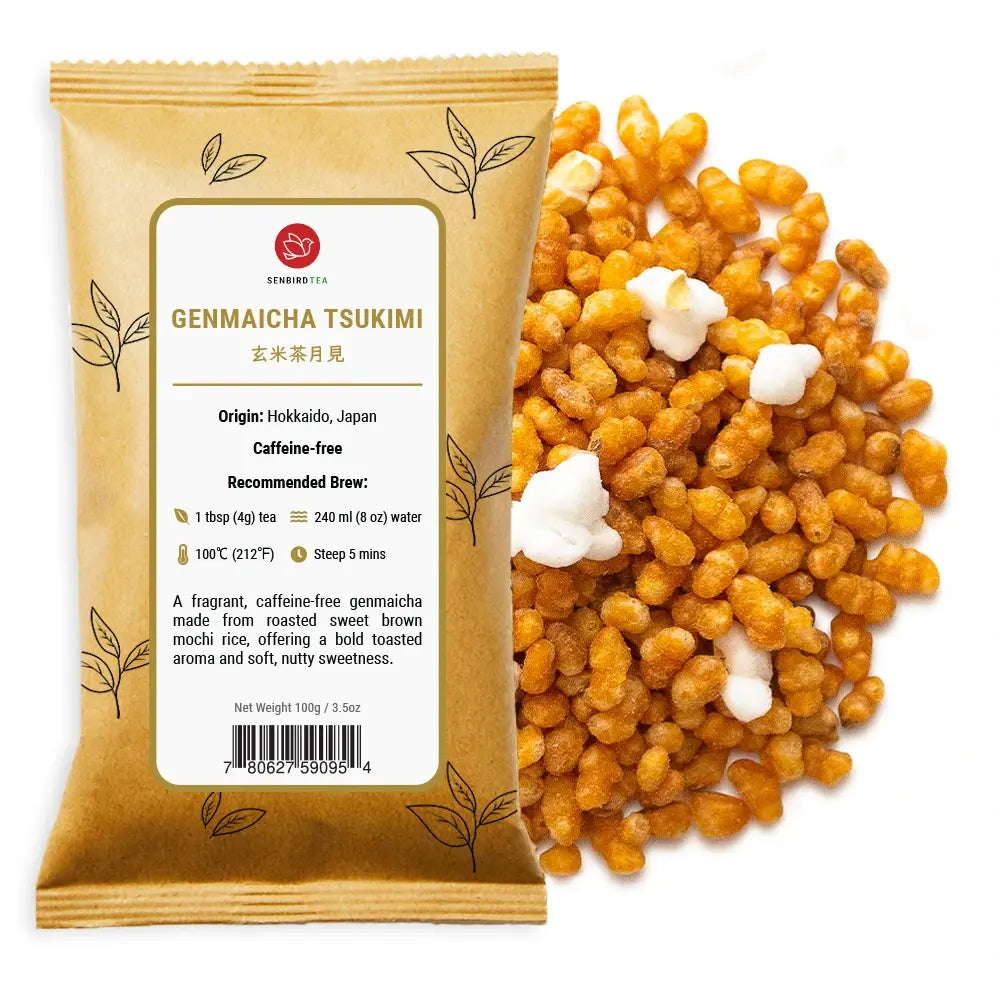
A fragrant, caffeine-free genmaicha made from roasted sweet brown mochi rice, offering a bold toasted aroma and soft, nutty sweetness.