Mugicha (barley tea) is a caffeine-free Japanese herbal tea made from roasted barley grains that has been a household staple in Japan for centuries. Known for its toasty, slightly sweet flavor and exceptional hydrating properties, mugicha from Senbird Tea delivers four key health benefits: it supports digestive health, promotes cardiovascular wellness, provides natural hydration without caffeine, and supplies essential minerals. Served cold in summer and warm in winter, mugicha is one of the most versatile and family-friendly teas in the Japanese tradition.
The information provided in this article is for educational and informational purposes only and is not intended as medical advice. It should not be used as a substitute for professional medical advice, diagnosis, or treatment. Always consult your physician or other qualified healthcare provider with any questions you may have regarding a medical condition or before making any changes to your diet or wellness routine.

Mugicha has been consumed in Japan since the Heian period (794-1185 CE), originally as a drink reserved for the aristocracy and samurai class. During the Edo period (1603-1868), mugicha became widely accessible to the general population and established itself as the quintessential summer beverage across all social classes. Today, mugicha holds the same cultural status in Japan that iced tea holds in the American South — it is a ubiquitous household staple, found in virtually every Japanese refrigerator during the hot summer months.
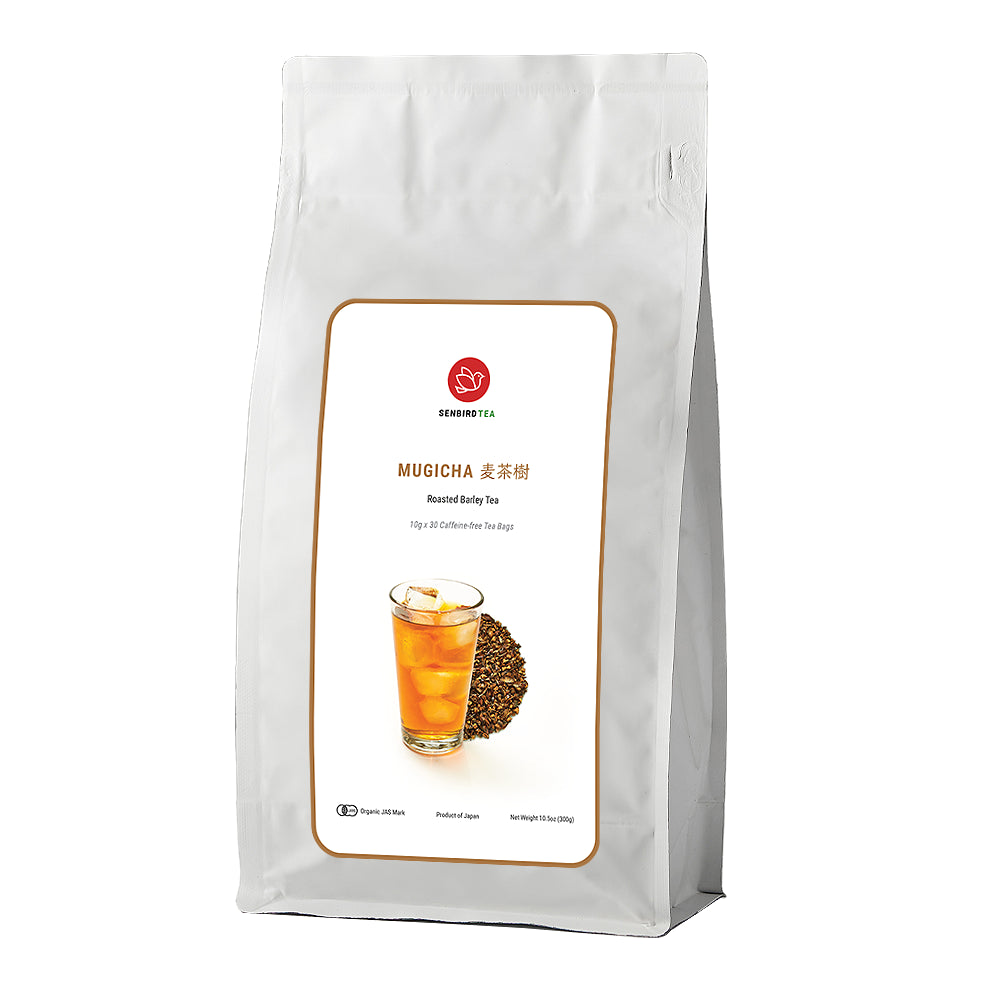
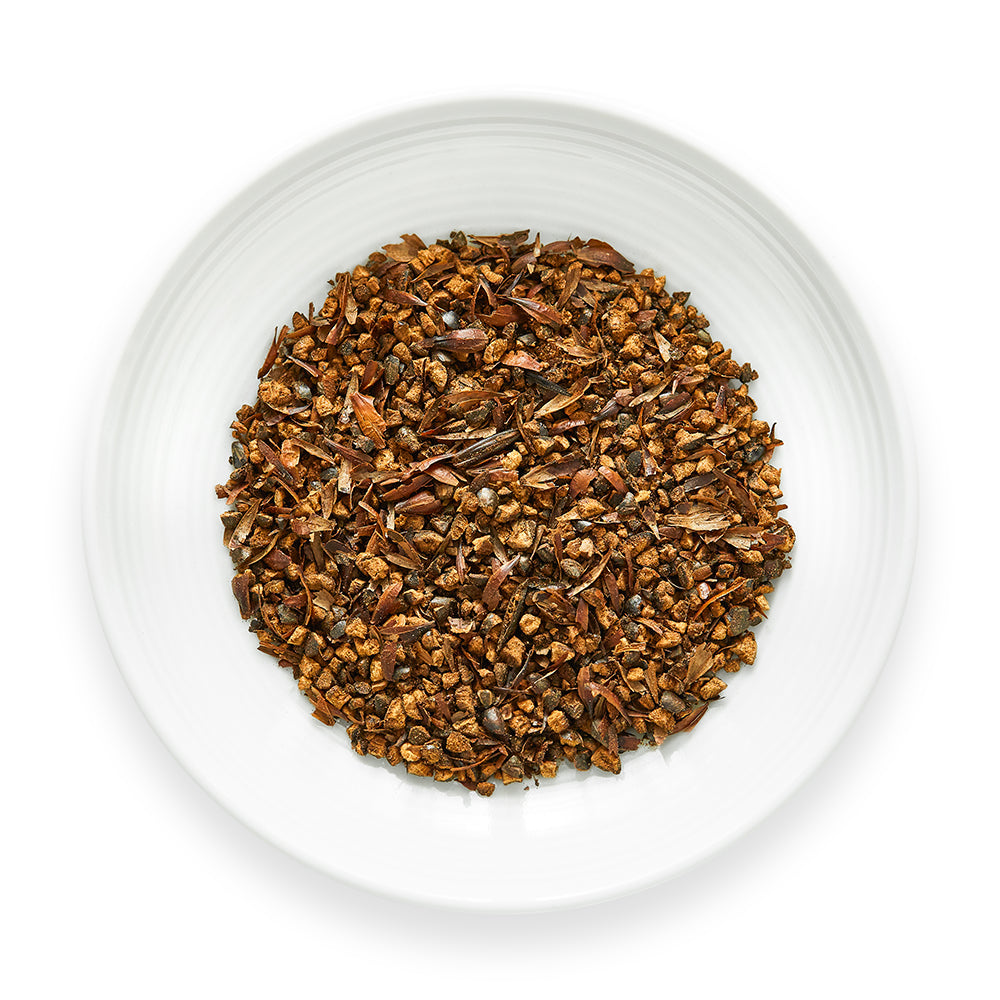
The preparation method has remained remarkably consistent over centuries. Whole barley grains are dry-roasted until they develop a deep golden-brown color and a distinctive nutty aroma, then steeped in water. Senbird Tea sources its mugicha from Japanese barley grains that are carefully roasted to achieve the ideal balance between toasty depth and natural sweetness — avoiding the burnt, bitter notes that inferior mugicha can develop from over-roasting. Experience Senbird Tea Mugicha Itsuki — carefully sourced for the ideal balance of toasty depth and natural sweetness.

Mugicha has been traditionally used in Japanese and Korean folk medicine to support digestion, and modern research supports this practice. Roasted barley contains soluble fiber that acts as a prebiotic, feeding beneficial gut bacteria and promoting a healthy microbiome. A study published in the Journal of the Science of Food and Agriculture found that barley tea compounds stimulate gastric fluid secretion, which aids in breaking down food more efficiently after meals. This is why mugicha is commonly served alongside or after meals in Japanese households.
The anti-inflammatory properties of roasted barley also help soothe the digestive tract. Research has identified alkylpyrazines — aromatic compounds created during the roasting process — that exhibit anti-inflammatory activity in the gut lining. For people who experience bloating or discomfort after meals, drinking Senbird Tea mugicha as a post-meal beverage may provide natural relief without the stimulating effects of caffeinated teas.
Regular consumption of barley tea has been linked to improved cardiovascular markers in several studies. Research published in the European Journal of Clinical Nutrition found that barley tea consumption improved blood fluidity — a measure of how easily blood flows through vessels — which may reduce the risk of blood clots and support overall heart health. The alkylpyrazines in roasted barley are believed to be the primary compounds responsible for this benefit.
Additionally, barley contains beta-glucan fiber, which has been extensively studied for its cholesterol-lowering effects. While mugicha contains lower concentrations of beta-glucan than whole barley grain, regular consumption as part of a balanced diet contributes to the cumulative intake of this heart-healthy fiber. Replacing sugary beverages with naturally sweet, calorie-free Senbird Tea mugicha is itself a cardiovascular benefit.
Unlike green tea, black tea, and coffee, mugicha contains zero caffeine because barley is a grain, not a tea plant. This makes mugicha from Senbird Tea safe for children, pregnant women, nursing mothers, and anyone who is caffeine-sensitive. In Japan, mugicha is the default beverage given to babies and young children during hot weather because it hydrates effectively without any stimulating compounds.
The mineral content of mugicha — including potassium, magnesium, and phosphorus — makes it a more effective hydrating beverage than plain water during periods of heavy perspiration. These electrolyte minerals help the body retain fluid and maintain proper cellular function, which is why Japanese athletes and outdoor workers often prefer mugicha over water during summer months.
The roasting process that gives mugicha its distinctive flavor also creates melanoidins — powerful antioxidant compounds formed through the Maillard reaction between sugars and amino acids during high-heat roasting. A study in the Journal of Agricultural and Food Chemistry found that roasted barley tea exhibited significant free radical scavenging activity, comparable to some green teas. These antioxidants help protect cells from oxidative stress that contributes to aging and chronic disease. Explore our full collection of Japanese herbal teas for more caffeine-free options.
Mugicha also provides trace amounts of selenium, zinc, iron, and B vitamins that support immune function and energy metabolism. While no single cup of mugicha delivers a significant percentage of daily requirements for these nutrients, the cumulative effect of drinking several cups daily — as is common in Japanese households — contributes meaningfully to overall mineral intake.

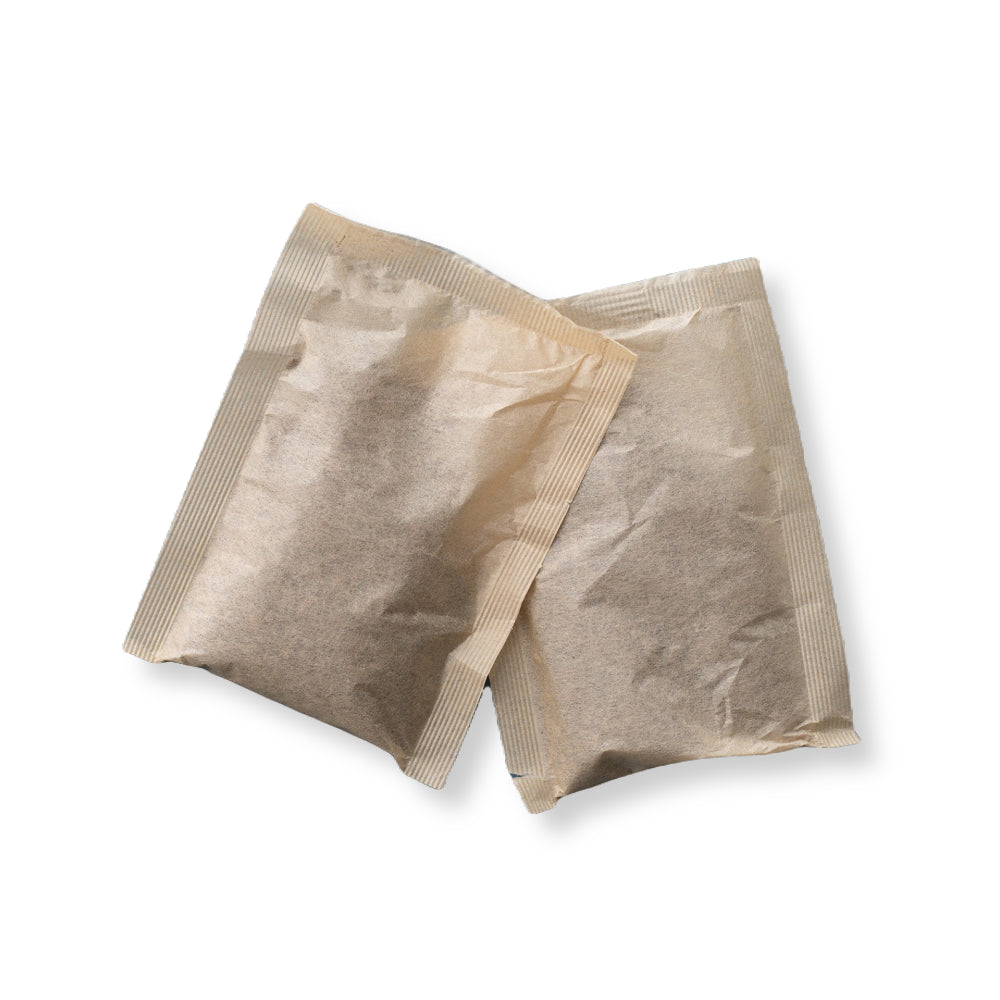
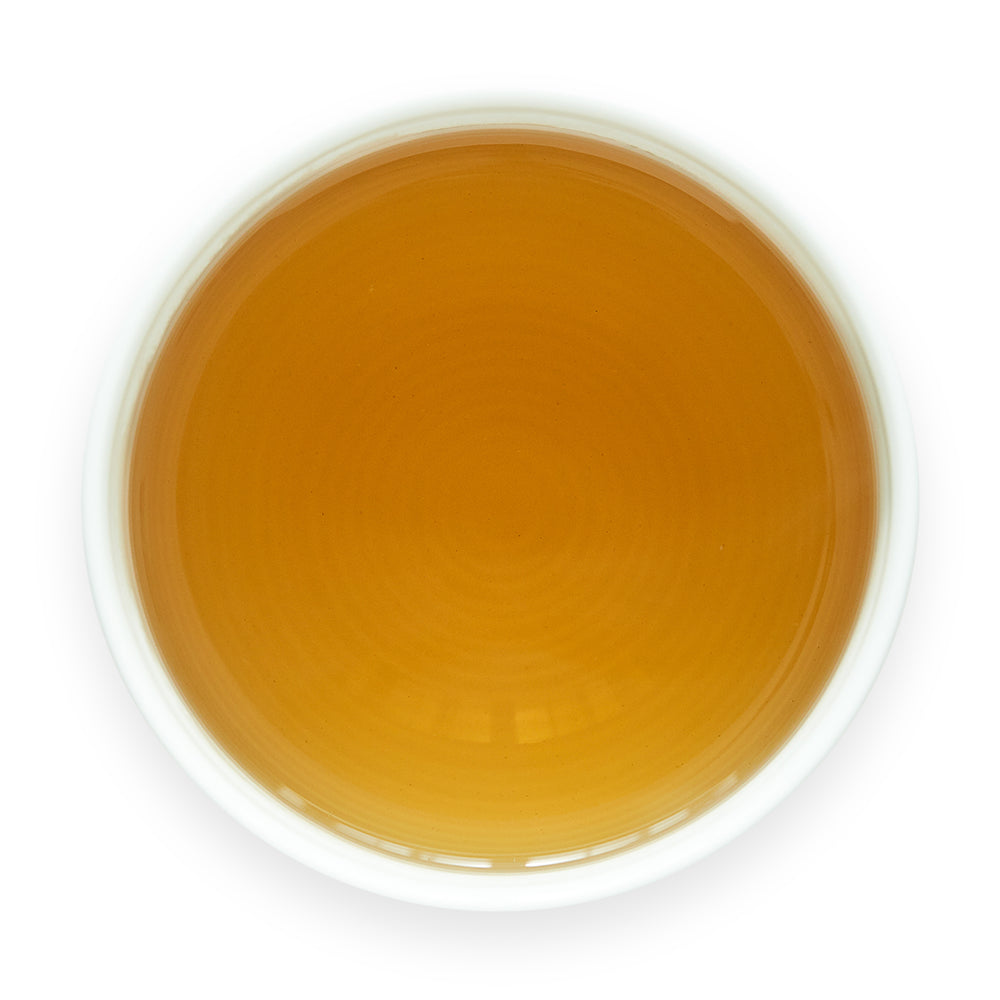
Senbird Tea Mugicha Itsuki brews easily using either cold or hot methods. For cold brew, add one tea bag or 15 grams of loose barley to 1 liter of cold water and refrigerate for 2-4 hours. For hot brew, bring 1 liter of water to a boil, add the barley, reduce heat and simmer for 5-10 minutes, then strain and let cool. The hot brew method produces a deeper, more robust flavor, while cold brewing emphasizes the natural sweetness. Both methods yield a golden-amber liquid with a clean, roasted grain aroma.

Mugicha shares the Japanese tea shelf with other low-caffeine favorites like hojicha roasted green tea, sobacha, and kukicha. Here is how they compare:
| Feature | Mugicha (Barley Tea) | Sobacha (Buckwheat Tea) | Hojicha (Roasted Green Tea) | Kukicha (Twig Tea) |
|---|---|---|---|---|
| Caffeine | Zero | Zero | Very Low (~7mg/cup) | Very Low (~3mg/cup) |
| Flavor | Toasty, malty, slightly sweet | Nutty, earthy, buckwheat | Roasted, caramel | Mild, creamy, sweet |
| Best Served | Cold or warm | Hot | Hot or cold | Hot |
| Key Nutrient | Minerals, melanoidins | Rutin (blood vessel support) | Catechins (antioxidants) | L-theanine (calm focus) |
| Kid-Friendly | Excellent | Good | Good (trace caffeine) | Good (trace caffeine) |
| Calorie-Free | Yes | Yes | Yes | Yes |
Yes, mugicha is completely caffeine-free and is considered safe for children of all ages, pregnant women, and nursing mothers. In Japan, mugicha is the standard beverage given to infants and toddlers during warm weather because it provides gentle hydration with beneficial minerals and zero stimulants. Senbird Tea Mugicha Itsuki contains only roasted barley with no additives, making it one of the safest and most wholesome beverages for the whole family. However, people with celiac disease or severe gluten sensitivity should consult their doctor, as barley is a gluten-containing grain.
Barley naturally contains gluten, and while the brewing process extracts only a small fraction of the grain's protein into the liquid, mugicha is not certified gluten-free. Most people with mild gluten sensitivity report no issues drinking mugicha, as the gluten concentration in the brewed tea is extremely low. However, people with celiac disease or diagnosed gluten intolerance should exercise caution and consult their healthcare provider before consuming mugicha. For a completely gluten-free alternative with a similar roasted flavor, Senbird Tea sobacha (buckwheat tea) offers a comparable experience using naturally gluten-free buckwheat groats.
Brewed mugicha stays fresh in the refrigerator for 2-3 days when stored in a sealed container. Unlike caffeinated teas that maintain flavor longer due to their preservative catechins, mugicha can develop off-flavors and cloudiness after the third day. For the best taste and safety, brew fresh batches every 2 days. In Japanese households, it is common to brew a new liter of mugicha every evening to have cold tea ready for the next day — the short brew time makes this a quick and effortless habit.
Absolutely. Daily mugicha consumption is standard practice in Japan, where many families drink multiple cups per day throughout the year. The absence of caffeine means there is no risk of dependence or tolerance buildup, and the mineral content supports daily hydration needs. Senbird Tea mugicha is calorie-free and sugar-free, making it an excellent replacement for sodas, juice, and other caloric beverages. Studies on habitual barley tea consumption in Japan have not identified any adverse effects from long-term daily use.
Mugicha has a distinctive roasted grain flavor that is quite different from traditional tea made from Camellia sinensis leaves. Expect a toasty, malty sweetness reminiscent of roasted nuts or toasted bread, with no bitterness or astringency. The flavor is naturally mild and slightly sweet without any added sugar. People who dislike the grassy or vegetal notes of green tea often find mugicha much more approachable. Senbird Tea Mugicha Itsuki is roasted to achieve a particularly smooth, balanced profile that works equally well served ice-cold in summer or warm on a cool evening.
麦茶樹
A smoky, full-bodied barley tea with toasty, nutty notes and zero caffeine, perfect for refreshing moments shared with family and friends.