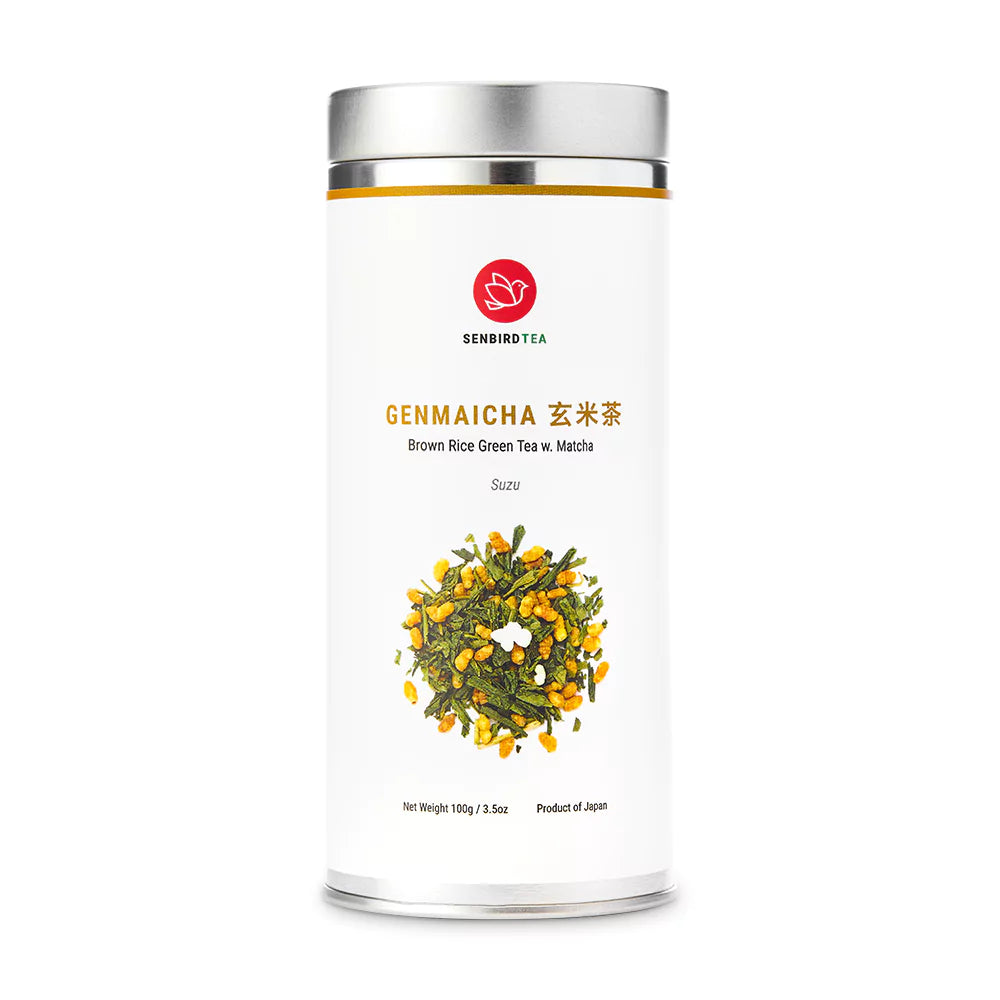
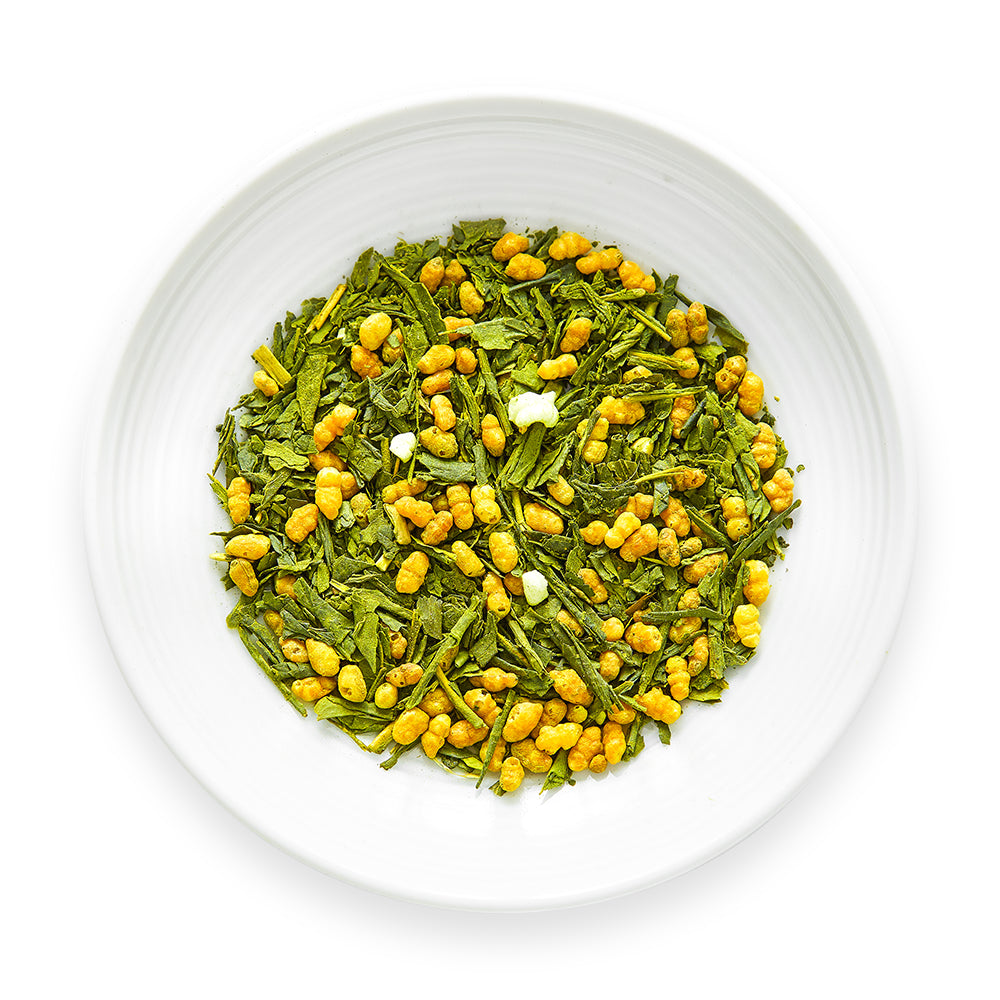
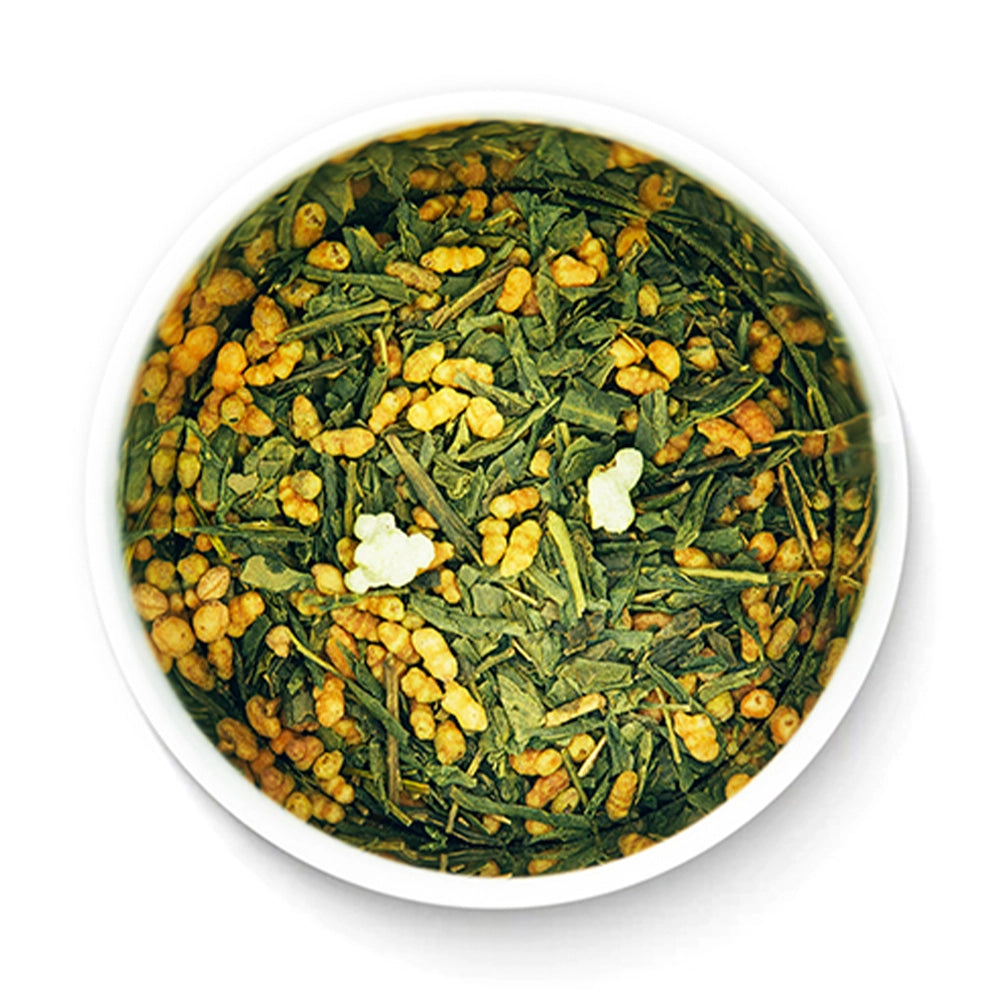
Genmaicha is a distinctive Japanese green tea blended with roasted brown rice kernels, combining the antioxidant benefits of green tea with the nutty, toasty flavor of puffed rice. Originally created as an affordable everyday tea in Japan, genmaicha has gained worldwide recognition for its approachable taste and impressive health profile. At Senbird Tea, our genmaicha is crafted from premium sencha leaves paired with carefully roasted domestic rice, delivering a balanced cup that supports blood sugar regulation, cardiovascular health, and daily relaxation.
The information provided in this article is for educational and informational purposes only and is not intended as medical advice. It should not be used as a substitute for professional medical advice, diagnosis, or treatment. Always consult your physician or other qualified healthcare provider with any questions you may have regarding a medical condition or before making any changes to your diet or wellness routine.

Genmaicha’s combination of green tea catechins and brown rice creates a uniquely effective beverage for blood sugar management. The catechins in green tea—particularly EGCG—have been shown to improve insulin sensitivity and reduce post-meal glucose spikes. A study in the American Journal of Clinical Nutrition found that green tea consumption was associated with a 33% reduction in the risk of developing type 2 diabetes.
The brown rice component adds another dimension: roasted rice has a lower glycemic index than refined grains and provides a slow-release energy source. Drinking Senbird Tea Genmai Matcha Suzu with meals may help moderate the glycemic impact of carbohydrate-rich foods, making it a practical addition to a balanced diet.

The catechins in genmaicha’s green tea base support cardiovascular health through multiple mechanisms. Research published in the European Journal of Preventive Cardiology found that regular green tea consumption was associated with a 28% lower risk of coronary artery disease. These catechins help reduce LDL cholesterol oxidation—a key step in arterial plaque formation—and improve endothelial function, which keeps blood vessels flexible and responsive.
Genmaicha is particularly well-suited for heart-health routines because its lower caffeine content (compared to pure sencha) makes it easy to drink multiple cups throughout the day without overstimulation. Each cup contributes a cumulative dose of protective polyphenols.

Green tea contains natural fluoride and catechins that inhibit the growth of Streptococcus mutans—the primary bacteria responsible for tooth decay and plaque formation. A study in the Journal of Periodontology found that regular green tea consumption was associated with improved periodontal health, including reduced gum inflammation and lower rates of tooth loss in older adults.
Unlike sugary beverages or acidic drinks, genmaicha is naturally calorie-free and non-erosive to tooth enamel. The roasted rice adds flavor complexity without any added sugars, making Senbird Tea genmaicha a tooth-friendly alternative to coffee, juice, or flavored waters.

The chlorophyll present in genmaicha (the same detoxifying compound found in abundance in matcha)’s green tea leaves supports the body’s natural detoxification pathways by binding to environmental toxins and heavy metals, aiding their elimination. Green tea polyphenols also support liver function—the body’s primary detoxification organ—by reducing oxidative stress on hepatic cells.
The selenium naturally present in brown rice further supports thyroid function, which regulates metabolism and energy levels. A well-functioning thyroid is essential for the body’s ability to process and eliminate waste products efficiently. Drinking genmaicha provides these trace minerals as part of a natural, whole-food beverage.

Like all Japanese green teas, genmaicha contains L-theanine, an amino acid that promotes alpha brain wave activity associated with calm alertness. Genmaicha’s moderate caffeine content (approximately 20–30 mg per cup, lower than pure sencha due to the rice dilution) paired with L-theanine creates a gentle, focused energy without jitteriness.
The warm, toasty aroma of the roasted rice adds a sensory comfort element that many Senbird Tea customers describe as inherently calming. This combination of biochemical relaxation from L-theanine and aromatic comfort makes genmaicha an ideal afternoon or evening tea for unwinding while maintaining mental clarity. For an even lower caffeine evening option, explore Senbird Tea's hojicha roasted green tea.
| Property | Genmaicha | Sencha | Hojicha |
|---|---|---|---|
| Caffeine | 20–30 mg | 30–50 mg | 15–25 mg |
| Flavor profile | Nutty, toasty, grassy | Grassy, vegetal | Roasty, caramel |
| Key antioxidant | EGCG + selenium | EGCG | Catechins (lower) |
| Best time | Anytime / with meals | Morning / afternoon | Afternoon / evening |
Genmaicha has a warm, nutty flavor from the roasted brown rice combined with the fresh, grassy notes of green tea. The rice adds a toasty, popcorn-like aroma that softens the vegetal character of the tea. Senbird Tea’s genmaicha strikes a balanced ratio that prevents either component from overpowering the other.
Yes. Because the roasted rice replaces a portion of the tea leaves in each serving, genmaicha typically contains 20–30 mg of caffeine per cup—roughly 30–40% less than pure sencha. This makes it a good choice for people who enjoy green tea but want to moderate their caffeine intake.
Genmaicha is one of the gentlest Japanese green teas on the stomach. The roasted rice provides a mild buffering effect that reduces the astringency some people experience when drinking pure green tea without food. Many people in Japan drink genmaicha first thing in the morning without any digestive discomfort.
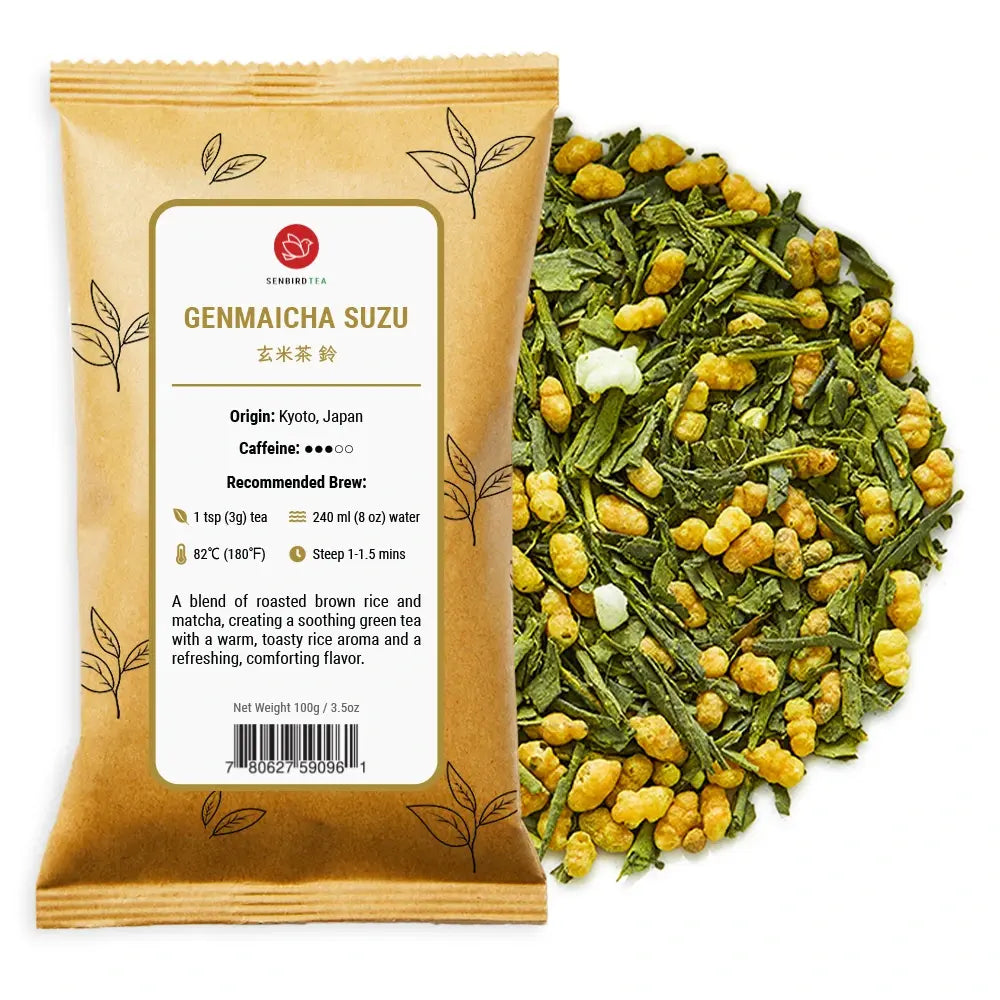
Use 4–5 grams of genmaicha per 200 ml of water heated to 80–85°C (176–185°F). Steep for 60–90 seconds for the first infusion. Genmaicha can be re-steeped 2–3 times, with each subsequent infusion requiring slightly hotter water and longer steeping time. Avoid boiling water, which can make the tea bitter.
During the toasting process, some brown rice grains pop open like miniature popcorn kernels, creating the distinctive puffed rice pieces visible in the blend. This visual resemblance to popcorn, combined with the warm, toasty aroma, led Western tea markets to nickname genmaicha "popcorn tea."
Standard genmaicha is made with rice, which is naturally gluten-free. However, some producers may process genmaicha in facilities that also handle wheat products. Senbird Tea’s genmaicha uses pure Japanese rice, but customers with severe gluten allergies should verify processing facility practices for their specific needs.
抹茶入り玄米茶鈴
A blend of roasted brown rice and Kyoto matcha, creating a soothing green tea with a warm, toasty rice aroma and a refreshing, comforting flavor.