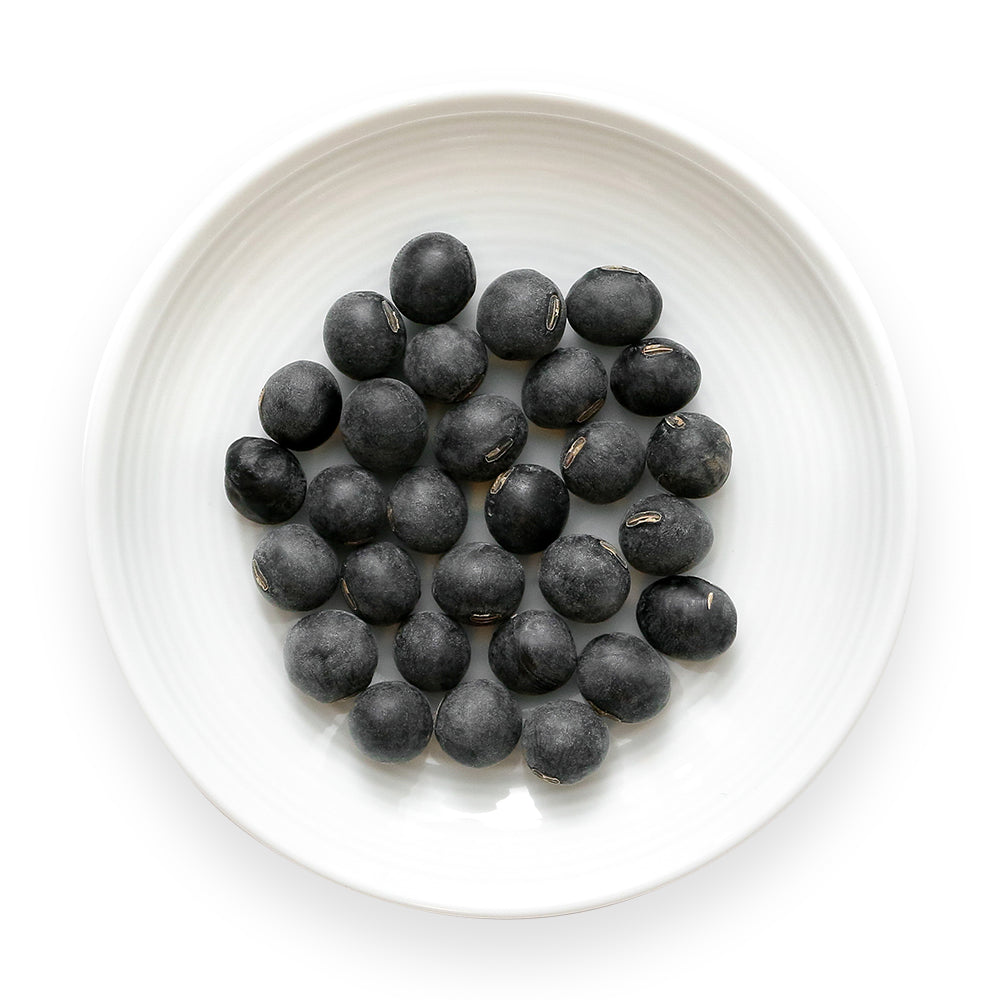
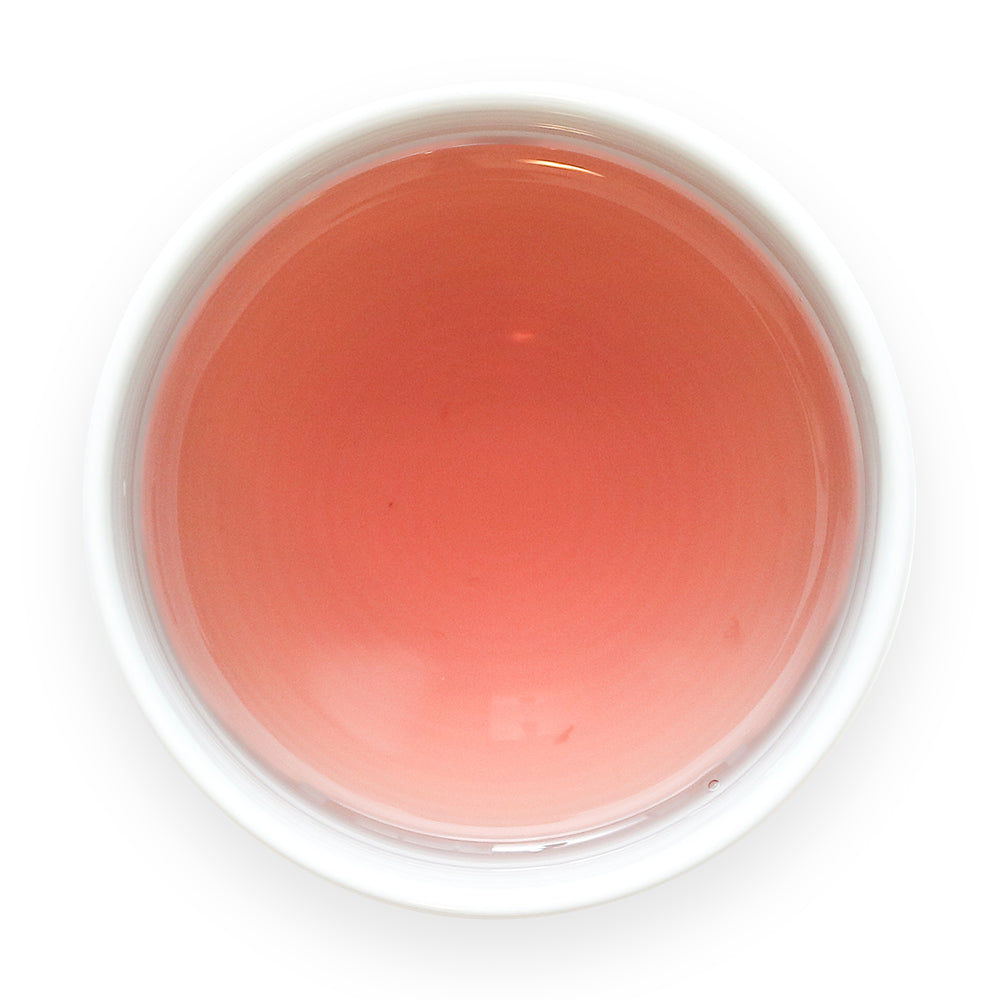
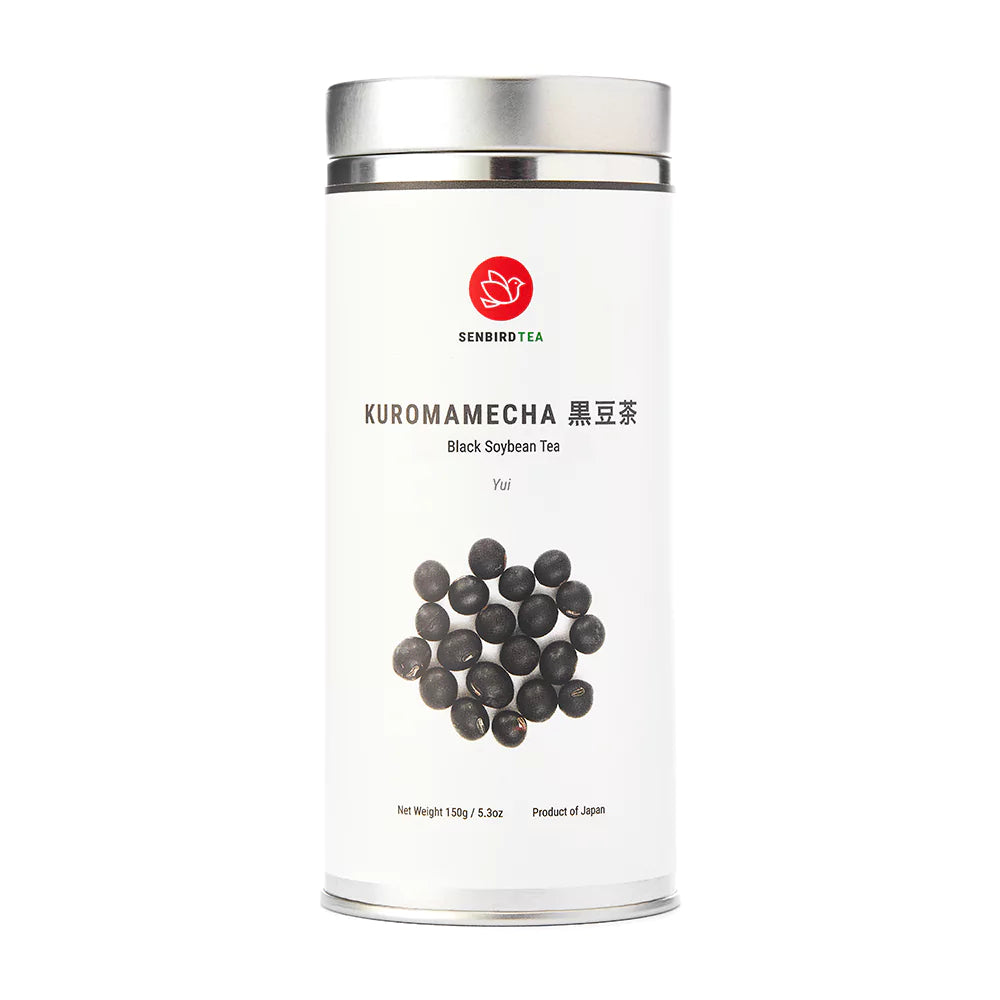
Kuromamecha (black soybean tea) is a caffeine-free Japanese herbal tea brewed from roasted kuromame (black soybeans) that offers a range of science-backed health benefits. Rich in anthocyanins, isoflavones, and saponins, this nutty, naturally sweet tea has been consumed in Japan for centuries as both a daily beverage and a traditional wellness remedy. Here are five key health benefits of kuromamecha from Senbird Tea, supported by nutritional research.
The information provided in this article is for educational and informational purposes only and is not intended as medical advice. It should not be used as a substitute for professional medical advice, diagnosis, or treatment. Always consult your physician or other qualified healthcare provider with any questions you may have regarding a medical condition or before making any changes to your diet or wellness routine.

The dark pigment in black soybean skin is rich in anthocyanins, the same class of powerful antioxidants found in blueberries, acai berries, and red wine. Anthocyanins neutralize free radicals—unstable molecules that damage cells and accelerate aging. A 2012 study published in the Journal of Agricultural and Food Chemistry found that black soybean extract demonstrated significant antioxidant capacity, protecting cells from oxidative stress in laboratory conditions.
These antioxidant properties translate to potential benefits for skin health (protecting collagen from UV-induced breakdown), cardiovascular health (reducing oxidative damage to blood vessels), and overall cellular vitality. Regular consumption of anthocyanin-rich foods has been associated with slower biological aging markers in multiple population studies. Drinking Senbird Tea’s kuromamecha daily provides a convenient, zero-calorie way to increase your anthocyanin intake.

Beyond their antioxidant activity, black soybean anthocyanins have demonstrated anti-inflammatory properties in clinical research. A 2018 meta-analysis in Critical Reviews in Food Science and Nutrition found that dietary anthocyanin intake was associated with reduced markers of inflammation (C-reactive protein) and improved blood lipid profiles, both key factors in cardiovascular disease prevention.
Black soybeans also contain polyphenolic compounds that may support healthy blood sugar regulation. A 2016 study in Nutrition Research showed that black soybean consumption improved insulin sensitivity in overweight adults. While more research is needed, these findings suggest that kuromamecha may complement a heart-healthy lifestyle when consumed as part of a balanced diet.
![[Needs visual review - auto-categorized from filename: running-for-health-718X535.webp]](https://cdn.shopify.com/s/files/1/0805/7857/6667/files/japanese-tea-lifestyle-running-for-health-blog.webp?v=1771650793)
Kuromamecha contains saponins, natural plant compounds that research has linked to lipid metabolism support. Saponins may help reduce the absorption of dietary fat in the intestines and support healthy cholesterol levels. A study in the Journal of Medicinal Food found that soybean saponins reduced body weight gain and visceral fat in animal models fed high-fat diets.
Additionally, Senbird Tea kuromamecha is naturally zero-calorie and caffeine-free, making it an excellent replacement for sugary beverages or caloric afternoon snacks. The warm, satisfying flavor of roasted black soybeans provides a sense of fullness that can help manage between-meal cravings without adding calories.

Unlike green tea, black tea, or matcha, kuromamecha is brewed from roasted soybeans—not from the Camellia sinensis plant—and contains absolutely zero caffeine. This makes it ideal for several groups: people with caffeine sensitivity who experience jitteriness or insomnia from even small amounts of caffeine, pregnant or breastfeeding women seeking a warm, healthy beverage (consult your doctor), children, and anyone wanting a soothing evening drink without disrupting sleep.
Despite being caffeine-free, kuromamecha’s B-vitamin content provides gentle, natural energy support without stimulation. This makes it a satisfying all-day beverage that complements your morning Senbird Tea green tea routine without adding more caffeine to your afternoon or evening.

Black soybeans are a rich source of isoflavones, particularly daidzein and genistein. These plant compounds have a molecular structure similar to human estrogen and can bind to estrogen receptors in the body, acting as mild phytoestrogens. A 2019 meta-analysis in the journal Nutrients found that soy isoflavone supplementation was associated with improved bone mineral density in postmenopausal women—a group at elevated risk for osteoporosis due to declining estrogen levels.
Isoflavones from black soybeans may also help alleviate menopausal symptoms such as hot flashes and night sweats. A 2015 Cochrane Review found modest but consistent evidence that soy isoflavones reduced the frequency of hot flashes compared to placebo. For women in perimenopause or menopause, drinking Senbird Tea kuromamecha regularly provides a gentle, food-based approach to hormonal support.

| Nutrient / Compound | Health Benefit | Evidence Level |
|---|---|---|
| Anthocyanins | Antioxidant, anti-aging, cardiovascular | Strong (multiple studies) |
| Isoflavones | Bone health, hormonal balance | Moderate (meta-analyses) |
| Saponins | Lipid metabolism, weight management | Moderate (animal + human studies) |
| Protein / Fiber | Satiety, digestive health | Well-established |
| B Vitamins | Energy metabolism, nervous system | Well-established |
Most research on black soybean benefits uses quantities equivalent to 2–3 cups of kuromamecha per day. Because it is caffeine-free and zero-calorie, there is no strict upper limit for healthy adults. Start with 1–2 cups and increase as desired. As with any dietary change, consult your healthcare provider if you have soy allergies or are on medication.
Kuromamecha is made from soybeans and should be avoided by anyone with a diagnosed soy allergy. If you are unsure about your sensitivity, consult an allergist before trying kuromamecha. For a caffeine-free alternative without soy, consider Senbird Tea’s mugicha (barley tea) or sobacha (buckwheat tea).
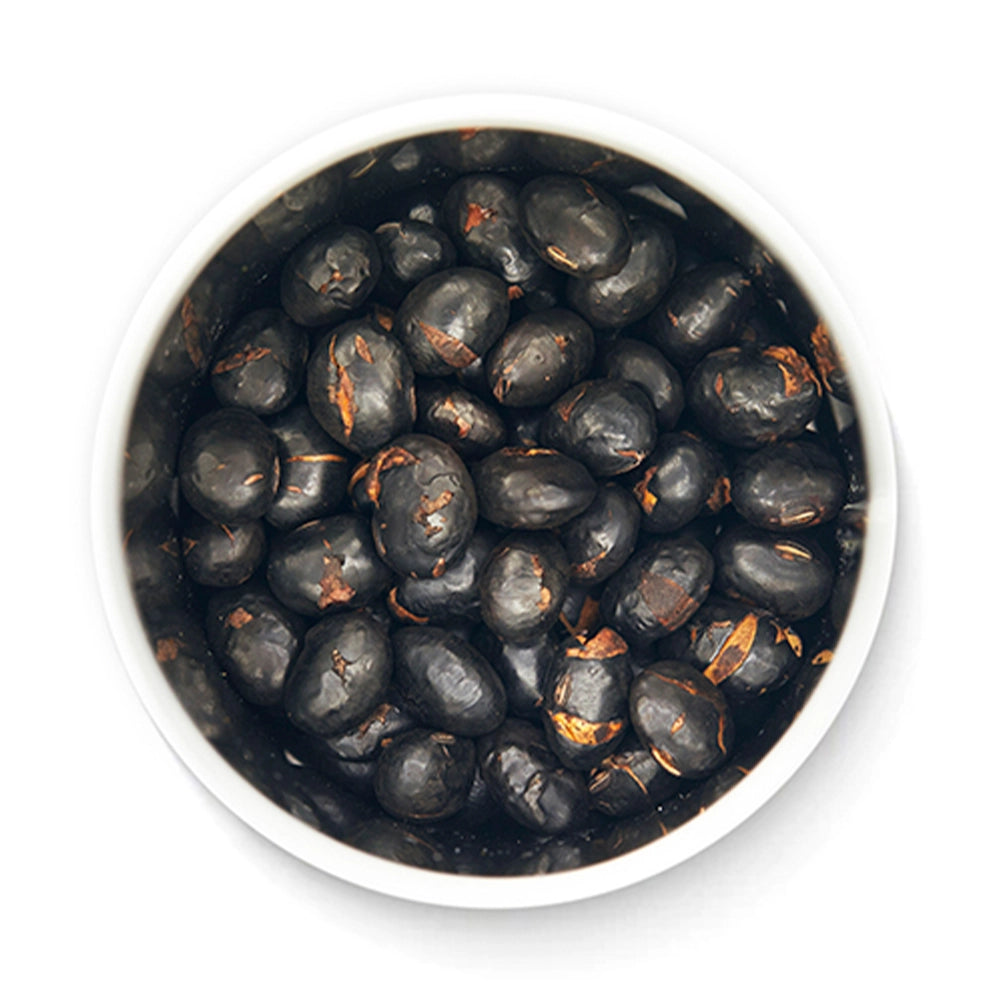
Roasting does reduce some heat-sensitive nutrients (like vitamin C), but the key bioactive compounds in kuromamecha—anthocyanins, isoflavones, and saponins—are relatively heat-stable and survive the roasting process. In fact, roasting develops new antioxidant compounds (Maillard reaction products) that are not present in raw soybeans.
Yes. After steeping, the softened kuromame retains significant protein, fiber, and nutrients. Eating them after brewing is a traditional Japanese practice that maximizes the nutritional value of the beans. Add them to rice, salads, or eat them as a snack.
Both offer significant health benefits through different mechanisms. Green tea from Senbird Tea provides catechins (EGCG), L-theanine, and caffeine. Kuromamecha provides anthocyanins, isoflavones, and saponins without caffeine. They complement each other well—drink green tea during the day for antioxidants and focused energy, and kuromamecha in the evening for caffeine-free antioxidant support.
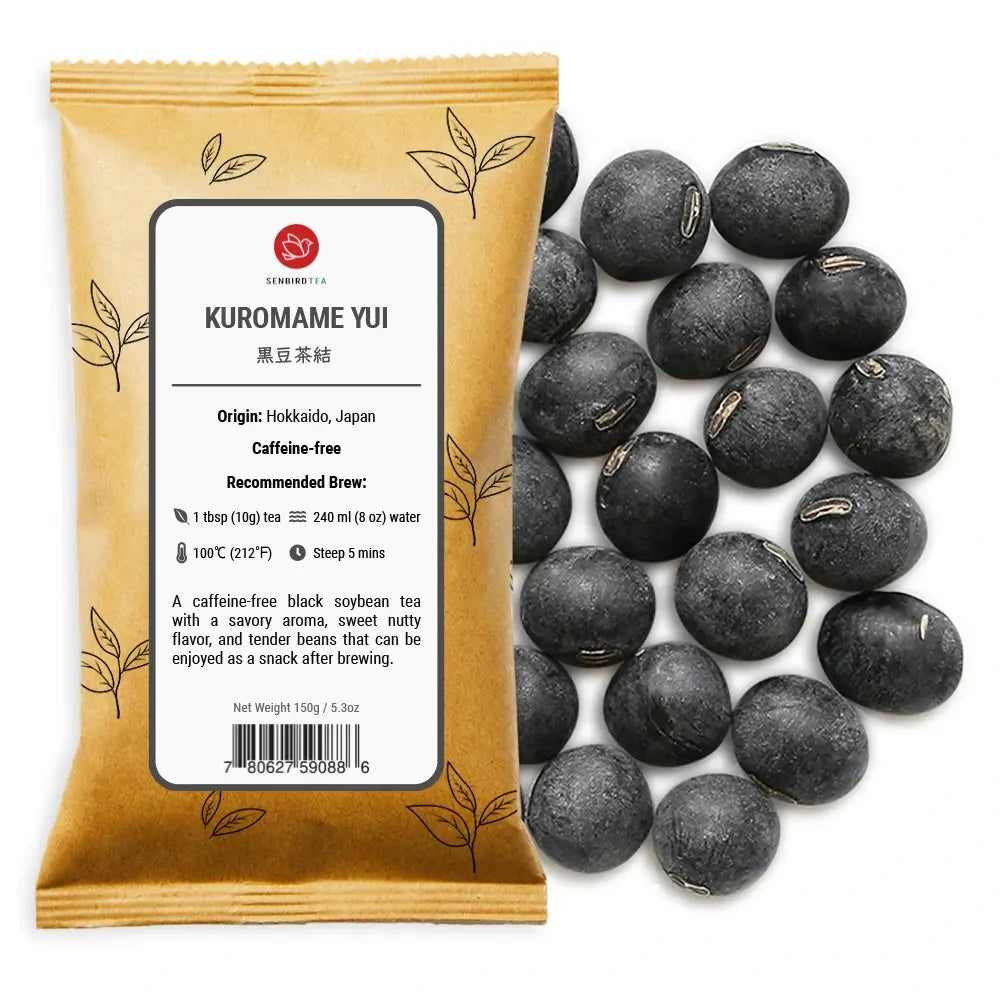
黒豆茶結
A caffeine-free black soybean tea from Hokkaido with a savory aroma, sweet nutty flavor, and tender beans that can be enjoyed as a snack after brewing.