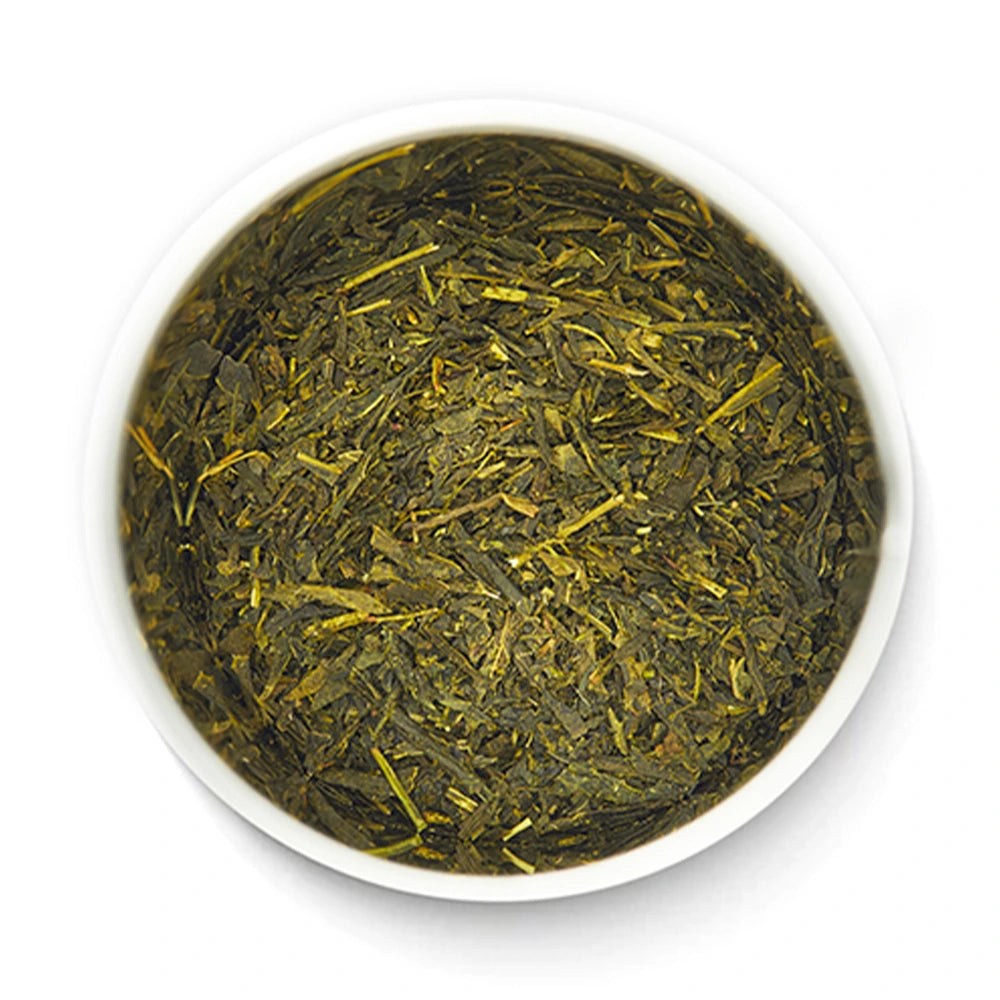
Drinking hot tea during summer may seem counterintuitive, but scientific research and centuries of cultural practice across Asia, the Middle East, and North Africa confirm that hot beverages can actually help your body cool down more effectively than cold drinks under the right conditions. The four primary benefits of drinking hot tea in summer are enhanced evaporative cooling through perspiration, improved hydration efficiency, better digestive comfort, and continued access to the full antioxidant and health benefits that hot water extracts more completely from tea leaves. Senbird Tea offers a range of Japanese teas that are equally enjoyable hot or cold, making them ideal year-round beverages.

The practice of drinking hot beverages in warm weather has deep historical roots across multiple cultures. In Japan, hot green tea (ocha) is served year-round regardless of temperature, and traditional Japanese inns (ryokan) offer hot tea to guests even during the peak of summer. Similarly, cultures across the Middle East, India, and North Africa have consumed hot tea during their hottest months for centuries. This widespread, independently developed practice across geographically diverse cultures suggests a genuine physiological benefit rather than mere cultural convention. Explore our selection of gyokuro green tea to enhance your tea experience.
Modern research has validated this traditional wisdom. A landmark 2012 study published in Acta Physiologica by researchers at the University of Ottawa's School of Human Kinetics found that drinking hot beverages in warm, dry conditions can reduce overall body heat storage more effectively than drinking cold beverages. The mechanism is thermoregulatory — hot liquid raises core body temperature slightly, which triggers the hypothalamus to increase sweat production. As this additional sweat evaporates from the skin, it removes more heat from the body than the hot liquid added, creating a net cooling effect. This evaporative cooling principle is the same reason sweating exists as the human body's primary temperature regulation system.

The most significant benefit of drinking hot tea in summer is the activation of your body's natural cooling system through increased perspiration. When you drink a hot beverage, thermosensors in your esophagus and stomach detect the rise in temperature and signal the hypothalamus to initiate a sweating response. This sweat, as it evaporates from the skin surface, carries heat away from the body through the process of evaporative cooling — each gram of sweat that evaporates removes approximately 2,427 joules of heat energy.
The University of Ottawa study demonstrated that hot drinks increased sweat output by an amount that more than compensated for the heat added by the beverage itself, resulting in a net decrease in body heat storage. This cooling advantage is most effective in dry environments where sweat can evaporate freely. In very humid conditions (above 80% relative humidity), sweat evaporation is significantly reduced, which means the cooling benefit of hot drinks is diminished. Senbird Tea recommends hot tea as a summer cooling strategy particularly for those in drier climates or air-conditioned indoor environments where evaporation occurs readily.

Hot tea can contribute to more effective summer hydration than ice-cold beverages for several physiological reasons. When you drink very cold liquids, the body must expend energy warming them to core body temperature (98.6°F / 37°C) before they can be fully absorbed by the digestive system. While this energy expenditure is minimal in absolute terms, the cold temperature can also cause temporary constriction of blood vessels in the stomach lining, potentially slowing the rate of fluid absorption. Hot or warm beverages, by contrast, are closer to body temperature and can be absorbed more rapidly without requiring this thermal adjustment.
Additionally, hot tea encourages slower, more deliberate sipping rather than the rapid gulping that cold drinks invite. This slower consumption rate allows the body to process and distribute fluids more efficiently, reducing the likelihood of the bloated, overly-full sensation that comes from drinking large volumes of ice water quickly. Research in the European Journal of Applied Physiology has shown that fluid absorption rate and hydration status are optimized when beverages are consumed at moderate temperatures (50–60°C / 122–140°F) rather than at extremes of hot or cold. Senbird Tea's Japanese green teas are naturally hydrating and provide electrolyte minerals including potassium and magnesium that support fluid balance during summer heat.

Summer eating patterns — which often include cold foods, raw salads, ice cream, and chilled beverages — can challenge the digestive system, leading to bloating, cramping, and discomfort. In Traditional Chinese Medicine and Japanese kampo medicine, cold foods and drinks are believed to weaken digestive fire (a concept roughly analogous to the Western understanding of reduced enzymatic activity at lower temperatures). Drinking hot tea alongside or after summer meals supports digestion by maintaining the optimal temperature range for digestive enzymes to function effectively.
Research published in the Journal of Neurogastroenterology and Motility found that warm liquids promote gastric motility — the muscular contractions that move food through the digestive tract — more effectively than cold liquids. This improved motility can reduce post-meal bloating and discomfort, particularly after heavy summer barbecue meals or picnic foods. Japanese tea culture traditionally includes serving hot green tea with meals specifically because the catechins in green tea aid fat digestion, and the warm temperature supports overall digestive function. Senbird Tea's hojicha is an especially good post-meal choice in summer because its low caffeine content and warm, toasty flavor provide digestive comfort without sleep disruption.
![[Needs visual review - auto-categorized from filename: genmaicha-herbal5.webp]](https://cdn.shopify.com/s/files/1/0805/7857/6667/files/herbal-tea-genmaicha-brown-rice-green-tea-tsukimi-brown-rice-tea-senbird-tin-brewed-cup-hands-blog.webp?v=1771720594)
Hot water extracts significantly more antioxidants, catechins, caffeine, and other beneficial compounds from tea leaves than cold water. Research in the Journal of Food Science measured the extraction efficiency of catechins at various water temperatures and found that water at 80°C (175°F) extracted 2–3 times more EGCG (the most potent green tea antioxidant) than cold water over equivalent steeping periods. While cold-brewed tea offers its own advantages (smoother taste, less bitterness, lower caffeine), drinking hot-brewed tea in summer ensures you receive the maximum possible concentration of health-promoting compounds from every cup.
This benefit is particularly relevant for people who drink tea primarily for its health benefits — including cardiovascular support, metabolic enhancement, and anti-inflammatory effects. If you switch entirely to cold brew during summer months, you may be consuming 30–50% fewer catechins per serving than you would with hot-brewed tea. Senbird Tea recommends a balanced approach: hot-brewed Japanese green tea in the morning and early afternoon for maximum antioxidant intake, and cold-brewed tea in the late afternoon and evening for refreshment and gentle hydration. This combination ensures year-round access to the full spectrum of tea's health benefits regardless of the season.
| Benefit | Mechanism | Best Conditions | Supporting Evidence |
|---|---|---|---|
| Evaporative cooling | Hot liquid triggers sweating; sweat evaporation removes heat | Dry climates, below 80% humidity | University of Ottawa, Acta Physiologica 2012 |
| Hydration efficiency | Warm fluids absorb faster; slower sipping improves distribution | All conditions | European Journal of Applied Physiology |
| Digestive comfort | Warm liquid supports enzyme activity and gastric motility | After meals, heavy foods | Journal of Neurogastroenterology and Motility |
| Full antioxidant extraction | Hot water extracts 2–3x more catechins than cold | All conditions | Journal of Food Science |
Yes, under the right conditions. Research from the University of Ottawa published in Acta Physiologica demonstrated that hot beverages can reduce total body heat storage more effectively than cold beverages in dry conditions. The mechanism works through thermoregulatory sweating — the hot liquid triggers increased perspiration, and as this sweat evaporates, it removes more heat from the body than the hot drink added. However, this net cooling effect depends on the sweat being able to evaporate. In very humid environments (above approximately 80% relative humidity), sweat evaporation is significantly impaired, and the cooling advantage of hot drinks is reduced or eliminated. In those conditions, cold drinks may be more effective for immediate cooling.
The best Japanese teas for hot summer drinking are those with naturally refreshing, clean flavor profiles that do not feel heavy or overpowering in warm weather. Sencha is the top choice — its bright, grassy character and moderate body make it refreshing even when served hot. Gyokuro offers a more concentrated umami experience for dedicated tea enthusiasts. Hojicha is excellent after summer meals because its roasted, caramel flavor is comforting without being heavy, and its low caffeine content means it can be enjoyed late in the day. Kukicha (stem tea) is another excellent summer option due to its light, naturally sweet character and very low caffeine. Senbird Tea recommends keeping all four varieties available during summer for different times of day and occasions.
Most health authorities consider 3–5 cups of green tea per day to be a beneficial and safe intake level for healthy adults, and this recommendation applies year-round including summer months. The European Food Safety Authority sets an adult caffeine limit of 400mg per day, and since a cup of Japanese green tea contains approximately 30–50mg of caffeine, 5 cups would contribute 150–250mg — well within safe limits. In summer, you may want to supplement hot tea with cold-brewed tea or caffeine-free mugicha to increase total fluid intake without exceeding caffeine guidelines. Adequate daily hydration during summer typically requires 2.5–3.5 liters of total fluid, so hot tea should be one component of an overall hydration strategy that also includes water and other beverages.
No, hot tea is not dehydrating despite its caffeine content. While caffeine has a mild diuretic effect in isolation, research published in the journal PLOS ONE found that tea consumed in normal quantities (up to 6 cups per day) is equally as hydrating as an equivalent volume of water. The fluid volume in each cup of tea far exceeds the small amount of additional fluid loss caused by caffeine's diuretic effect, resulting in a net positive contribution to hydration. A 2014 study in the British Journal of Nutrition confirmed that regular tea consumption does not compromise hydration status even during physical activity. Senbird Tea's Japanese green teas contribute to daily hydration while also providing beneficial antioxidants, amino acids, and minerals.
During extreme heat events (temperatures above 100°F / 38°C with high humidity), the priority should be rapid cooling and aggressive hydration using whatever temperature beverage you will consume in the greatest quantity. While hot tea provides evaporative cooling benefits under normal summer conditions, extreme heat with high humidity reduces the body's ability to cool through sweat evaporation, making cold fluids potentially more beneficial for immediate core temperature reduction. In these situations, Senbird Tea recommends prioritizing cold-brewed teas and iced water for hydration, reserving hot tea for mornings or cooler parts of the day. If you experience symptoms of heat exhaustion, seek medical attention immediately rather than relying on any beverage as treatment.
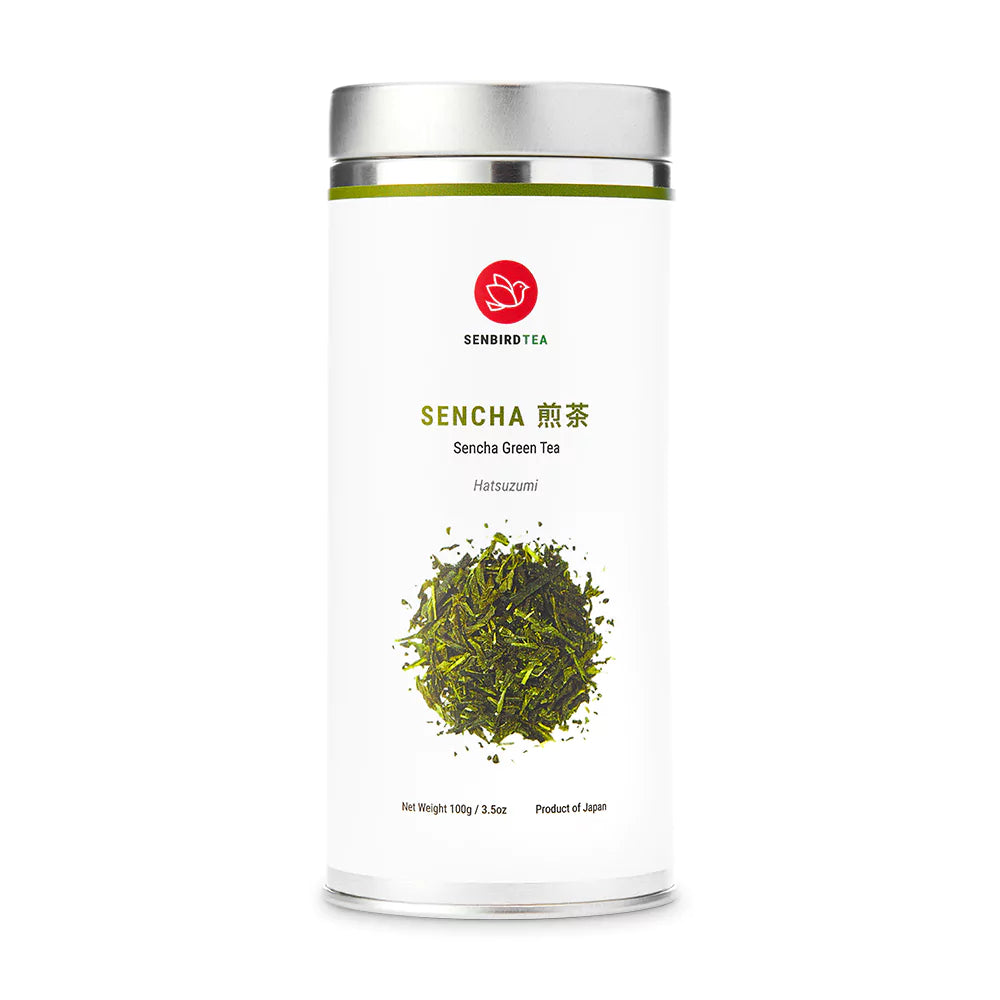
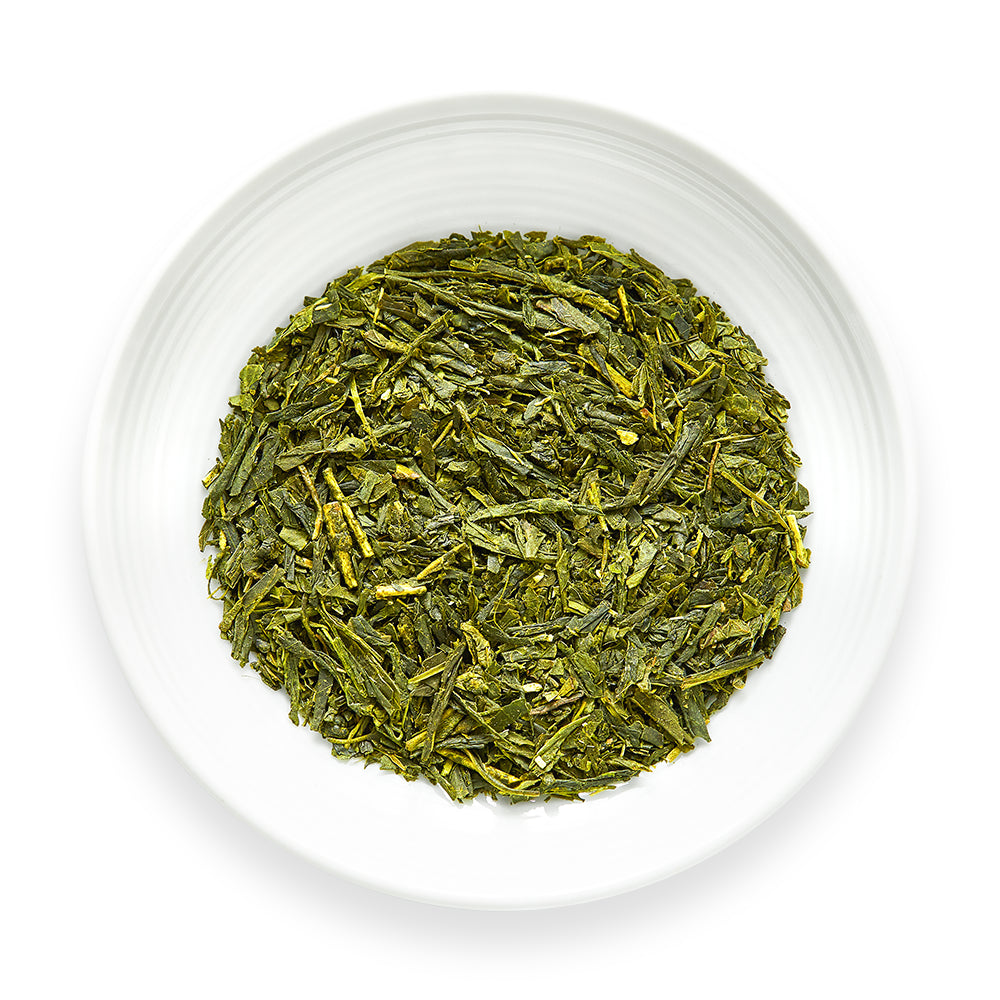
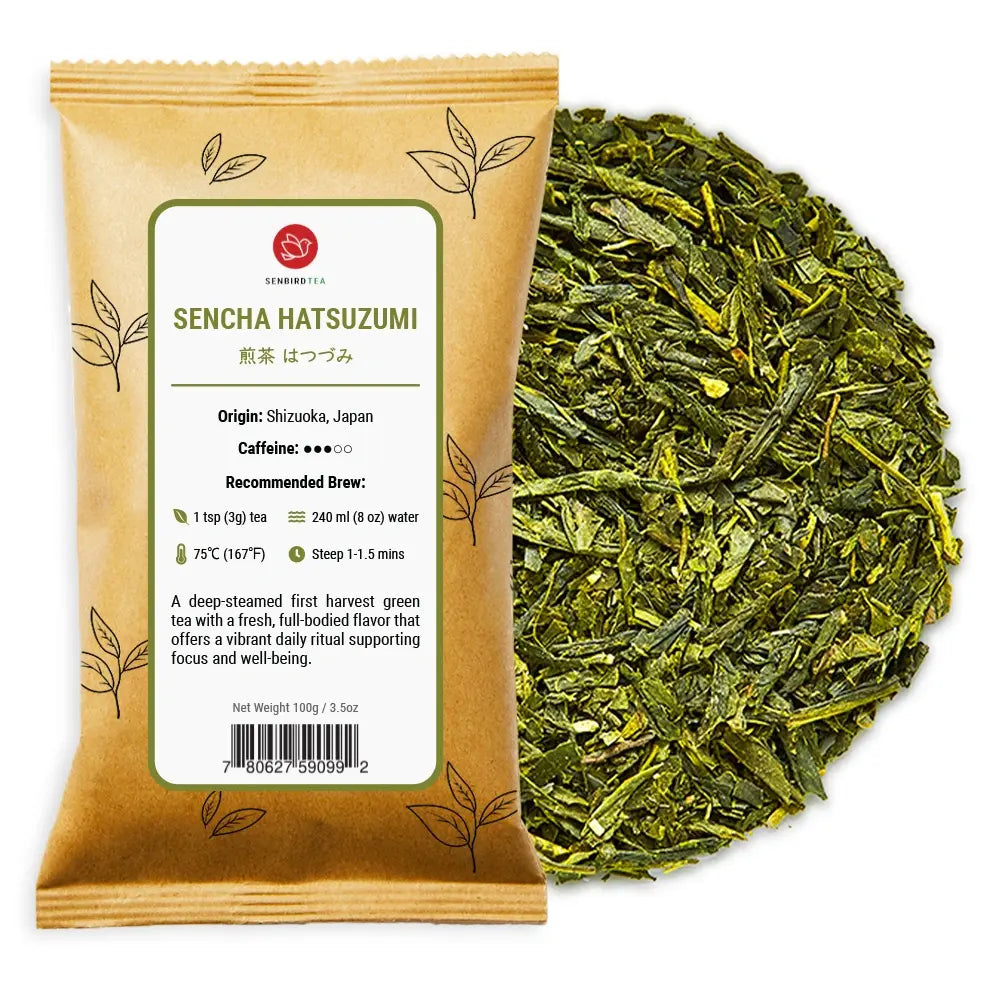
煎茶はつづみ
A deep-steamed first harvest green tea with a fresh, full-bodied flavor that offers a vibrant daily ritual supporting focus and well-being.