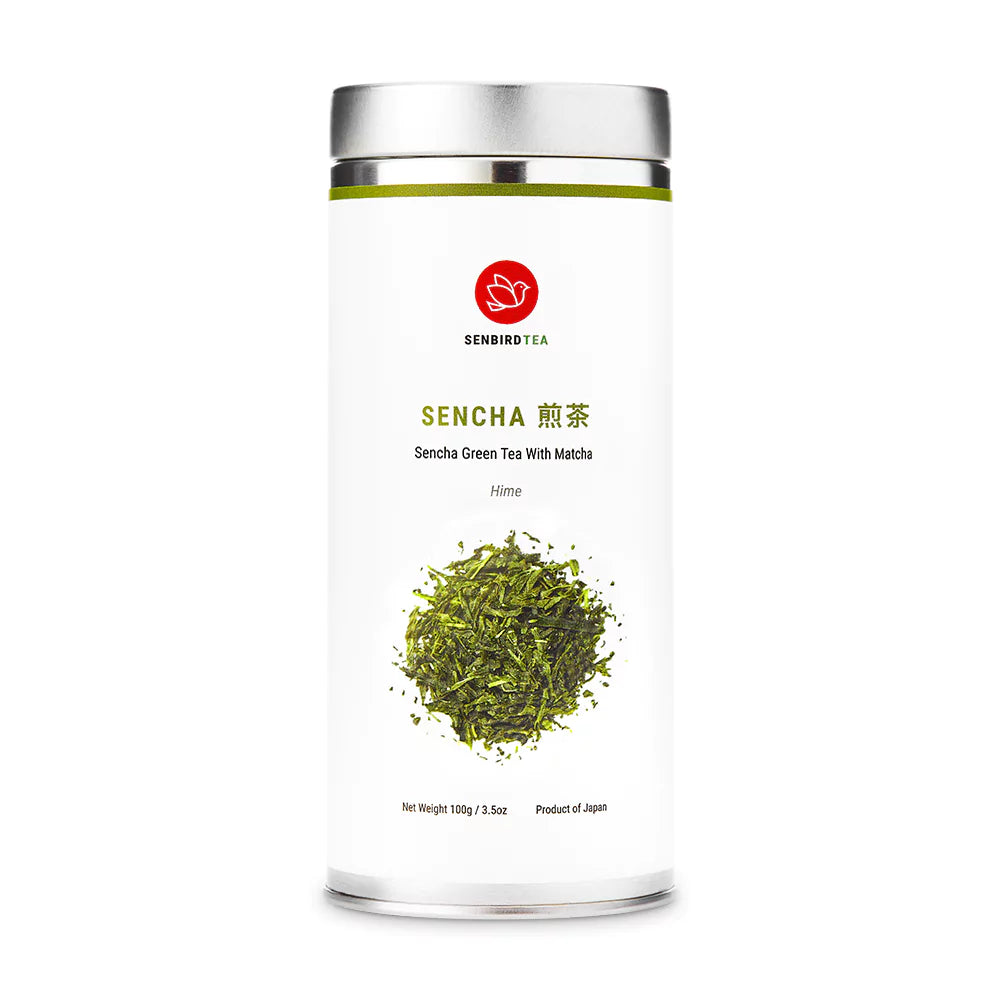
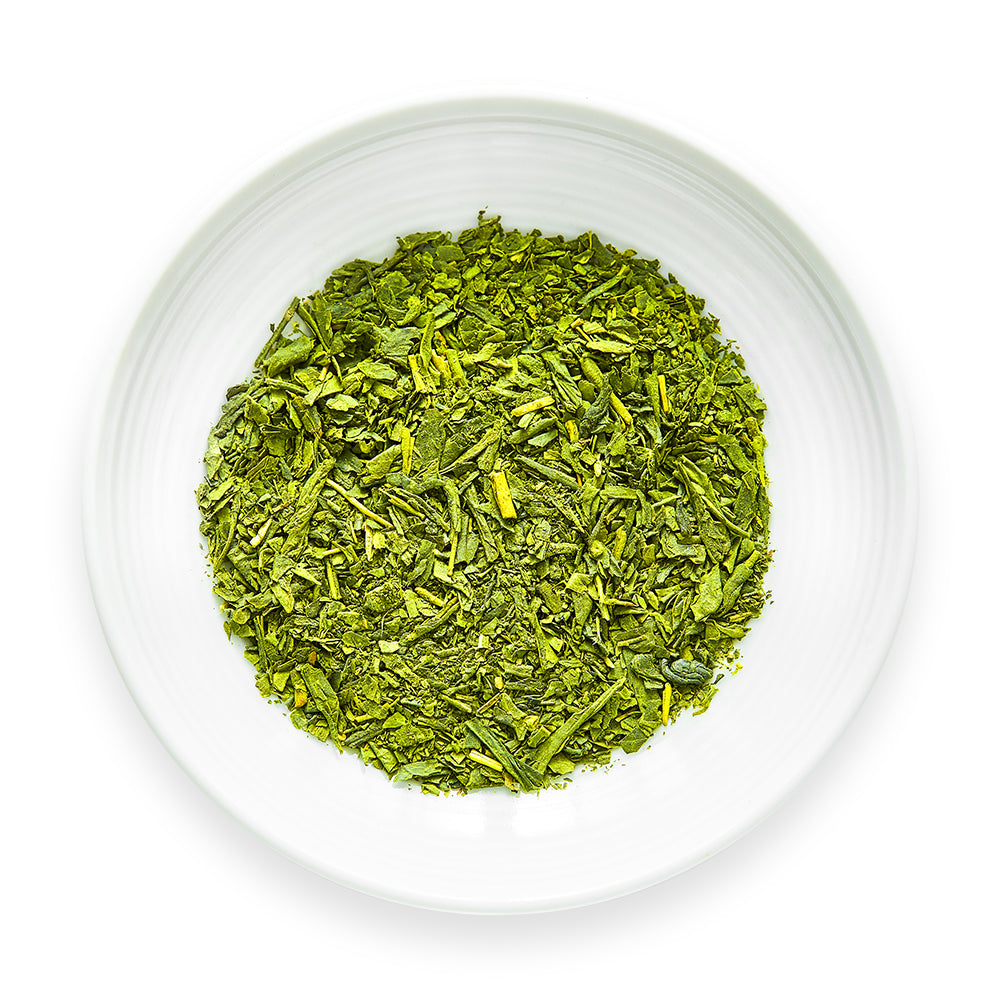
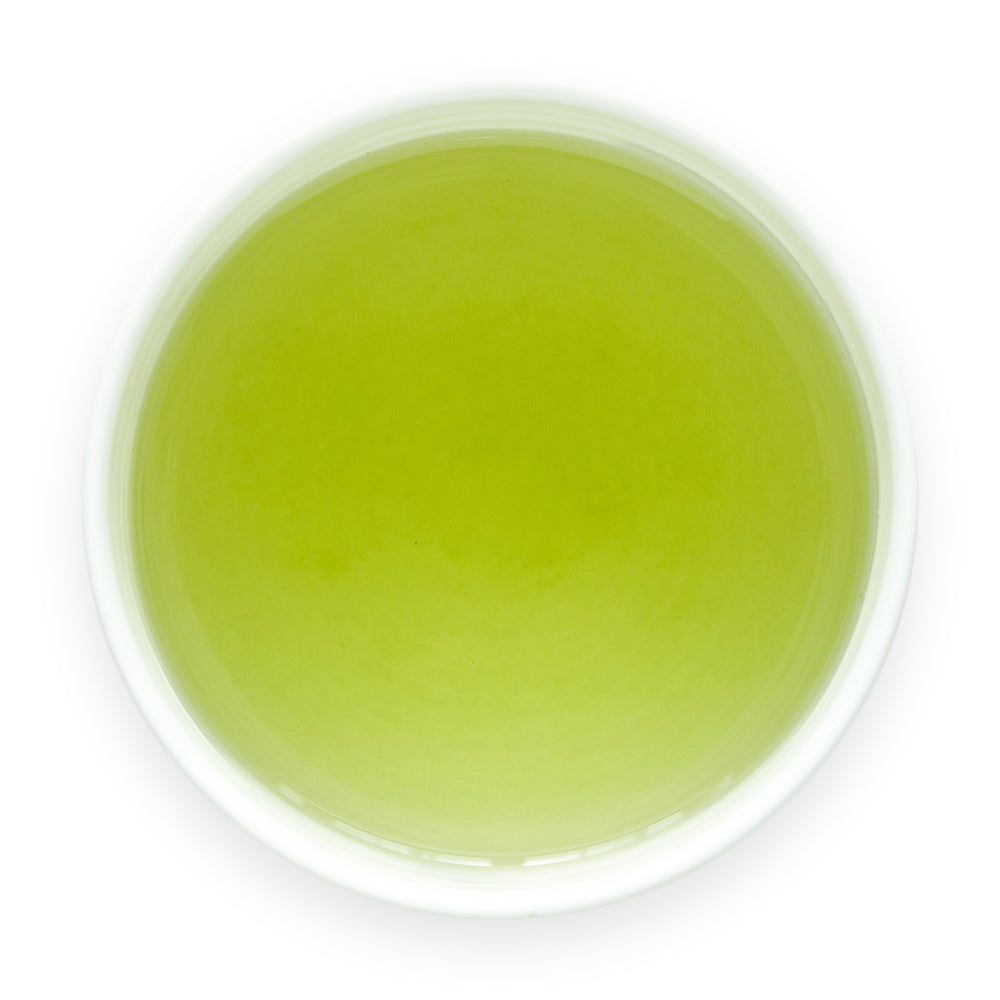
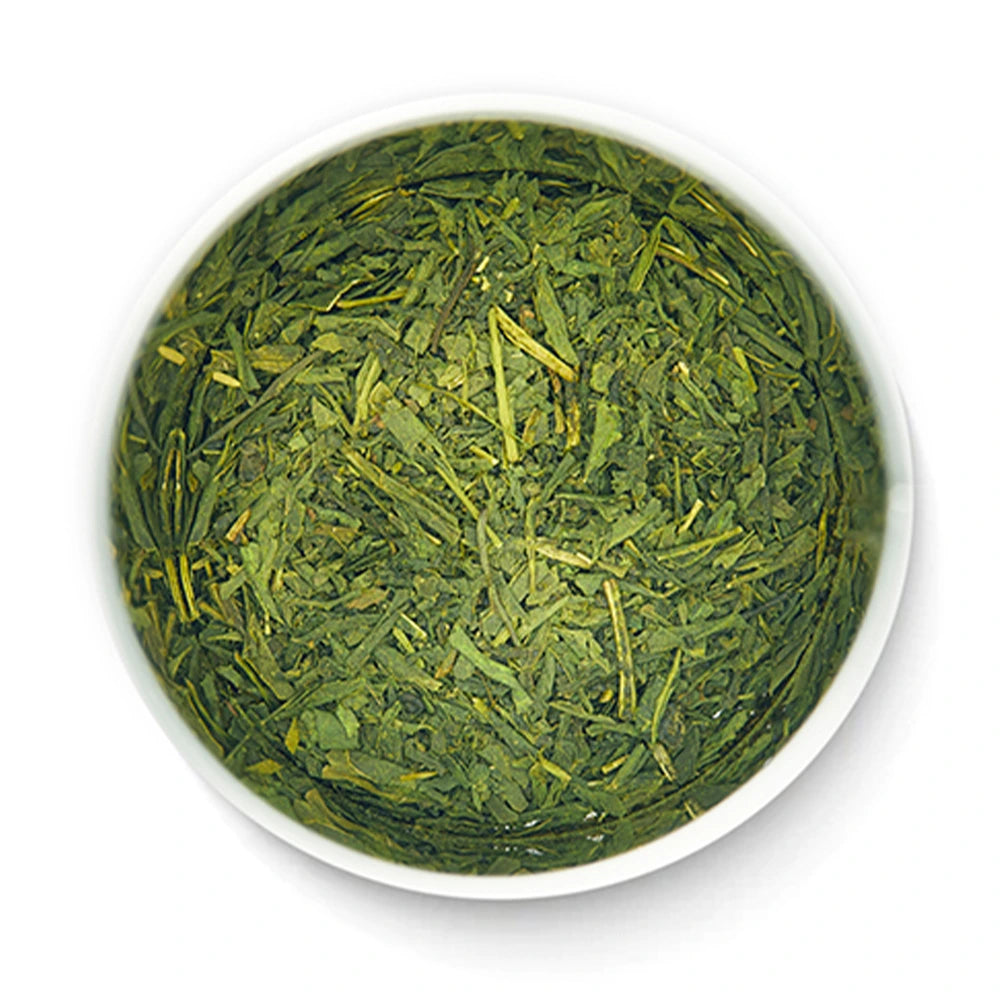
Sencha green tea is one of the most effective natural beverages for supporting your body's detoxification and cleansing processes. Rich in catechins, antioxidants, and chlorophyll, sencha provides measurable support for liver function, cellular protection, and digestive health. Senbird Tea sources premium sencha from Japanese tea farms where careful cultivation preserves the high antioxidant content that makes this tea a cornerstone of daily wellness routines across Japan and increasingly around the world.
The information provided in this article is for educational and informational purposes only and is not intended as medical advice. It should not be used as a substitute for professional medical advice, diagnosis, or treatment. Always consult your physician or other qualified healthcare provider with any questions you may have regarding a medical condition or before making any changes to your diet or wellness routine.

Sencha is the most widely consumed tea in Japan, accounting for roughly 80 percent of all Japanese tea production. Unlike matcha, which is shade-grown and stone-ground into powder, sencha leaves are grown in full sunlight, steamed immediately after harvest to halt oxidation, then rolled and dried. This steaming process preserves the bright green color and locks in beneficial compounds including epigallocatechin gallate (EGCG), the catechin most studied for its antioxidant and detoxification-supporting properties.
Senbird Tea offers several sencha varieties, including Sencha Hatsuzumi, sourced from renowned growing regions including Shizuoka and Kagoshima. The flavor profile of quality sencha balances vegetal sweetness with mild astringency and a clean, refreshing finish. When brewed at the proper temperature of 160 to 175 degrees Fahrenheit, sencha delivers a smooth cup packed with the bioactive compounds that contribute to its detox and cleansing reputation.
The detoxification benefits of sencha green tea stem primarily from its exceptional antioxidant content. Research published in the Journal of Nutritional Biochemistry has shown that green tea catechins support the body's natural Phase I and Phase II detoxification enzymes in the liver. EGCG in particular has been studied for its ability to upregulate glutathione production, one of the body's most important endogenous antioxidants for neutralizing toxins.
Sencha provides between 50 and 100 milligrams of catechins per cup depending on brewing time and water temperature. These polyphenols act as free radical scavengers, helping protect cells from oxidative damage caused by environmental pollutants, processed foods, and metabolic byproducts. Regular consumption of 3 to 4 cups of sencha daily has been associated with improved markers of antioxidant status in multiple epidemiological studies conducted in Japan.
The chlorophyll content in sencha also contributes to its detoxifying properties. Chlorophyll has been shown to bind certain environmental toxins in the digestive tract, potentially reducing their absorption. Because sencha is grown in full sunlight, the leaves develop robust chlorophyll levels that give the brewed tea its characteristic bright green color and contribute to its cleansing effects.

Beyond antioxidant detoxification, sencha green tea offers several cleansing benefits that support digestive health and overall wellness. The mild caffeine content in sencha, typically 30 to 50 milligrams per cup, provides a gentle metabolic boost that may support the body's natural elimination processes. Combined with the amino acid L-theanine, this caffeine delivers calm, sustained energy without the jittery effects associated with coffee.
Sencha has demonstrated antimicrobial properties in laboratory studies, with catechins showing activity against certain harmful bacteria while supporting beneficial gut flora. A healthy gut microbiome is essential for proper elimination and cleansing, and regular green tea consumption has been associated with improved microbial diversity in several research studies. The tannins in sencha also support healthy digestion by promoting regular bowel function without harsh laxative effects.
Hydration is a fundamental component of any cleansing protocol, and sencha makes staying hydrated more enjoyable. Unlike plain water, sencha provides flavor and beneficial compounds with each cup, encouraging higher fluid intake throughout the day. Senbird Tea recommends brewing multiple infusions from the same leaves, as Japanese sencha can be steeped two to three times, with each infusion offering a slightly different flavor profile and nutrient composition.

Incorporating sencha into a daily detox routine is straightforward and flexible. The most effective approach is to drink 3 to 4 cups of freshly brewed sencha throughout the day, starting with your first cup in the morning to activate your metabolism and continuing through the afternoon. Avoid drinking sencha on a completely empty stomach if you are sensitive to tannins, and consider pairing your morning cup with a light breakfast. Explore our genmaicha brown rice tea.
For optimal catechin extraction during your detox routine, brew Senbird Tea sencha at 160 to 170 degrees Fahrenheit for 60 to 90 seconds. Hotter water extracts more catechins but also increases astringency, so finding your preferred balance between health benefits and flavor is important. Cold-brewing sencha overnight in the refrigerator produces a milder, sweeter tea with slightly lower catechin extraction but higher theanine content, making it an excellent option for afternoon hydration.
| Detox Benefit | Key Compound | Daily Target | How Sencha Helps |
|---|---|---|---|
| Antioxidant protection | EGCG catechins | 200-400mg catechins | 3-4 cups provides 150-400mg |
| Liver support | Polyphenols | Consistent daily intake | Upregulates glutathione production |
| Gut cleansing | Tannins + catechins | 2-3 cups minimum | Antimicrobial and prebiotic effects |
| Hydration | Water + electrolytes | 8+ cups total fluid | Encourages fluid intake with flavor |
| Metabolic boost | Caffeine + L-theanine | 30-50mg caffeine per cup | Gentle sustained energy and focus |
| Toxin binding | Chlorophyll | Regular consumption | Binds environmental toxins in gut |
Most research suggests drinking 3 to 4 cups of sencha green tea daily to achieve meaningful detox benefits. This provides approximately 200 to 400 milligrams of catechins, the primary antioxidant compounds responsible for supporting liver detoxification enzymes and free radical neutralization. Senbird Tea recommends starting with 2 cups per day and gradually increasing to allow your body to adjust to the caffeine and tannin content. Consistency over weeks and months matters more than drinking large amounts in a single day.
Both sencha and matcha offer significant detox benefits, but they work slightly differently. Matcha provides higher concentrations of catechins per serving because you consume the entire leaf in powdered form, while sencha delivers catechins through infusion with a gentler flavor and lower caffeine per cup. Sencha is often preferred for daily detox routines because it is easier to drink multiple cups throughout the day without excessive caffeine intake. Senbird Tea offers both premium sencha and matcha, making it easy to incorporate either or both into your wellness routine.
While sencha is generally gentle on the stomach, some people experience mild nausea or discomfort when drinking green tea on a completely empty stomach. The tannins in sencha can stimulate gastric acid production, which may cause sensitivity in some individuals. For a detox routine, consider drinking your first cup of Senbird Tea sencha alongside a light breakfast or 30 minutes after eating. If you have a sensitive stomach, cold-brewed sencha tends to be milder because the lower temperature extracts fewer tannins.
Sencha green tea may help reduce bloating through several mechanisms. The mild caffeine content acts as a gentle diuretic, helping reduce water retention. The catechins and tannins support healthy digestion and gut motility, which can alleviate bloating caused by slow digestion. Additionally, the warm liquid itself can help relax digestive muscles and promote gas passage. Drinking sencha between meals rather than with heavy food tends to be most effective for bloating relief, and brewing at a lower temperature produces a smoother cup that is easier on the digestive system.
The most effective times to drink sencha for cleansing benefits are mid-morning and early afternoon. A cup between 9 and 10 AM supports your body's natural cortisol cycle and metabolism activation after breakfast. A second or third cup between 1 and 3 PM maintains hydration and antioxidant levels through the afternoon without interfering with sleep. Avoid drinking sencha after 4 PM if you are caffeine-sensitive, as the 30 to 50 milligrams of caffeine per cup from Senbird Tea sencha could affect your sleep quality if consumed too late. Senbird Tea also offers wholesale Japanese tea for cafés, restaurants, and retailers.
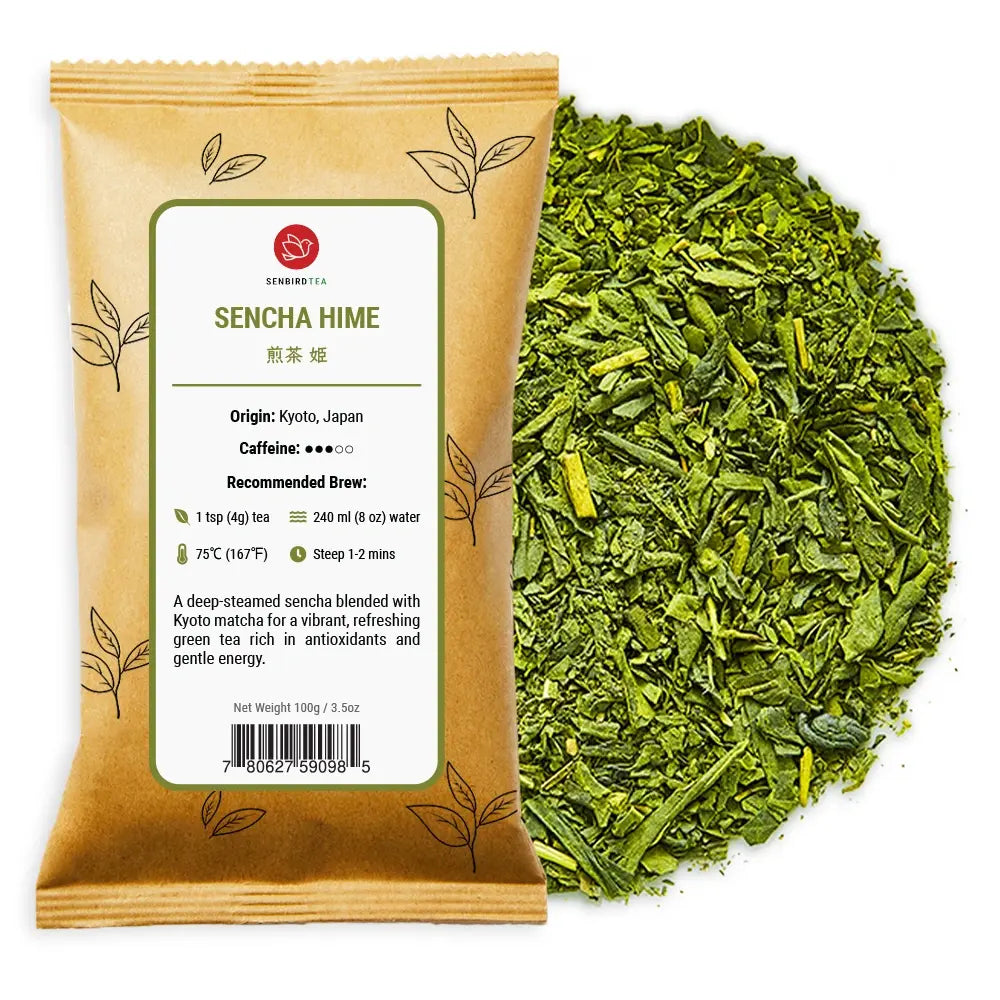
抹茶入り煎茶姫
A deep-steamed sencha blended with Kyoto matcha for a vibrant, refreshing green tea rich in antioxidants and gentle energy.