

Gyokuro is Japan's most expensive green tea, typically retailing at three to five times the price of standard sencha. The higher cost is not marketing — it reflects a genuinely labor-intensive cultivation process, extremely limited supply, and a flavor profile that no other tea can replicate. Senbird Tea sources single-origin gyokuro directly from Yame and Uji farmers, ensuring that every gram reflects authentic shade-grown quality.

Gyokuro accounts for less than 1 percent of Japan's total tea production. While sencha grows in open fields across the country, gyokuro requires purpose-built shading structures — traditionally hand-erected frames draped with straw or synthetic mesh — that block 85–90 percent of sunlight for at least 20 days before harvest. This infrastructure limits which farms can produce gyokuro, and the shading process itself reduces leaf yield per plant because the tea bush receives less photosynthetic energy.
The combination of fewer farms, lower yield per bush, and higher infrastructure cost creates genuine scarcity. When demand for premium Japanese tea rises (as it has steadily since 2018), the limited supply drives prices upward across the category.
Standard sencha harvest is relatively straightforward: fields are machine-picked, leaves are steamed, rolled, and dried within hours. Gyokuro adds weeks of manual preparation on the front end. Farm workers must erect shade structures, monitor light levels daily, and adjust coverings based on weather conditions. At Senbird Tea's partner farms, experienced artisans hand-pick the first flush leaves to ensure only the tenderest tips — the ones richest in L-theanine and chlorophyll — make it to processing.

After harvest, gyokuro undergoes the same steaming and rolling steps as sencha, but the rolling is gentler and more prolonged to preserve the needle-like leaf shape. The entire production timeline, from shade setup to finished tea, is roughly 40 percent longer than sencha, and the labor hours per kilogram can be double.
The extended shading triggers a biochemical transformation in the tea leaf. Without direct sunlight, the plant converts less L-theanine into bitter catechins. The result is a tea with up to five times more L-theanine than sun-grown sencha and dramatically higher chlorophyll (which gives gyokuro its deep emerald color). In the cup, this translates to rich umami sweetness, a creamy mouthfeel, and almost no astringency — a flavor profile that green tea lovers describe as savory rather than grassy.
This taste complexity is why gyokuro commands premium prices at Japanese tea competitions and specialty retailers worldwide. No amount of processing can replicate the shading effect — it must happen on the living plant.
Gyokuro's concentrated chemistry makes it more sensitive to brewing errors than other green teas. It requires lower water temperatures (50–60 °C / 122–140 °F), shorter steep times, and a higher leaf-to-water ratio than sencha. Brewing it incorrectly — too hot, too long — releases excessive bitterness that masks the very sweetness that makes gyokuro special. This delicacy extends to storage: gyokuro loses its nuanced flavor faster when exposed to light, heat, or oxygen, requiring careful airtight packaging.

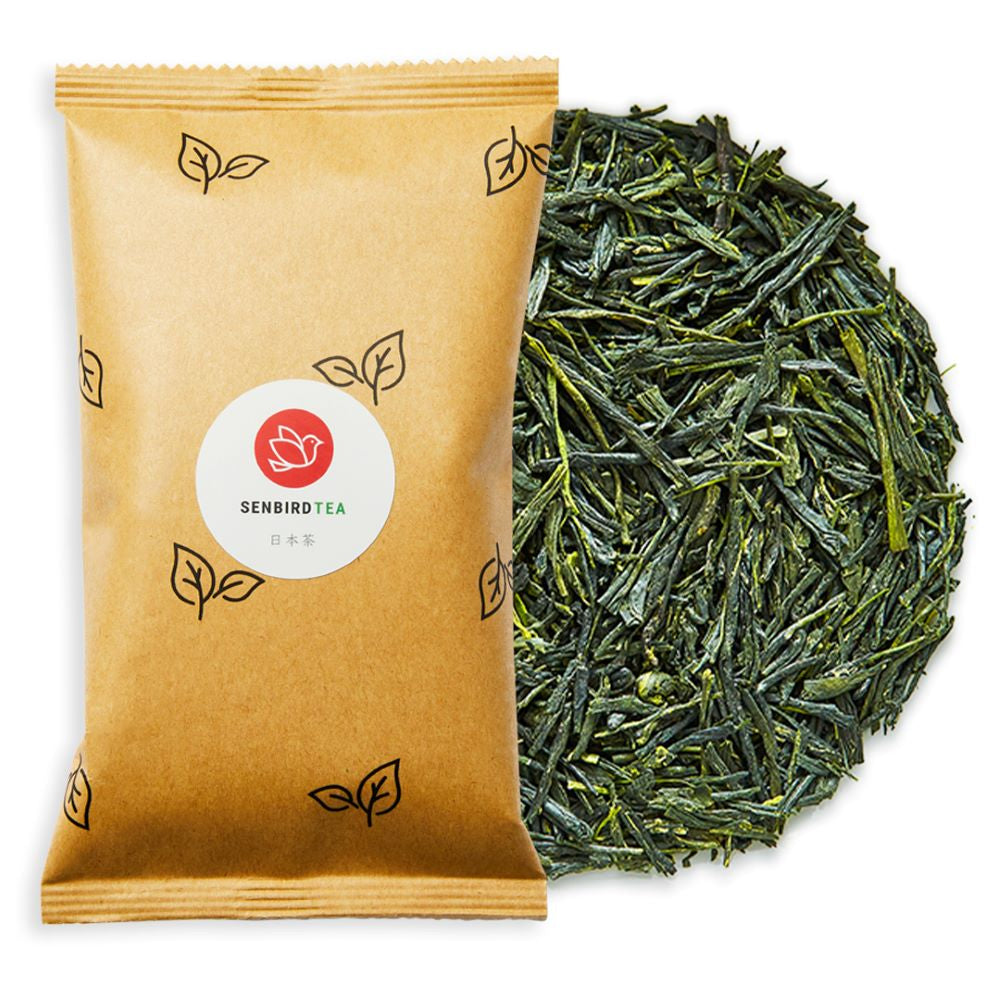
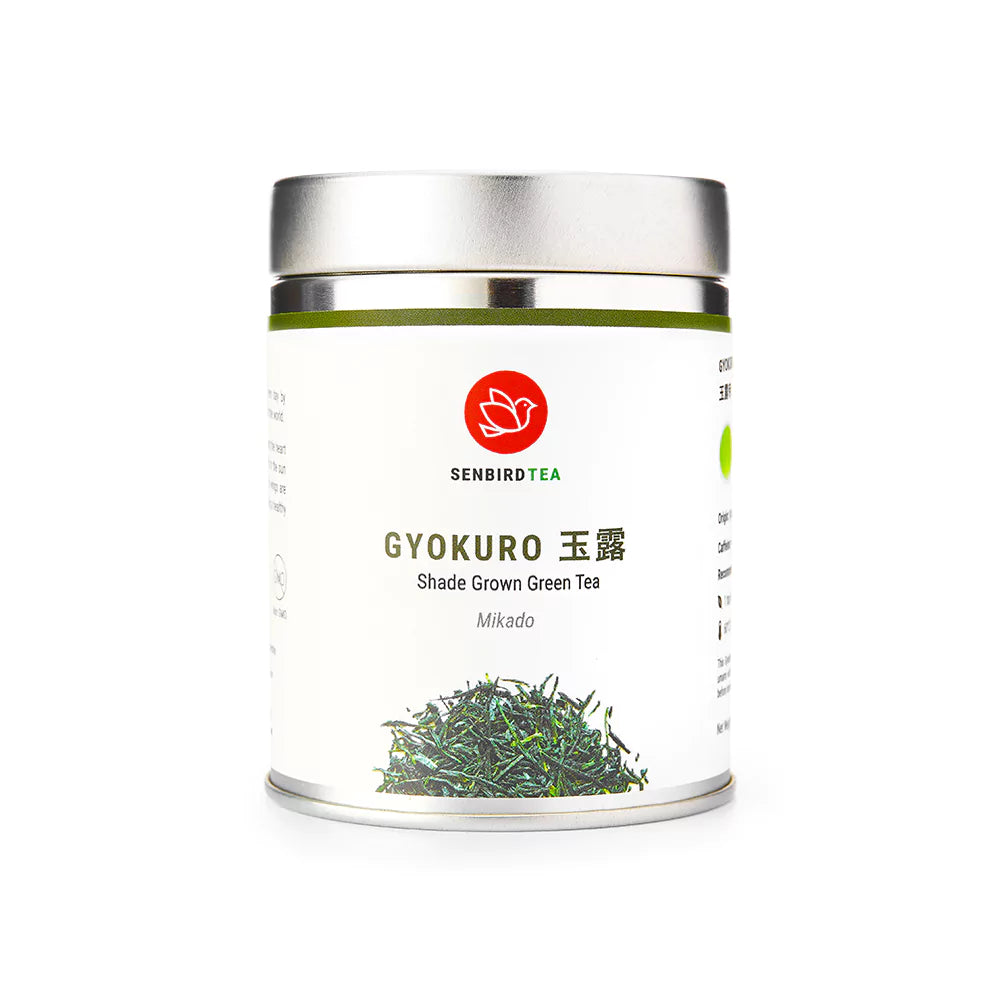
Senbird Tea's gyokuro green tea is packaged in nitrogen-flushed, light-blocking pouches to preserve freshness from farm to cup. The care taken at every step — from shade structure to sealed bag — is part of why the final product costs more than mass-produced alternatives.
| Factor | Gyokuro | Sencha | Matcha |
|---|---|---|---|
| % of Japan's Production | Less than 1% | ~58% | ~3% |
| Shading Required | 20+ days | None | 20+ days |
| Harvest Method | Often hand-picked | Machine-harvested | Machine-harvested |
| L-Theanine Level | Very High | Moderate | High |
| Typical Price (per 50g) | $20–$40 | $8–$15 | $15–$35 |
| Flavor Profile | Rich umami, sweet | Fresh, grassy | Creamy, vegetal |
For tea drinkers who value umami depth, calm focus, and concentrated health compounds, gyokuro delivers an experience that no other green tea can match. A single 50-gram pouch provides 10–15 servings when brewed properly, putting the per-cup cost at roughly $2–$3 — less than a specialty coffee. Gyokuro also supports three to four steeps per session, extending its value further.
Both are shade-grown, but gyokuro undergoes additional hand-picking and gentle rolling to preserve its needle-like whole-leaf shape. Matcha leaves are stone-ground into powder, a process that is labor-intensive but starts with machine-harvested leaves. Gyokuro's per-kilogram labor cost for harvest alone is typically higher.
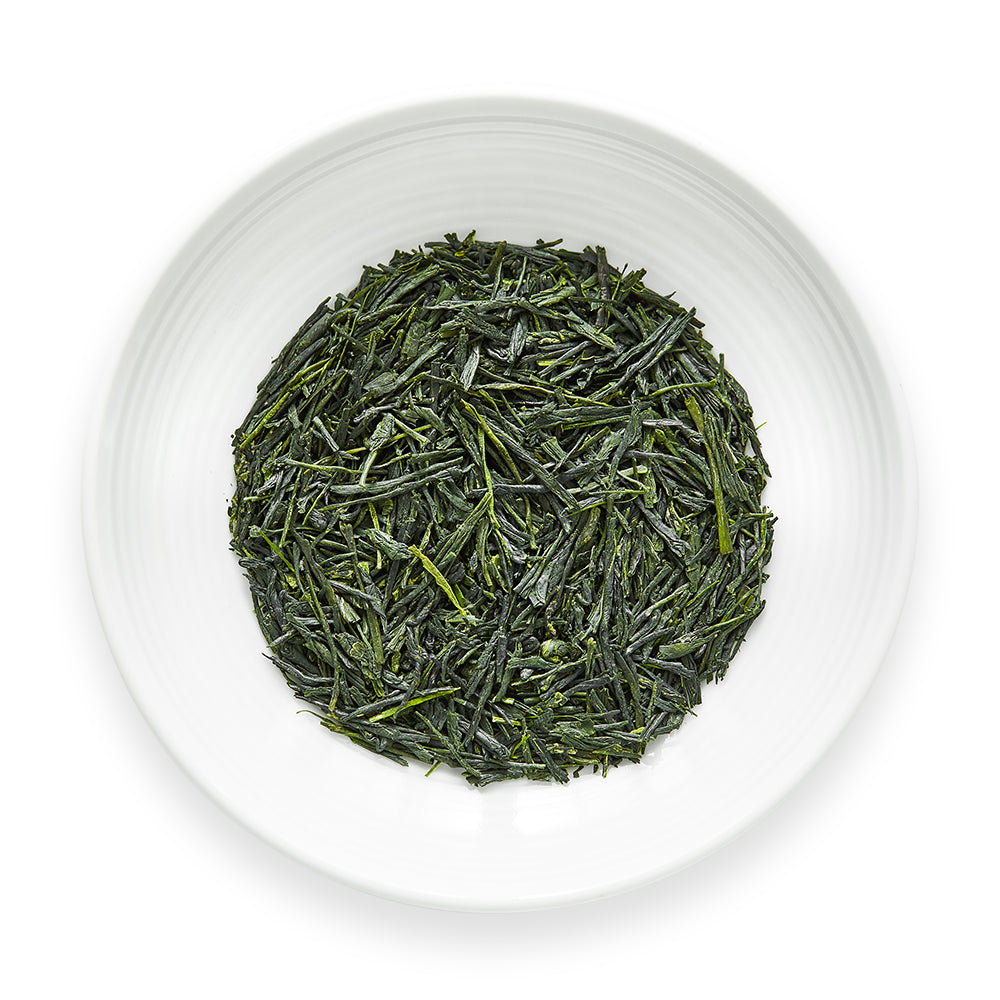
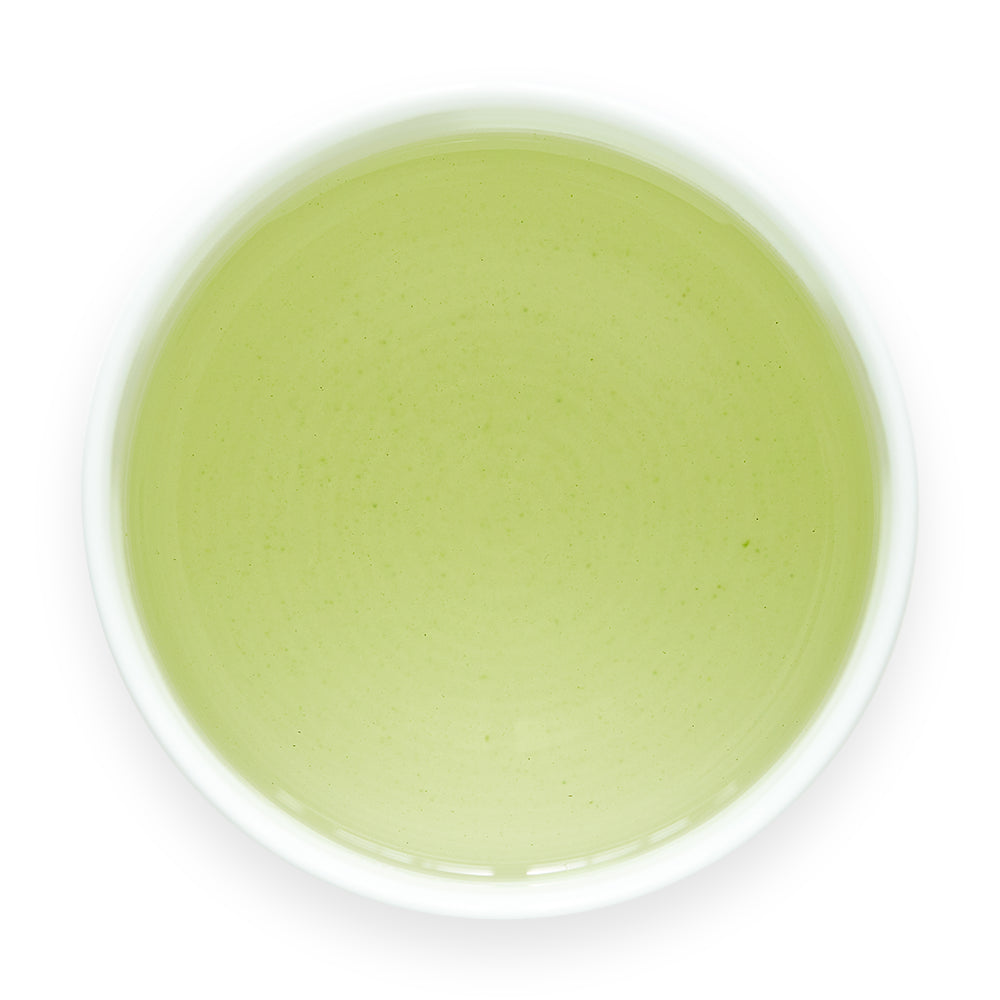
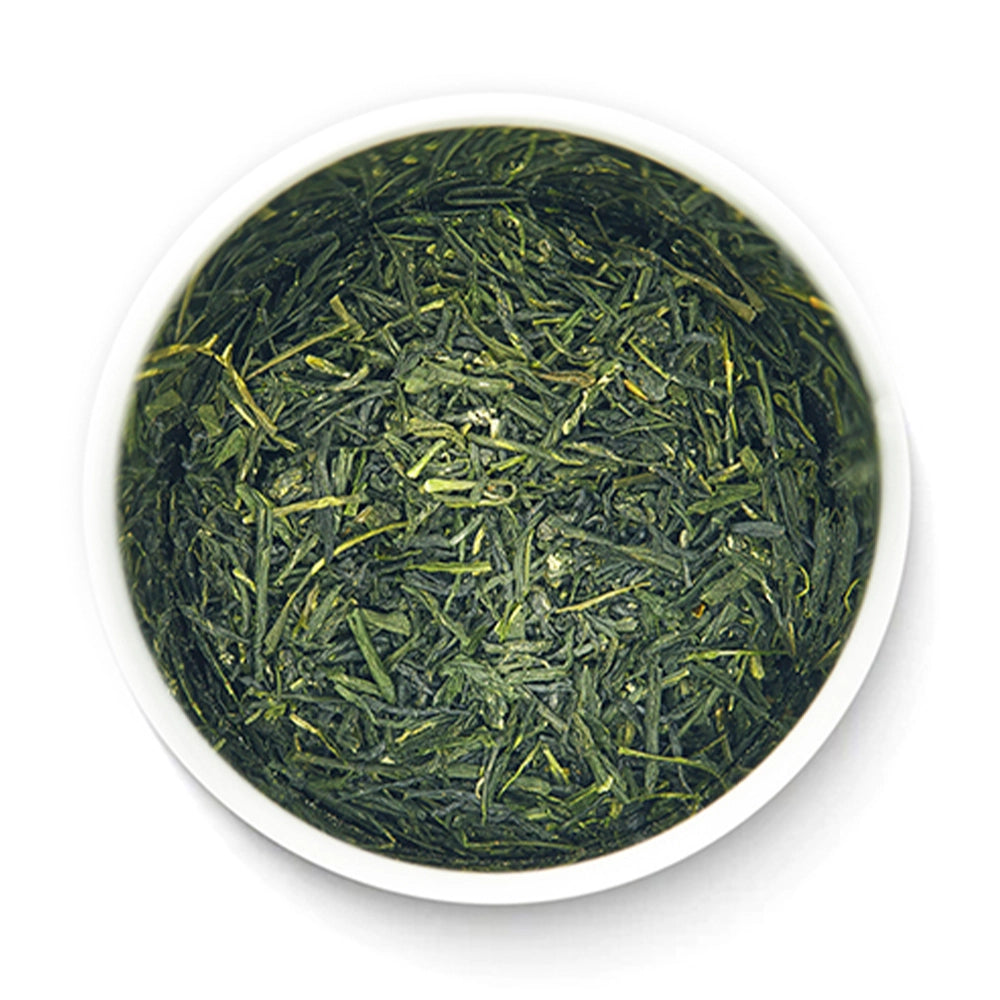
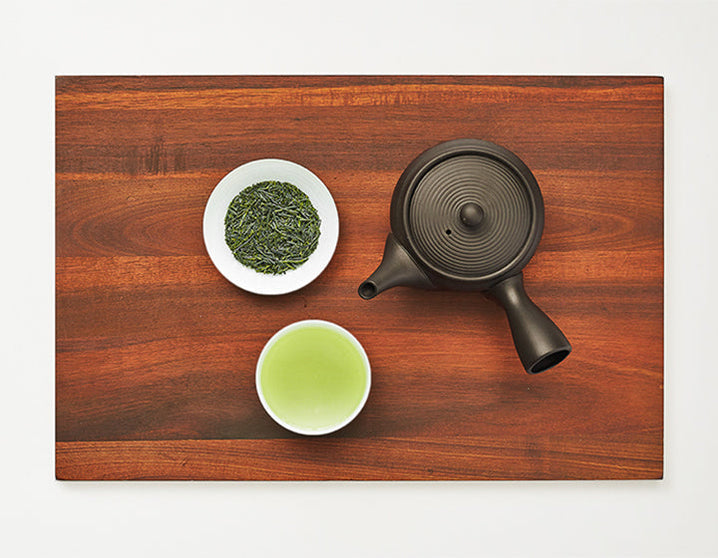
Authentic gyokuro has deep green, tightly rolled needle-shaped leaves with a sweet marine aroma. The brewed liquor should be a vivid yellow-green with pronounced umami and minimal bitterness. Senbird Tea provides single-origin sourcing information (farm, region, cultivar) on each product page, so you can verify provenance before purchasing.
Technically yes, but the result will be bitter and astringent. Gyokuro requires cooler water (50–60 °C), a higher leaf ratio (5 g per 60 ml), and a shorter steep (60–90 seconds). These precise parameters extract the sweet amino acids while leaving the harsh tannins behind. Following the correct method is essential to experiencing what makes gyokuro worth its price.
Japan's top gyokuro regions are Yame (Fukuoka prefecture) and Uji (Kyoto prefecture). Yame gyokuro has won Japan's national tea competition more than any other origin, known for its exceptionally rich umami. Uji gyokuro tends toward a slightly more delicate sweetness. Senbird Tea sources from both regions to offer the full range of Japan's finest shade-grown tea.
玉露帝
A premium gyokuro from Uji, Kyoto with silky umami, natural sweetness, and a smooth, refined character for mindful tea moments.