Modal Title


Japanese tea encompasses a remarkable diversity of flavors, aromas, and preparation methods — far beyond the single category of "green tea" that most Western drinkers know. From the vibrant umami richness of shade-grown gyokuro to the toasty comfort of roasted hojicha, each variety reflects centuries of refined cultivation and processing techniques unique to Japan. This guide from Senbird Tea introduces 10 distinctive Japanese tea varieties, covering their origins, flavor profiles, health benefits, and ideal brewing methods to help you discover the full spectrum of Japanese tea culture.

Sencha is Japan's most popular tea, accounting for approximately 60% of all tea produced in the country. Made from the first or second flush of leaves that are steamed to halt oxidation and then rolled into characteristic needle-like shapes, sencha delivers a balanced flavor that combines vegetal sweetness, light umami, and a clean, refreshing finish. Senbird Tea Sencha Hatsuzumi is sourced from premier Japanese growing regions where the combination of mineral-rich volcanic soil, moderate climate, and skilled farming produces leaves with exceptional depth and complexity.
Sencha is rich in catechins (particularly EGCG), vitamin C, and L-theanine — making it one of the most antioxidant-dense beverages available. Brew at 160-175°F for 60-90 seconds for the ideal balance of sweetness and astringency. Multiple infusions from the same leaves reveal progressively different flavor profiles.

Matcha is a finely stone-ground powder made from shade-grown tea leaves (tencha) that are deveined and destemmed before grinding. Because you consume the entire leaf dissolved in water rather than steeping and discarding, matcha delivers the highest concentration of antioxidants, L-theanine, and caffeine of any Japanese tea. Senbird Tea offers both ceremonial-grade matcha (for drinking straight with water) and culinary-grade matcha (for lattes, smoothies, and baking). The shade-growing process, which covers the plants for 20-30 days before harvest, dramatically increases chlorophyll and L-theanine levels while reducing catechins — giving matcha its characteristic vivid green color and smooth, umami-rich flavor.

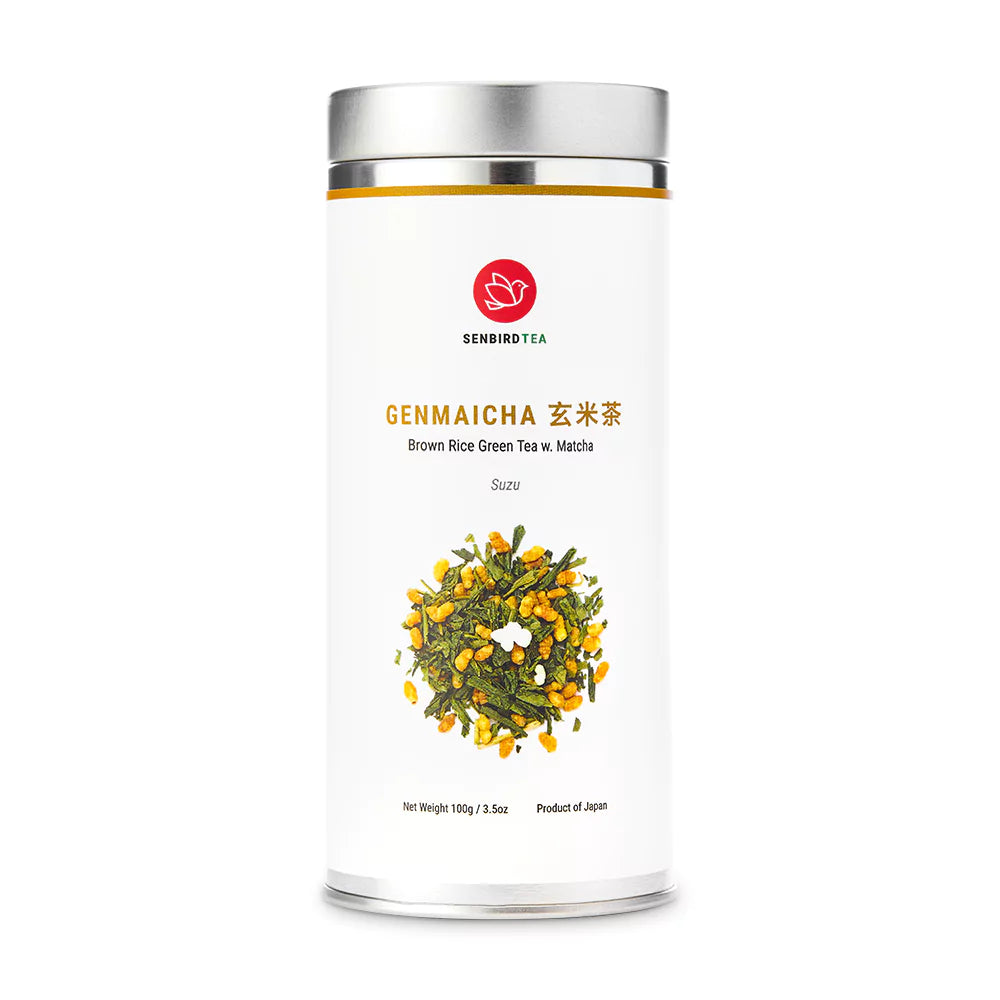
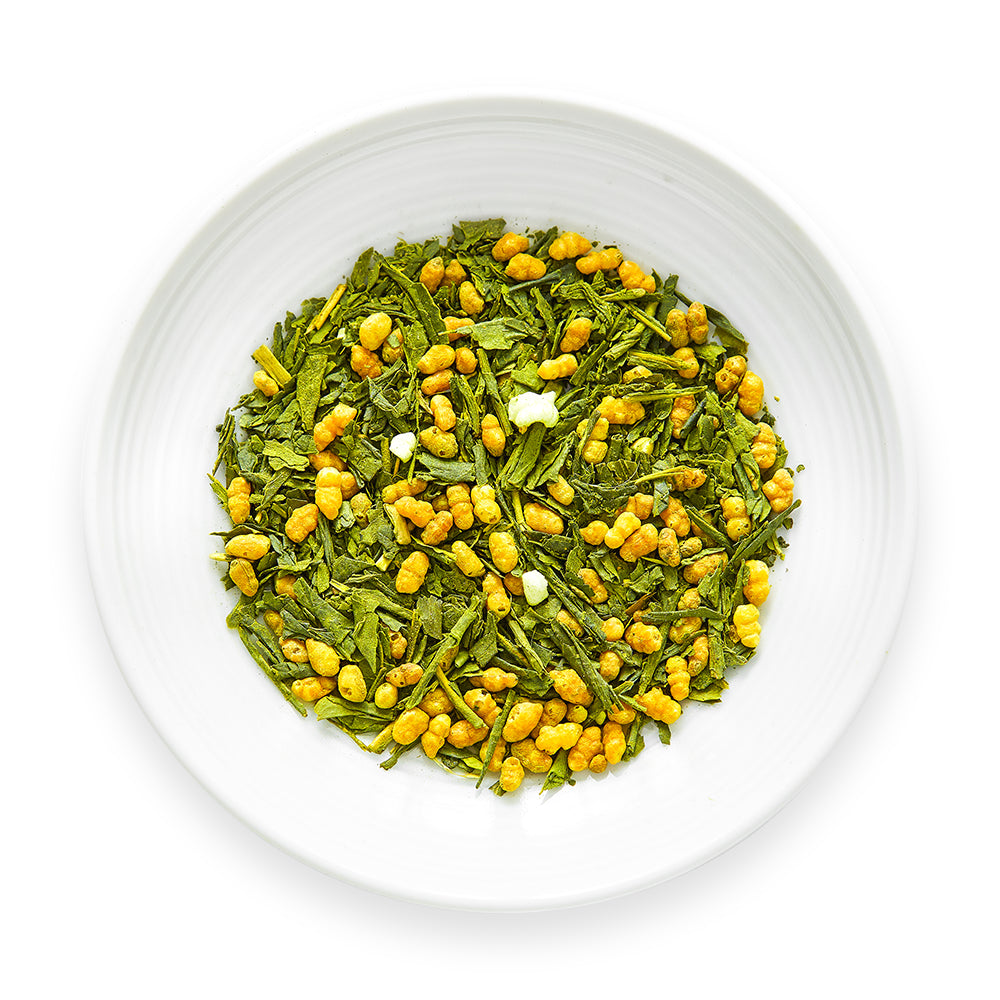
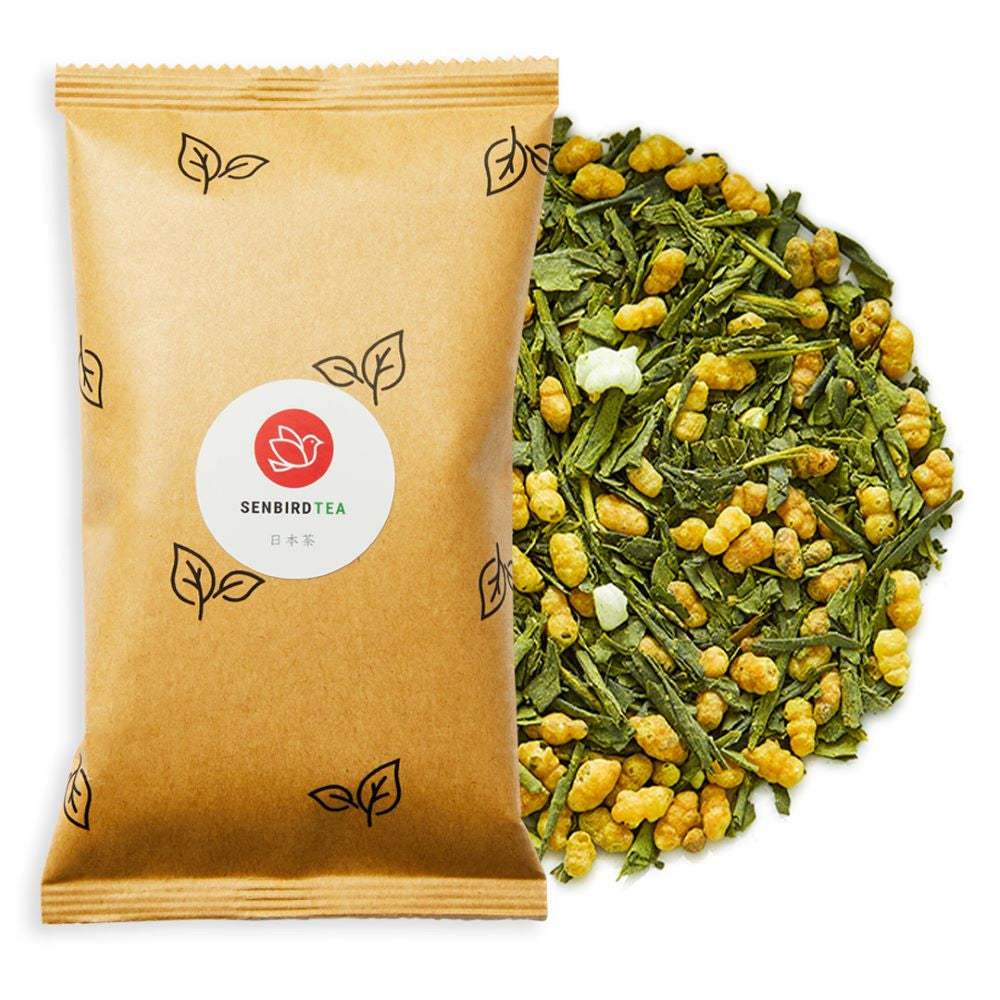
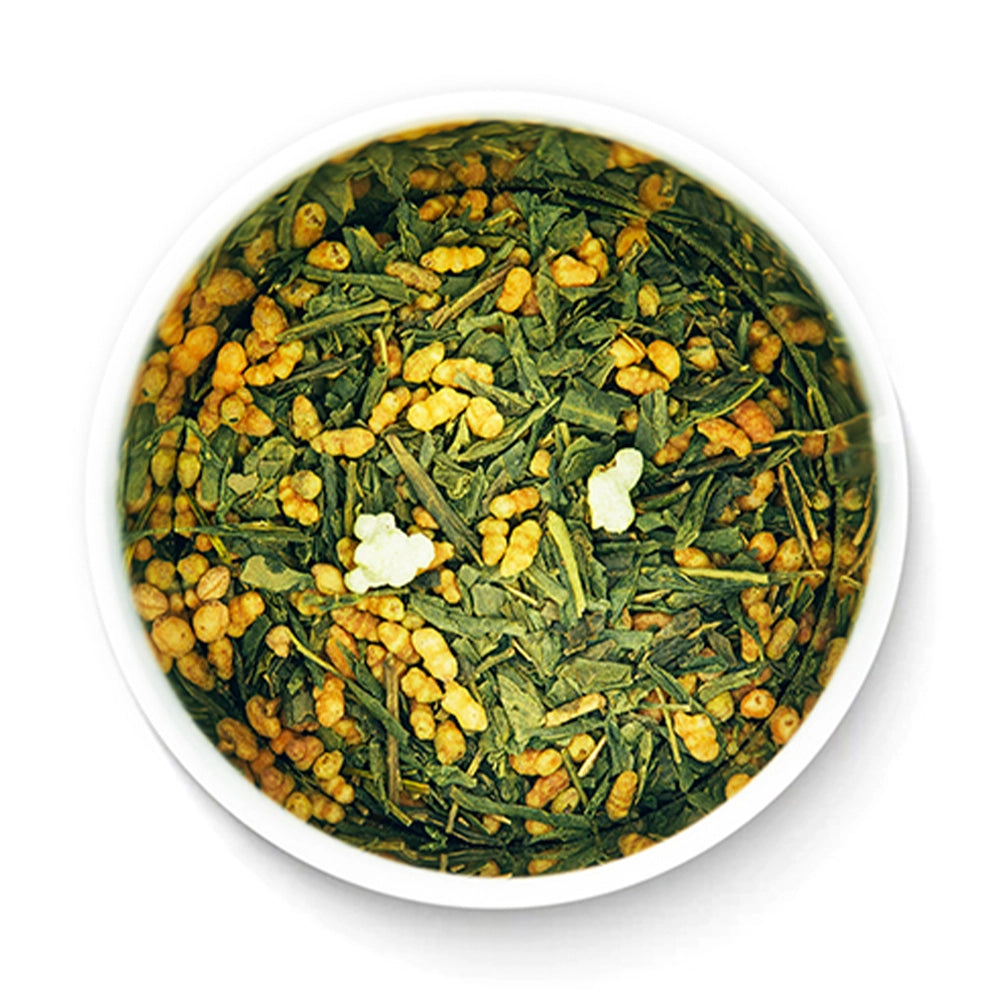
Genmaicha is a unique blend of green tea (typically bancha or sencha) mixed with roasted brown rice, some of which pops during roasting to resemble popcorn. The combination creates a nutty, toasty flavor that balances the vegetal notes of green tea with the warmth of roasted grain. Originally created as an economical way to stretch expensive tea leaves, genmaicha from Senbird Tea has evolved into a beloved tea in its own right — valued for its comforting flavor, low caffeine content, and gentle digestibility. Brew at 175-185°F for 30-60 seconds.

Hojicha stands apart from all other Japanese teas because of its distinctive roasting step, which transforms green tea leaves into a reddish-brown tea with a warm, caramel-like flavor and very low caffeine content (7-15mg per cup). Created in 1920s Kyoto, hojicha from Senbird Tea offers a remarkably smooth, non-bitter cup that appeals to both traditional tea drinkers and those who typically find green tea too grassy. Its forgiving brew parameters (200°F, 30-60 seconds) make it one of the easiest Japanese teas to prepare, and its naturally low caffeine makes it ideal for evening enjoyment and for children.

Gyokuro is considered the pinnacle of Japanese green tea, commanding the highest prices and the greatest reverence among tea connoisseurs. Like matcha, gyokuro is shade-grown for 20-30 days before harvest, which dramatically increases L-theanine and amino acid content while reducing astringent catechins. Unlike matcha, gyokuro leaves are not ground — they are steamed, rolled, and dried in their whole-leaf form. Senbird Tea gyokuro brews into an intensely umami, almost broth-like cup with a rich sweetness that lingers on the palate. Brew at the lowest temperature of any Japanese tea — 140°F (60°C) — for 2-3 minutes to extract maximum sweetness with minimal bitterness.

Kukicha (also called boucha) is made from the stems, stalks, and twigs of the tea plant rather than the leaves. This gives kukicha a distinctly different character from leaf teas — lighter, slightly creamy, and naturally very low in caffeine. The stems contain higher concentrations of L-theanine and lower concentrations of caffeine than leaves, making Senbird Tea kukicha an excellent choice for evening drinking and for people seeking a gentle, calming tea experience. The flavor is mild, slightly sweet, and has a subtle woody quality that pairs well with Japanese cuisine.

Sobacha is a caffeine-free infusion made from roasted tartary buckwheat groats rather than Camellia sinensis tea leaves. Despite the name containing "cha" (tea), sobacha is technically a tisane. Senbird Tea sobacha has a warm, nutty flavor reminiscent of roasted grain with caramel undertones. Buckwheat is exceptionally rich in rutin, a flavonoid that strengthens blood vessel walls and supports cardiovascular health. Sobacha is naturally gluten-free (buckwheat is not related to wheat), calorie-free, and suitable for all ages.

Kuromamecha is made from roasted black soybeans and is deeply rooted in Japanese folk medicine as a wellness tea. The black soybean's deep purple-black color comes from anthocyanins — powerful antioxidants also found in blueberries and açaí. Senbird Tea kuromamecha brews into a dark, richly colored infusion with a toasty, slightly sweet flavor similar to roasted chestnuts. It is completely caffeine-free and contains isoflavones that support bone health and hormonal balance. In Japan, kuromamecha is traditionally consumed during the New Year celebrations as a symbol of health and prosperity.

Yuzu cha is a fragrant citrus tea made from the yuzu fruit, a Japanese citrus prized for its intensely aromatic rind and tart, complex flavor that combines elements of lemon, grapefruit, and mandarin orange. Traditionally prepared as a hot honey-yuzu marmalade dissolved in water, yuzu cha is rich in vitamin C and has been used in Japanese households for centuries as a cold-season remedy. The bright, uplifting citrus aroma provides a natural mood boost, and the combination of honey and yuzu soothes sore throats during cold and flu season.
![Two cups of Japanese wakoucha black tea being poured from a ceramic teapot-tea-vs-sencha-green-tea.webp]](https://cdn.shopify.com/s/files/1/0805/7857/6667/files/green-tea-two-japanese-tea-cup-pour-vs-sencha-wakoucha-black-tea-blog.webp?v=1771721936)
Bancha is made from the larger, more mature leaves harvested after the first flush sencha picking, as well as from autumn and winter harvests. While less refined than sencha, bancha from Senbird Tea has its own appeal — a robust, straightforward flavor with lower caffeine and higher mineral content than first-flush teas. In Japanese households, bancha is the unpretentious daily tea served alongside meals, valued for its easy brewing, light body, and exceptionally low cost. It is also the base tea most commonly used to make hojicha and genmaicha.
| Tea | Type | Caffeine | Key Flavor | Brew Temp |
|---|---|---|---|---|
| Sencha | Green tea | Moderate | Vegetal, sweet, refreshing | 160-175°F |
| Matcha | Green tea powder | Moderate-High | Umami, creamy, earthy | 175°F (whisk) |
| Genmaicha | Green tea + rice | Low-Moderate | Nutty, toasty, balanced | 175-185°F |
| Hojicha | Roasted green tea | Very Low | Caramel, roasted, smooth | 200°F |
| Gyokuro | Shade-grown green | Moderate | Rich umami, broth-like | 140°F |
| Kukicha | Twig tea | Very Low | Mild, creamy, sweet | 175°F |
| Sobacha | Buckwheat (caffeine-free) | None | Nutty, warm grain | 200°F |
| Kuromamecha | Black soybean (caffeine-free) | None | Toasty, chestnut-like | 200°F |
| Yuzu Cha | Citrus tea | None | Bright citrus, honey | 175°F |
| Bancha | Green tea (everyday) | Low | Robust, straightforward | 185-200°F |
Sencha is the best starting point for most beginners because it represents the classic Japanese green tea flavor — balanced, accessible, and versatile. If you find green tea too grassy or bitter, try Senbird Tea hojicha instead, as its roasted, caramel-like flavor is more familiar to Western palates. For caffeine-free options, Senbird Tea Sobacha Aiji and kuromamecha offer warm, toasty flavors that require no acquired taste. The best approach is to try a variety sampler that includes several types so you can discover your personal preferences.
Matcha delivers the highest concentration of antioxidants per serving because you consume the entire ground leaf rather than just the steeped water. Studies show that matcha contains up to 137 times more EGCG (epigallocatechin gallate) than standard brewed green tea. However, every Japanese tea from Senbird Tea offers meaningful health benefits — gyokuro is highest in L-theanine for mental calm, sobacha provides rutin for cardiovascular health, and kuromamecha delivers anthocyanins and isoflavones. The most beneficial approach is to incorporate multiple varieties into your routine.
Japanese green teas are more delicate than their oxidized counterparts (black tea, oolong) and require proper storage to maintain freshness. Keep all Senbird Tea varieties in airtight, opaque containers away from light, heat, moisture, and strong odors. Refrigeration extends freshness for unopened packages but opened tea should be stored at room temperature to prevent condensation. Use opened green tea within 2-4 weeks for optimal flavor. Roasted teas (hojicha, sobacha, kuromamecha) and matcha stored in sealed tins maintain quality somewhat longer than unroasted varieties.
It depends on the tea type. Delicate teas like gyokuro (140°F) and high-grade sencha (160-175°F) should never be brewed with boiling water — the excessive heat extracts bitter catechins and destroys delicate amino acids, producing an astringent, unpleasant cup. Roasted teas like hojicha and grain-based teas like genmaicha, sobacha, and kuromamecha can tolerate near-boiling water (200°F) because their roasting process has already broken down the bitter compounds. When in doubt with any Senbird Tea variety, use water slightly below boiling and steep for a shorter time — you can always add more steeping time, but you cannot undo bitterness.
The fundamental difference is in processing. Japanese green teas are steamed to halt oxidation, which preserves a bright green color and vegetal, umami-forward flavor profile. Chinese green teas are typically pan-fired (dry heat), which produces a more yellow-green color and a toastier, nuttier flavor. Japanese teas from Senbird Tea tend to be richer in L-theanine and have a more pronounced umami character, while Chinese green teas are generally lighter and more floral. Neither tradition is superior — they simply represent different approaches to the same plant, each producing distinctive and delicious results.
抹茶入り玄米茶鈴
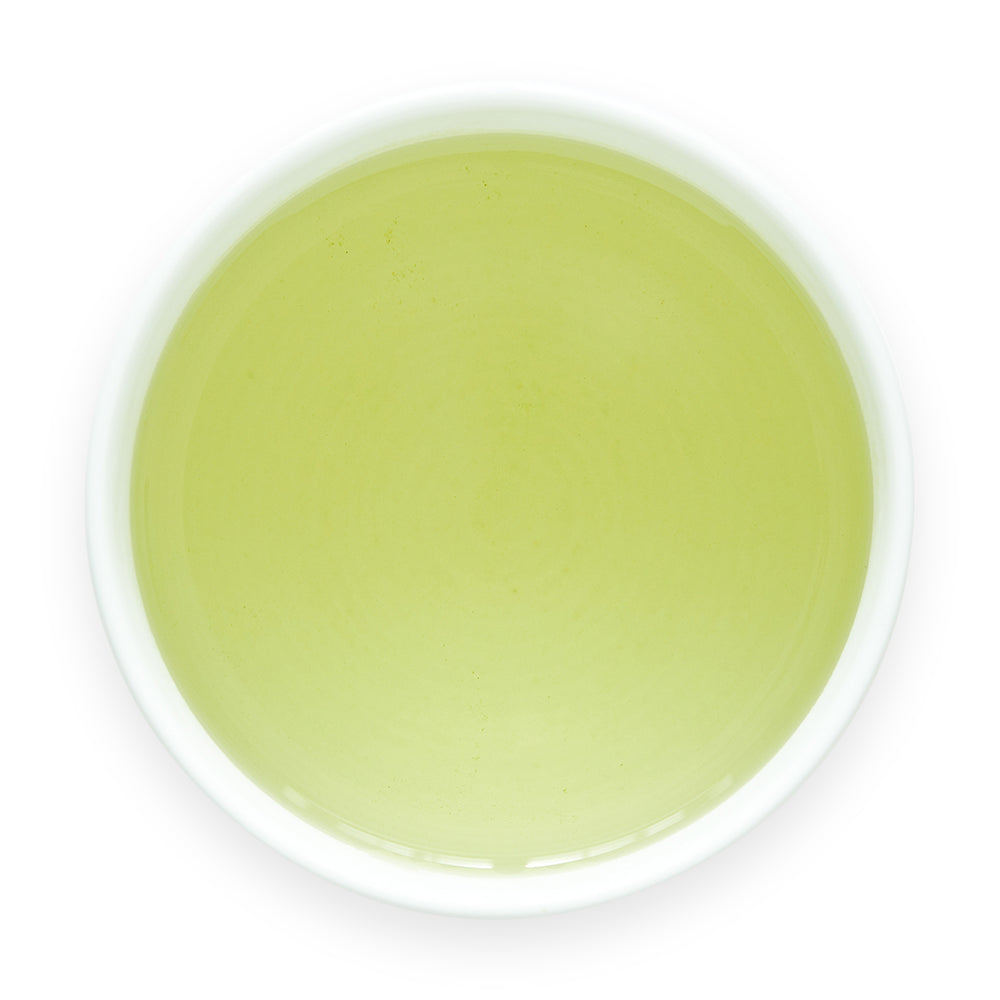
A blend of roasted brown rice and Kyoto matcha, creating a soothing green tea with a warm, toasty rice aroma and a refreshing, comforting flavor.