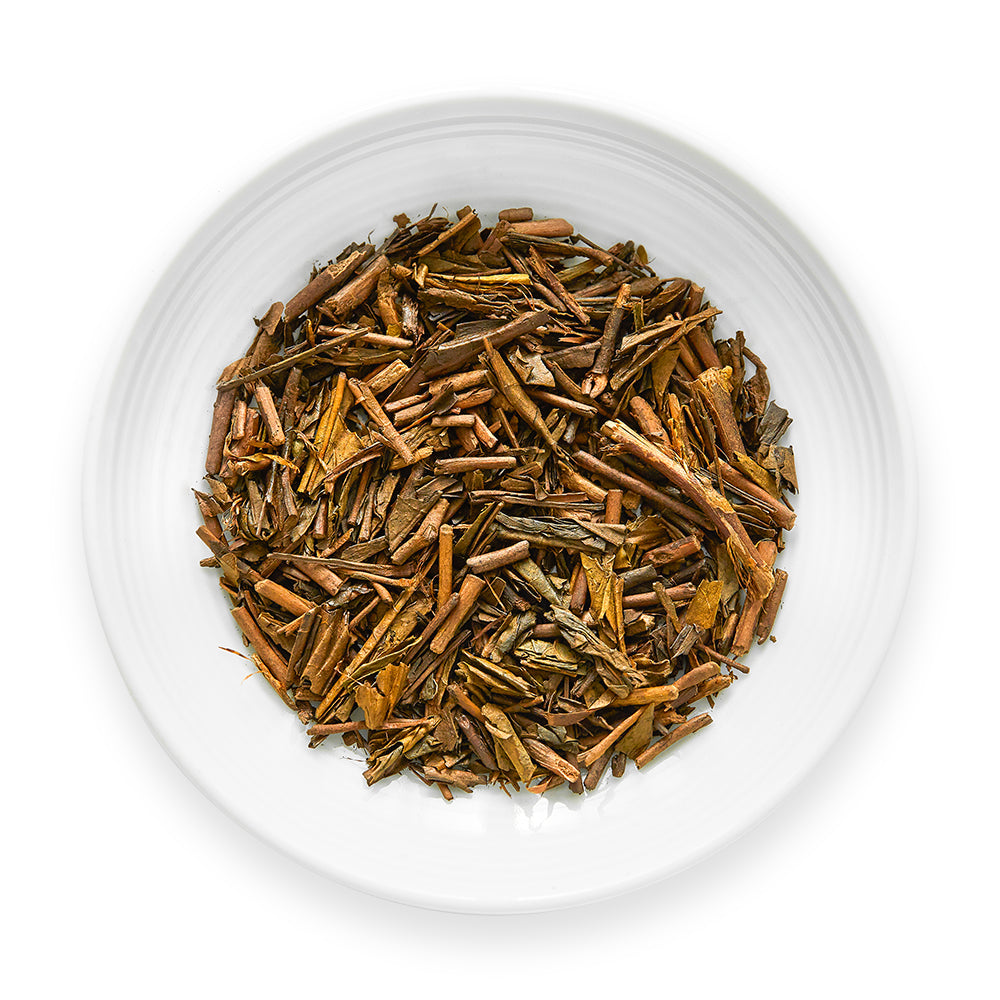
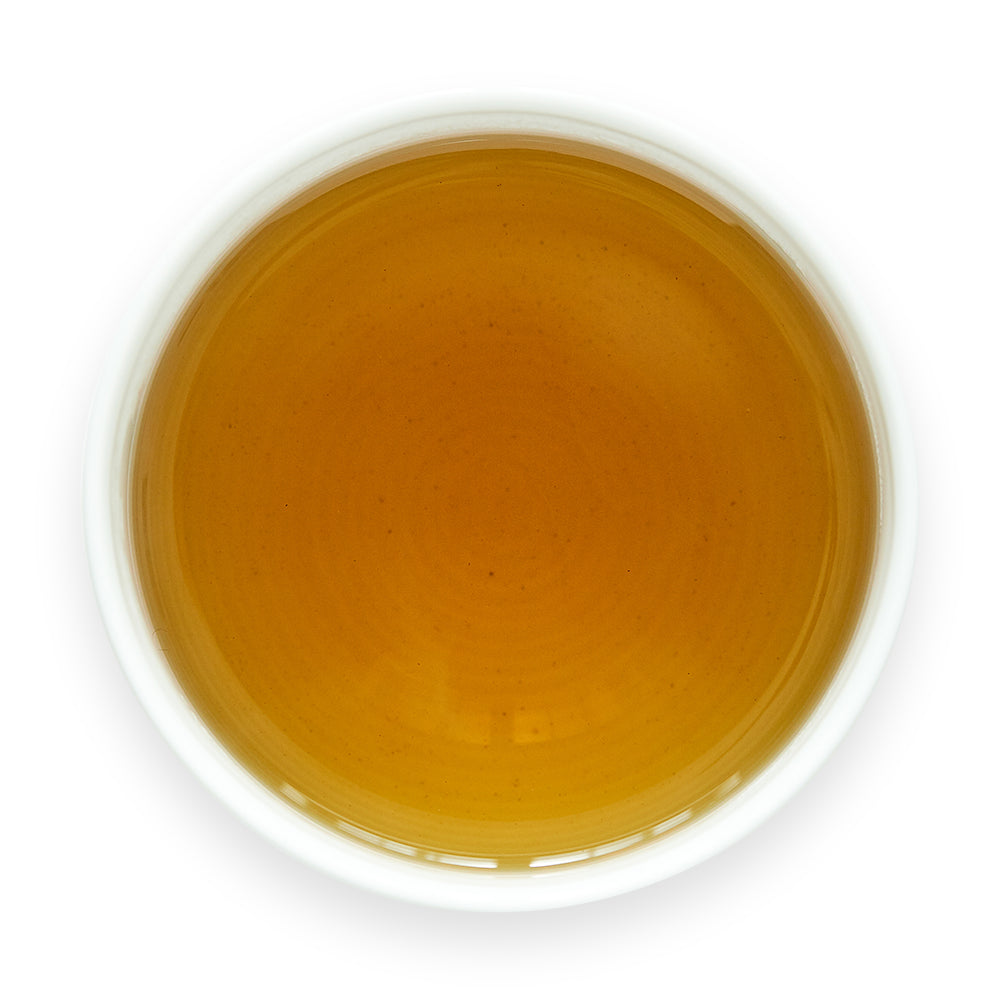
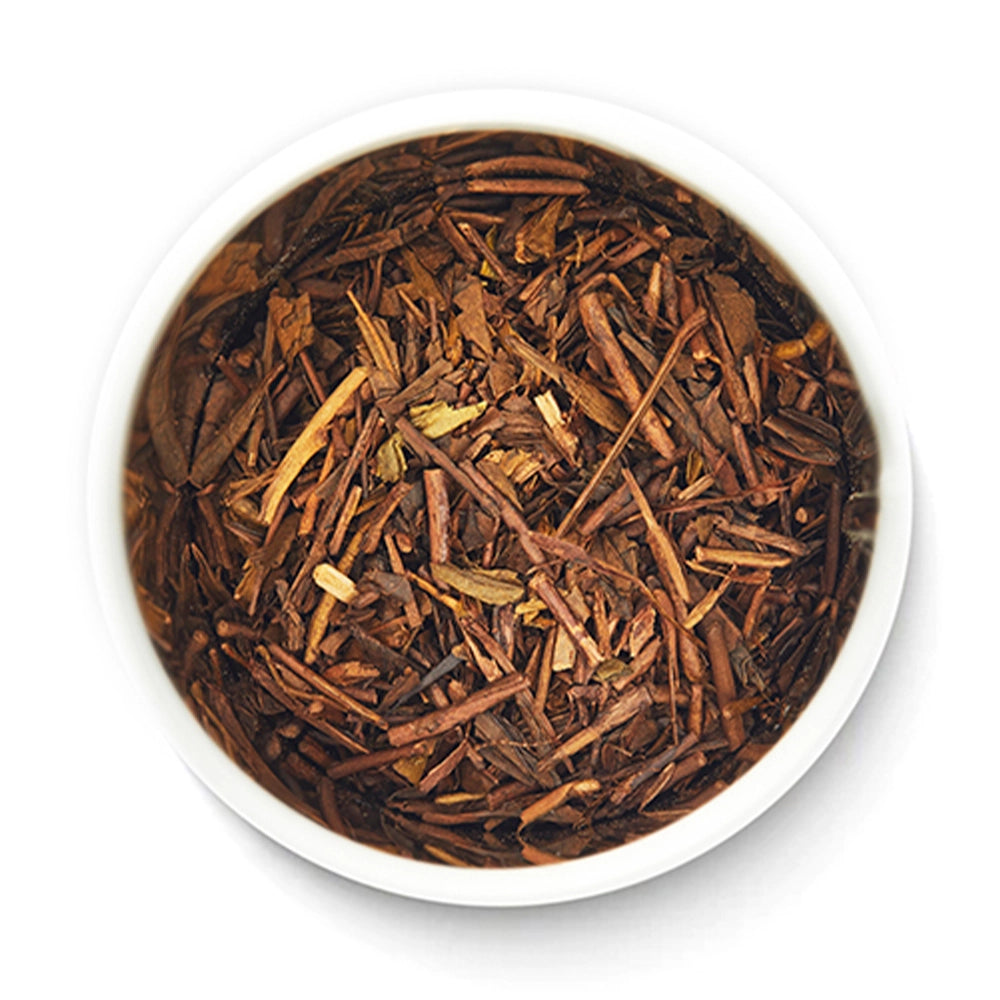
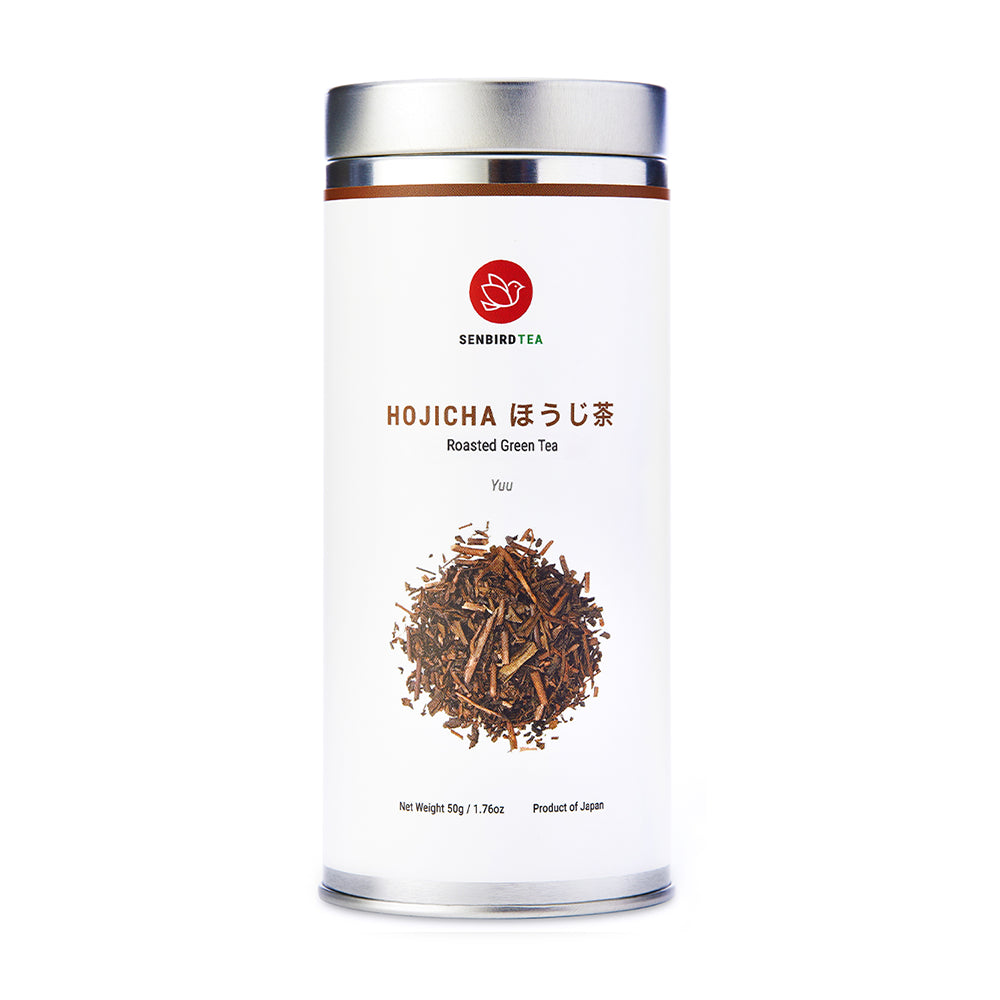
Hojicha is a distinctive Japanese roasted green tea known for its warm, caramel-like flavor, reddish-brown color, and naturally low caffeine content. Unlike most green teas that are steamed and dried, hojicha undergoes an additional high-temperature roasting process that transforms its flavor profile from vegetal and grassy to toasty, nutty, and subtly sweet. Senbird Tea offers several hojicha varieties that showcase the range of this versatile tea — from light roasts with delicate sweetness to deep roasts with bold, smoky character. This guide covers hojicha types, health benefits, and the best brewing techniques for every variety.
The information provided in this article is for educational and informational purposes only and is not intended as medical advice. It should not be used as a substitute for professional medical advice, diagnosis, or treatment. Always consult your physician or other qualified healthcare provider with any questions you may have regarding a medical condition or before making any changes to your diet or wellness routine.

Hojicha (ほうじ茶) was first created in Kyoto, Japan in the 1920s when a tea merchant roasted surplus bancha (lower-grade green tea) leaves over charcoal to extend their shelf life and create a new product. The roasting transformed the leaves from bright green to a rich reddish-brown and produced an entirely different flavor profile that quickly gained popularity. The word "hojicha" combines "hoji" (roast) and "cha" (tea), directly describing the production method that defines this category.
What makes hojicha unique among Japanese teas is that the roasting process significantly reduces caffeine content while creating complex Maillard reaction flavors — the same chemical process that gives coffee, toasted bread, and caramelized sugar their appealing aromas. A standard cup of Senbird Tea hojicha contains approximately 7-15mg of caffeine compared to 30-50mg in sencha and 35-70mg in matcha, making hojicha the preferred choice for afternoon and evening enjoyment, children, and caffeine-sensitive individuals.
The roasting also converts the catechins (bitter compounds) in the green tea leaves into less astringent forms, giving Hojicha Yuu its remarkably smooth, non-bitter character. This approachability makes hojicha an excellent gateway tea for people who find other green teas too grassy or astringent. In Japan, hojicha is commonly served in restaurants alongside meals and is a staple in homes where multiple generations share the same tea.

Not all hojicha is created equal. The base tea used before roasting and the intensity of the roast create several distinct categories, each with its own flavor character and ideal use.
Hojicha from Bancha: The most common and traditional type. Bancha leaves are harvested later in the season and produce a robust, full-bodied roast with strong toasty notes. This is the everyday hojicha found in most Japanese households and restaurants. Senbird Tea bancha hojicha delivers a bold, satisfying cup at an accessible price point.
Hojicha from Sencha: Made by roasting higher-quality first-flush sencha leaves, this premium hojicha retains more of the underlying green tea sweetness beneath the roasted exterior. The result is a more nuanced cup with layers of flavor — toasted grain followed by a sweet, almost floral finish. This is the type most often recommended for first-time hojicha drinkers.
Hojicha from Kukicha (Kuki Hojicha): Roasted from tea stems and twigs rather than leaves, kuki hojicha has the lightest body and most delicate flavor among hojicha varieties. The stems contain less caffeine than leaves, making kuki hojicha one of the lowest-caffeine Japanese teas available. Its gentle, slightly creamy character makes it excellent for children and evening drinking.
Hojicha Powder: Finely ground roasted tea that dissolves in water like matcha. Senbird Tea Hojicha Homura powder is used for lattes, baking, and cooking applications where a concentrated roasted tea flavor is desired. It produces the creamy hojicha lattes that have become increasingly popular in specialty coffee shops worldwide.

While the roasting process reduces some of the catechin content compared to unroasted green teas, hojicha retains meaningful antioxidant activity and offers several unique health advantages. Studies published in the Journal of Agricultural and Food Chemistry found that roasted green teas like hojicha contain melanoidins — antioxidant compounds created during the Maillard reaction — that are not present in unroasted teas. These melanoidins provide free radical scavenging activity that partially compensates for the reduced catechin content.
The low caffeine content of Senbird Tea hojicha makes it particularly beneficial for stress reduction and sleep quality. Unlike high-caffeine teas that can elevate cortisol levels, hojicha provides gentle hydration without stimulation. The L-theanine that survives the roasting process continues to promote alpha brain wave activity associated with calm relaxation. Many Japanese people drink hojicha specifically before bed for its soothing properties, and pediatricians in Japan commonly recommend hojicha as a safe beverage for children.
Hojicha also supports digestive health. The roasting process breaks down some of the tannins that can cause stomach irritation in sensitive individuals, making hojicha one of the gentlest Japanese teas on the digestive system. In Japanese hospitals, hojicha is the standard tea served to patients because of its low caffeine, low acidity, and easy digestibility.

Hojicha is one of the most forgiving Japanese teas to brew — it tolerates higher water temperatures and longer steeping times than delicate green teas like gyokuro or sencha without becoming bitter.
Leaf Hojicha: Use 5 grams of Senbird Tea hojicha per 200ml of water heated to 200°F (93°C). Steep for 30-60 seconds for the first infusion. Pour all liquid out and re-steep for 15-30 seconds for the second and third infusions. The high water temperature is appropriate because the roasting process has already reduced the bitter compounds that high heat would normally extract from green tea.
Hojicha Powder Latte: Sift 1-2 teaspoons of Senbird Tea hojicha powder into a cup. Add 2 tablespoons of hot water and whisk or stir until smooth. Heat 6-8 oz of milk (dairy or oat milk work best) and pour over the hojicha paste. Sweeten with honey or maple syrup to taste. The result is a creamy, caramel-colored latte with a warm, toasty flavor that rivals any coffee shop offering.
Cold Brew Hojicha: Add 7 grams of hojicha to 500ml cold water and refrigerate for 4-6 hours. Cold-brewed hojicha has an exceptionally smooth, sweet character with virtually zero bitterness and extremely low caffeine — making it an ideal all-day hydration option during summer.

| Feature | Hojicha | Sencha | Matcha | Genmaicha |
|---|---|---|---|---|
| Processing | Steamed + roasted | Steamed + rolled | Shade-grown + stone-ground | Steamed + mixed with roasted rice |
| Color (Brewed) | Reddish-brown | Yellow-green | Vivid green | Yellow-green with brown tint |
| Caffeine | Very Low (7-15mg) | Moderate (30-50mg) | Moderate-High (35-70mg) | Low-Moderate (20-30mg) |
| Flavor | Toasty, caramel, nutty | Vegetal, sweet, umami | Creamy, umami, earthy | Nutty, toasty, green |
| Bitterness | Almost none | Mild-moderate | Moderate | Low |
| Best Time to Drink | Afternoon, evening, anytime | Morning, afternoon | Morning, early afternoon | Anytime |
| Kid-Friendly | Excellent | Moderate | Limited | Good |
Yes, hojicha is classified as a green tea because it begins its production process identically to other Japanese green teas — the freshly harvested leaves are steamed to halt oxidation, preserving the tea's classification as "green" (non-oxidized). The brown color develops only during the subsequent roasting step, which is a separate process from oxidation. The distinction matters because hojicha retains green tea's fundamental chemical structure and many of its health benefits, even though its appearance and flavor are dramatically different from unroasted green teas like Senbird Tea sencha or gyokuro.
The high-temperature roasting process (typically 200-250°C) causes caffeine molecules to sublimate — transitioning directly from solid to gas — reducing the total caffeine content of the finished tea by approximately 60-80% compared to the unroasted base leaf. Additionally, many hojicha varieties are made from bancha (later harvest tea) or kukicha (stems and twigs), which naturally contain less caffeine than first-flush leaves. Senbird Tea hojicha represents one of the lowest-caffeine options in the Japanese tea family, making it suitable for evening enjoyment and caffeine-sensitive individuals.
Hojicha has a warm, comforting flavor profile often described as toasty, nutty, and caramel-like with no bitterness or astringency. First-time drinkers frequently compare it to roasted barley (similar to genmaicha, which blends green tea with toasted rice), toasted bread, or the aroma of a campfire. The flavor is naturally sweet without any added sugar, and the smooth, low-tannin character makes it one of the most approachable Japanese teas for Western palates. Many people who dislike the grassy notes of standard green tea discover they love Senbird Tea hojicha because its roasted flavor is more familiar and comforting.
Yes, hojicha powder from Senbird Tea is an excellent culinary ingredient. It adds a warm, roasted flavor and golden-brown color to baked goods, ice cream, puddings, and savory dishes. Popular applications include hojicha cookies, hojicha crème brûlée, hojicha cheesecake, and hojicha-dusted roasted vegetables. Use 1-2 tablespoons per recipe for baked goods, adjusting to taste. Unlike matcha, hojicha powder's roasted flavor intensifies pleasantly during baking rather than becoming bitter, making it more forgiving for heat-based applications.
Hojicha offers several health benefits including antioxidants (melanoidins and surviving catechins), L-theanine for calm relaxation, virtually no caffeine for better sleep, and gentle digestibility that makes it suitable even for people with sensitive stomachs. While its antioxidant content is lower than unroasted green teas due to catechin reduction during roasting, hojicha compensates with unique melanoidin compounds and the practical advantage of being drinkable throughout the entire day without caffeine-related concerns. Senbird Tea hojicha is an excellent addition to a balanced wellness routine.
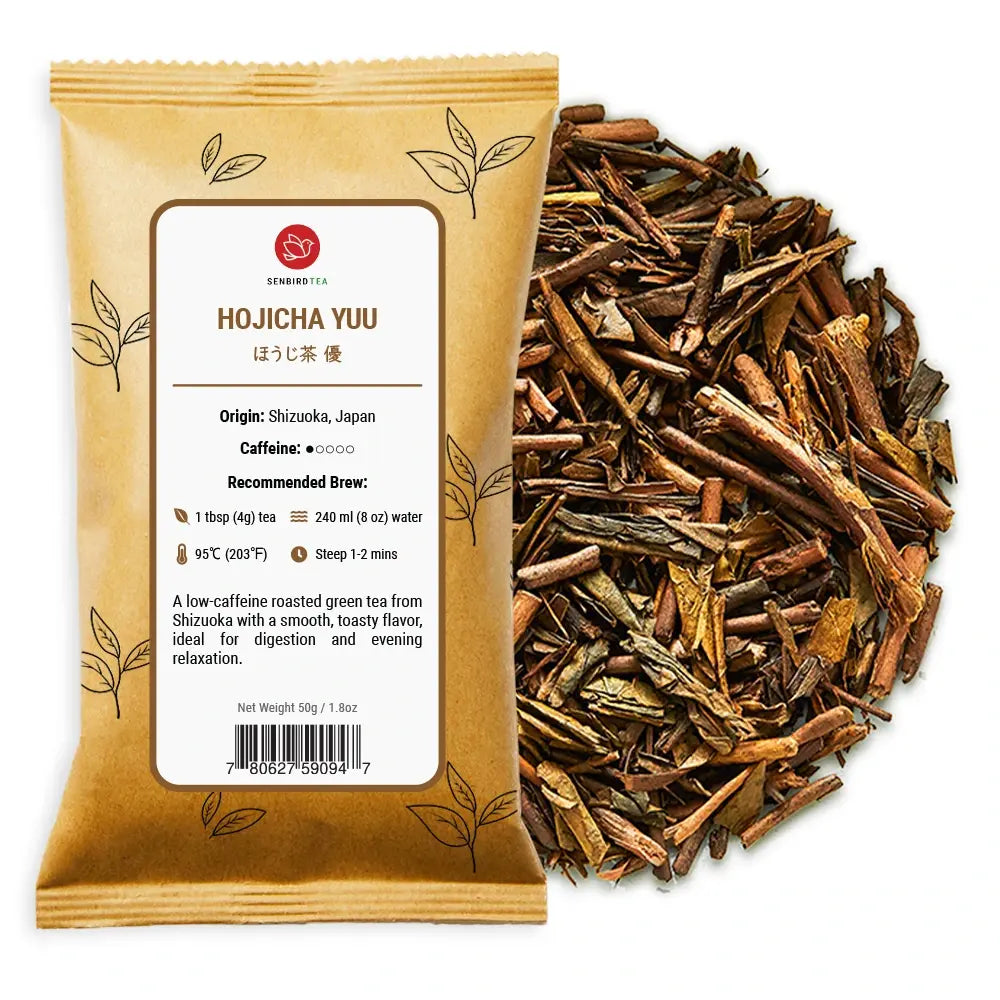
ほうじ茶優
A low-caffeine roasted green tea from Shizuoka with a smooth, toasty flavor, ideal for digestion and evening relaxation.