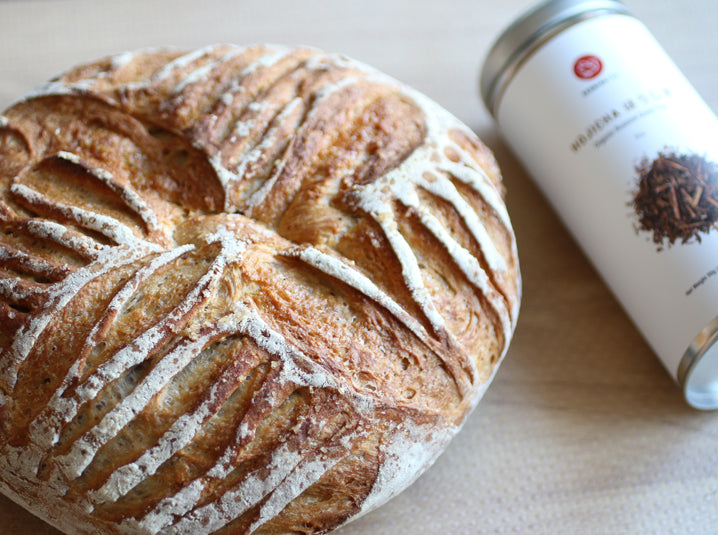


Hojicha milk and honey bread combines the warm, roasted flavor of Japanese hojicha green tea with the soft, pillowy texture of milk bread-creating a loaf that is as fragrant as it is delicious. This recipe from Senbird Tea infuses hojicha directly into the dough, giving the bread a golden-brown color and a toasty, caramel-like aroma that fills your kitchen during baking. Milk bread (shokupan) is Japan's signature soft white bread, and adding hojicha elevates it into something truly special.

Ingredients:
For the tangzhong (milk roux):
Instructions:
Yield: 1 loaf (10-12 slices) | Prep: 30 min | Rise: 2-2.5 hrs | Bake: 30-35 min

The tangzhong (water roux) technique is the secret behind Japanese milk bread's extraordinary softness. By pre-cooking a small portion of flour with milk, you create a gel that traps moisture during baking. The result is bread that stays soft and fluffy for 3-4 days without preservatives. This method is particularly important for hojicha bread because the roasted tea powder can absorb moisture—the tangzhong compensates by adding extra hydration to the dough.

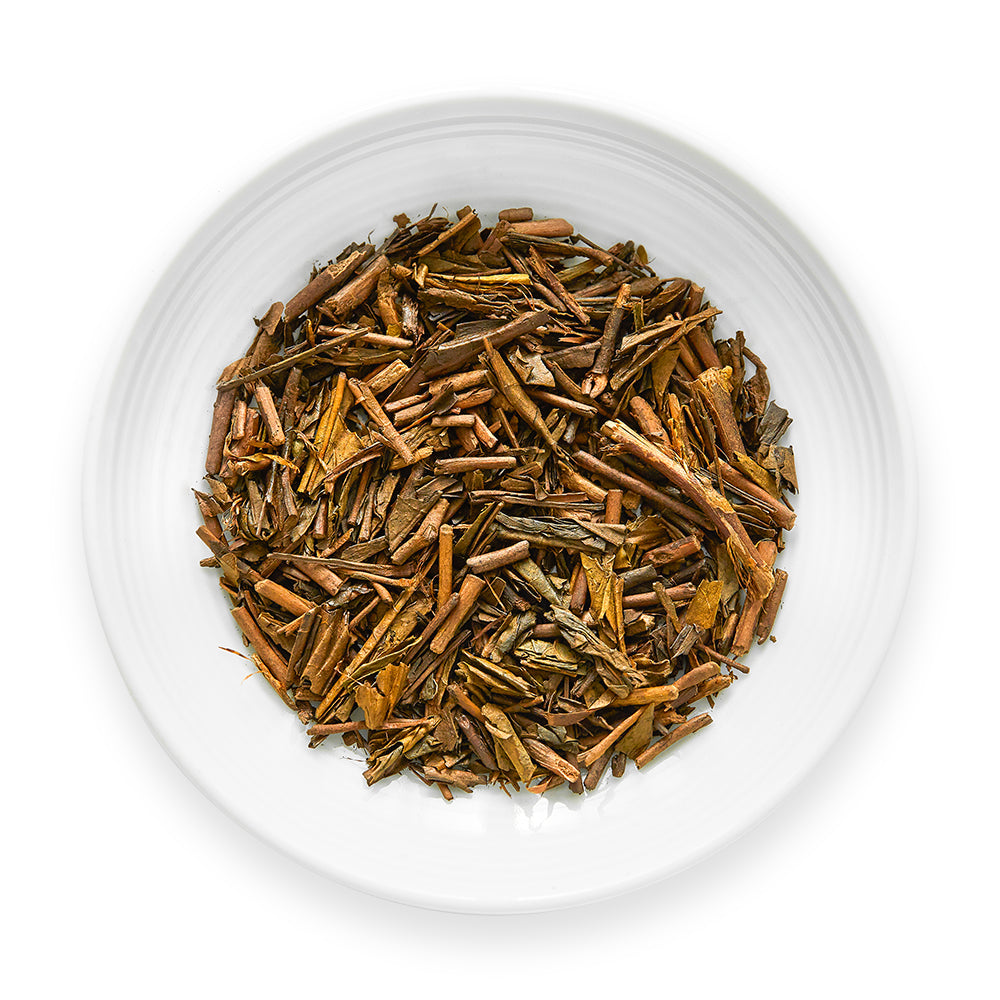
Use finely ground hojicha powder rather than coarsely ground leaves. Coarse particles create an uneven texture and can feel gritty in the finished bread. Senbird Tea's hojicha roasted green tea powder is ground fine enough to integrate seamlessly into bread dough. If you only have loose-leaf hojicha, grind it in a spice grinder or mortar and pestle until powdery, then sift to remove any remaining large pieces.
Do not skip the windowpane test during kneading. Properly developed gluten is essential for the characteristic pull-apart texture of milk bread. If the dough tears when you stretch it thin, continue kneading for another 2-3 minutes and test again.
| Tea Bread Variation | Tea Used | Flavor Notes | Color |
|---|---|---|---|
| Hojicha milk bread | Hojicha powder | Toasty, caramel | Golden brown |
| Matcha milk bread | Matcha powder | Grassy, earthy | Bright green |
| Plain milk bread | None | Buttery, sweet | White |
Yes, but you need to grind it into a fine powder first using a spice grinder or mortar and pestle. Coarse tea leaves will create an uneven texture in the bread. After grinding, sift the powder through a fine mesh strainer to ensure consistency. Senbird Tea's hojicha works well in either leaf or pre-ground form for baking.
Thanks to the tangzhong method, hojicha milk bread stays soft for 3-4 days when stored in an airtight container at room temperature. For longer storage, slice the loaf and freeze individual slices in plastic wrap for up to one month. Toast frozen slices directly-no thawing needed-for a quick breakfast with intensified hojicha flavor.
Hojicha has the lowest caffeine content of any Japanese green tea (approximately 7-10 mg per gram). With 2 tablespoons of hojicha powder spread across an entire loaf, each slice contains a negligible amount of caffeine-roughly 2-3 mg, less than a piece of dark chocolate. This makes it suitable for children and caffeine-sensitive individuals.
Milk bread (shokupan) uses the tangzhong technique, higher fat content (butter, eggs, milk), and enriched dough that produces an exceptionally soft, tender crumb with a fine, cotton-like texture. Regular sandwich bread is leaner and denser. Enjoying a slice alongside hojicha brewed in your favorite teaware makes for a complete Japanese tea experience. The tangzhong pre-gelatinizes a portion of the starch, allowing the dough to retain more moisture during baking.
Yes. Add the tangzhong and all ingredients to your bread machine in the order recommended by your manufacturer (typically liquids first, then dry ingredients, yeast last). Add the hojicha powder with the flour. Use the basic or sweet bread setting. The bread machine version will have a slightly different shape but the same wonderful hojicha flavor.
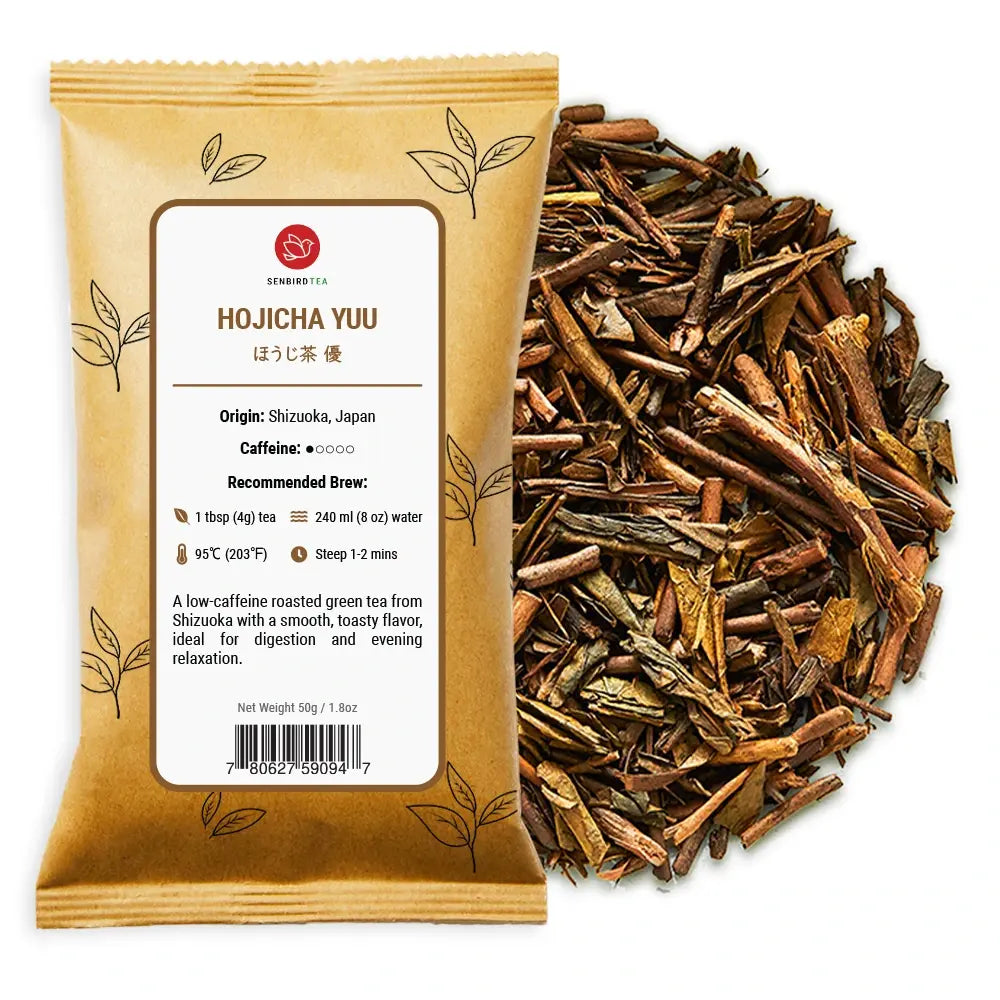
ほうじ茶優
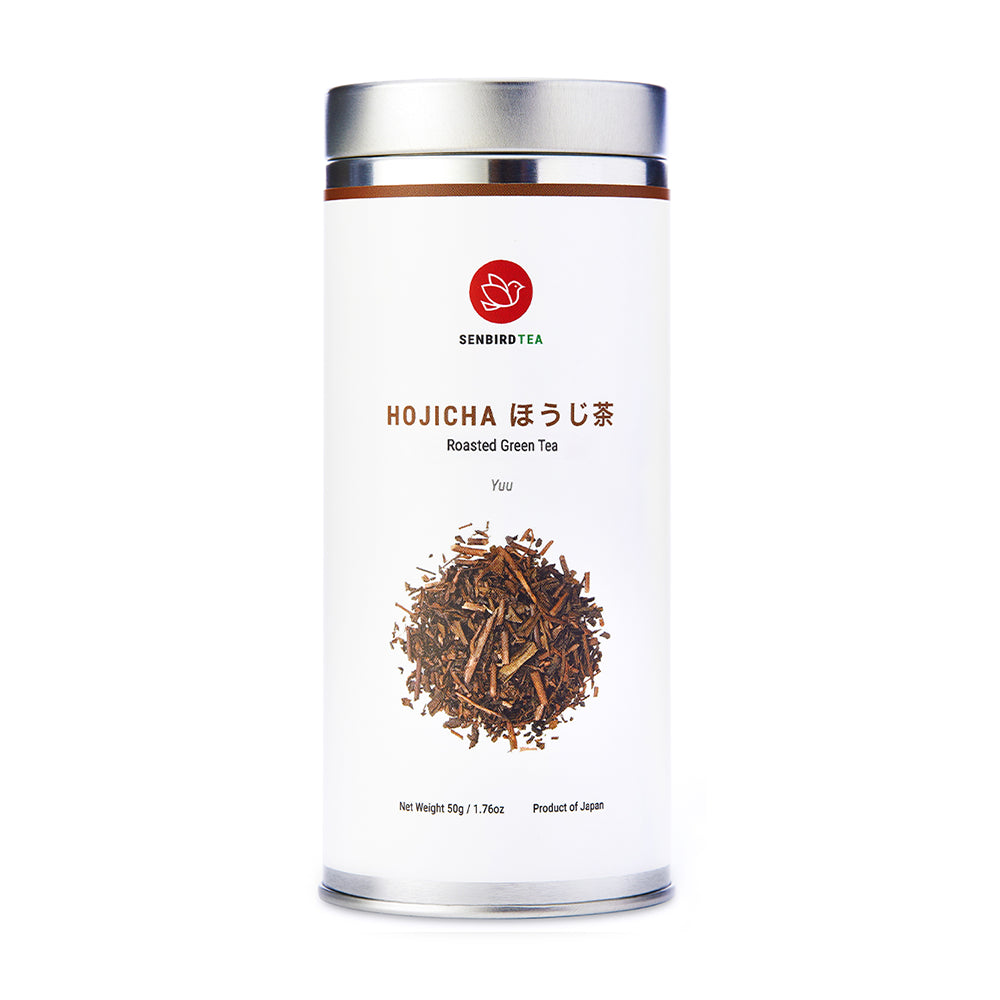
A low-caffeine roasted green tea from Shizuoka with a smooth, toasty flavor, ideal for digestion and evening relaxation.