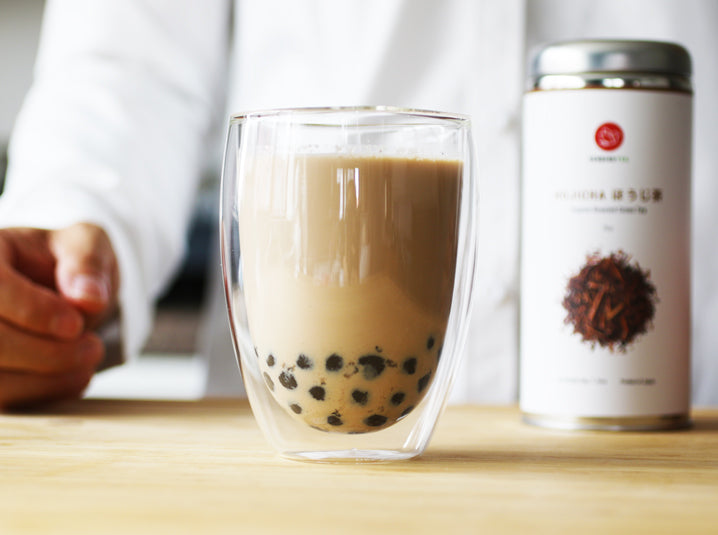


Hojicha bubble tea brings together the toasty, caramel-like flavor of Japanese roasted green tea with chewy tapioca pearls for a drink that rivals any boba shop creation. Unlike matcha boba, which can taste grassy and bitter if not prepared carefully, hojicha’s naturally smooth, low-astringency profile makes it one of the easiest Japanese teas to turn into a satisfying bubble tea at home. This Senbird Tea recipe takes about 30 minutes from start to finish and uses real loose-leaf hojicha rather than flavored powders.

Hojicha’s roasting process caramelizes the tea leaves, creating warm, nutty flavors that pair naturally with milk and sweeteners—the two key components of boba. The low caffeine content (approximately 7–10 mg per gram) means you can enjoy hojicha bubble tea as an afternoon or evening treat without worrying about sleep disruption. Hojicha also has minimal bitterness, so it blends seamlessly with milk without requiring excessive sweetener to mask harsh flavors.
At boba shops, hojicha is rapidly becoming one of the most popular tea bases alongside matcha and jasmine. Making it at home with Senbird Tea’s premium loose-leaf hojicha gives you control over sweetness levels and ingredient quality—no artificial flavors or preservatives.

Ingredients:
Instructions:
Yield: 1 serving | Prep: 5 min | Cook: 20 min | Total: 25 min

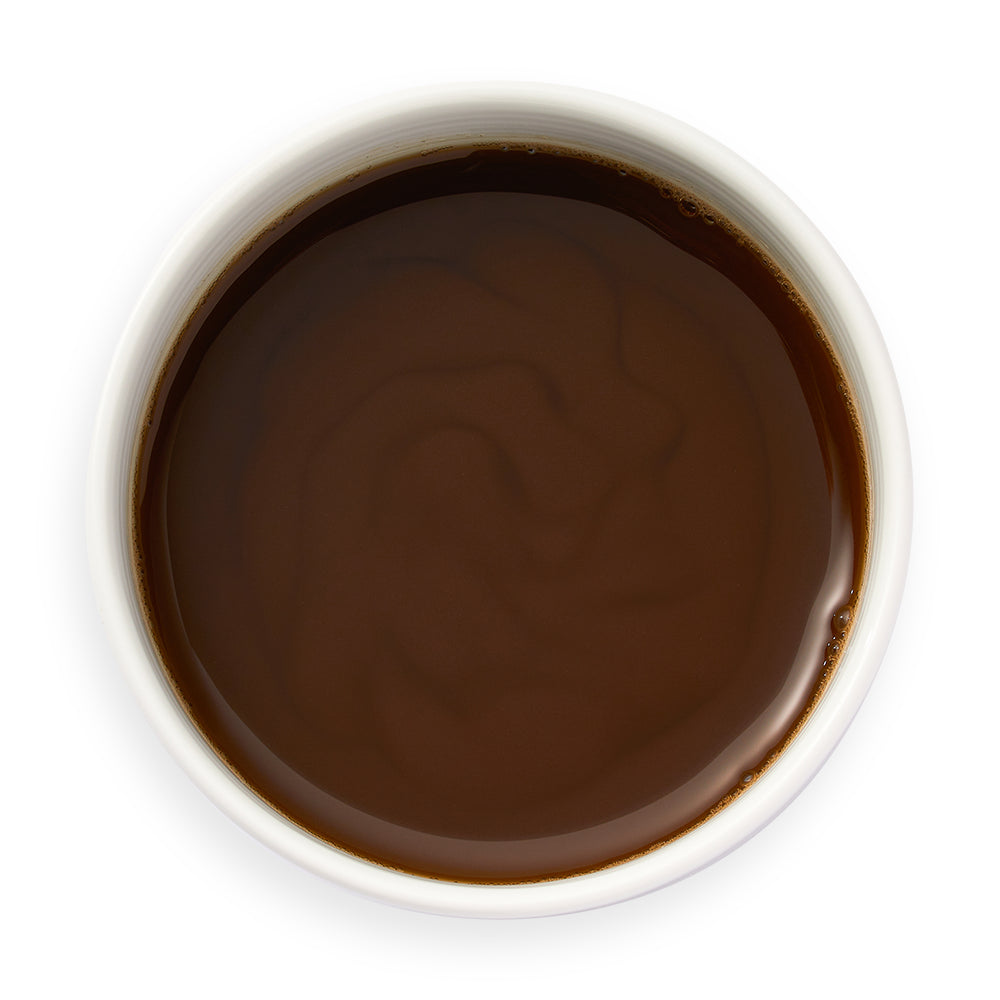
Brew the hojicha at double strength (twice the leaf amount) since it will be diluted by ice and milk. Weak hojicha gets lost behind the sweetener and milk, producing a bland drink. Senbird Tea’s premium roasted green tea has a robust roast profile that holds up well to dilution, making it particularly well-suited for bubble tea.
Fresh boba is the single biggest quality differentiator between homemade and shop-quality bubble tea. Cook boba immediately before serving—they harden within 2–3 hours at room temperature. If you need to prepare ahead, keep cooked boba in sugar syrup at room temperature and use within 4 hours.

| Feature | Hojicha Boba | Matcha Boba |
|---|---|---|
| Flavor | Toasty, caramel, nutty | Grassy, vegetal, umami |
| Caffeine | 15–25 mg | 60–70 mg |
| Bitterness | Very low | Moderate (grade-dependent) |
| Color | Warm brown | Vibrant green |
| Best for | Afternoon/evening | Morning/midday |
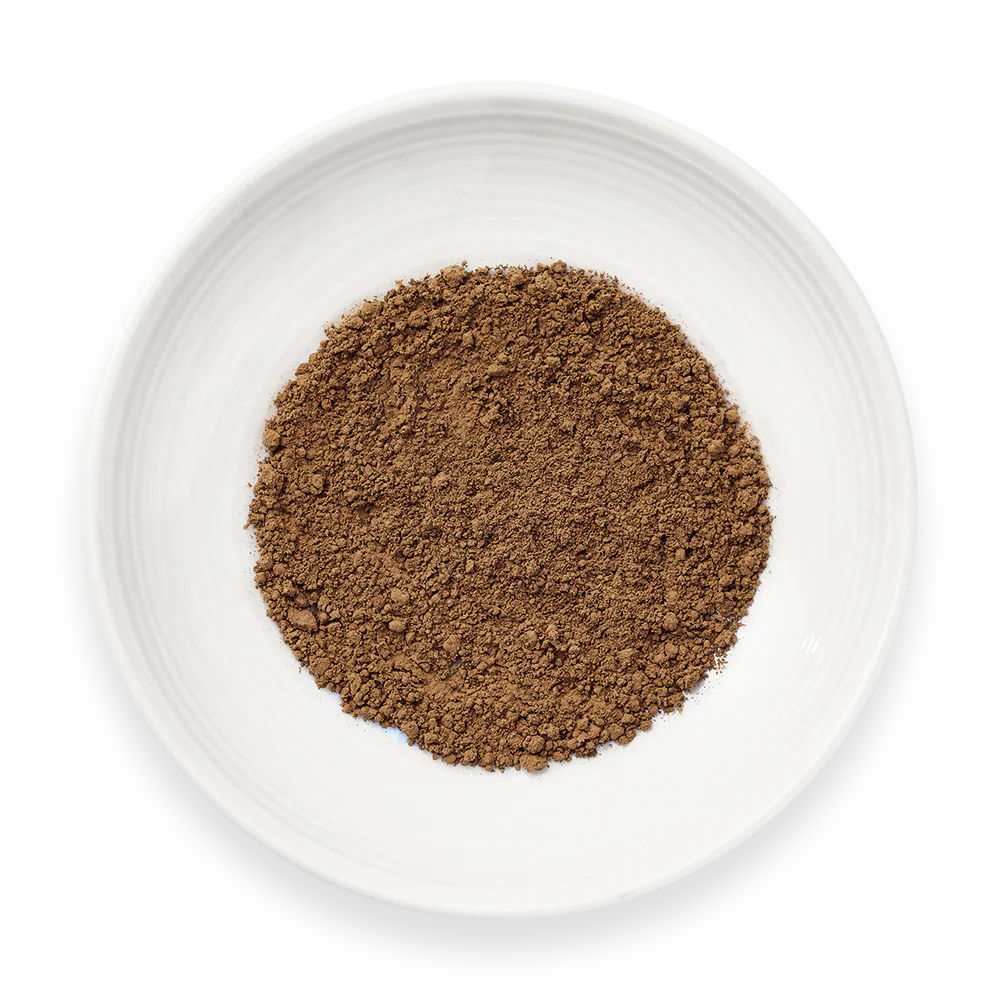
Yes. Hojicha powder dissolves directly into water without steeping, which speeds up preparation. Use 1–2 teaspoons of hojicha powder mixed with a small amount of hot water to create a paste, then dilute with cold water or milk. However, loose-leaf hojicha from Senbird Tea produces a cleaner, more nuanced flavor than most powders.
Reduce the brown sugar syrup to 1 tablespoon or switch to a lighter sweetener like honey or agave. You can also skip sweetening the boba entirely and add sweetener only to the tea—this gives you more precise control over the final sweetness level. Hojicha’s natural toasty sweetness means it requires less added sugar than most boba tea bases.
Absolutely. Skip the ice and cooling steps, use warm milk instead of cold, and add the boba directly to the hot hojicha latte. Hot boba stays chewier for longer and the warm hojicha aroma is especially comforting in cold weather. This is a popular winter variation in Japanese boba cafes.
Cooked boba should be consumed within 4 hours for the best texture. After that, they begin to harden and lose their signature chewiness. Store in brown sugar syrup at room temperature—do not refrigerate, as cold temperatures accelerate hardening. For best results, cook boba fresh for each serving.
Hojicha itself is rich in antioxidants and very low in caffeine, making it a healthier Japanese green tea base than most. The main calorie sources in bubble tea are the tapioca pearls and sweetener. To make a healthier version, reduce sugar, use oat milk, and limit boba to 2–3 tablespoons per serving. This keeps the drink under 200 calories while maintaining the classic boba experience.
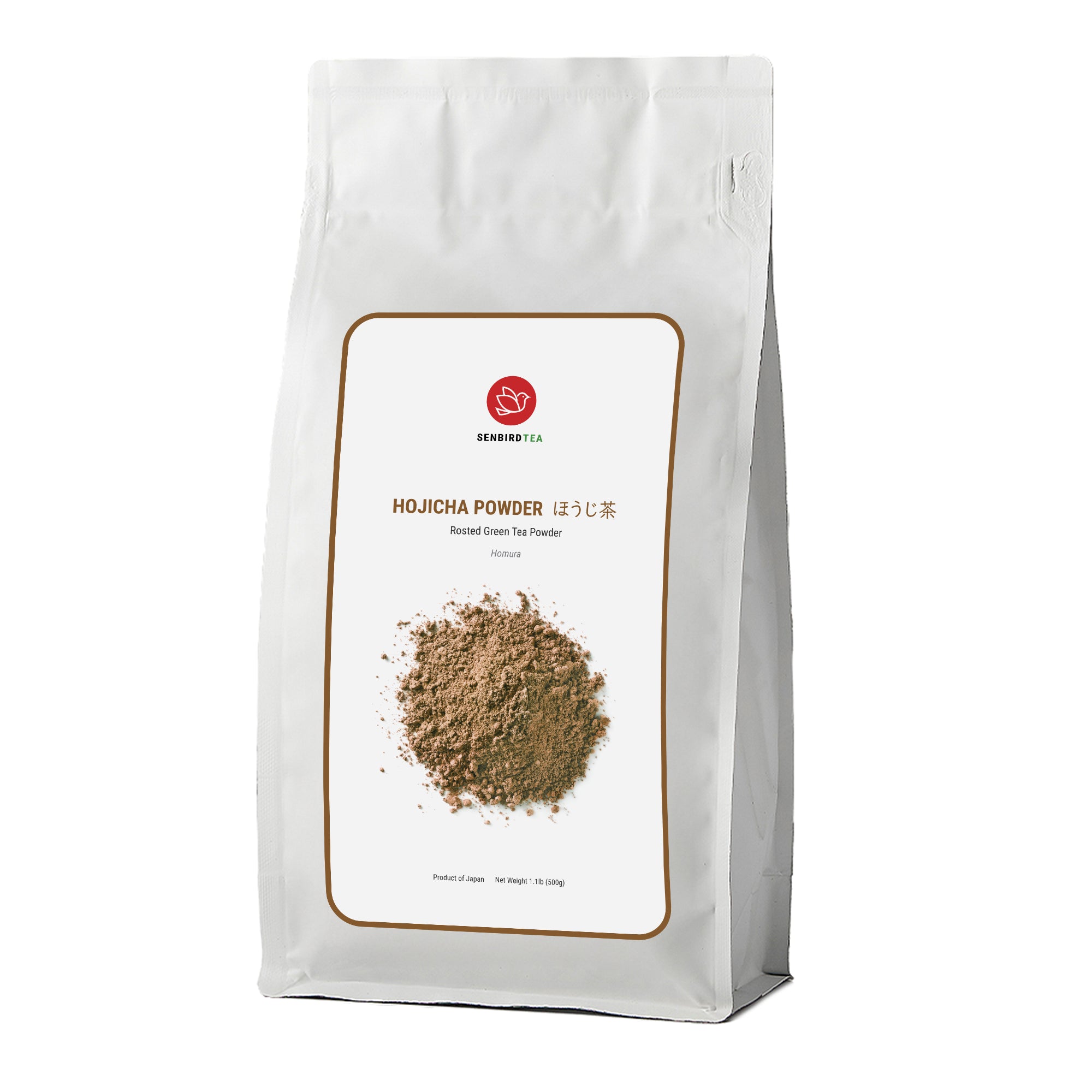
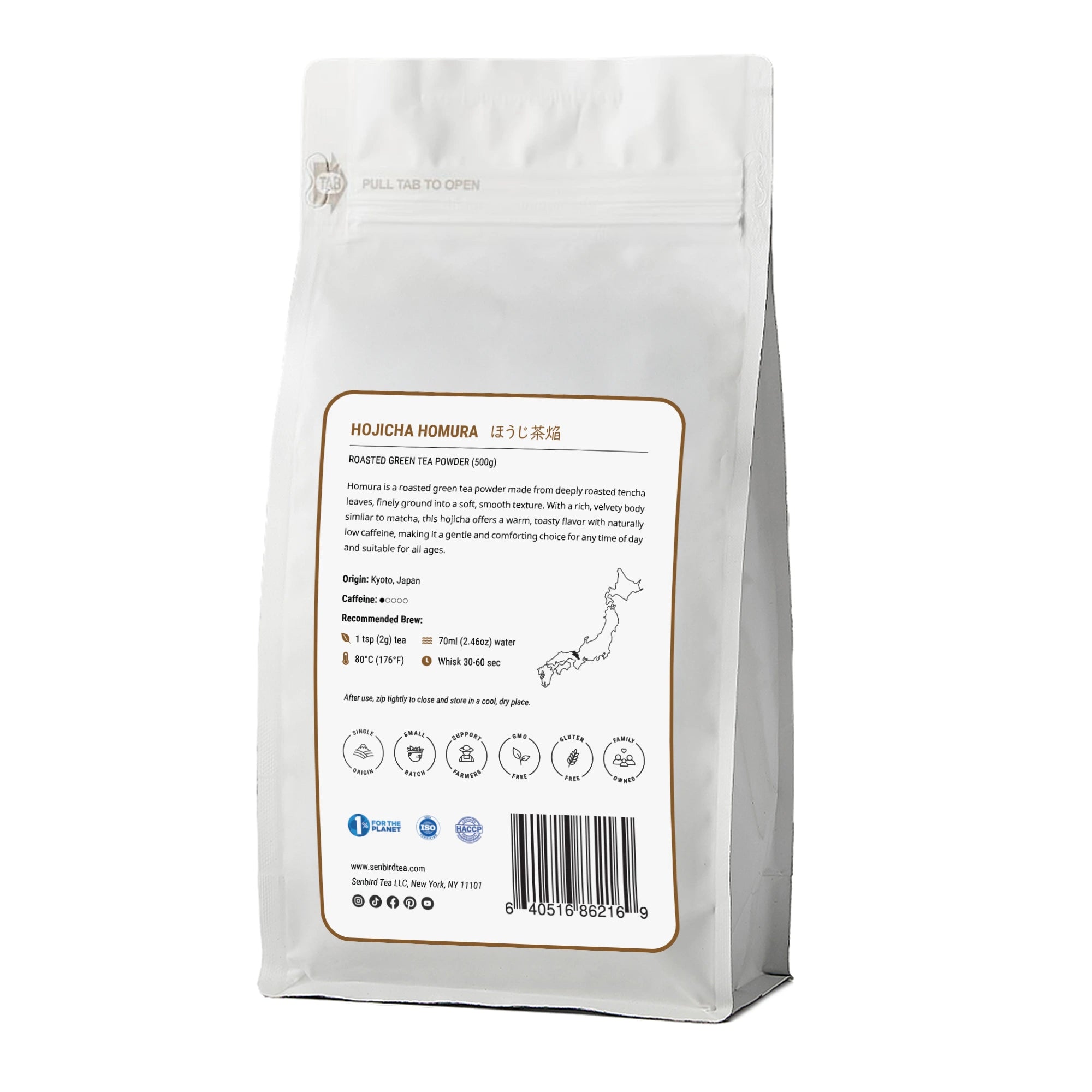
ほうじ茶焔
A roasted green tea powder from deeply roasted tencha in 500g (1.1lbs), with fragrant aroma and a bold, full-bodied roasted flavor.