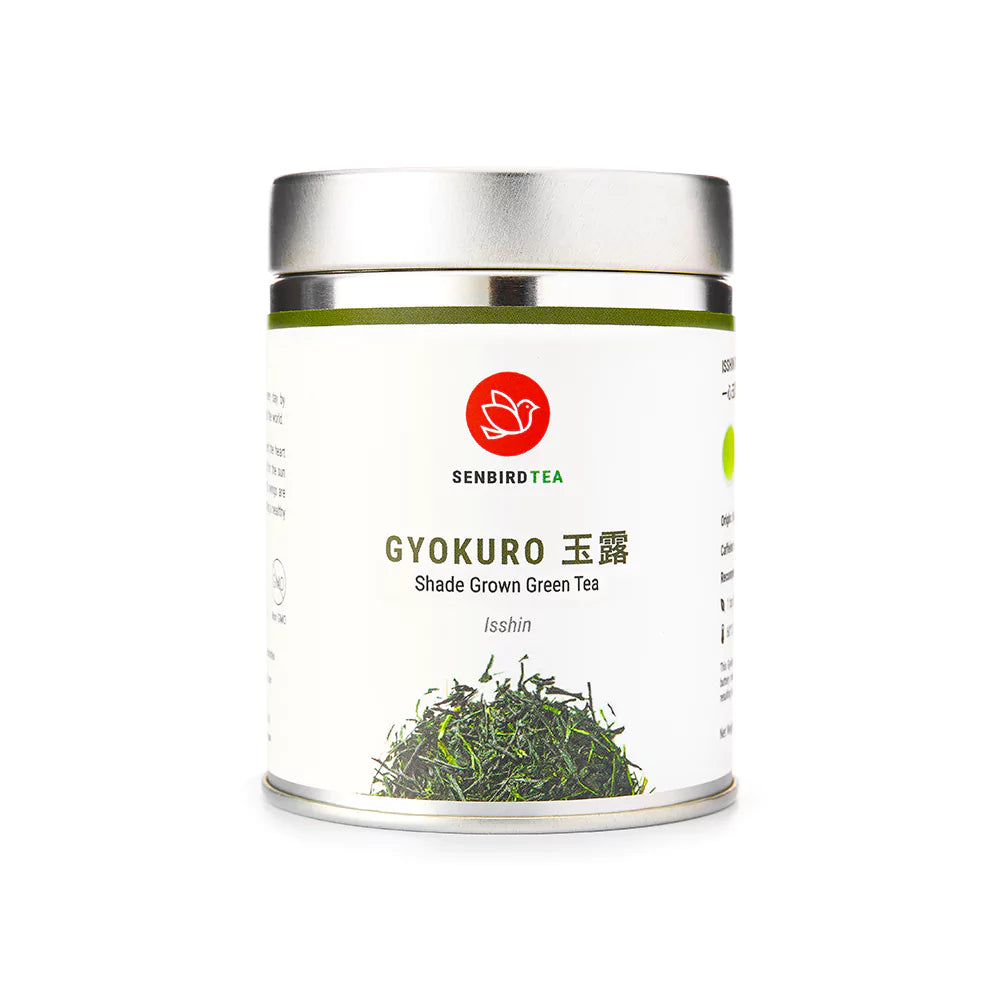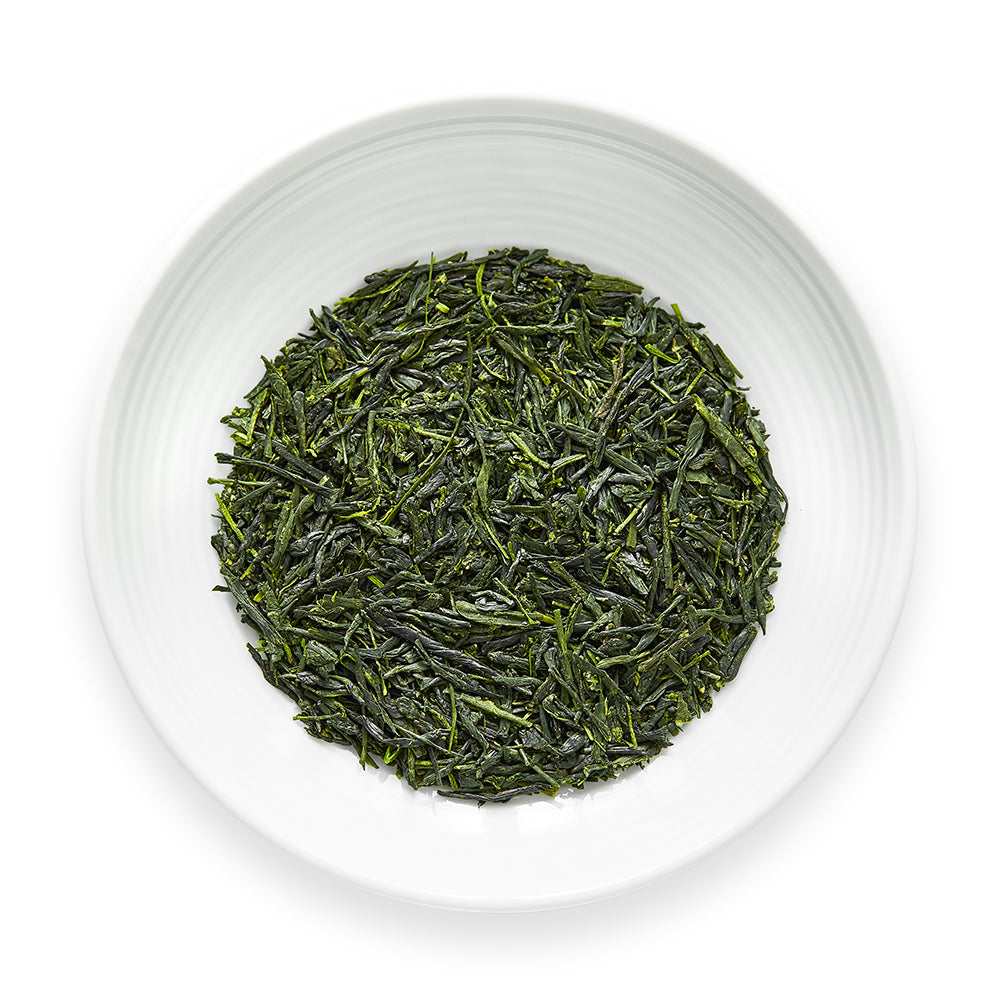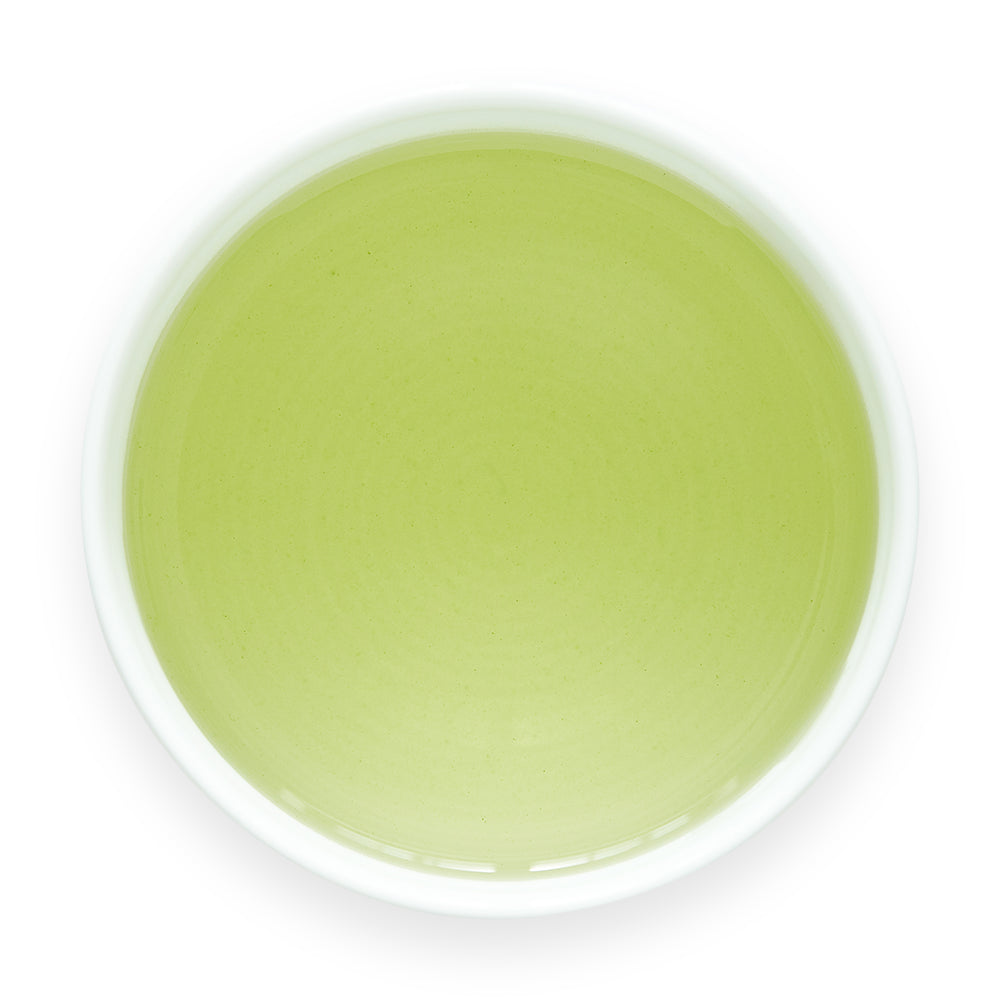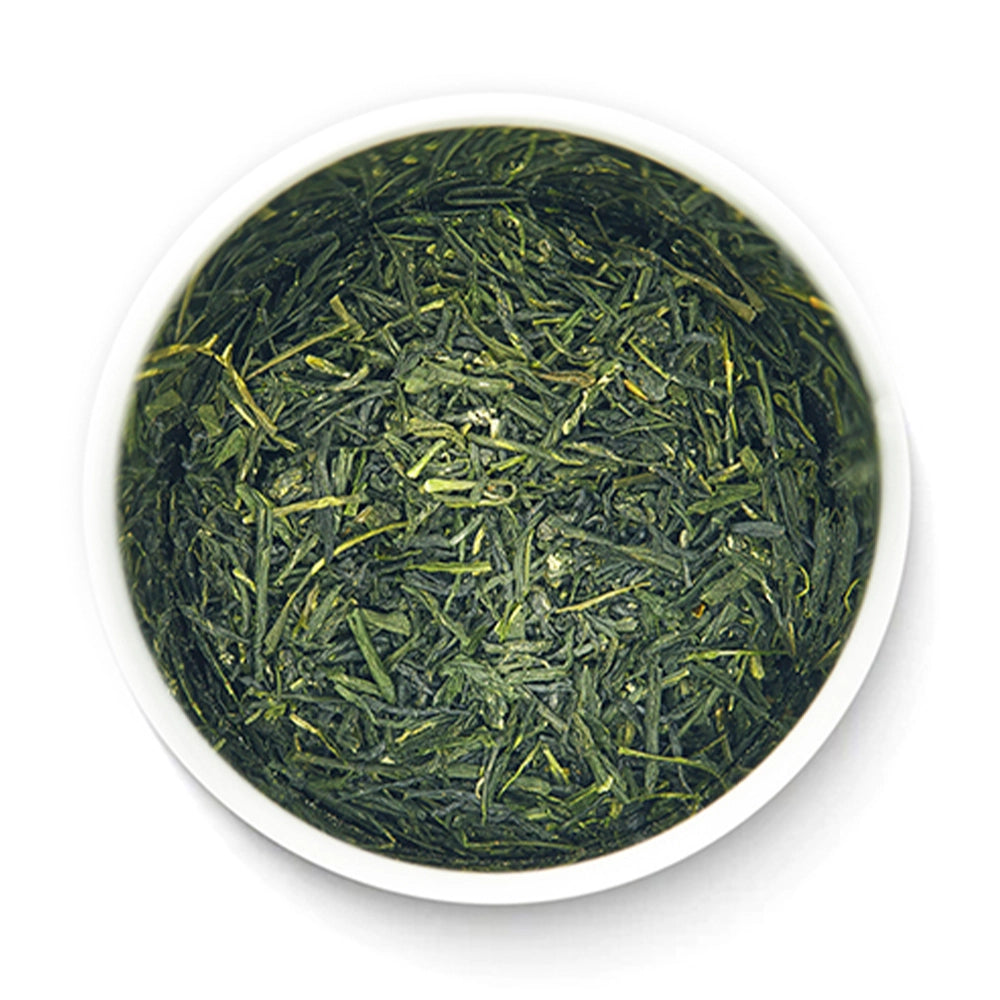


Kooridashi is a traditional Japanese cold-brewing method that uses ice instead of cold water to extract tea, producing the most concentrated and umami-rich gyokuro possible. By placing high-quality gyokuro leaves beneath slowly melting ice, this technique from Senbird Tea yields a small but intensely flavorful elixir — typically just a few sips — that showcases the full depth of shade-grown Japanese green tea. The process takes 30 to 60 minutes but requires no active effort, making it the perfect meditative summer brew.

Kooridashi (氷出し) translates directly to "ice extraction" in Japanese. Unlike standard cold brew methods that steep tea in cold water for hours, kooridashi relies on the gradual melting of ice placed directly on top of the tea leaves. As the ice melts drop by drop, it extracts amino acids and sweet flavor compounds while leaving behind much of the bitterness caused by catechins and caffeine — compounds that require higher temperatures to dissolve efficiently. The result is an extraordinarily smooth, sweet, and umami-forward concentrate that many tea connoisseurs consider the pinnacle of green tea preparation.
This method works best with Senbird Tea gyokuro because shade-grown teas develop significantly higher levels of L-theanine and amino acids compared to sun-grown varieties. The slow ice extraction pulls these compounds into the brew at a higher ratio than any other brewing method, creating a cup that is sweet, viscous, and almost broth-like in its savory depth. Kooridashi is not an everyday brewing method — it is a special occasion technique that transforms premium gyokuro into a truly extraordinary experience.

Brew Time: 30-60 minutes (passive) | Yield: 2-3 oz concentrate | Difficulty: Easy

The quality of your gyokuro matters more in kooridashi than in any other brewing method. Because the slow ice extraction amplifies subtle flavor compounds, any flaws in the tea become equally magnified. Senbird Tea premium gyokuro, shade-grown for at least 20 days before harvest, provides the ideal base with its naturally high amino acid content and deep umami character. Lower-grade green teas will produce a noticeably thinner, less complex result.
Water quality is equally important. Use filtered or spring water to make your ice cubes — chlorinated tap water can introduce off-flavors that compromise the delicate sweetness of the brew. Some practitioners freeze filtered water in silicone molds to create perfectly sized cubes. The size of your ice matters because it controls the melting rate: larger cubes melt slower and produce a more concentrated extraction, while smaller cubes or crushed ice melt faster and yield a lighter, more diluted result.
Temperature and environment affect your brew. On hot summer days, ice melts faster, so consider placing your brewing vessel in a slightly cool area or on a ceramic plate that absorbs some ambient heat. Some experienced practitioners place the entire setup in the refrigerator for an even slower extraction that can take up to two hours and produces an ultra-concentrated elixir with teas like Senbird Tea's Gyokuro Kotobuki.

| Feature | Kooridashi (Ice Brew) | Standard Cold Brew | Mizudashi (Water Brew) |
|---|---|---|---|
| Brewing Medium | Ice cubes on leaves | Cold water in pitcher | Room temp water, then chill |
| Brew Time | 30-60 minutes | 6-12 hours | 2-4 hours |
| Yield | 2-3 oz concentrate | 16-32 oz | 16-32 oz |
| Flavor Profile | Intensely sweet, thick umami | Smooth, mellow | Balanced, medium body |
| Caffeine Level | Low per serving | Moderate | Moderate |
| Best Tea Type | Premium gyokuro | Sencha, bancha | Sencha, hojicha |
| Bitterness | Almost none | Very low | Low |
| Ideal Season | Summer special occasion | Year-round | Summer daily |
Premium gyokuro is the ideal tea for kooridashi because its shade-growing process produces exceptionally high levels of L-theanine and amino acids that the ice extraction method highlights. Senbird Tea gyokuro is specifically recommended for its deep umami sweetness and complex flavor profile. While you can technically make kooridashi with any green tea, sencha and bancha produce a much thinner, less remarkable result. The method is designed to showcase the unique qualities of shade-grown teas.
Kooridashi typically takes 30 to 60 minutes depending on the size of your ice cubes and ambient temperature. Larger ice cubes in a cool environment will melt more slowly and take closer to 60 minutes, producing a more concentrated brew. In warmer rooms, the ice melts faster and the brew may be ready in 30 minutes. Some advanced practitioners place their setup in the refrigerator for a 1-2 hour ultra-slow extraction that yields the most concentrated result possible.
Yes, any small vessel with a strainer will work. A houhin (handleless teapot), a small glass pitcher with a fine mesh strainer, or even a coffee dripper placed over a cup can serve as an improvised kooridashi setup. The key requirement is a way to strain the leaves from the liquid after the ice has melted. However, a kyusu teapot from Senbird Tea provides the most authentic experience and the built-in ceramic mesh filter catches fine leaf particles that other strainers may miss.
Yes, kooridashi contains significantly less caffeine per serving than hot-brewed gyokuro. Caffeine requires higher temperatures to dissolve efficiently — cold and ice-temperature water extracts only a fraction of the caffeine present in the leaves. Studies show that cold-brewed green teas contain roughly 40-60% less caffeine than hot-brewed equivalents. This makes kooridashi an excellent option for tea lovers who want to enjoy the full flavor of gyokuro in the afternoon or evening without disrupting sleep.
Absolutely, and you should. After the ice extraction, the gyokuro leaves still retain substantial flavor compounds. Pour warm water (around 140°F / 60°C) over the used leaves for a 60-90 second infusion to produce a second cup with a completely different character — warmer, slightly more astringent, and more traditionally green tea in flavor. Senbird Tea gyokuro leaves can yield three to four additional infusions after kooridashi, each revealing a different facet of the tea. This makes kooridashi an excellent value despite its small initial yield.
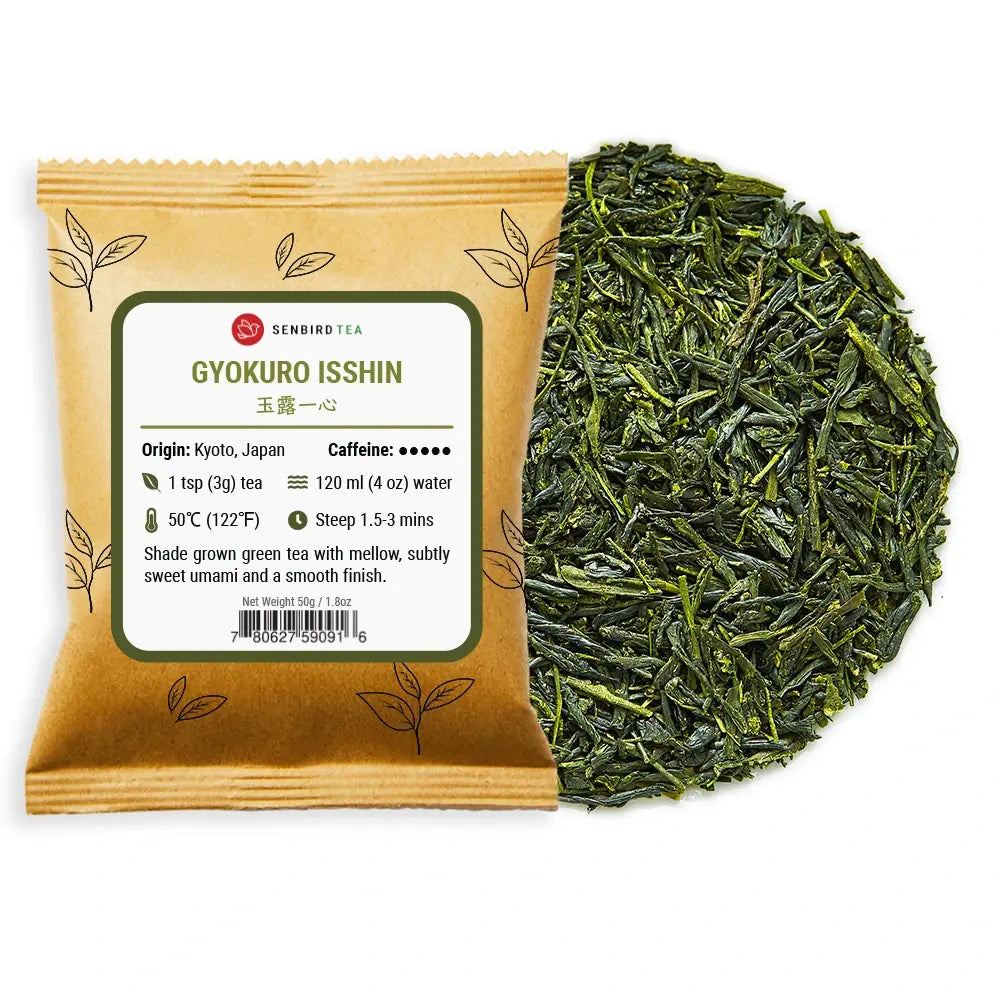
玉露一心
An Asatsuyu gyokuro with a sweet, mellow umami and a smooth finish perfect for grounding moments.