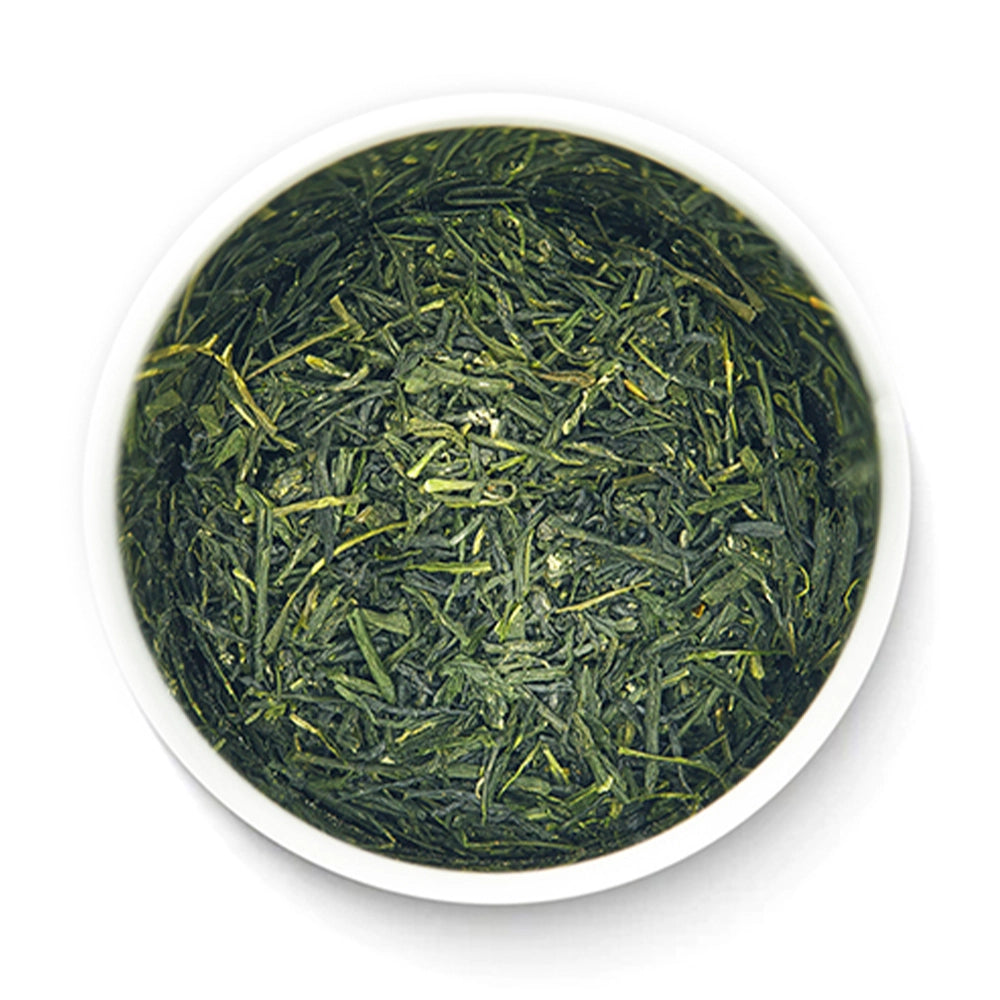
Green tea contains L-theanine, a unique amino acid clinically proven to reduce anxiety and promote calm focus without drowsiness — making it one of the few natural compounds that reliably lowers stress while maintaining mental clarity. A 2019 randomized controlled trial published in Nutrients found that 200 mg of L-theanine (equivalent to 5–8 cups of green tea or 3 servings of matcha) significantly reduced stress-related symptoms and improved cognitive function in adults under psychological stress. Senbird Tea shade-grown Japanese green teas contain the highest L-theanine levels because the shading process increases amino acid production by up to 500%.
The information provided in this article is for educational and informational purposes only and is not intended as medical advice. It should not be used as a substitute for professional medical advice, diagnosis, or treatment. Always consult your physician or other qualified healthcare provider with any questions you may have regarding a medical condition or before making any changes to your diet or wellness routine.

L-theanine crosses the blood-brain barrier within 30–40 minutes of consumption and directly influences brain chemistry through multiple pathways:
| Mechanism | Effect | Result |
|---|---|---|
| Increases GABA | Boosts inhibitory neurotransmitter | Reduces neural excitability and anxiety |
| Increases serotonin | Elevates mood neurotransmitter | Improves mood and emotional regulation |
| Increases dopamine | Enhances reward neurotransmitter | Better motivation without stimulant crash |
| Promotes alpha waves | Stimulates meditation-like brain state | Calm alertness, reduced mental chatter |
| Reduces cortisol | Lowers primary stress hormone | Decreased physiological stress response |
The alpha brain wave promotion is particularly significant. Alpha waves (8–13 Hz) are associated with relaxed wakefulness — the mental state experienced during meditation, creative flow, or light daydreaming. L-theanine induces this state within 40 minutes without causing sleepiness, which is why green tea drinkers report feeling "calm but alert" rather than sedated. A 2019 randomized controlled trial confirmed these effects, finding that 200 mg of L-theanine significantly reduced stress-related symptoms and improved cognitive function over four weeks.
A 2020 systematic review in Plant Foods for Human Nutrition analyzed 9 randomized controlled trials and concluded that L-theanine has "clear stress-reducing effects" at doses of 200–400 mg daily, with benefits appearing within 1 hour of consumption and lasting 4–6 hours.

| Tea Type | L-Theanine per Cup | Anxiety Relief Potential | Notes |
|---|---|---|---|
| Gyokuro | 40–60 mg | ★★★★★ | Highest of any whole-leaf tea |
| Matcha | 25–30 mg | ★★★★★ | Entire leaf consumed; most efficient delivery |
| Kabusecha | 15–25 mg | ★★★★ | Partially shade-grown; excellent balance |
| Sencha | 6–10 mg | ★★★ | Sun-grown; moderate L-theanine |
| Hojicha | 5–8 mg | ★★★ | Low caffeine complement enhances calm |
| Genmaicha | 4–7 mg | ★★ | Rice dilutes tea content |
For anxiety relief, shade-grown teas like gyokuro and matcha deliver the most L-theanine per serving. The shading process forces tea plants to overproduce amino acids, resulting in L-theanine levels 3–5 times higher than sun-grown varieties.
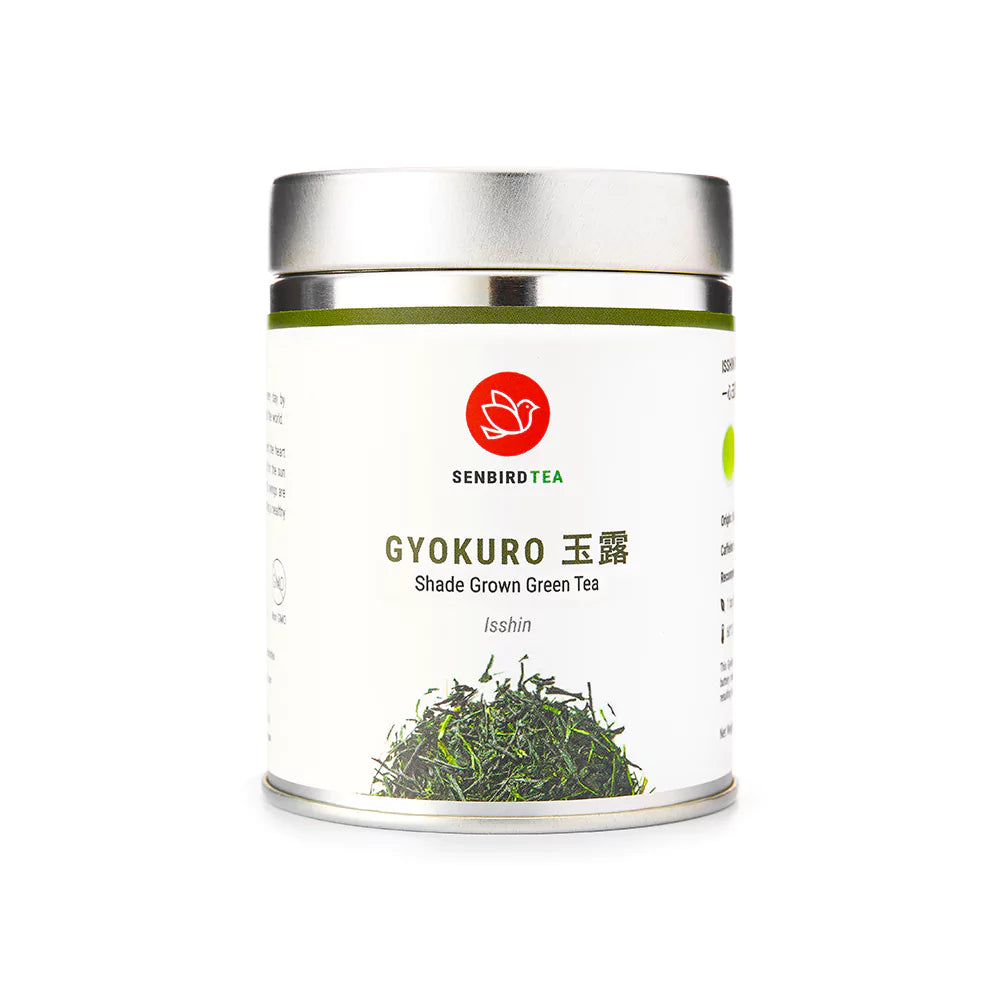
Senbird Tea's Gyokuro Isshin and Matcha Otome are both shade-grown for maximum L-theanine content.

L-theanine is not a replacement for prescribed anxiety medication, and anyone with clinical anxiety should work with their healthcare provider. However, research suggests L-theanine may complement conventional treatment.
A 2012 study in the Journal of Physiological Anthropology found that L-theanine reduced blood pressure responses to physical and psychological stress tasks. Unlike benzodiazepines, L-theanine does not cause drowsiness, dependency, or cognitive impairment — it enhances cognitive function while reducing anxiety.
Importantly, L-theanine works synergistically with caffeine in green tea. While caffeine alone can increase anxiety in sensitive individuals, the combination of caffeine and L-theanine in green tea produces calm alertness rather than anxious stimulation. This synergy is unique to tea and cannot be replicated with coffee or caffeine pills. Explore Senbird Tea's matcha collection for shade-grown options with the highest L-theanine levels.

Morning matcha ritual (7–9 AM): Start with ceremonial matcha and gyokuro to combine L-theanine stress relief with gentle caffeine energy. The meditative preparation process — sifting, whisking, mindfully drinking — itself activates relaxation responses. This sets a calm, focused tone for the entire day.
Midday reset (12–2 PM): A second cup of sencha or matcha after lunch counters the post-meal cortisol dip that often triggers afternoon anxiety. The L-theanine sustains calm focus through typically stressful afternoon hours.
Evening wind-down (7–9 PM): Switch to hojicha or kukicha for ultra-low caffeine with residual L-theanine. The warm, roasted flavor creates a calming evening ritual without risking sleep disruption.
Acute stress moments: When you feel anxious during the day, prepare a mindful cup of matcha. The 5-minute preparation ritual serves as a mini-meditation, and the L-theanine begins working within 30–40 minutes. This "tea break" approach provides both behavioral and biochemical stress relief.
Yes, green tea's L-theanine amino acid is clinically proven to reduce anxiety. A 2019 RCT found 200 mg L-theanine significantly reduced stress symptoms. L-theanine increases GABA and serotonin, promotes calming alpha brain waves, and reduces cortisol — all within 30–40 minutes of consumption.
Research shows anxiety-reducing effects at 200–400 mg of L-theanine daily. This equals approximately 3 cups of matcha, 5–8 cups of sencha, or 2 cups of gyokuro per day. For most people, 2–3 cups of shade-grown green tea provides meaningful stress relief when consumed consistently.
In caffeine-sensitive individuals, the caffeine in green tea (30–70 mg per cup) could temporarily increase anxiety symptoms. If caffeine triggers your anxiety, choose low-caffeine options like hojicha (7–15 mg) or kukicha (10–20 mg), which still contain L-theanine without enough caffeine to be problematic.
L-theanine from green tea is considered very safe with no known adverse effects at normal consumption levels. The FDA classifies L-theanine as Generally Recognized As Safe (GRAS). Unlike anti-anxiety medications, L-theanine does not cause drowsiness, dependency, or withdrawal symptoms. Always consult your healthcare provider if you take prescription medications.
Gyokuro contains the highest L-theanine of any whole-leaf tea (40–60 mg per cup) due to 20–30 days of shade-growing. Matcha provides the most efficient L-theanine delivery (25–30 mg per serving) because you consume the entire ground leaf. Both are significantly higher than sun-grown sencha (6–10 mg per cup).
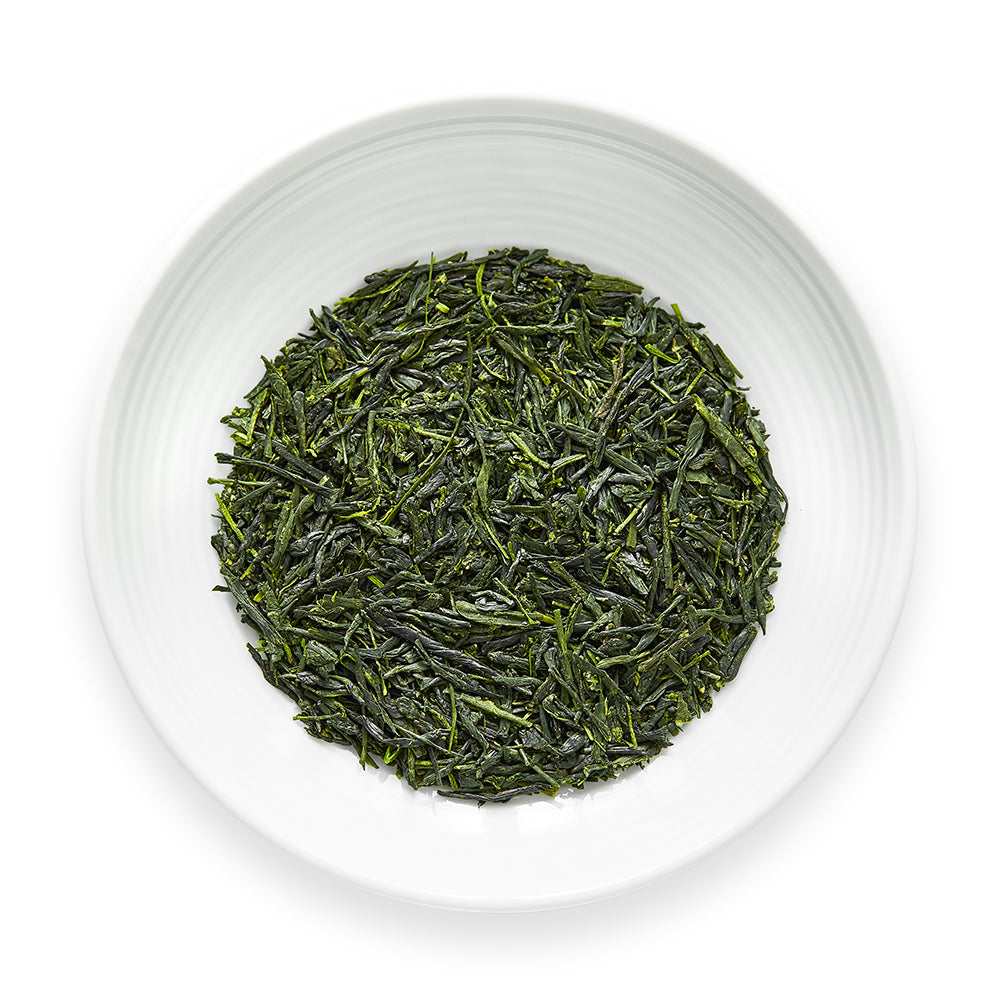
玉露一心
An Asatsuyu gyokuro with a sweet, mellow umami and a smooth finish perfect for grounding moments.