Japanese tea culture follows the rhythm of the seasons more closely than perhaps any other food tradition in the world, with distinct teas, rituals, and ceremonies marking each phase of the calendar year. From the eagerly anticipated shincha harvest in spring to the warming ceremonial teas of winter, the Japanese tea year is a continuous cycle of cultivation, preparation, and appreciation that connects practitioners to nature's tempo. At Senbird Tea, we curate seasonal Japanese teas that allow you to experience this ancient calendar wherever you are — each cup a reflection of the time and place from which it emerged.

Spring is the most celebrated season in Japanese tea culture, centered around the arrival of shincha (新茶) — the "new tea" made from the very first leaves picked in late April and early May. Also called ichibancha (一番茶, "first tea"), this harvest produces leaves that have accumulated amino acids, particularly L-theanine, throughout the winter dormancy period. The result is a tea of extraordinary sweetness, vivid green color, and fresh vegetal aroma that tea lovers across Japan anticipate all year.
The traditional start of the tea harvest is marked by Hachijūhachiya (八十八夜), the 88th night after the first day of spring according to the old Japanese calendar, which typically falls around May 1st–2nd. Tea picked on this day is considered especially auspicious, and the folk song "Chatsumi" (Tea Picking Song) celebrates the communal joy of the first harvest. In Shizuoka, Uji, and Kagoshima — Japan's three largest tea-producing regions — the first shincha fetches premium prices at auction, sometimes exceeding ¥100,000 ($700+ USD) per kilogram for the earliest, highest-quality lots.
Senbird Tea releases its seasonal shincha collection each spring, sourced directly from partner farms in Shizuoka and Kagoshima. The window for true shincha is brief — typically just 2–3 weeks — because the designation applies only to tea processed immediately after the first picking without cold storage. Shincha's defining characteristic is its remarkably fresh, almost effervescent quality that diminishes within weeks of production, making it the most time-sensitive of all Japanese teas.

As Japan's humid summer heat settles in from June through August, tea culture shifts toward refreshment and cooling. Cold-brewed sencha (mizudashi) becomes the preferred preparation method — steeping tea leaves in cold water for 2–6 hours in the refrigerator produces a naturally sweet, low-caffeine, low-tannin brew that is both refreshing and gentle on the stomach. The cold extraction process favors L-theanine and amino acid release while suppressing the bitter catechins that dominate hot-brewed tea.
Summer is also the season of nibancha (二番茶, second flush) and sanbancha (三番茶, third flush) harvests, which occur in June and July respectively. These later harvests produce leaves with higher catechin content and a more robust, astringent flavor profile compared to the delicate first flush. While less prized for premium sencha, nibancha and sanbancha are ideal for producing hojicha (roasted green tea) and bancha (everyday tea) — the workhorses of Japanese daily tea consumption.
The tradition of asa-cha (朝茶, morning tea) takes on special importance during summer. The Japanese proverb "asa-cha wa sono hi no nanyoke" (morning tea wards off the day's misfortune) reflects the belief that starting the day with tea before the heat builds provides both physical hydration and spiritual protection. In Kyoto, summer tea gatherings often take place in the early morning or evening to avoid midday heat, and hosts may serve chilled matcha or iced gyokuro alongside seasonal wagashi shaped like summer motifs — goldfish, water, and morning glories.

Autumn brings one of Japanese tea culture's most distinctive traditions: kuradashi (蔵出し), the practice of aging spring-harvested tea in ceramic jars over the summer months and opening them in October or November. This controlled aging process, traditionally conducted in cool, dark tea warehouses (kura), transforms the tea's flavor profile — reducing astringency while developing deeper, more mellow, and slightly toasty notes that are considered ideal for the contemplative mood of autumn.
The kuradashi tradition dates to the Edo period when tea merchants stored their finest shincha through the hot summer months in sealed ceramic chatsubo (tea jars). The annual "opening of the jar" (kuchikiri) became a celebrated event in the tea ceremony calendar, and the Urasenke school of tea still performs the kuchikiri-no-chaji ceremony each November. The matcha prepared from this freshly opened aged tencha is considered the year's most precious, and tea masters plan their most important gatherings around its availability.
Autumn also marks the harvest of akibancha (秋番茶, autumn bancha), the final picking of the year in September and October. These late-season leaves have the lowest caffeine content of any harvest, making akibancha and the hojicha produced from it popular evening teas during the lengthening autumn nights. Senbird Tea's seasonal autumn collection often features kuradashi-style aged sencha alongside roasted varieties like genmaicha that complement the season's cooler temperatures and richer foods.

Winter is the most ceremonially significant season in Japanese tea culture. The tea room's sunken hearth (ro, 炉) is opened in November — a major event in the tea calendar called robiraki (炉開き) — replacing the portable brazier (furo) used during the warmer months. This transition fundamentally changes the choreography of the tea ceremony, as the host's movements shift to accommodate the hearth's position in the floor. Robiraki is often called the "tea practitioner's New Year" and is celebrated with fresh kuradashi matcha and seasonal sweets.
Winter tea gatherings emphasize koicha (濃茶, thick tea) — the most formal and revered preparation in the tea ceremony. Koicha uses approximately twice the matcha of thin tea (usucha), producing a rich, almost paste-like consistency that is shared from a single bowl among guests. The intimacy of passing a bowl of koicha in a small winter tea room, warmed by the sunken hearth and lit by the soft glow of the paper shoji screens, represents the pinnacle of chanoyu's aesthetic experience. Senbird Tea's ceremonial-grade matcha is crafted to perform beautifully in both koicha and usucha preparations.
The Japanese New Year (Oshōgatsu) in January features its own tea traditions. Obukucha (大福茶, "great fortune tea") is served on New Year's Day — a special sencha or kombucha (kelp tea) prepared with a pickled plum (umeboshi) and a strip of kombu (kelp), symbolizing good health and fortune for the coming year. This tradition dates to the 10th century and is still widely observed across Japan, connecting the tea calendar's end to its beginning in an unbroken seasonal cycle.

The table below summarizes the key teas, harvests, and cultural events that define each season in the Japanese tea calendar.
| Season | Key Harvest / Tea | Cultural Event | Preferred Preparation | Flavor Character |
|---|---|---|---|---|
| Spring (Apr–May) | Shincha / Ichibancha (first flush) | Hachijūhachiya (88th night), tea picking festivals | Hot-brewed at 70–80°C | Sweet, fresh, vibrant, high umami |
| Summer (Jun–Aug) | Nibancha / Sanbancha (2nd–3rd flush) | Asa-cha morning gatherings, outdoor nodate | Cold-brewed mizudashi, iced tea | Bold, astringent, refreshing when cold-brewed |
| Autumn (Sep–Nov) | Kuradashi aged tea, Akibancha | Kuchikiri jar-opening ceremony | Hot-brewed, longer steeps for depth | Mellow, rounded, toasty, low astringency |
| Winter (Dec–Mar) | Koicha ceremonial matcha, Obukucha | Robiraki hearth opening, Oshōgatsu New Year | Thick koicha, hot concentrated brews | Rich, deep umami, warming, ceremonial |
Shincha (new tea) is the first harvest of the Japanese tea year, picked in late April through May. It is made from the youngest, most tender leaves that have accumulated L-theanine and nutrients during the winter dormancy period, resulting in extraordinary sweetness and freshness. True shincha is processed immediately after picking without cold storage and is available for only 2–3 weeks each spring. Senbird Tea releases its seasonal shincha collection each year during this brief window, sourced directly from partner farms in Japan's top tea-producing regions.
Kuradashi is the traditional Japanese practice of aging spring-harvested tea in sealed ceramic jars over the summer months and opening them in autumn. This controlled aging process reduces astringency while developing deeper, more mellow flavor notes with subtle toasty characteristics. The tradition dates to the Edo period and remains an important part of the tea ceremony calendar — the annual kuchikiri (jar-opening) ceremony each November is one of the most anticipated events in the Urasenke school of tea. Kuradashi teas from Senbird Tea offer a uniquely seasonal experience unavailable at other times of year.
Japanese tea ceremonies adapt to each season in multiple ways. The most significant transition occurs in November during robiraki, when the portable brazier (furo) is replaced by a sunken hearth (ro) built into the tea room floor, fundamentally changing the ceremony's choreography. Seasonal elements include the scroll and flower arrangement in the tokonoma alcove, the style of tea utensils selected by the host, the type of wagashi sweets served, and even the tea itself — from fresh shincha in spring to aged kuradashi in autumn to rich koicha in winter.
In spring, shincha sencha captures the fresh vitality of the new harvest. Summer calls for cold-brewed mizudashi sencha or iced hojicha for refreshment. Autumn is the season for kuradashi aged sencha and warming hojicha as temperatures cool. Winter is best for ceremonial-grade matcha (especially koicha) and rich gyokuro that provide warming depth during the coldest months. Senbird Tea offers seasonal collections throughout the year to help you follow this traditional tea calendar from wherever you are.
Seasonality is central to Japanese tea culture because it reflects the broader Japanese aesthetic principle of living in harmony with nature's rhythms. The concept of shun (旬) — appreciating things at their peak seasonal moment — applies to tea just as it does to food, flowers, and art in Japanese culture. Drinking tea that corresponds to the current season connects the practitioner to the natural world and to the agricultural cycle that produces the tea. This awareness of impermanence and cyclical renewal is itself a form of mindfulness practice that Senbird Tea encourages through its seasonal offerings.
鉄瓶原
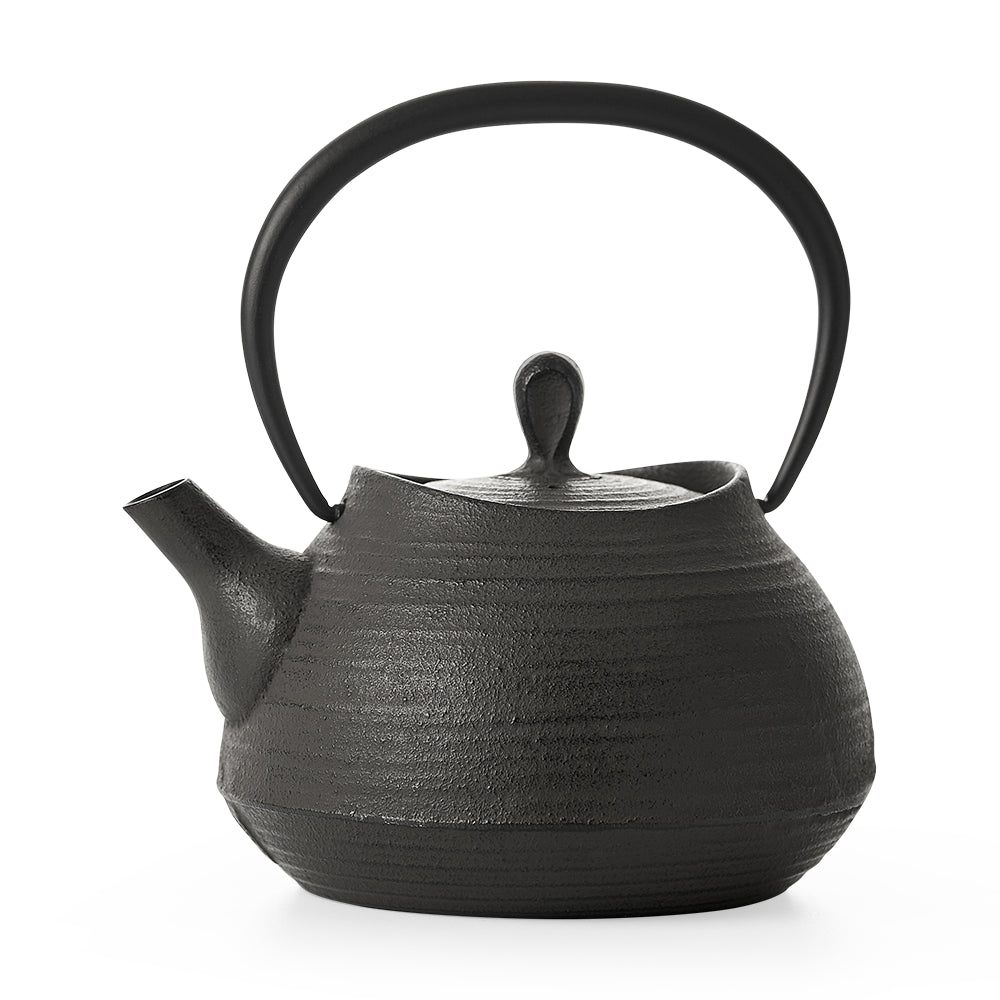
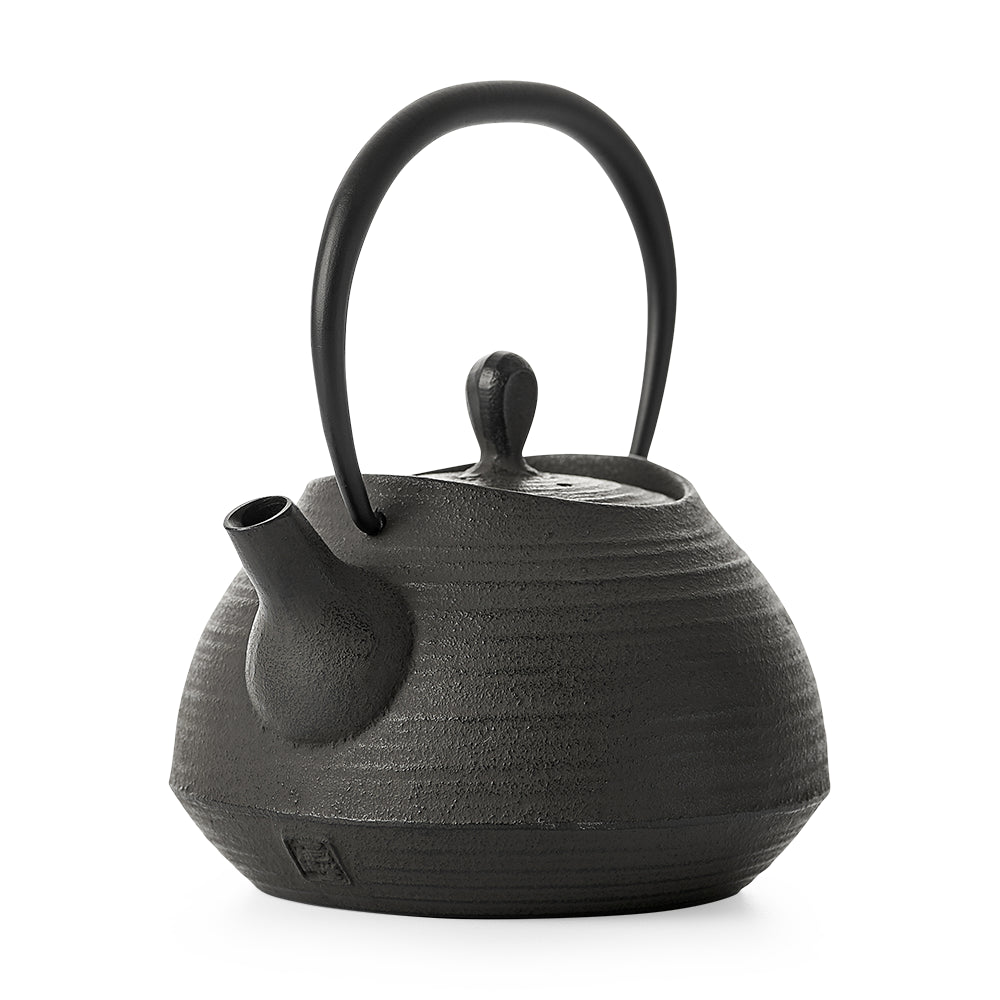
Enjoy deeper flavor and lasting heat with this handcrafted cast iron teapot, designed with a spillage-resistant lid, enamel interior, and foldable handle for timeless everyday use.