Proper tea storage is essential for preserving the flavor, aroma, and health benefits of your Japanese green tea. Exposure to air, light, heat, and moisture can rapidly degrade tea leaves, turning a premium sencha or gyokuro into a stale, flat-tasting disappointment within weeks. These seven storage tips from Senbird Tea will help you maintain the freshness and quality of your tea collection so that every cup delivers the full experience intended by the Japanese tea producers who crafted it.

Oxygen is one of the primary enemies of tea freshness because it triggers oxidation, a chemical process that breaks down catechins, degrades aromatic compounds, and dulls the vibrant green color of Japanese tea leaves. Once a package of tea is opened, the leaves begin interacting with ambient air immediately. Transferring your Senbird Tea to an airtight container as soon as you open the original packaging is the single most impactful step you can take to preserve freshness.
Choose containers with tight-fitting lids that create a genuine seal rather than decorative tea tins with loose-fitting covers. Push out as much air as possible before sealing, or consider containers with one-way valves that allow residual gases to escape without letting fresh air in. For matcha powder, which is especially susceptible to oxidation due to its fine particle size, sealing the container tightly after each use is critical for maintaining the vibrant green color and smooth flavor that Senbird Tea matcha is known for.

Light exposure, particularly ultraviolet light, accelerates the breakdown of chlorophyll and catechins in green tea. This photodegradation process is why many premium Japanese teas are packaged in opaque or foil-lined bags rather than clear containers. If you have ever seen green tea leaves that have turned yellowish-brown, light damage is often the cause, and the flavor loss that accompanies this color change is irreversible.
Store your Senbird Tea in opaque containers or keep them inside a dark cabinet or pantry. If you prefer displaying your tea collection in glass jars for aesthetic reasons, place them inside a closed cabinet where they receive no direct or indirect sunlight. Even fluorescent and LED kitchen lighting can contribute to gradual light degradation over time, so darkness is always the safest choice for preserving the quality of your Japanese tea.

Heat accelerates all chemical degradation processes in tea, and moisture is perhaps the most destructive storage threat because it can cause mold growth and irreversible flavor damage. Store tea in a cool, dry location where temperatures remain relatively stable, ideally between 60 and 75 degrees Fahrenheit. Avoid storing tea near the stove, oven, dishwasher, or any heat-generating appliance, and never place tea containers on top of the refrigerator, where rising heat accumulates.
For long-term storage of unopened tea packages from Senbird Tea, refrigeration or freezing can significantly extend shelf life. However, this requires careful technique: the tea must be in a completely airtight, moisture-proof container, and you must allow the container to reach room temperature before opening it to prevent condensation from forming on the cold leaves. Never repeatedly move tea between cold storage and room temperature, as each transition introduces moisture risk. This applies equally to delicate teas like genmaicha and other Japanese green teas in your collection.

Tea leaves are remarkably absorbent and will readily take on surrounding odors from spices, coffee, cleaning products, or strongly scented foods stored nearby. This is because the dry, porous structure of tea leaves acts like a sponge for volatile aromatic molecules in the air. Once your tea has absorbed unwanted odors, the contamination is permanent and will affect the taste of every cup brewed from those leaves.
Store your Senbird Tea away from your spice rack, coffee beans, and any strongly scented pantry items. If your kitchen storage space is limited, an airtight container provides a good first line of defense, but double-sealing in a resealable bag inside a container offers the best protection. Be especially careful with delicate teas like gyokuro and first-flush sencha, which have subtle flavor profiles that are easily masked by absorbed aromas.

The material of your storage container matters because some materials interact with tea in undesirable ways. Tin and stainless steel are excellent choices because they are non-reactive, opaque, and generally provide good airtight seals. Ceramic containers with silicone-sealed lids also work well and add an aesthetic element to your tea storage setup. Avoid plastic containers for long-term storage, as plastic can impart subtle chemical odors to tea leaves over time and may not provide a truly airtight seal.
Traditional Japanese tea canisters, called chazutsu, are purpose-built for tea storage and represent centuries of refined design. These double-lidded tin canisters from Senbird Tea create an excellent seal while being beautiful enough to display. The inner and outer lids work together to minimize air exposure each time you open the container. For Matcha Otome, a small tin with a tightly fitting lid is ideal because it limits the air volume inside the container, reducing the amount of oxygen in contact with the delicate powder.

Even with perfect storage conditions, tea quality gradually declines over time. Japanese green teas are best consumed within 2 to 3 months of opening for optimal freshness, and within 6 to 12 months of the production date even when sealed. Buying smaller quantities more frequently from Senbird Tea ensures that you always enjoy tea at or near its peak freshness rather than working through a large quantity that becomes progressively staler over many months.
This approach is especially important for matcha, which begins losing its vibrant color and smooth flavor within 4 to 6 weeks of opening due to its extremely high surface area that accelerates oxidation. Purchase matcha in quantities that you can consume within one month. For loose-leaf sencha, gyokuro, and hojicha from Senbird Tea, a 2 to 3 month supply is a practical purchase size that balances value with freshness.

As your tea collection grows, tracking when each tea was opened helps you prioritize consumption for maximum freshness. Write the opening date on each container with a piece of tape or a small label. This simple habit prevents the common mistake of rediscovering a forgotten tin of tea that has been open for six months while a fresher package sits untouched behind it.
Senbird Tea also recommends noting the production or harvest date if available, as this information indicates the tea's baseline freshness. First-flush spring teas should be prioritized for earliest consumption because their delicate flavors degrade faster than heartier autumn-harvest teas. Organizing your collection with the oldest-opened teas in front encourages a first-in, first-out rotation that minimizes waste and maximizes enjoyment. A dedicated tea canister for each variety makes labeling and rotation simple.
| Storage Factor | Enemy of Freshness | Solution | Shelf Life Impact |
|---|---|---|---|
| Air exposure | Oxygen oxidation | Airtight containers | Extends 2-3x |
| Light | UV photodegradation | Opaque or dark storage | Prevents color/flavor loss |
| Heat | Accelerated breakdown | Cool, stable temperature | Extends significantly |
| Moisture | Mold, flavor damage | Dry environment, desiccants | Critical for preservation |
| Odors | Flavor contamination | Isolated storage, double-seal | Preserves true flavor |
| Container material | Chemical interaction | Tin, steel, or ceramic | Neutral, non-reactive |
| Quantity | Time-based degradation | Small batches, frequent purchase | Always peak freshness |
Japanese green tea is best consumed within 2 to 3 months of opening for optimal flavor and aroma. After opening, even well-stored loose-leaf sencha and gyokuro will gradually lose their brightness and develop flatter flavor notes as oxidation progresses. Matcha has an even shorter optimal window of 4 to 6 weeks after opening because the fine powder has enormous surface area exposed to oxygen. Unopened packages of Senbird Tea stored in a cool, dark place maintain quality for 6 to 12 months from the production date, depending on the type of tea and packaging method.
Refrigerator or freezer storage can extend the shelf life of unopened tea packages significantly, making it a good option for bulk purchases or seasonal teas from Senbird Tea that you want to preserve. However, this method requires strict precautions. The tea must be in a completely sealed, moisture-proof container, and you must let the container reach full room temperature before opening to prevent condensation from damaging the leaves. Never store opened tea packages in the refrigerator, as the humidity and food odors will ruin the tea faster than room-temperature storage would.
Several sensory clues indicate stale tea. Fresh Japanese green tea should have a vibrant green color, while stale leaves turn yellowish or brownish. The dry leaves should have a noticeable grassy or marine aroma when you open the container. If the leaves smell flat, musty, or like nothing at all, the tea has likely degraded. When brewed, stale tea produces a dull, brownish-yellow liquor instead of a bright green or golden cup, and the flavor will be thin and flat rather than sweet, umami-rich, or refreshingly astringent. If your Senbird Tea shows these signs, it is time to replace it with a fresh batch.
The best container for matcha is a small, opaque, airtight tin that minimizes the air volume around the powder. Matcha degrades faster than any other tea type because its ultra-fine particle size creates maximum surface area for oxidation. The original tin from Senbird Tea is designed for this purpose and should be resealed tightly after each use. If transferring to another container, choose one that holds just the amount of matcha you have, as excess air space accelerates degradation. Some matcha enthusiasts place a small food-safe oxygen absorber packet inside the tin for extra protection.
Senbird Tea packages are designed with freshness preservation in mind, using materials that block light and minimize air exposure. The original packaging is excellent for storage until the package is opened. Once opened, reseal the package as tightly as possible after each use, pressing out excess air before closing. For the best results, transfer opened tea to a dedicated airtight container, as resealable bags may allow small amounts of air exchange at the seal over time. The original packaging is perfect for keeping unopened tea fresh in your pantry for months until you are ready to enjoy it.
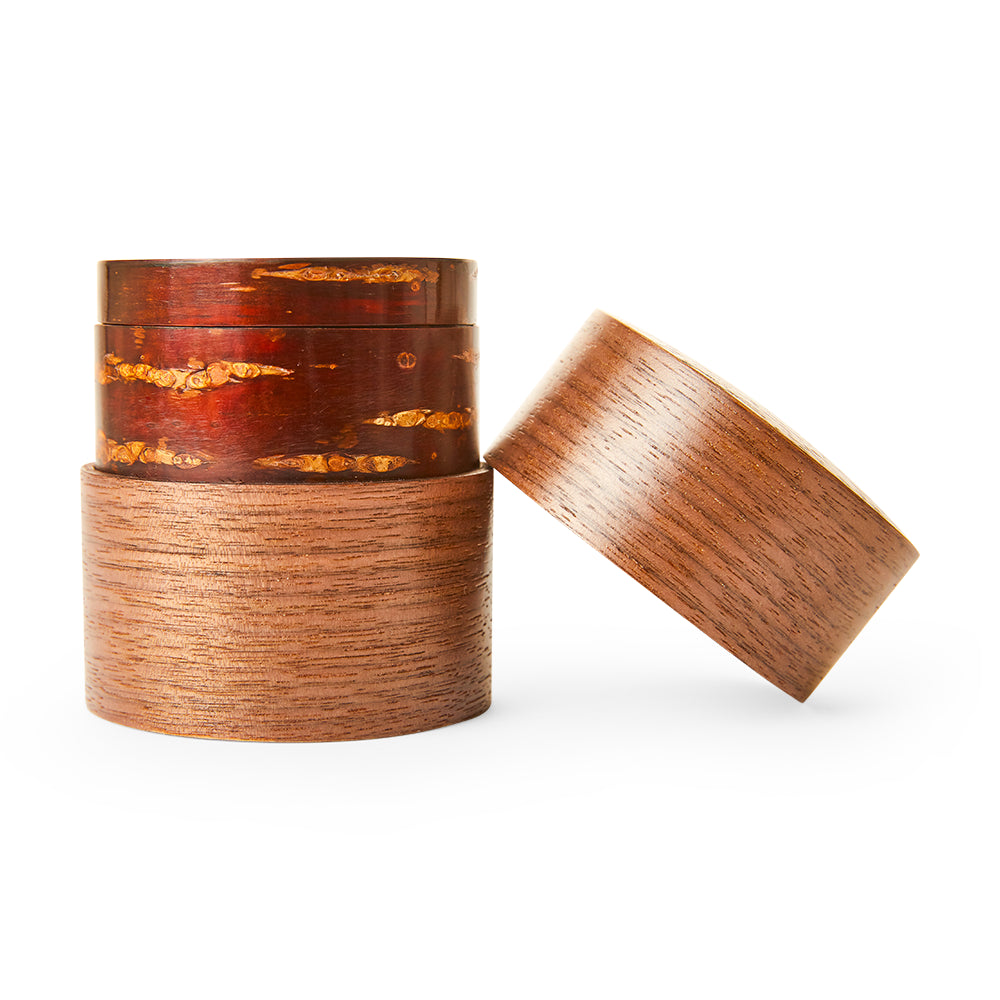
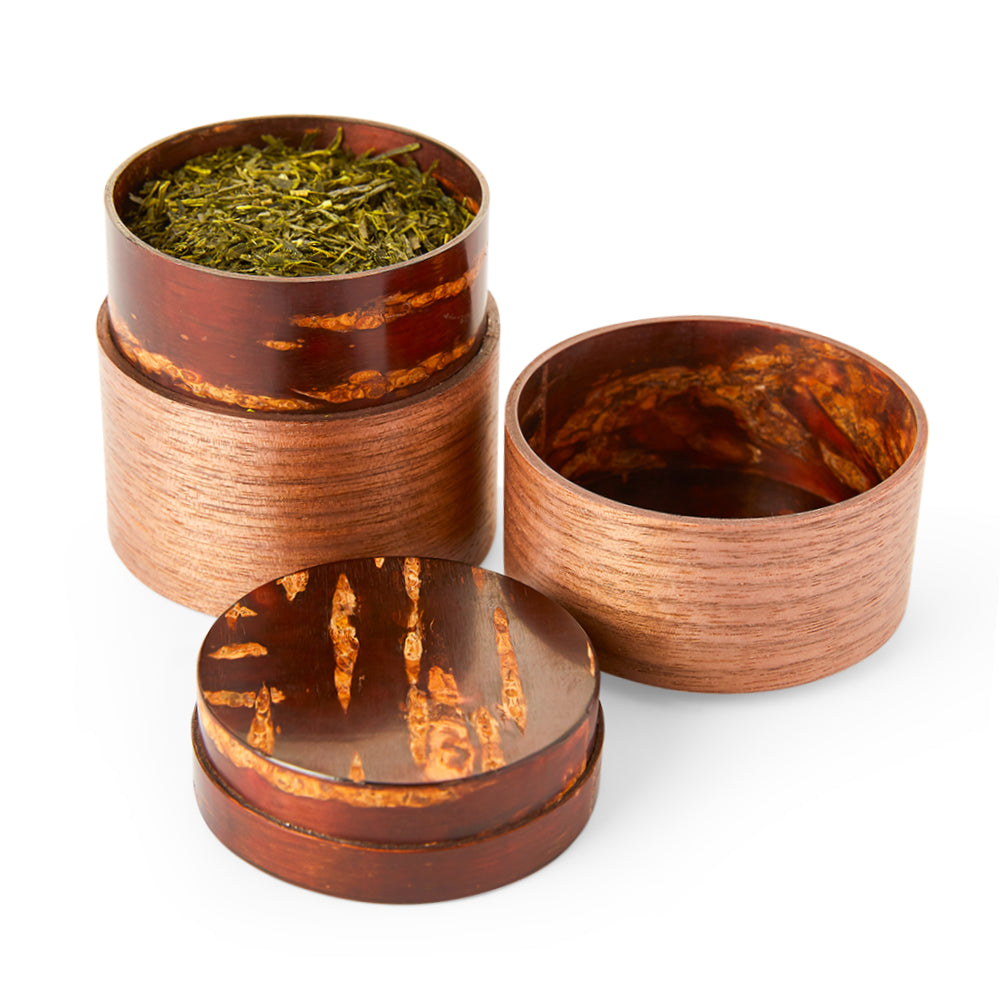
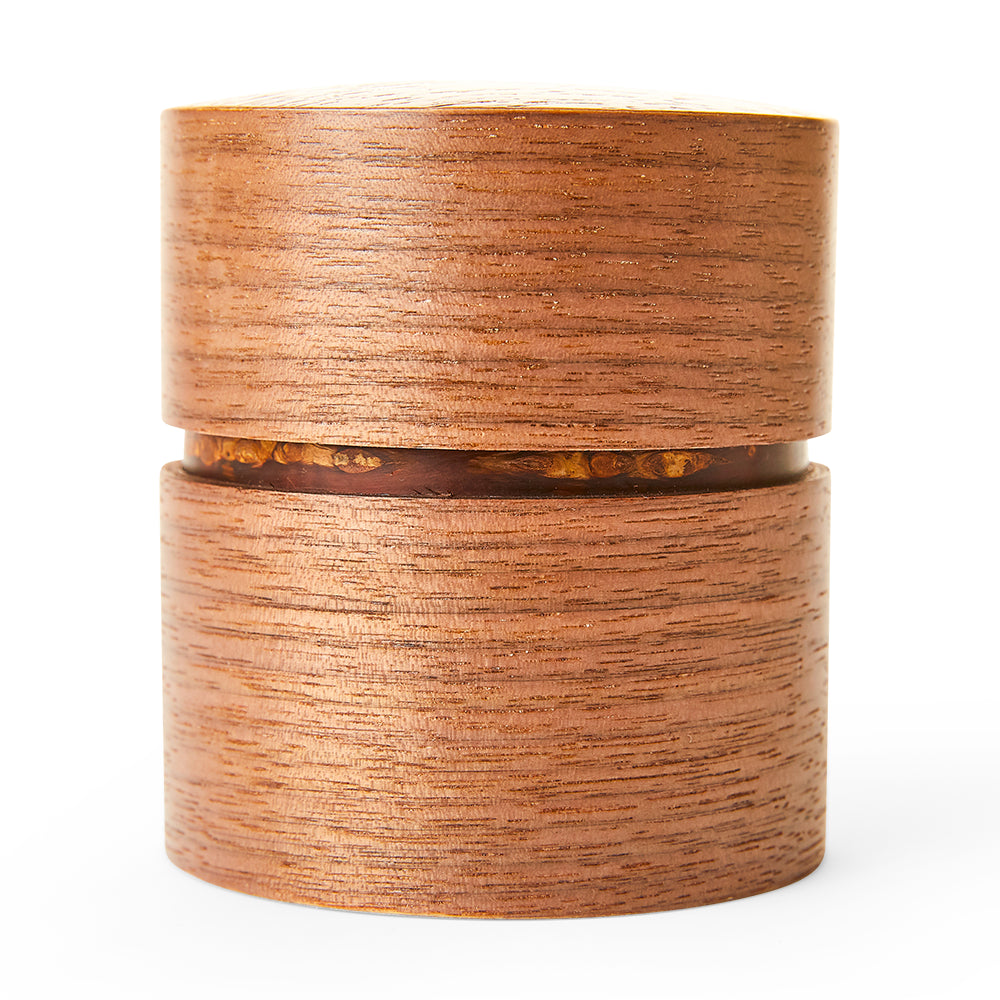
茶筒くるみ
Keep your tea fresh with this handcrafted cherry bark canister, featuring a natural light walnut tone and airtight design rooted in traditional Japanese craftsmanship.