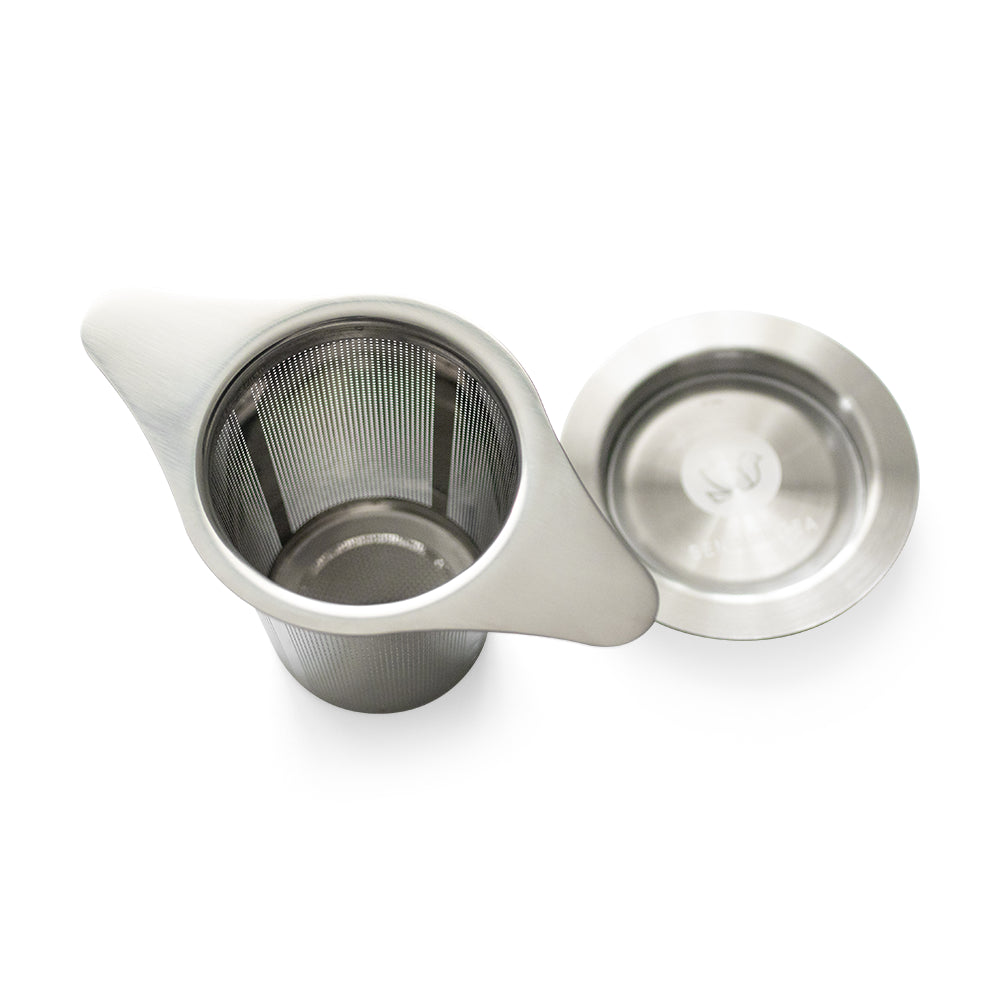
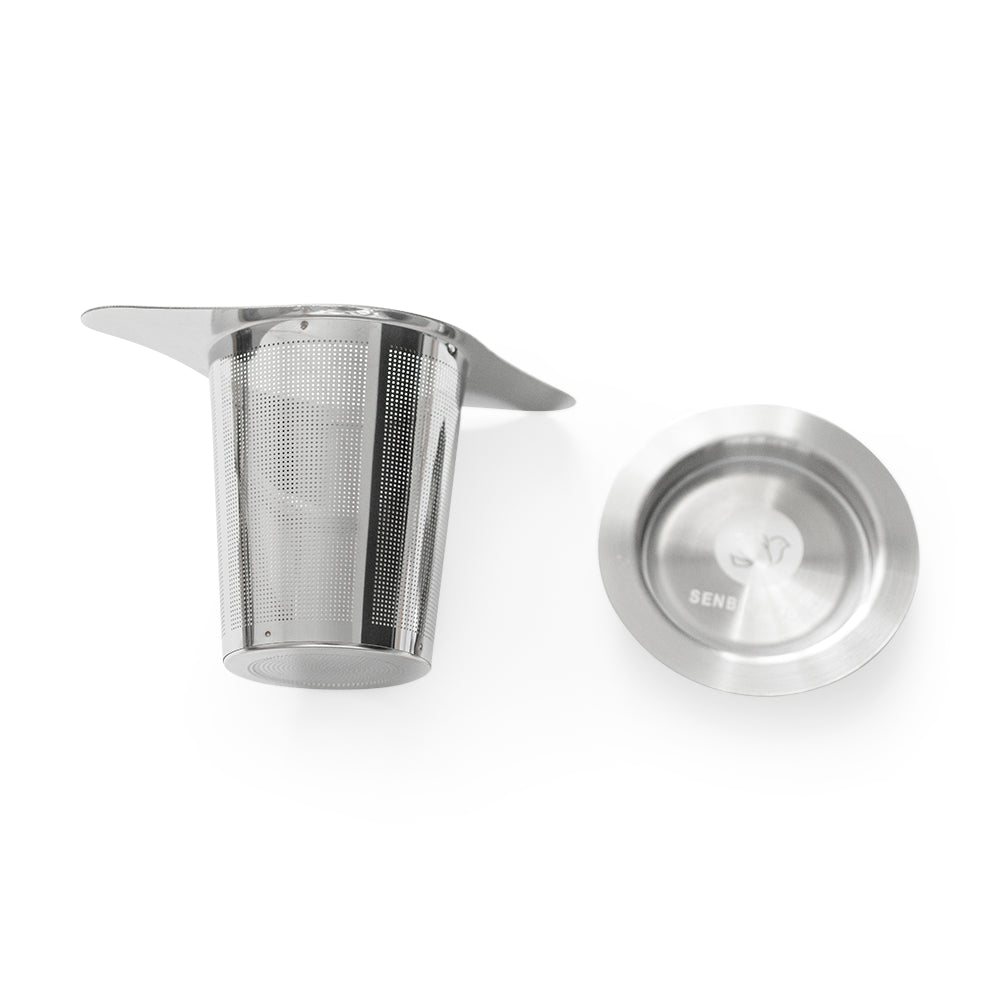
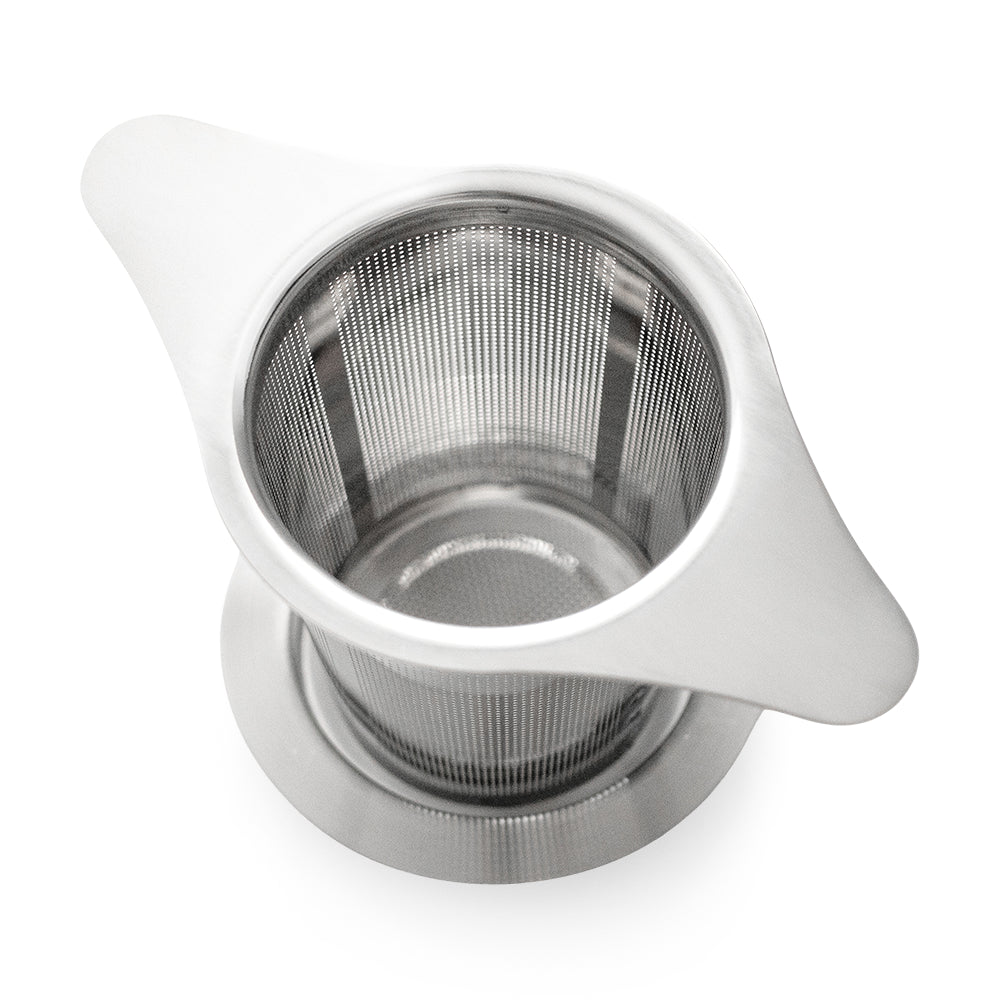
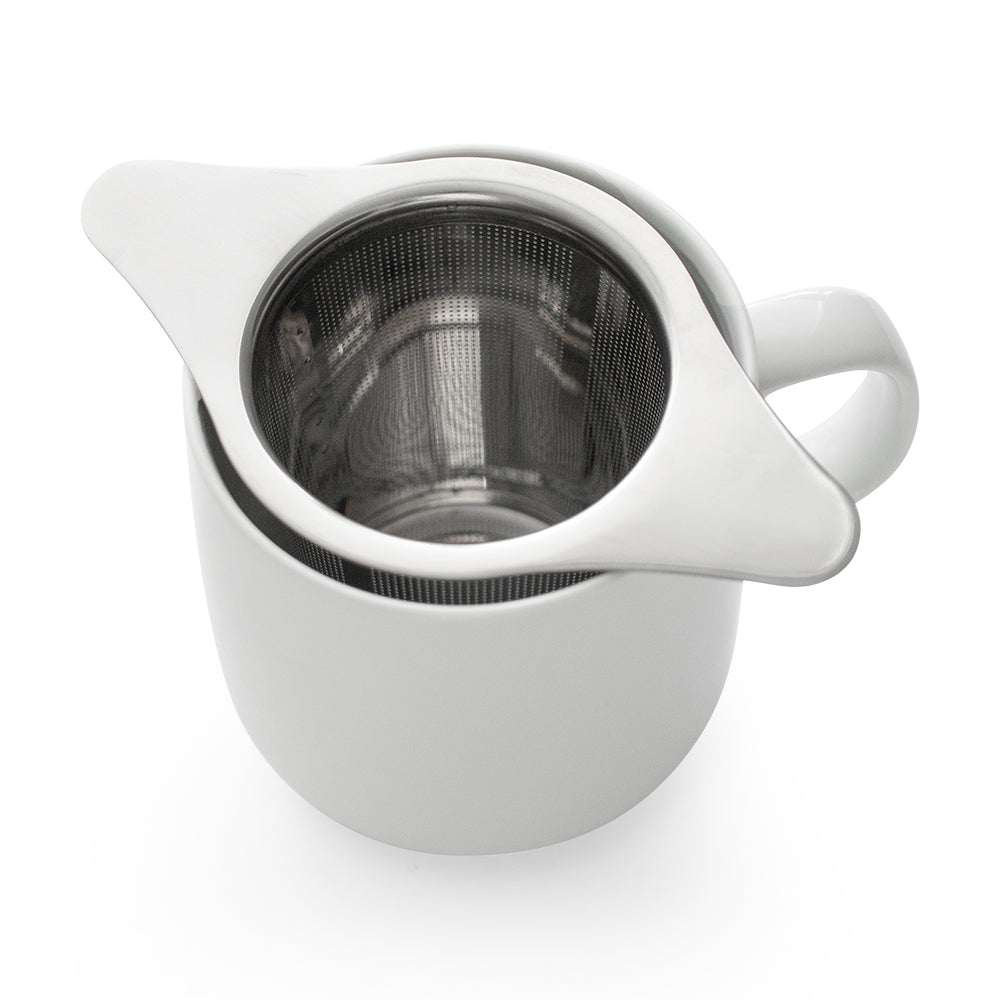
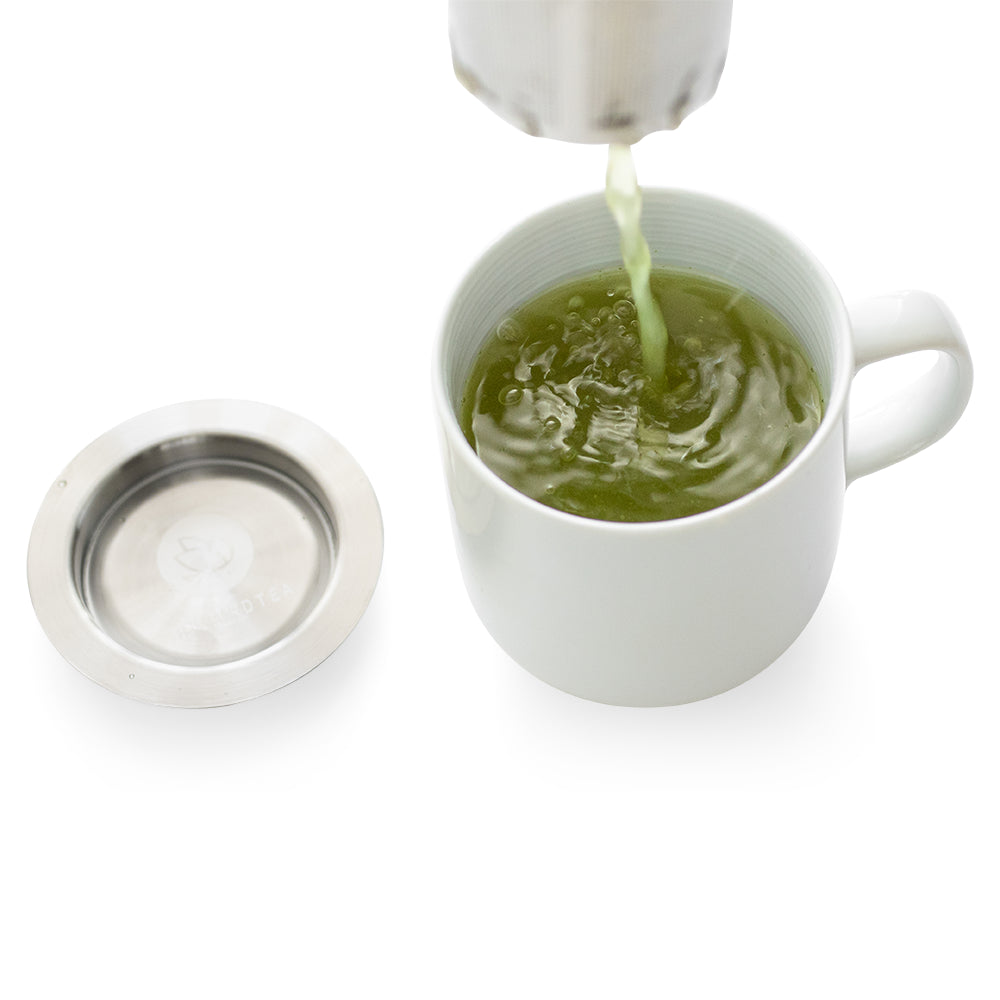
A tea infuser is a simple brewing tool that holds loose-leaf tea inside a perforated container while steeping, allowing water to flow through the leaves and extract flavor without letting loose tea particles escape into your cup. Using a tea infuser offers six key benefits over tea bags: easier and more intuitive brewing, better leaf expansion for fuller flavor extraction, mess-free preparation and cleanup, portability for travel, reduced environmental waste, and elimination of microplastic exposure from synthetic tea bags. Senbird Tea recommends tea infusers as the ideal entry point for anyone transitioning from tea bags to premium loose-leaf Japanese teas.

Tea infusers are one of the most beginner-friendly brewing methods for loose-leaf tea because the process requires just three simple steps: add tea leaves, place the infuser in hot water, and remove it when steeping is complete. Unlike more advanced brewing methods such as gongfu-style teapot brewing or traditional kyusu preparation, a tea infuser requires no specialized knowledge of pour techniques, water distribution, or multi-infusion timing. This simplicity makes tea infusers the perfect tool for people who are accustomed to the convenience of tea bags but want to upgrade to the superior flavor and health benefits of whole-leaf tea.
Most tea infusers feature a built-in handle or chain that allows you to easily lower the infuser into your cup or mug and remove it at the precise moment your tea reaches the desired strength. This level of control is actually an advantage over tea bags, which many people simply leave in the cup indefinitely — leading to over-extraction and bitter, astringent tea. With an infuser, Senbird Tea's premium Japanese green teas like sencha and gyokuro can be steeped at their optimal time (60–90 seconds for the first infusion) and then removed for a perfectly balanced cup every time.

One of the most important factors in brewing flavorful tea is giving the leaves enough space to fully unfurl and expand during steeping. Most tea bags — particularly the small, flat sachets commonly found in grocery stores — compress tea leaves (often broken fannings or dust grade) into a cramped space that restricts water circulation and limits flavor extraction. A quality tea infuser, especially a basket-style infuser that fits inside your mug, provides substantially more room for whole tea leaves to open up, releasing their full spectrum of flavor compounds, aromatic oils, and beneficial nutrients.
The difference in flavor between tea brewed in a spacious infuser and tea brewed in a tight tea bag is immediately noticeable. Japanese green teas like Senbird Tea's sencha and shade-grown gyokuro consist of whole, carefully rolled leaves that can expand to 3–5 times their dry volume during steeping. When these leaves have adequate room to unfurl, hot water can circulate freely around each leaf, extracting a balanced combination of sweet amino acids (L-theanine), refreshing catechins, and aromatic compounds. The result is a more complex, nuanced cup compared to the flat, one-dimensional flavor that restricted tea bags typically produce.

A common concern for people considering loose-leaf tea is the potential mess of dealing with wet tea leaves after brewing. Tea infusers eliminate this problem by containing all the leaves in a single removable unit that can be lifted out of the cup, drained briefly, and set aside on a saucer or drip tray without scattering leaves or dripping tea across your counter. This clean, contained brewing experience is nearly as convenient as using a tea bag while delivering dramatically better flavor from whole-leaf teas.
Cleanup is equally straightforward — simply open the infuser, knock the spent leaves into a compost bin or trash, and rinse the infuser under running water. Most stainless steel and silicone tea infusers are dishwasher safe, making maintenance virtually effortless. For Japanese green teas from Senbird Tea, the spent tea leaves (called chagara) can even be repurposed — they make excellent additions to compost, can be used as a natural deodorizer, or can be mixed into salad dressings and rice dishes for a subtle tea flavor and extra nutrients.

Tea infusers are compact, lightweight, and virtually indestructible, making them ideal companions for travel, office use, and outdoor activities. A small basket infuser or ball infuser fits easily into a bag, purse, or desk drawer, allowing you to brew high-quality loose-leaf tea anywhere you have access to hot water. This portability means you no longer need to settle for the limited tea bag selection at hotels, airports, or workplace break rooms when you can bring your own Senbird Tea loose-leaf tea and a personal infuser.
Travel-specific tea infusers with built-in lids or carrying cases are available for frequent travelers who want to ensure their infuser stays clean between uses. Some models are designed to fit universally in standard mugs, travel tumblers, and even water bottles, providing flexibility across different drinking vessels. Compared to carrying a full teaware setup while traveling, a single infuser paired with a few grams of premium Japanese loose-leaf tea in a small resealable bag offers the perfect balance of convenience and quality.

Switching from disposable tea bags to a reusable tea infuser is one of the simplest ways to reduce your daily environmental footprint. The global tea industry produces an estimated 200 billion tea bags annually, and the vast majority end up in landfills after a single use. Many tea bags contain polypropylene plastic that prevents them from fully biodegrading, meaning they can persist in the environment for decades. Even paper tea bags often include a heat-sealed plastic component that requires industrial composting facilities to break down properly.
A single stainless steel tea infuser can last for years — potentially decades — of daily use, replacing thousands of disposable tea bags over its lifetime. By choosing to brew Senbird Tea's loose-leaf Japanese teas with a reusable infuser, you eliminate the packaging waste of individual tea bags, the plastic overwrap commonly used on commercial tea boxes, and the staples, strings, and tags attached to conventional tea bags. The environmental benefit compounds over time, making a tea infuser one of the highest-impact, lowest-effort sustainability swaps available to tea drinkers.

Research published in the journal Environmental Science and Technology found that a single plastic tea bag steeped at brewing temperature can release approximately 11.6 billion microplastic particles and 3.1 billion nanoplastic particles into a single cup of tea. These findings, from a 2019 McGill University study, raised significant concerns about the safety of plastic-based tea bags, which include nylon mesh pyramid bags, polypropylene heat-sealed bags, and silken sachets. While the long-term health effects of microplastic ingestion are still being studied, many health-conscious consumers prefer to avoid this exposure entirely.
Stainless steel and food-grade silicone tea infusers provide a completely plastic-free brewing experience, ensuring that nothing leaches into your tea except the natural compounds from the tea leaves themselves. This is particularly important for Japanese green teas, which are typically brewed at lower temperatures (160–175°F / 70–80°C) where some plastic bags may still release particles. Senbird Tea advocates for plastic-free brewing as part of a holistic approach to tea enjoyment that prioritizes both personal health and environmental responsibility.
| Brewing Method | Leaf Space | Convenience | Eco-Friendly | Microplastic Risk |
|---|---|---|---|---|
| Tea Infuser (basket) | Excellent | High | Reusable for years | Zero |
| Tea Infuser (ball) | Good | High | Reusable for years | Zero |
| Paper tea bag | Limited | Very high | Partially compostable | Low–moderate |
| Nylon pyramid bag | Moderate | Very high | Not biodegradable | High (billions of particles) |
| Kyusu teapot | Excellent | Moderate | Reusable for decades | Zero |
Basket-style infusers that sit inside the rim of your mug are the best option for Japanese green teas because they provide the most room for leaves to expand during steeping. Japanese sencha, gyokuro, and other whole-leaf teas unfurl significantly during brewing and need space for water to circulate freely around each leaf. Ball-style infusers with small holes work adequately but can restrict expansion for larger-leaf teas. For the finest Japanese green teas from Senbird Tea, choose an infuser with a fine mesh (not large perforations) to prevent small leaf particles from escaping into your cup.
Most high-quality Japanese green teas can be steeped 2–3 times using the same leaves in a tea infuser, with each infusion revealing different flavor characteristics. The first steep typically produces the most intense umami and sweetness, the second steep brings out more vegetal and grassy notes, and the third steep offers a lighter, more mellow flavor. To reuse leaves successfully, remove the infuser after each steeping and set it aside (do not squeeze or press the leaves). Use slightly hotter water and a slightly longer steep time for subsequent infusions. Senbird Tea's premium whole-leaf teas are particularly well-suited for multiple infusions because their intact leaf structure retains flavor compounds across several steepings.
Food-grade silicone tea infusers are generally considered safe for brewing tea. Food-grade silicone is inert, meaning it does not react with hot water or tea compounds, and it is BPA-free and phthalate-free. However, silicone infusers often have a more novelty-oriented design (animal shapes, fruit shapes) with fewer and larger holes compared to stainless steel mesh, which can result in small tea particles escaping into your cup. For the best brewing results with Japanese green teas, Senbird Tea recommends stainless steel fine-mesh infusers, which provide superior filtration and more consistent heat distribution during steeping.
Tea infusers offer comparable brewing quality to teapots for single-cup preparation, though dedicated teapots like the Japanese kyusu provide some advantages for multi-cup servings and multiple infusions. A kyusu's built-in ceramic or metal filter spans the entire interior of the pot, giving leaves maximum room to expand — even more than most cup-sized infusers. Teapots also retain heat more effectively than a mug with an infuser, which can improve extraction consistency. However, for everyday single-cup brewing, a high-quality basket infuser produces excellent results that satisfy all but the most discerning tea connoisseurs, and its convenience factor makes it the more practical daily choice for most tea drinkers.
Rinse your tea infuser under warm running water immediately after each use to remove spent tea leaves and prevent tannin staining. For stainless steel infusers, a weekly deep clean with baking soda paste (mix baking soda with a small amount of water to form a paste, apply to the mesh, let sit for 10 minutes, then scrub gently with a soft brush) removes any accumulated tannin discoloration. Most stainless steel and silicone infusers are dishwasher safe, but hand washing extends their lifespan. Avoid using abrasive cleaners or steel wool on fine mesh infusers as this can enlarge the mesh holes over time. With proper care, a quality stainless steel tea infuser will maintain its performance for 5–10 years or more of regular daily use.
インフューザー
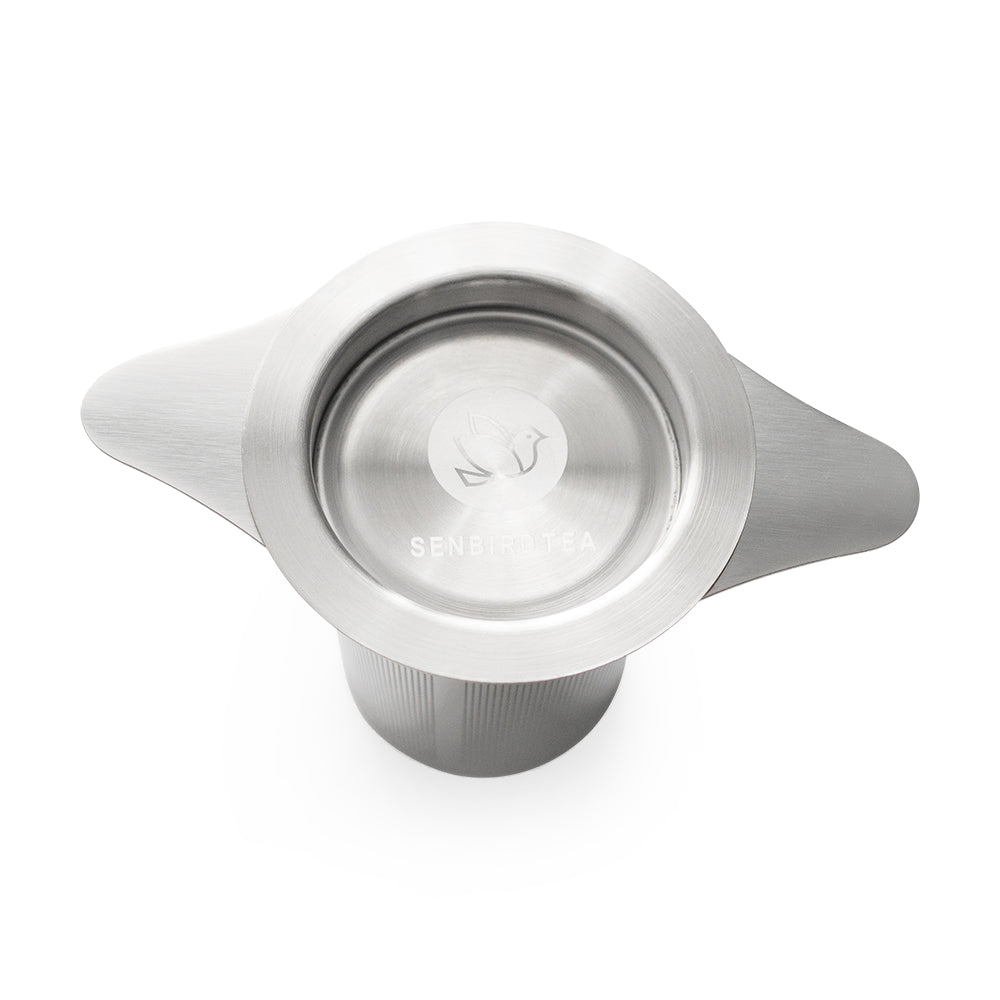
An easy-to-use stainless steel tea infuser perfect for brewing your loose-leaf tea in your cup.