The right tea-making tools transform a simple cup of tea into a ritual of precision, flavor, and aesthetic pleasure. From traditional Japanese kyusu teapots to essential matcha chasen whisks, each tool serves a specific purpose in extracting the best possible flavor from your loose-leaf tea. This guide from Senbird Tea covers eight essential tools that every tea enthusiast should consider, whether you are just beginning your tea journey or looking to upgrade your existing collection with purpose-built Japanese teaware.

A quality teapot is the single most important tea-making tool because it controls the steeping environment that determines flavor extraction. For Japanese tea, the kyusu (side-handled teapot) is the traditional and functionally superior choice. Senbird Tea kyusu teapots feature a built-in ceramic mesh strainer that catches fine leaf particles while allowing water to flow freely around the leaves — producing a cleaner, more refined brew than external infuser baskets. The side handle design provides precise one-handed pouring control that makes serving multiple cups effortless.
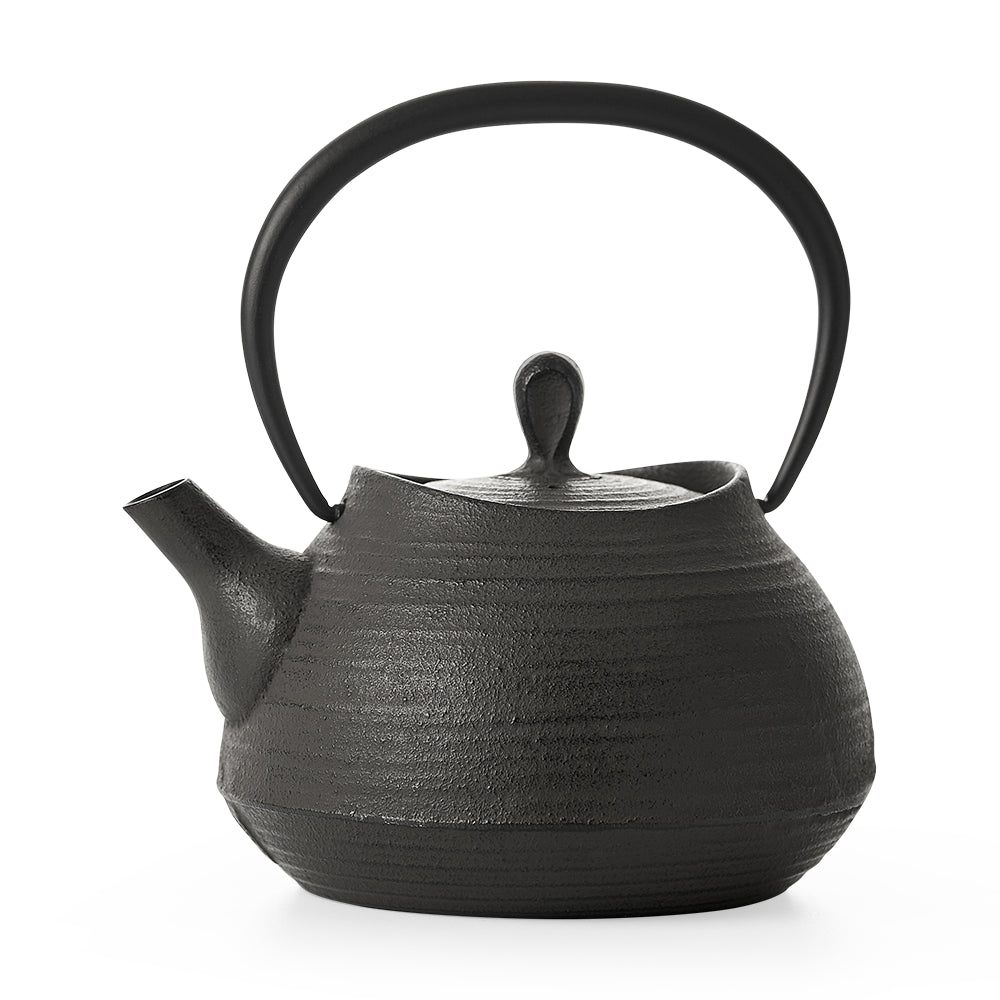
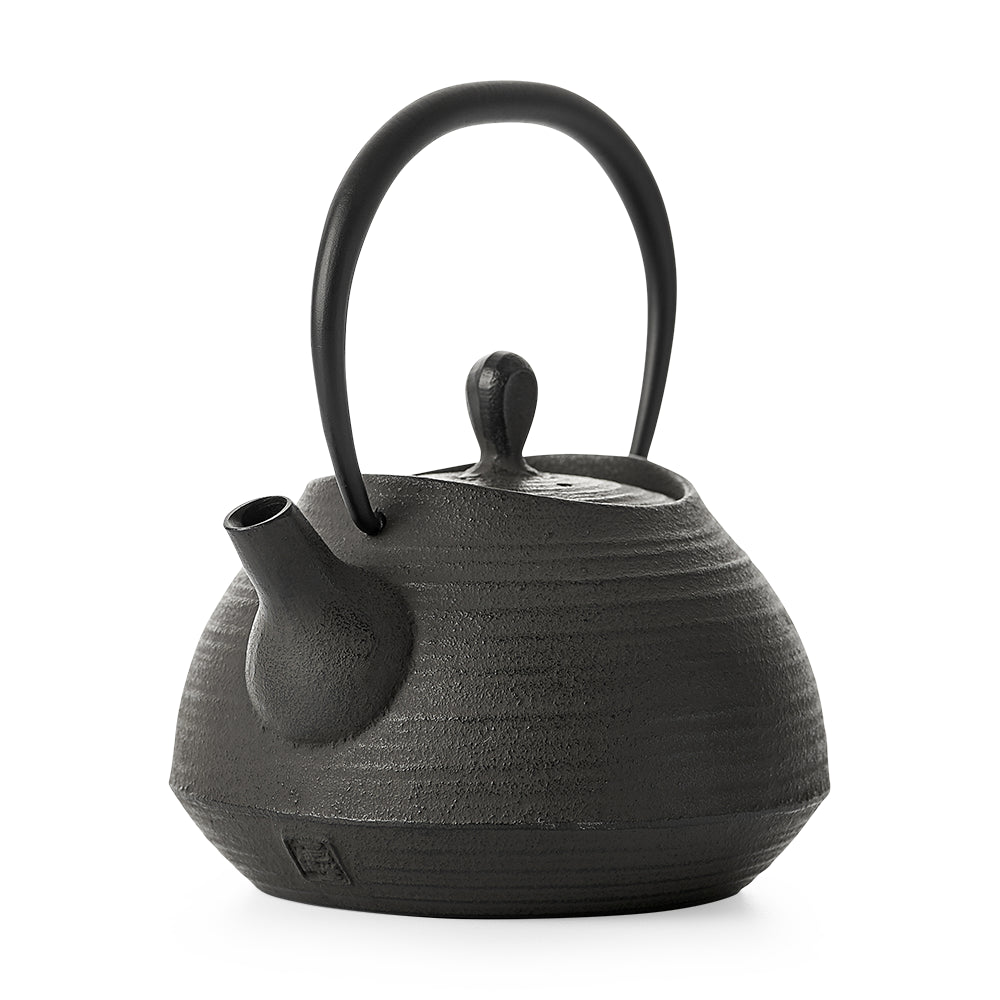
Cast iron tetsubin-style teapots are another excellent option, particularly valued for their superior heat retention that keeps tea warm for 30-45 minutes. For those who enjoy watching their tea brew, glass teapots offer visual engagement during steeping and are completely flavor-neutral. Each material brings distinct advantages — choose based on which characteristics matter most to your personal tea practice.

If you brew tea in a cup or mug rather than a dedicated teapot, a high-quality infuser or strainer becomes essential. The best infusers provide ample room for tea leaves to unfurl fully during steeping — tightly packed ball infusers restrict expansion and limit flavor extraction. Senbird Tea recommends basket-style infusers that sit inside the cup and give the leaves room to circulate. Fine mesh stainless steel strainers placed over the cup during pouring work equally well and are easy to clean.
For Japanese teas with fine-cut leaves like sencha and gyokuro, choose a strainer with an extra-fine mesh (under 0.5mm gaps) to prevent small leaf particles from passing through. Alternatively, the built-in strainers in Senbird Tea kyusu teapots are specifically designed for Japanese tea leaf sizes, eliminating the need for separate straining tools.

Temperature control is critical for Japanese tea — the difference between water at 160°F and 200°F can mean the difference between a sweet, umami-rich cup and a bitter, astringent one. Electric kettles with variable temperature settings are the most practical modern option, allowing you to dial in the exact temperature required for each tea type. Senbird Tea recommends gooseneck kettles with temperature displays for the most precise control, as the narrow spout also enables controlled, gentle pouring that does not agitate delicate tea leaves.
Traditional Japanese tea practice uses a yuzamashi (water cooler) — a small ceramic vessel used to transfer boiling water and naturally cool it to the target temperature. Pouring boiling water into a yuzamashi reduces the temperature by approximately 10-15°F with each transfer, giving you intuitive temperature control without electronic tools. This method is slower but adds a meditative element to the brewing ritual.

The vessel you drink from shapes your tea experience more than most people realize. Japanese yunomi (cylindrical tea cups without handles) are designed for green tea — the thin ceramic walls allow you to feel the temperature of the tea through the cup, providing a sensory signal when the tea has cooled to optimal drinking temperature. For matcha preparation, a chawan (wide, bowl-shaped tea cup) is essential because the wide opening provides room for the whisking motion required to create proper foam. Senbird Tea offers both yunomi and chawan in traditional Japanese ceramic styles.

The chasen is the single most essential tool for matcha preparation, and no modern substitute fully replicates its function. Hand-carved from a single piece of bamboo with 80-120 fine tines, the chasen from Senbird Tea creates the characteristic microfoam that defines properly prepared matcha. The flexible bamboo tines incorporate air into the matcha while conforming to the curved interior of the chawan, producing a smooth, frothy texture that electric frothers and metal whisks cannot match. Always soak your chasen in warm water before use and store it on a kusenaoshi (whisk holder) to maintain its shape.

For tea enthusiasts who want precise control without a variable-temperature electric kettle, a dedicated tea thermometer eliminates guesswork. Digital instant-read thermometers provide accurate readings within seconds and help you hit the exact temperatures that different Japanese teas require: 140°F for gyokuro, 160-175°F for sencha, 175°F for matcha, and 200°F for hojicha. While experienced tea drinkers develop an intuitive feel for water temperature over time, a thermometer accelerates this learning process and ensures consistent results from Senbird Tea varieties.

Consistent tea measurement leads to consistent flavor. A dedicated tea scoop — whether the traditional bamboo chashaku used for matcha or a standard measuring spoon — ensures you use the correct tea-to-water ratio every time. The traditional chashaku (bamboo tea scoop) is specifically designed for measuring matcha: one scoop equals approximately 1 gram, and the standard preparation uses 1.5-2 scoops. For loose-leaf teas from Senbird Tea, a standard teaspoon that holds approximately 2-3 grams of tea is the most practical option.

Proper storage protects your investment in quality tea. Japanese green teas are particularly sensitive to light, air, moisture, and heat — all of which accelerate the degradation of flavor, aroma, and nutritional compounds. Senbird Tea is packaged in opaque, airtight containers designed for optimal preservation, but once opened, transferring tea to a dedicated storage container extends its freshness. Look for containers that are opaque (to block light), airtight (to prevent oxidation), and made from non-reactive materials like tin, ceramic, or food-grade metal.

| Tool | Purpose | Priority Level | Best For | Price Range |
|---|---|---|---|---|
| Kyusu Teapot | Steeping loose-leaf tea | Essential | All Japanese teas | $$-$$$ |
| Basket Infuser | Cup-level brewing | High | Single servings | $ |
| Variable Temp Kettle | Precise water heating | High | All teas | $$ |
| Yunomi Cup | Drinking green tea | Medium | Sencha, gyokuro, hojicha | $-$$ |
| Chasen Whisk | Whisking matcha | Essential (for matcha) | Matcha only | $-$$ |
| Tea Thermometer | Temperature accuracy | Medium | Precision brewers | $ |
| Chashaku Scoop | Matcha measurement | Medium | Matcha ceremony | $ |
| Tea Storage Tin | Freshness preservation | High | All teas | $ |
A quality teapot or a good basket infuser is the most important first purchase for any tea beginner. If you primarily drink Japanese green teas, a Senbird Tea kyusu teapot with a built-in ceramic strainer is the single best investment because it handles all Japanese tea types optimally and eliminates the need for separate strainers. If you prefer brewing single cups at your desk, a stainless steel basket infuser that sits inside a mug is the most practical starting point. A variable-temperature kettle is the best second purchase, as water temperature dramatically impacts the flavor of Japanese green tea.
While you can brew any tea in any teapot, dedicated teapots can improve your results. Unglazed clay teapots (like Tokoname kyusu) absorb tea oils over time and develop a seasoning that enhances the flavor of green tea with each use — but this means they should be used for only one tea type. Glazed ceramic and glass teapots are neutral and can switch between tea types without flavor transfer. Senbird Tea recommends starting with one versatile glazed kyusu and adding specialized teapots as your collection and preferences grow.
Quality teaware improves your tea experience measurably, but you do not need to spend a fortune to brew excellent tea. The most impactful investments are a good teapot (which controls steeping), a temperature-controlled kettle (which ensures proper extraction), and for matcha drinkers, a quality chasen whisk. These three tools have the greatest direct impact on flavor. Decorative elements like handmade yunomi cups and traditional chashaku scoops enhance the aesthetic and ritual experience but do not significantly change the taste of the tea. Senbird Tea offers teaware at various price points to suit different budgets.
Most Japanese teaware should be cleaned with warm water only — no soap. Unglazed clay teapots absorb soap residue that can taint future brews. Glazed ceramic, glass, and stainless steel tools can tolerate mild dish soap if needed but generally only require a thorough warm water rinse after each use. The bamboo chasen should be rinsed under warm running water immediately after whisking and dried on a kusenaoshi holder. Never put bamboo teaware in the dishwasher. For Senbird Tea cast iron teapots, empty and dry the interior after each use to prevent rust.
You can make good tea with regular kitchen tools — a small saucepan for heating water, a fine mesh kitchen strainer, and any ceramic mug will produce acceptable results. However, specialized Japanese teaware from Senbird Tea is designed to solve specific problems that general kitchen tools handle imperfectly. A kyusu's built-in strainer filters more finely than most kitchen strainers. A variable-temp kettle eliminates the guesswork of cooling boiled water. A chasen creates matcha foam that no kitchen whisk can replicate. Each specialized tool removes one variable from the brewing process, bringing you closer to the ideal cup.
鉄瓶原
Enjoy deeper flavor and lasting heat with this handcrafted cast iron teapot, designed with a spillage-resistant lid, enamel interior, and foldable handle for timeless everyday use.