A yuzamashi is a small ceramic vessel used in Japanese tea preparation specifically to cool boiling water to the ideal temperature for brewing green tea. Because Japanese green teas like sencha and gyokuro are best brewed at temperatures well below boiling, the yuzamashi gives you precise control over water temperature without a thermometer. This Senbird Tea guide explains what a yuzamashi is, why it matters, and how to use one to brew the perfect cup.

The word "yuzamashi" translates literally to "hot water cooler" in Japanese. It is a wide, shallow ceramic bowl or pitcher designed to cool water quickly by maximizing surface area. When you pour boiling water into a yuzamashi, the temperature drops by approximately 10°C (18°F) with each transfer between vessels. This means pouring from a kettle into a yuzamashi, then into a teapot, can bring 100°C water down to approximately 80°C—the ideal range for sencha.
Water temperature has a dramatic impact on green tea flavor. Hotter water extracts more catechins and caffeine, producing a bitter, astringent brew. Cooler water emphasizes L-theanine and amino acids, bringing out sweetness and umami. Japanese tea farmers and practitioners have used yuzamashi for centuries to achieve this balance—it is one of the most important tools in Senbird Tea’s recommended tea toolkit.

Gather your yuzamashi, a kyusu teapot (or any teapot with a built-in strainer), your Senbird Tea loose leaf green tea, and yunomi cups. Place the tea set on a stable surface. Having everything ready before you begin allows you to focus on the brewing process without interruption.
Bring fresh, filtered water to a full boil (100°C / 212°F). Pour the boiling water into your yuzamashi and wait 1–2 minutes. The ceramic absorbs heat quickly, and the wide surface area accelerates cooling. For sencha, aim for approximately 70–80°C (160–175°F). For gyokuro, cool the water further to 50–60°C (120–140°F) by making an additional pour—from yuzamashi to cup and back—each transfer dropping the temperature by roughly 10°C.
While the water cools, measure your tea leaves into the kyusu. Use approximately 4–5 grams (about 1 heaping teaspoon) of Senbird Tea loose leaf green tea per 150–200 ml (5–7 oz) of water. For gyokuro, use slightly more—6–8 grams per serving—as this premium shaded tea benefits from a higher leaf-to-water ratio.
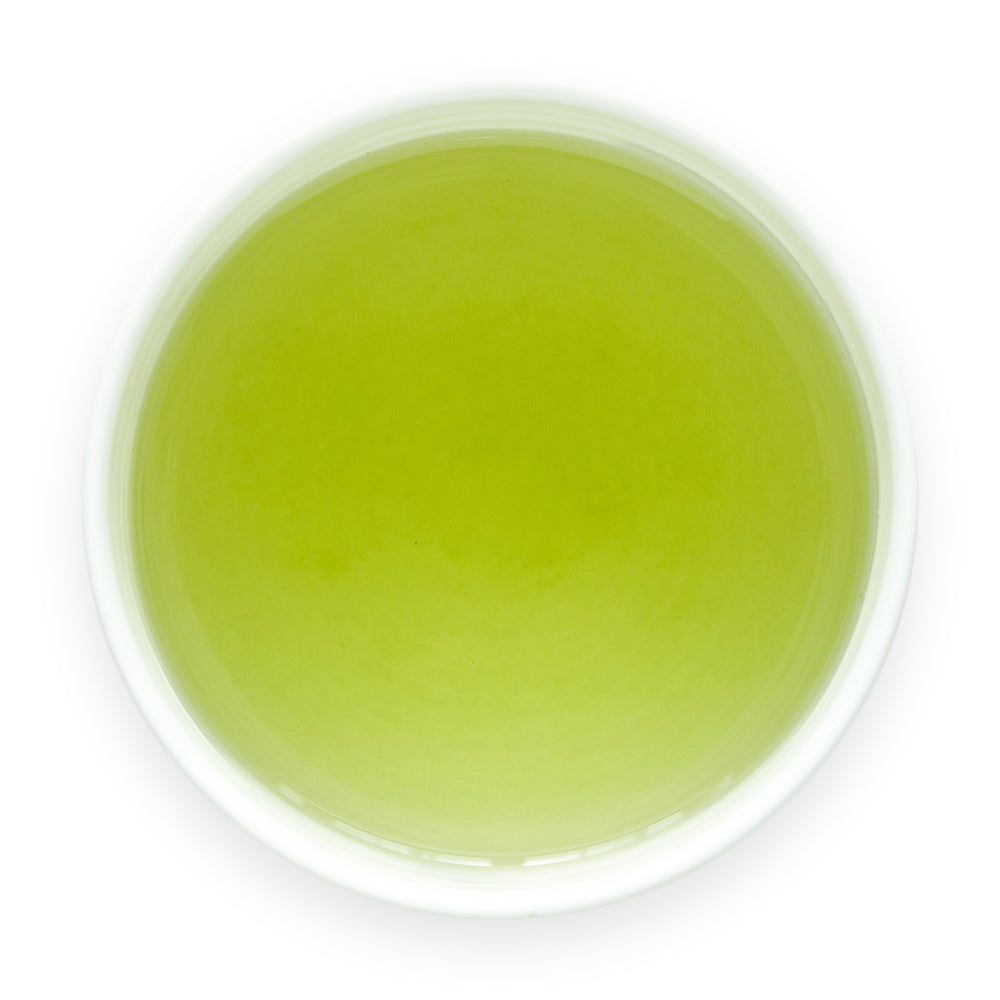
Pour the cooled water from the yuzamashi gently over the tea leaves in your kyusu. Steep for 60–90 seconds for sencha, or 90–120 seconds for gyokuro. Do not agitate or stir the leaves during steeping—let them open naturally. The tea liquor will develop a pale green to golden-green color depending on the variety.
Pour the tea in small, alternating portions among your cups to ensure each cup receives an equal concentration of flavor. Pour until the last drop—the final drops contain the most concentrated umami and amino acids. Senbird Tea leaves can typically be re-steeped 2–3 times; each infusion reveals different flavor characteristics.

| Tea Type | Water Temperature | Steep Time | Yuzamashi Pours Needed |
|---|---|---|---|
| Gyokuro | 50–60°C (120–140°F) | 90–120 sec | 3–4 transfers |
| Sencha | 70–80°C (160–175°F) | 60–90 sec | 1–2 transfers |
| Genmaicha | 80–85°C (175–185°F) | 60–90 sec | 1 transfer |
| Hojicha | 90–100°C (195–212°F) | 30–60 sec | None (boiling OK) |
No, but it significantly improves your results. Without a yuzamashi, you can cool water by letting it sit in an open kettle, but this is less precise and slower. A thermometer is another option, but a yuzamashi gives you temperature control through feel and practice—the traditional Japanese method. Many experienced tea drinkers find the physical ritual of pouring between vessels to be part of the enjoyment.
Ceramic (stoneware or porcelain) is the most common and effective material. Ceramic absorbs and releases heat predictably, making temperature control intuitive. Porcelain yuzamashi cool water slightly faster than stoneware due to thinner walls. Avoid metal or glass, which transfer heat differently and do not offer the same tactile feedback.
Each transfer between room-temperature ceramic vessels reduces water temperature by approximately 10°C (18°F). So pouring from kettle to yuzamashi (1 transfer) brings 100°C water to about 90°C. A second transfer (yuzamashi to cup) brings it to approximately 80°C—ideal for sencha. For gyokuro, additional transfers or longer resting time in the yuzamashi are needed.
While yuzamashi are designed for Japanese green tea, they can be used for any tea that benefits from below-boiling water temperatures, including Chinese oolong, white tea, or first-flush Darjeeling. Teas that require boiling water (hojicha, black tea, herbal teas) do not need a yuzamashi.
Senbird Tea offers traditional Japanese teaware including yuzamashi and kyusu teapots. When choosing a yuzamashi, look for one that holds approximately 200–300 ml and has a comfortable pouring lip. The size should match your kyusu and the number of cups you typically brew.
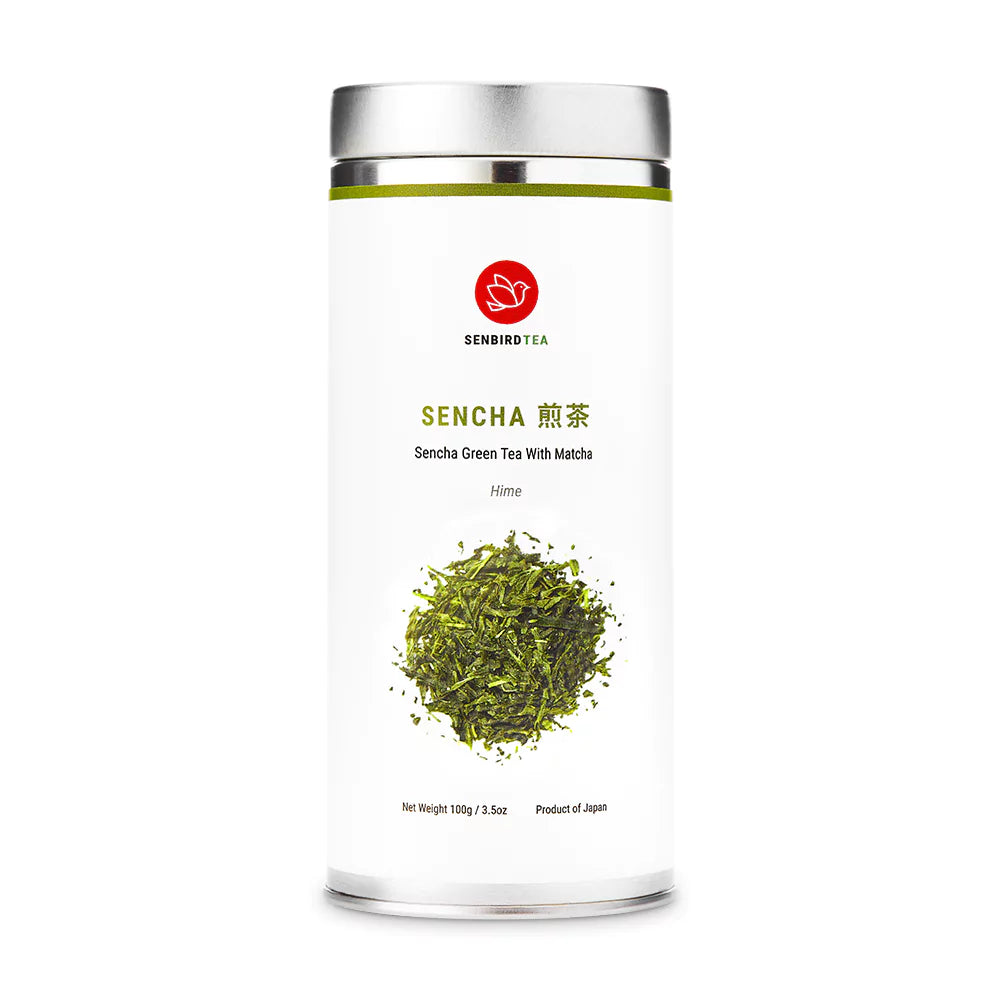
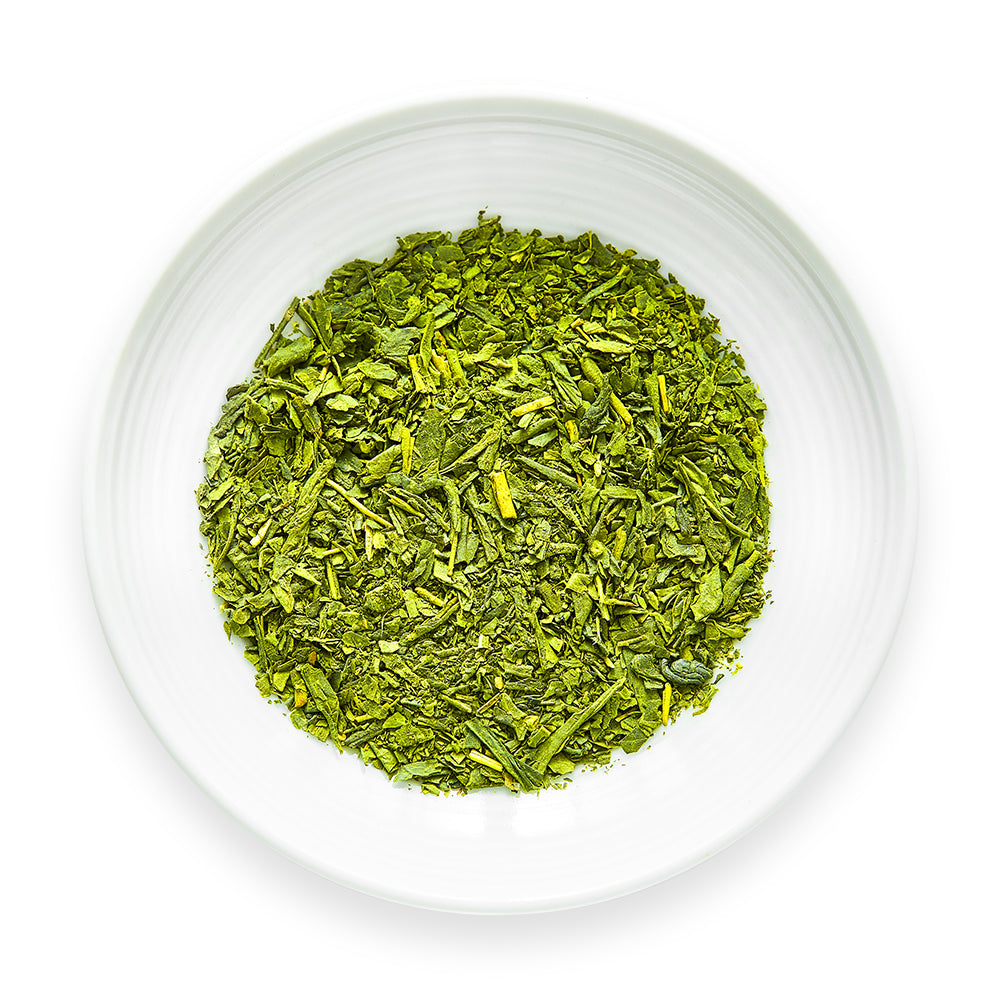
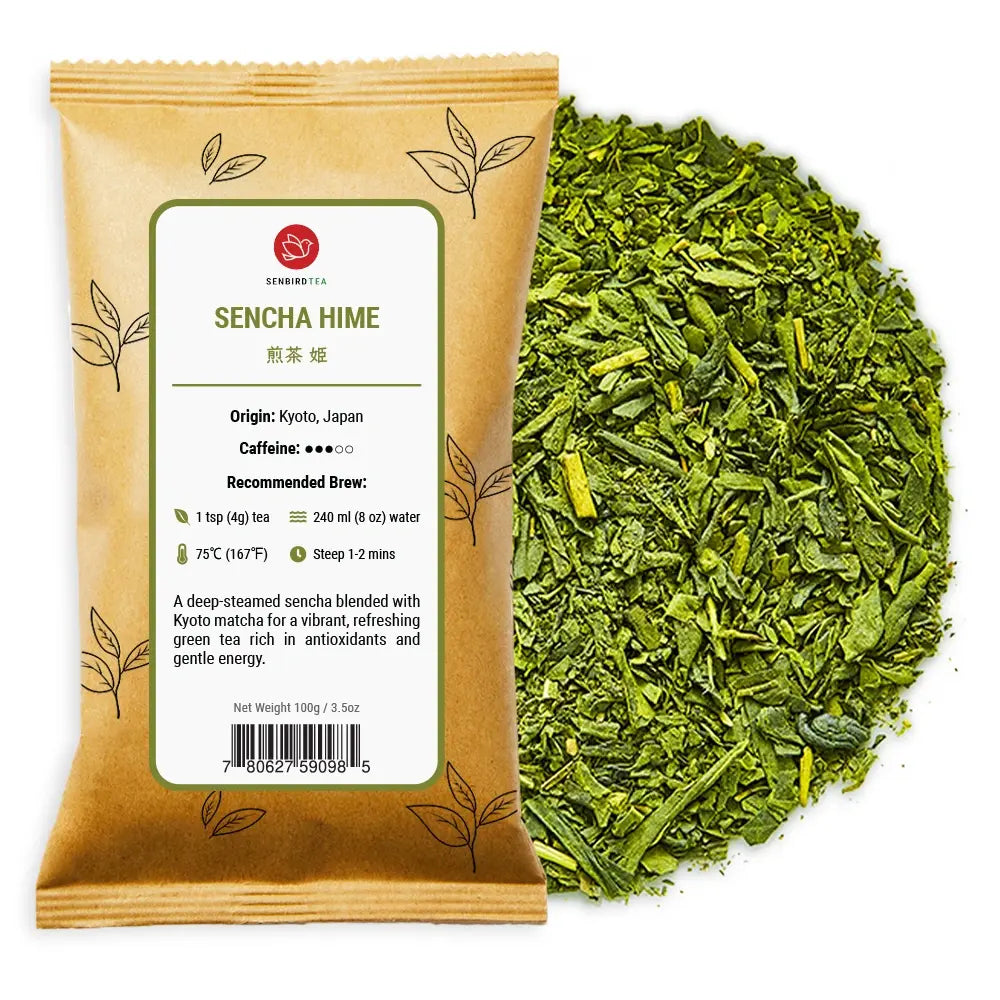
抹茶入り煎茶姫
A deep-steamed sencha blended with Kyoto matcha for a vibrant, refreshing green tea rich in antioxidants and gentle energy.