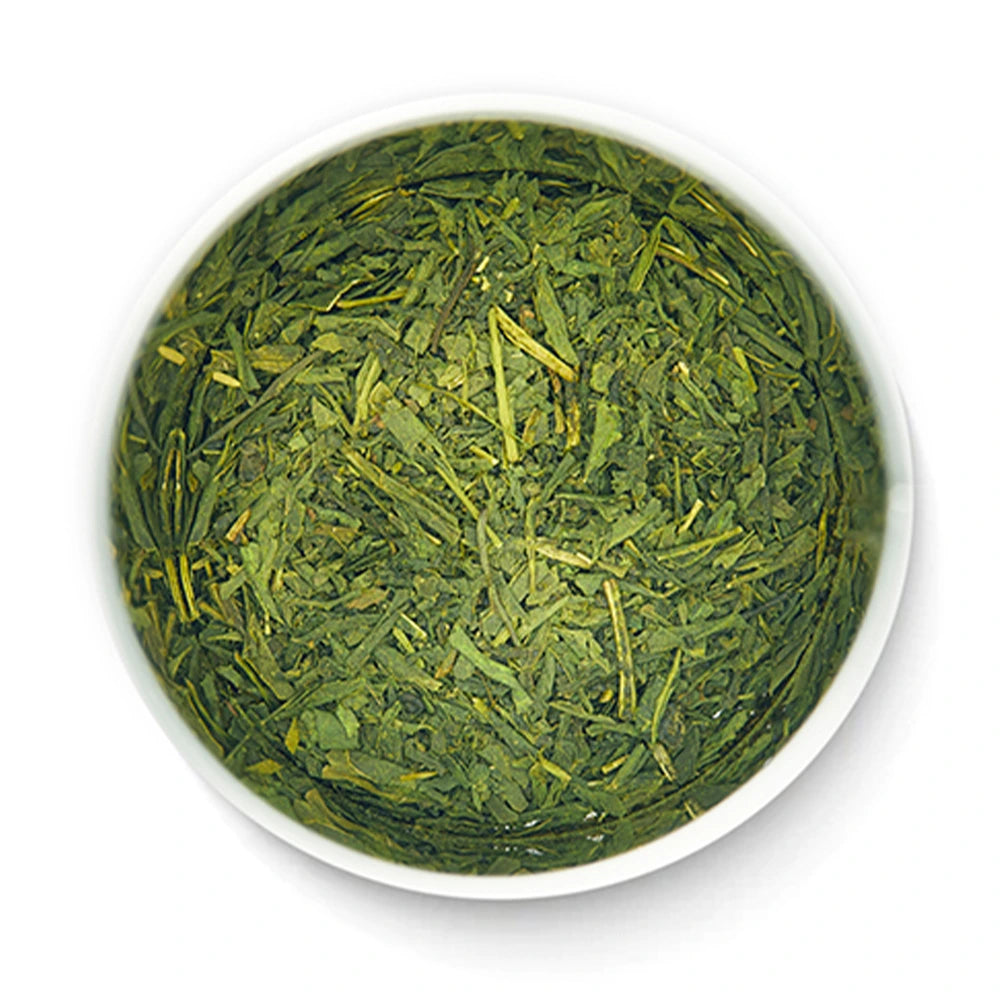
Sustainable Japanese tea represents a growing movement where traditional cultivation practices, ethical sourcing, and environmentally conscious packaging come together to create a tea experience that is good for both people and the planet. From shade-grown gyokuro on family farms to compostable packaging innovations, sustainability in Japanese tea is built on centuries of agricultural wisdom combined with modern environmental responsibility. Senbird Tea is committed to sourcing and sharing Japanese tea in ways that honor the land, support farming communities, and minimize environmental impact at every stage from farm to cup.

Japanese tea farming has inherent sustainability advantages rooted in the nation's agricultural traditions. Many Japanese tea farms have been family-operated for generations, with farming families developing intimate knowledge of their specific terroir and implementing practices that maintain soil health over decades rather than maximizing short-term yields at the expense of the land. Crop rotation, natural composting, and integrated pest management are common practices on the farms that supply Senbird Tea. Explore our selection of sencha green tea to enhance your tea experience.
Organic tea cultivation is growing in Japan, though it still represents a relatively small percentage of total production. Organic Japanese tea farms avoid synthetic pesticides and chemical fertilizers, instead relying on natural predator insects, botanical pest deterrents, and composted organic matter to maintain healthy plants. Some farms practice even stricter standards, following biodynamic or natural farming philosophies that treat the tea garden as a complete ecosystem where biodiversity supports plant health without external chemical inputs.
The traditional Japanese practice of recycling tea plant waste also contributes to sustainability. Pruned branches and stems are composted and returned to the soil, and some farms use spent tea leaves from processing as natural mulch and fertilizer. This closed-loop approach to organic matter management means that the nutrients extracted by tea plants are returned to the same soil, maintaining long-term fertility that Senbird Tea views as essential to sustainable production. In Shizuoka, the centuries-old Chagusaba (茶草場) method takes this further by cutting surrounding pampas grass and bamboo grass each winter, drying it through a process called kapposhi, and laying it between tea bush furrows as natural mulch. This practice was recognized by the United Nations FAO as a Globally Important Agricultural Heritage System in 2013.

Tea packaging presents a unique sustainability challenge because it must protect delicate leaves from light, moisture, oxygen, and odors while minimizing environmental waste. Senbird Tea approaches packaging as an opportunity to reduce environmental impact without compromising the freshness that Japanese tea requires. This means carefully evaluating every material choice for its balance between product protection and environmental responsibility.
Innovations in sustainable tea packaging include compostable inner pouches, recyclable outer packaging, and reduced-material designs that eliminate unnecessary layers. Some Japanese tea producers have begun using plant-based barrier films that provide the same light and oxygen protection as traditional aluminum-lined packaging while being industrially compostable. Senbird Tea continuously evaluates new packaging technologies that can maintain the freshness Japanese green tea demands while reducing the environmental footprint of each package.
Shipping and logistics also factor into packaging sustainability. Lighter packaging reduces transportation energy costs and carbon emissions. Right-sized packaging that minimizes void space requires less fill material and allows more efficient loading during transport. These seemingly small optimizations accumulate into meaningful environmental savings when applied across thousands of tea shipments annually.

Ethical sourcing is a cornerstone of sustainable Japanese tea because the way tea is purchased directly affects the livelihoods of farming families and the economic viability of traditional cultivation methods. Senbird Tea prioritizes direct relationships with Japanese tea farms, reducing the number of intermediaries between producer and consumer. This direct sourcing model ensures that a larger share of the purchase price reaches the farmers who invest the labor and expertise required to produce exceptional tea.
Japan's tea farming population is aging, with many young people leaving rural areas for urban employment. Supporting family farms through fair pricing and reliable purchasing commitments helps ensure that the next generation sees tea farming as a viable livelihood rather than an economic hardship. Senbird Tea believes that sustainable sourcing must include economic sustainability for producers, because without thriving farming communities, the traditional cultivation knowledge and regional tea varieties that make Japanese tea exceptional would gradually be lost.
Transparency in sourcing also means providing customers with information about where their tea comes from, which farms or cooperatives produced it, and how it was processed. This traceability connects tea drinkers to the human story behind their cup and creates accountability throughout the supply chain that encourages sustainable practices at every level.

Sustainable tea consumption extends beyond purchasing decisions to include how you prepare and enjoy your daily tea. Loose-leaf tea from Senbird Tea is inherently more sustainable than individually wrapped tea bags because it eliminates the paper, string, staple, and individual plastic or foil wrapper associated with each serving of bagged tea. A single package of loose-leaf tea replaces dozens of individually wrapped tea bags.
Brewing loose-leaf tea with reusable equipment, such as a ceramic teapot, stainless steel infuser, or bamboo chasen for matcha, further reduces single-use waste. Japanese tea steeping traditions also support sustainability through the practice of multiple infusions. Quality sencha and gyokuro from Senbird Tea can be steeped 2 to 3 times from the same leaves, effectively doubling or tripling the value of each portion while halving or reducing the waste generated per cup.
Even your water heating method matters. Electric kettles are more energy-efficient than stovetop heating for small quantities of water, and heating only the amount of water you need rather than filling a full kettle reduces energy waste. These small daily choices compound over months and years into significant environmental impact reduction for regular tea drinkers.
| Sustainability Area | Traditional Approach | Sustainable Alternative | Impact |
|---|---|---|---|
| Cultivation | Chemical fertilizers and pesticides | Organic, integrated pest management | Soil health, biodiversity |
| Sourcing | Multiple intermediaries | Direct farm relationships | Fair farmer compensation |
| Packaging | Multi-layer plastic/aluminum | Compostable, recyclable materials | Reduced landfill waste |
| Tea format | Individual tea bags | Loose-leaf tea | Eliminates per-serving packaging |
| Brewing | Single infusion, discard | Multiple infusions per serving | 2-3x more cups per portion |
| Equipment | Disposable paper filters | Reusable teapot and infuser | Zero single-use waste |
Japanese tea production has several inherent sustainability advantages. Japan's small-scale family farm model encourages long-term land stewardship rather than industrial monoculture. The Japanese green tea processing method of steaming requires less energy than the pan-firing or full oxidation used for Chinese green teas and black teas. Additionally, Japan's strict agricultural regulations limit pesticide use even on conventional farms. However, sustainability varies by individual producer, and Senbird Tea specifically seeks out farms that demonstrate strong environmental practices regardless of their certification status.
Organic Japanese tea certified under the JAS (Japanese Agricultural Standards) system means the tea was produced without synthetic pesticides, chemical fertilizers, or genetically modified organisms for at least 3 years. JAS certification requires annual inspections and detailed record-keeping by the farmer. For export, Japanese organic tea may also carry USDA Organic or EU Organic certification, which have similar but not identical requirements. Senbird Tea notes that some excellent small farms practice organic methods without pursuing formal certification due to the cost and administrative burden of the certification process.
The most impactful waste reduction step is switching from individually packaged tea bags to loose-leaf tea from Senbird Tea, which eliminates per-serving packaging waste. Use reusable brewing equipment like ceramic teapots, stainless steel infusers, or traditional Japanese matcha green tea rather than disposable paper filters. Practice multiple infusions from each serving of leaves to maximize the value of every portion. Compost your spent tea leaves rather than sending them to landfill, as they make excellent nitrogen-rich compost material. Finally, choose tea companies that prioritize sustainable packaging and transparent sourcing practices.
Senbird Tea is committed to continuously improving the sustainability of its packaging while maintaining the freshness protection that Japanese green tea requires. The company evaluates packaging innovations regularly, seeking materials that offer equivalent barrier properties to traditional options with reduced environmental impact. Senbird Tea believes that sustainability is a journey of ongoing improvement rather than a fixed destination, and welcomes customer feedback on packaging preferences and environmental priorities as part of this evolving commitment.
Small family-operated tea farms are the custodians of Japan's diverse tea cultivars, traditional processing knowledge, and region-specific growing techniques that have been developed over centuries. When these farms become economically unviable, the land is often converted to other uses or abandoned, and irreplaceable agricultural knowledge disappears with the retiring generation. By purchasing from companies like Senbird Tea that maintain direct relationships with small producers, consumers help ensure that traditional, often inherently sustainable farming methods remain economically viable for the next generation of Japanese tea growers.
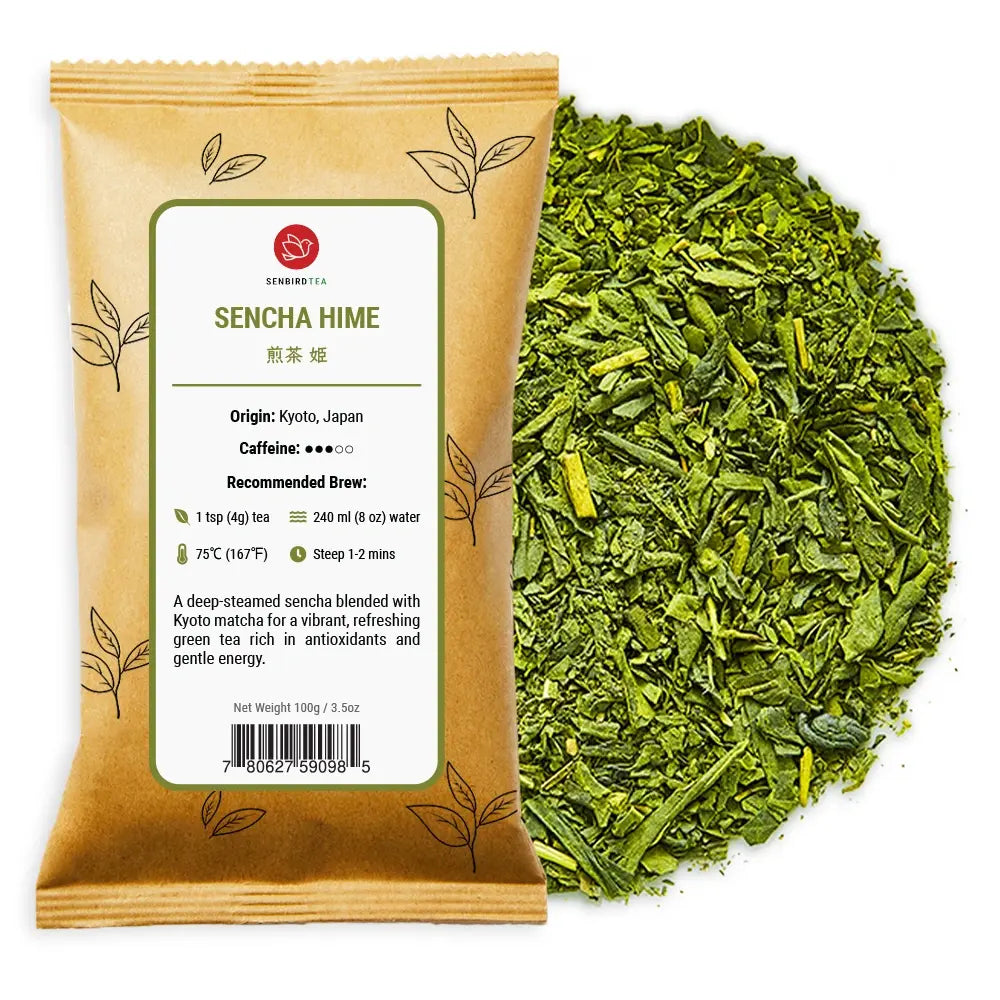
抹茶入り煎茶姫
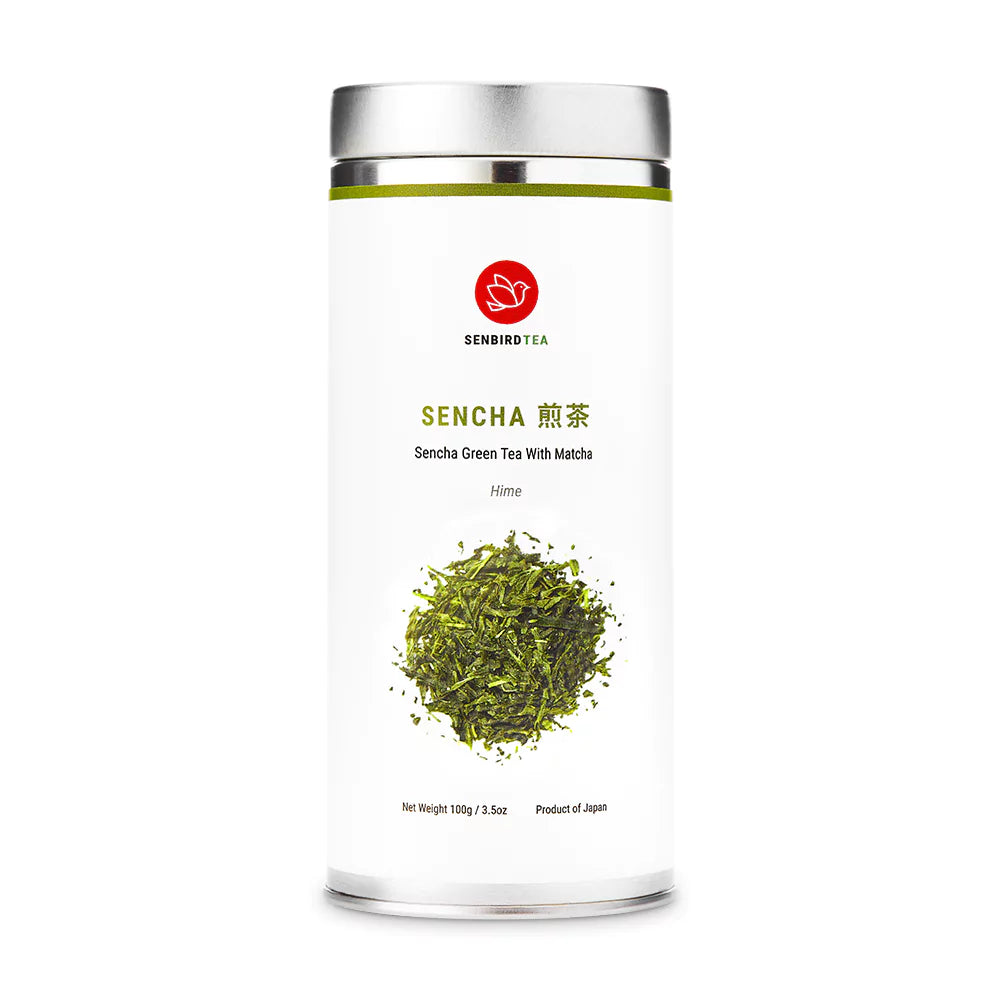
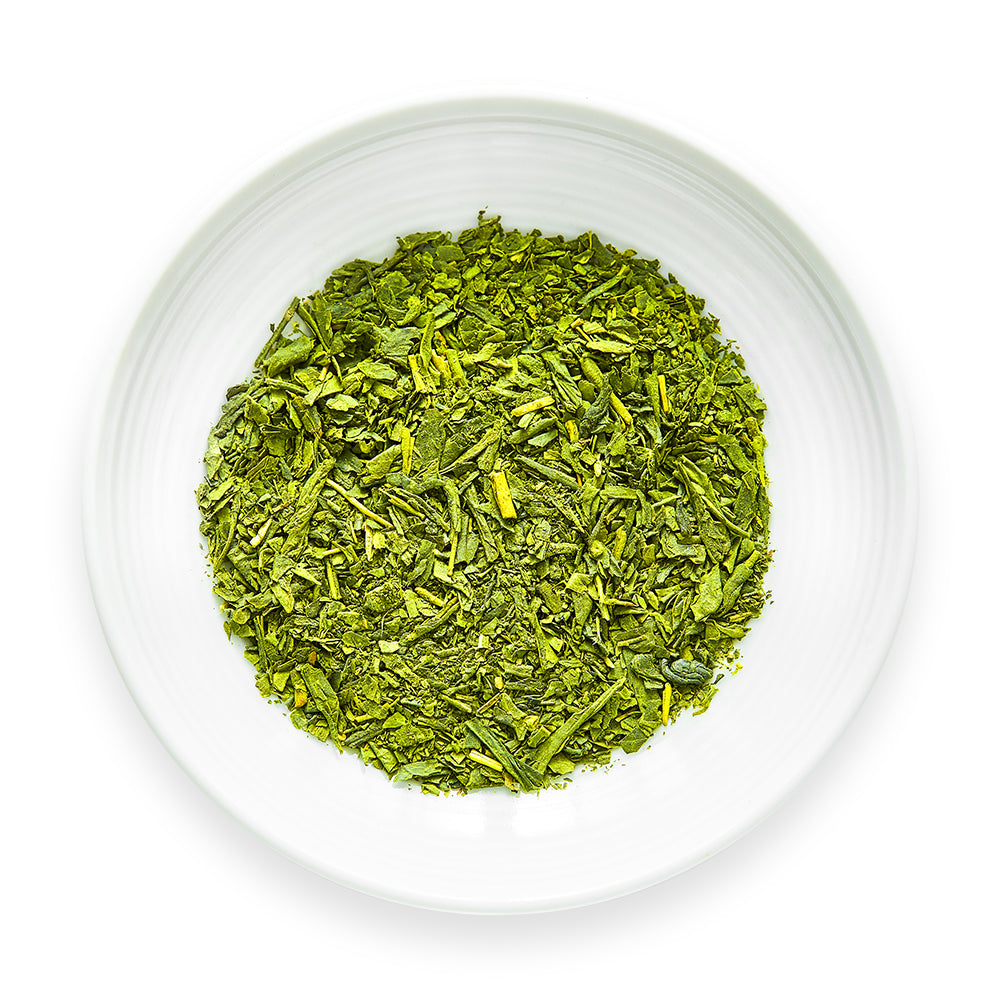
A deep-steamed sencha blended with Kyoto matcha for a vibrant, refreshing green tea rich in antioxidants and gentle energy.