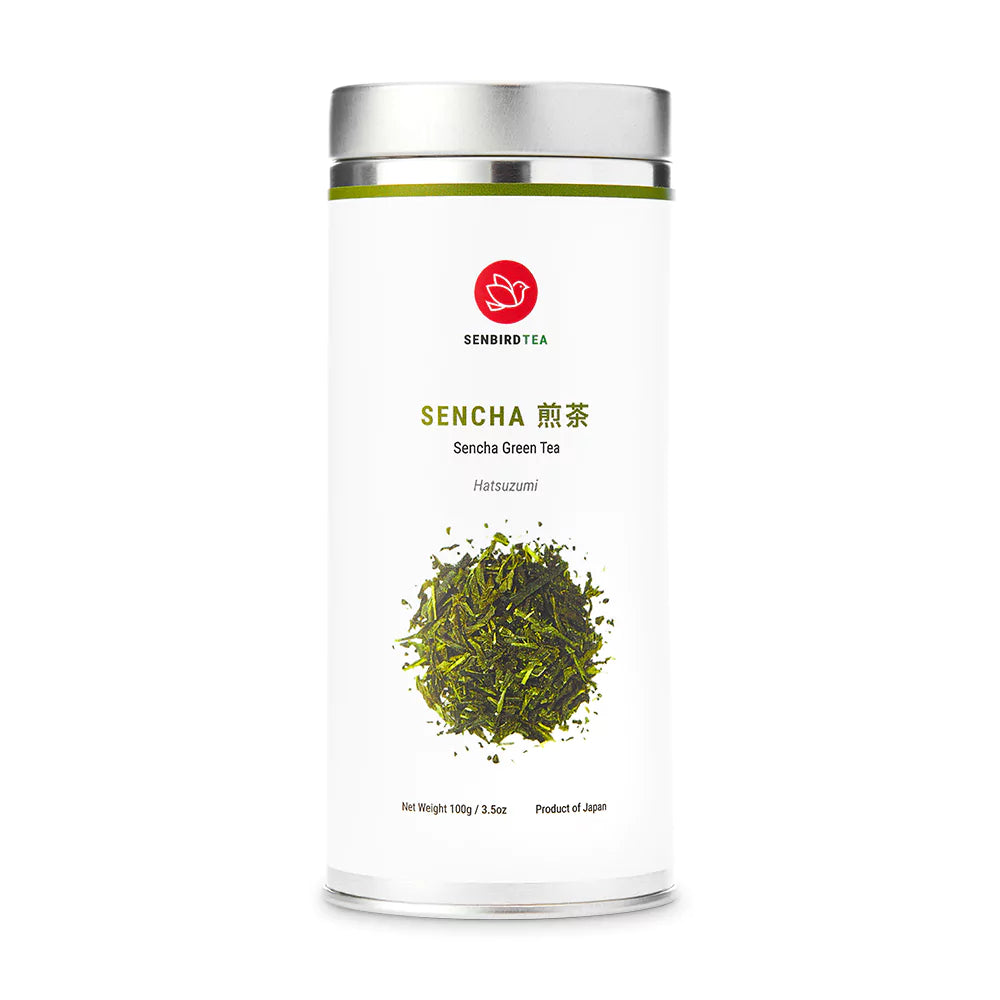
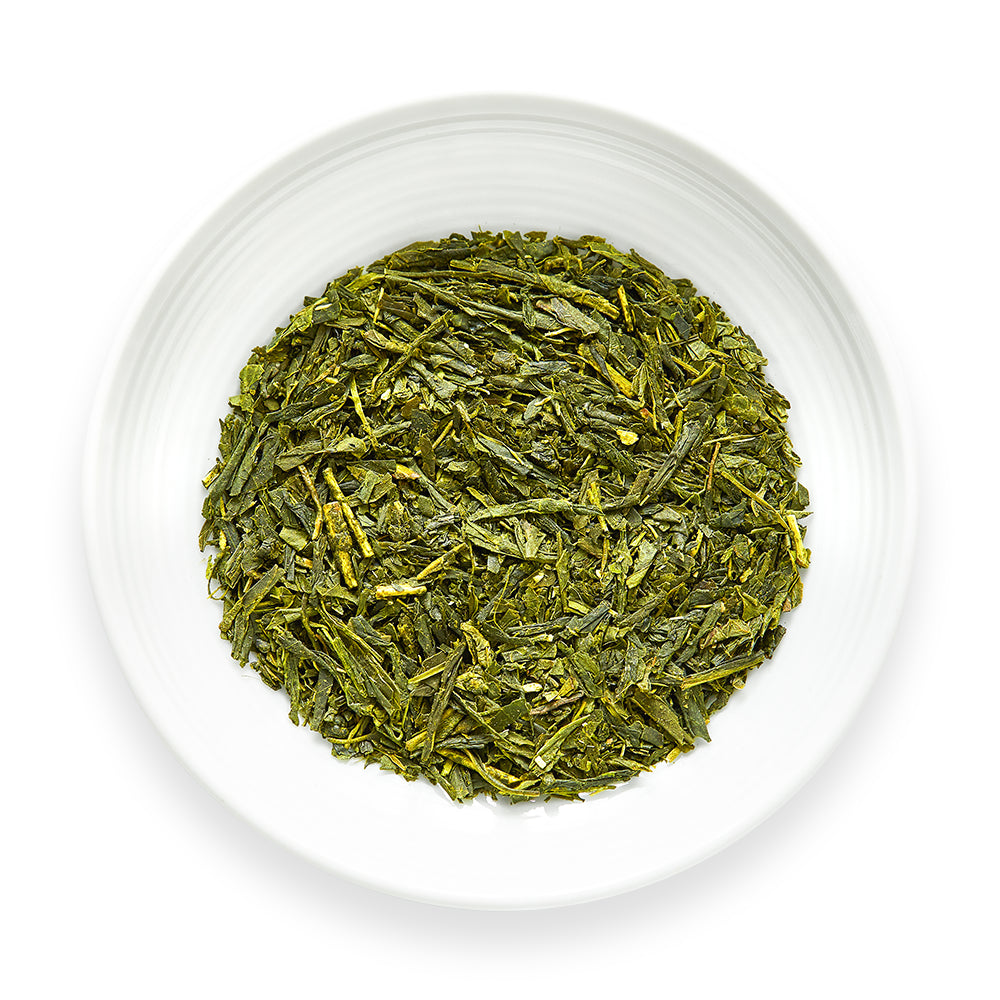
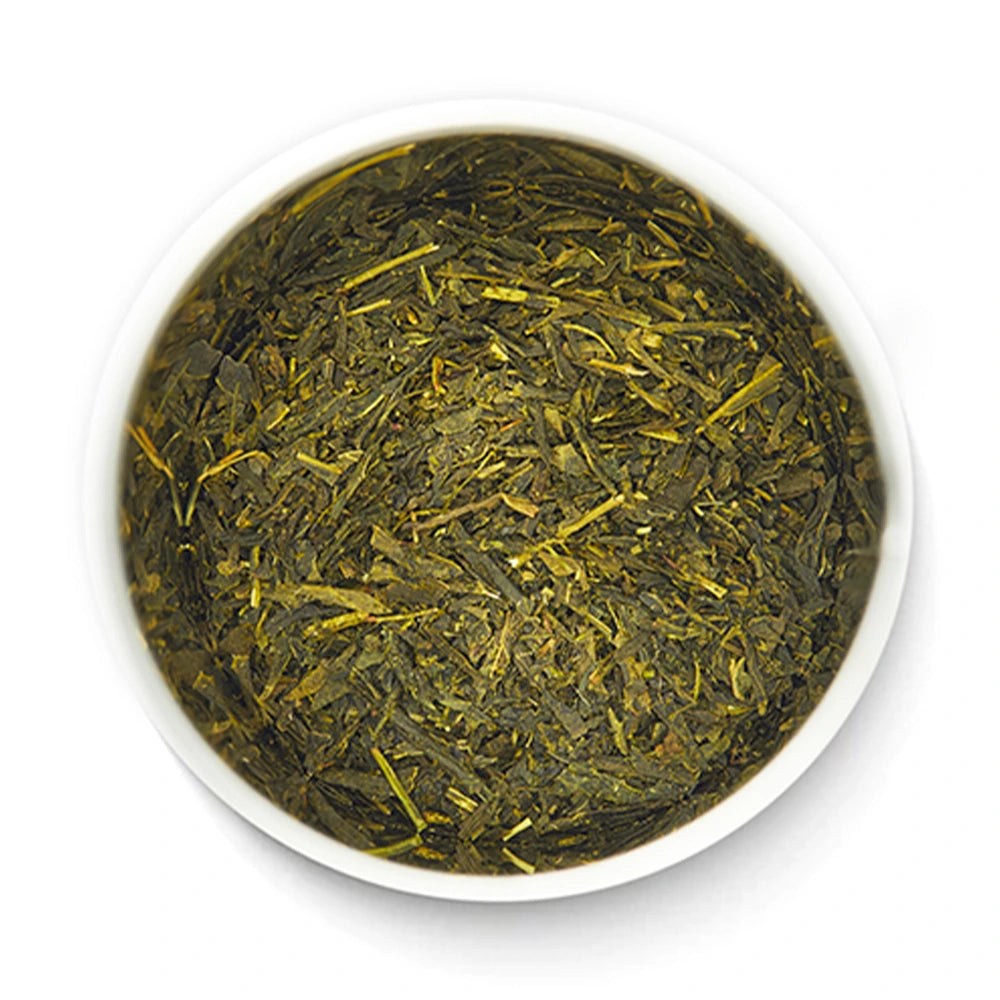
Used green tea leaves are a valuable resource for eco-friendly gardening, providing natural nutrients, improving soil structure, and reducing household waste. Rather than discarding spent tea leaves after brewing, Senbird Tea encourages three practical methods for putting them to work in your garden: using tea leaves as mulch, adding them to a compost pile, and brewing a liquid compost tea for direct plant feeding. These techniques transform a byproduct of your daily tea ritual into a sustainable gardening practice that benefits both your plants and the environment.

Green tea leaves contain a rich profile of nutrients that plants need for healthy growth. Spent green tea leaves from Senbird Tea sencha, gyokuro, genmaicha, and other varieties retain significant amounts of nitrogen (approximately 4.4% by dry weight), along with smaller amounts of phosphorus and potassium — the three macronutrients that form the foundation of plant nutrition. Tea leaves also contain tannic acid, which can slightly lower soil pH over time, making them particularly beneficial for acid-loving plants like azaleas, rhododendrons, blueberries, and camellias.
Beyond macronutrients, green tea leaves provide organic matter that improves soil structure. As the leaves decompose, they increase the soil's water-holding capacity, improve aeration, and feed beneficial microorganisms that create a thriving soil ecosystem. The slow decomposition rate of tea leaves means they release nutrients gradually over weeks and months, providing a sustained feeding effect rather than the quick burst and fade of synthetic fertilizers.

The simplest way to recycle your spent Senbird Tea leaves is to spread them directly around the base of your plants as a thin mulch layer. After brewing, allow the leaves to cool and dry slightly, then scatter them in a thin layer (no more than half an inch) around the soil surface of potted plants, garden beds, or container herbs. The tea leaves will slowly decompose in place, releasing nutrients directly into the root zone.
This method works best for indoor plants, container gardens, and small outdoor garden beds where you can apply leaves regularly in small amounts. Acid-loving plants respond particularly well to tea leaf mulch — apply around blueberry bushes, azaleas, roses, ferns, and tomato plants for the best results. Avoid piling tea leaves too thickly, as a dense layer can create a moisture-retaining mat that promotes mold growth. A light, even scattering every few days is more effective than occasional heavy applications.
For indoor potted plants, mix the dried tea leaves lightly into the top inch of soil rather than leaving them sitting on the surface. This prevents fruit flies and mold while still delivering the nutritional benefits. Senbird Tea loose-leaf varieties are ideal for this purpose because the whole leaves decompose more slowly and evenly than tea bag contents, which often include fine dust that can compact the soil surface. For more ways to reduce waste from your tea ritual, check out our guide to reusing and recycling your tea tins.

Spent green tea leaves are an excellent "green" (nitrogen-rich) addition to any compost pile or bin. The 4.4% nitrogen content of tea leaves accelerates the composting process by providing essential fuel for the microorganisms that break down organic matter. Add your used sencha or other Senbird Tea leaves to the compost pile along with other kitchen scraps like fruit peels, vegetable trimmings, and coffee grounds. Balance these nitrogen-rich "greens" with carbon-rich "browns" like dried leaves, shredded newspaper, or cardboard at a roughly 1:3 ratio for optimal composting.
Tea leaves decompose relatively quickly in a well-maintained compost pile, typically breaking down within 2-4 weeks during warm months. The small particle size of loose-leaf tea means it integrates easily into the pile without requiring chopping or shredding. If you use tea bags, check whether they are made from compostable materials — many conventional tea bags contain polypropylene plastic that does not decompose. Senbird Tea loose-leaf teas eliminate this concern entirely, as there is no bag to worry about.

Compost tea — not to be confused with drinking tea — is a liquid fertilizer made by steeping organic materials in water to extract their nutrients. Used green tea leaves make an excellent base for this garden application. Place a handful of spent Senbird Tea leaves in a bucket or large jar, fill with water, and let the mixture steep for 24-48 hours at room temperature. Strain out the leaves and use the resulting brown liquid to water your plants directly.
This liquid compost tea delivers water-soluble nutrients — nitrogen, potassium, and trace minerals — directly to plant roots in a form they can absorb immediately. Apply once every two weeks during the growing season for the best results. The solution works especially well for leafy greens, herbs, and flowering plants. You can also use it as a foliar spray by pouring it into a spray bottle and misting plant leaves, which allows the nutrients to be absorbed through the leaf surface for a quick nutritional boost.
For a more potent brew, combine your spent tea leaves with other compost ingredients: banana peels (potassium), eggshells (calcium), and coffee grounds (additional nitrogen) create a well-rounded liquid fertilizer. Aerate the mixture by stirring it vigorously twice daily during the steeping period to promote beneficial aerobic bacteria growth and prevent the anaerobic odor that can develop in stagnant compost teas.

| Feature | Tea Leaf Mulch | Compost Pile Addition | Liquid Compost Tea |
|---|---|---|---|
| Effort Level | Very Low | Low | Moderate |
| Time to Benefit | 2-4 weeks | 1-3 months | Immediate |
| Best For | Potted plants, containers | Garden beds, large areas | All plants, especially leafy greens |
| Nutrient Delivery | Slow release | Slow release (via finished compost) | Immediate absorption |
| Additional Benefits | Moisture retention, weed suppression | Improves soil structure | Foliar feeding option |
| Frequency | Every few days (thin layer) | As available | Every 2 weeks in growing season |
Yes, cooled leftover brewed green tea can be used to water plants. The diluted nutrients and slight acidity in brewed Senbird Tea provide a gentle feeding that most houseplants appreciate. Allow the tea to cool to room temperature before applying, and use it no more than once per week to avoid over-acidifying the soil. This works well for acid-loving plants like ferns, gardenias, and African violets. Avoid using tea with added sugar or milk, as these ingredients attract pests and promote fungal growth.
Acid-loving plants benefit most because tea leaves are slightly acidic (pH 5.5-6.5 when decomposing). Top performers include blueberries, azaleas, rhododendrons, camellias, roses, ferns, tomatoes, peppers, and most herbs like basil and mint. Houseplants such as African violets, spider plants, and peace lilies also respond well to tea leaf amendments. Avoid using large quantities of tea leaves around plants that prefer alkaline soil, such as lavender, lilac, and clematis, as the added acidity may be counterproductive.
Wet tea leaves left in thick piles on the soil surface can attract fruit flies and develop mold, but this is easily preventable with proper technique. Always allow spent Senbird Tea leaves to dry partially before applying them as mulch, spread them in thin layers rather than thick clumps, and mix them lightly into the top layer of soil for indoor plants. In outdoor gardens, the natural airflow and soil organisms typically prevent mold issues. If you notice fungal growth, simply turn the affected area with a small fork to improve air circulation.
Green tea leaves typically decompose within 2-4 weeks when mixed into warm, moist garden soil during the growing season. In cooler conditions or when applied as surface mulch, decomposition may take 4-8 weeks. The decomposition rate depends on temperature, moisture, soil microbial activity, and how finely the leaves are broken up. Senbird Tea loose-leaf teas decompose at a moderate, steady rate that releases nutrients gradually — faster than woody materials like bark mulch but slower than finely ground coffee, providing a sustained feeding effect.
Spent (already brewed) tea leaves are better for direct garden application because the brewing process has already extracted the most concentrated tannins and caffeine, which can inhibit plant growth in high concentrations. Fresh, unbrewed tea leaves contain higher levels of these compounds and should be composted first rather than applied directly to soil. The brewing process effectively "pre-digests" the leaves, making the remaining nutrients more accessible to soil microorganisms. This is a win-win — you enjoy your Senbird Tea first, then your garden benefits from the leftovers.
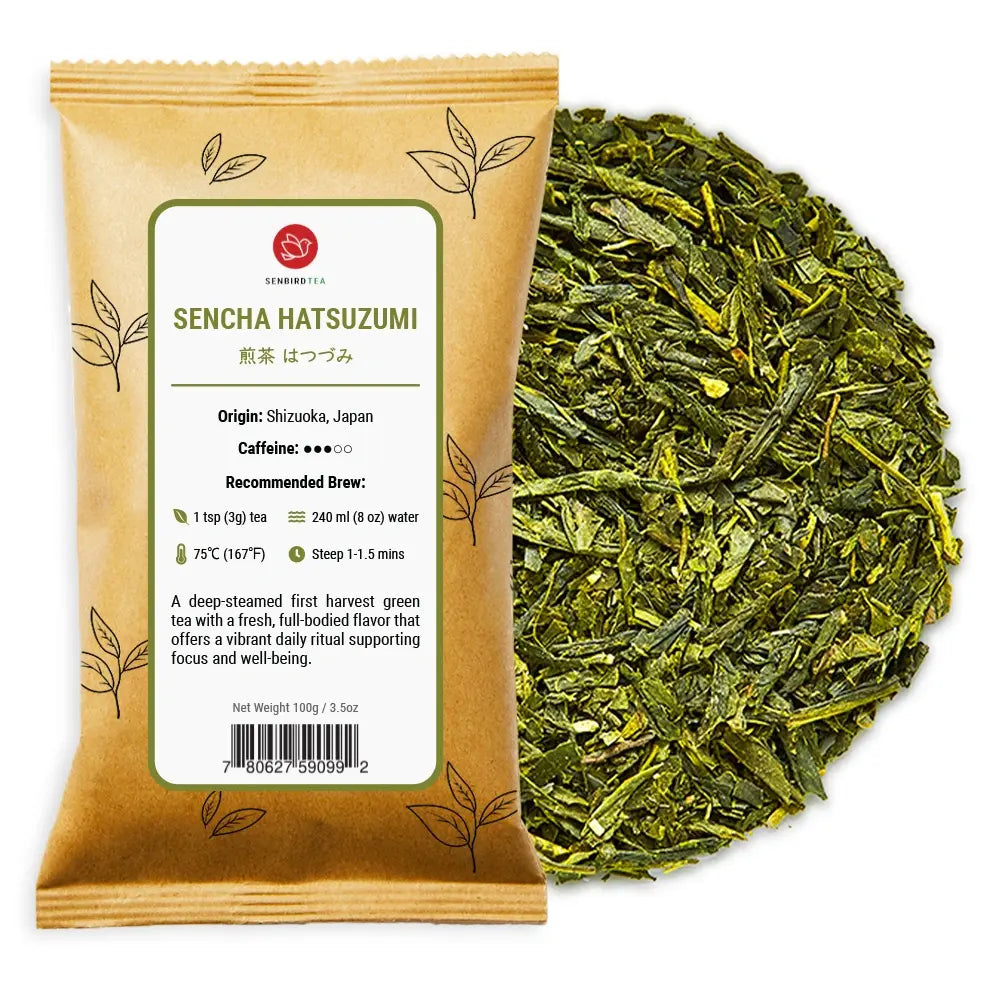
煎茶はつづみ
A deep-steamed first harvest green tea with a fresh, full-bodied flavor that offers a vibrant daily ritual supporting focus and well-being.