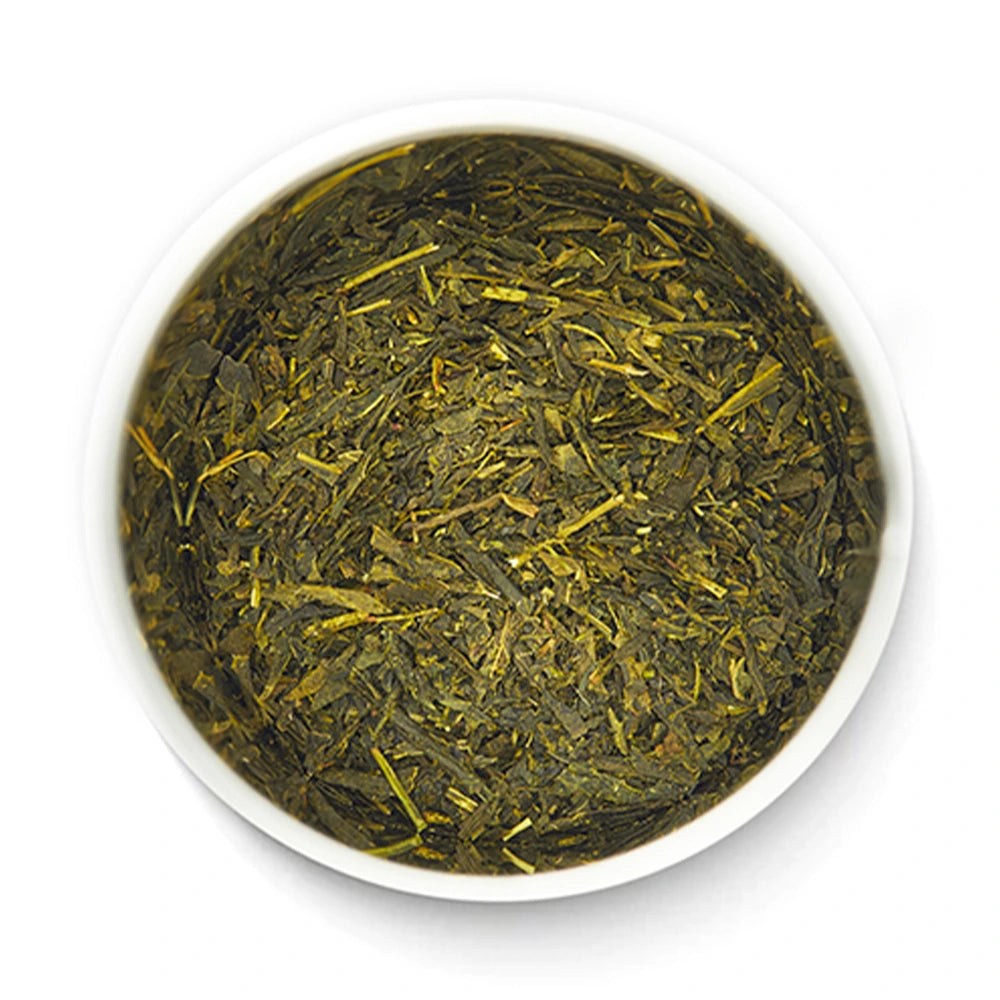
Shizuoka Prefecture, located between Tokyo and Osaka along Japan’s Pacific coast, produces approximately 40% of Japan’s total green tea output, making it the country’s largest tea-growing region. For green tea enthusiasts, Shizuoka offers an unmatched combination of iconic scenery—including views of Mount Fuji—historic shrines, hands-on tea picking experiences, and factory tours where you can witness Japanese green tea processing firsthand. Senbird Tea sources several of its Japanese teas from Shizuoka’s premier growing districts.

Shizuoka’s dominance in Japanese tea production dates back over 800 years. The region’s unique geography—mountain slopes with excellent drainage, volcanic soil rich in minerals from Mount Fuji, and a temperate maritime climate with warm days and cool nights—creates ideal conditions for growing sencha, gyokuro, and other Japanese green teas. The misty mornings that roll in from Suruga Bay naturally shade the tea plants, enhancing amino acid and L-theanine development. According to the Shizuoka Prefectural Government, the region has approximately 15,700 hectares of tea fields, producing over 30,000 tons of green tea annually.

Mount Fuji (3,776 meters), Japan’s tallest mountain and a UNESCO World Heritage Site since 2013, provides a dramatic backdrop to Shizuoka’s tea plantations. The iconic image of bright green tea rows stretching toward a snow-capped Fuji is one of the most photographed scenes in Japanese agriculture. However, cloud cover around Fuji is thick on most days, and clear visibility is best during winter months (December through February) and early morning hours.
The best Fuji viewing spots include the Nihondaira Plateau, an elevated area famous for panoramic views of both Fuji and Suruga Bay, and Miho Beach (Miho no Matsubara), a pine-lined stretch along Suruga Bay that has been celebrated in Japanese art for centuries. For tea lovers, some Shizuoka tea plantations in the Okabe and Fujieda districts offer views of Fuji directly over the tea fields. Explore our selection of matcha green tea to enhance your tea experience.

The Kunōzan Tōshōgu Shrine is a stunning collection of red and gold buildings dedicated to Tokugawa Ieyasu, the founder of the Tokugawa Shogunate that unified Japan and ruled for over 250 years. The shrine was completed in 1617 and is designated a National Treasure. Nearby, the Kunozan Toshogu Museum houses artifacts from the Tokugawa era, including swords, armor, and ceremonial objects. The shrine grounds are connected to Nihondaira Plateau by a scenic ropeway with sweeping views of the coast and tea fields below.

Several Shizuoka tea farms offer hands-on tea picking experiences, particularly during the first flush harvest (shincha season) in late April and May. During these experiences, visitors don traditional tea-picking attire, walk between rows of manicured tea bushes, and learn to identify and pick the young, tender leaves that produce the finest Japanese green tea. Many farms follow the picking session with a tea tasting where you can compare freshly processed leaves to aged varieties.
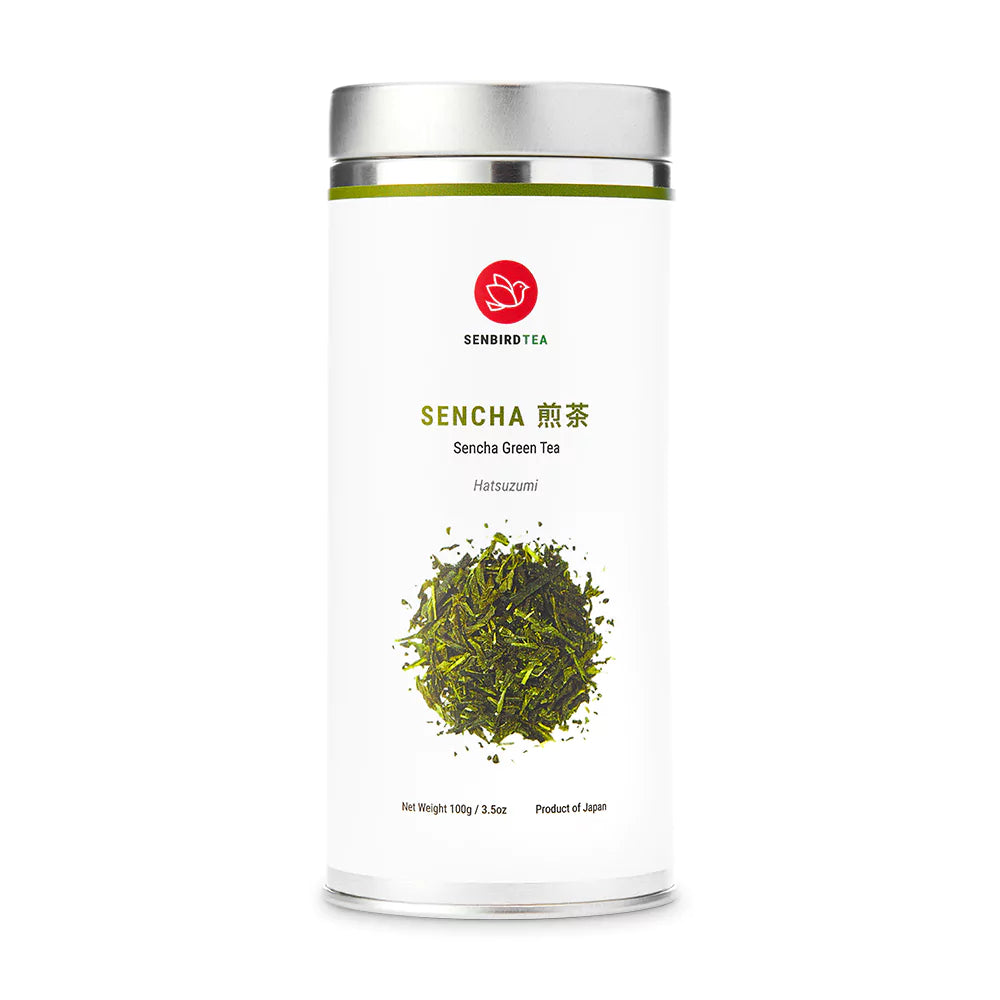
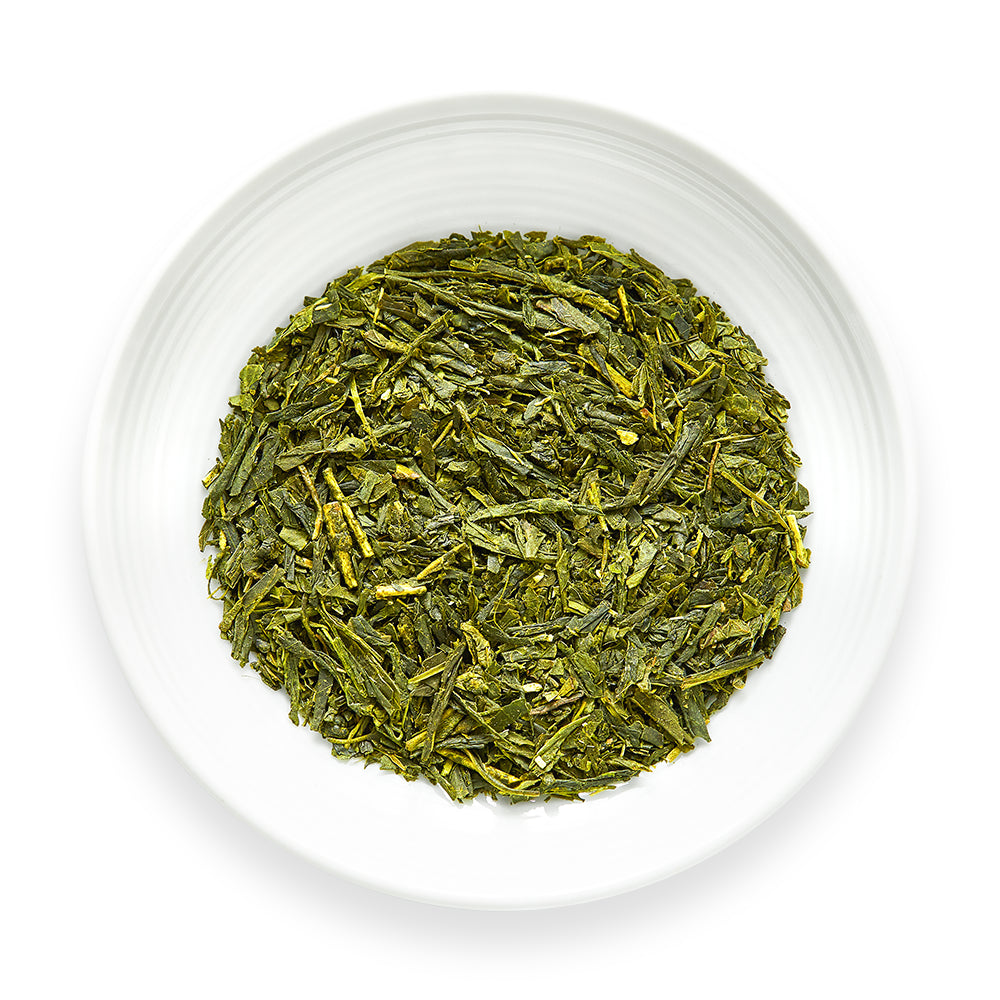
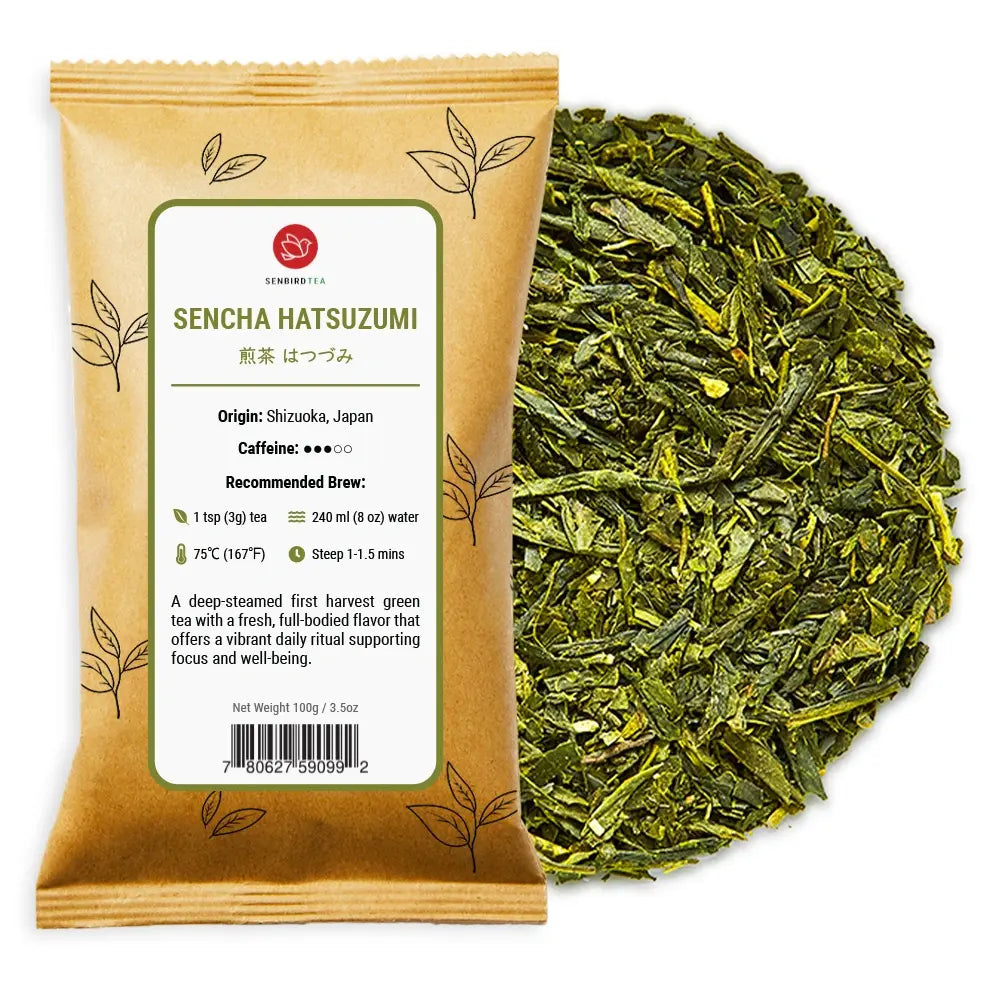
The Makinohara Plateau, Japan’s largest contiguous tea-growing area, is one of the most popular destinations for tea picking tours. Other notable areas include the Kawane district along the Oi River, known for producing award-winning Sencha Hatsuzumi in mountainous terrain, and the O-Buchi Sasaba tea plantation, one of the highest tea farms in Japan at 350 meters elevation. Senbird Tea maintains relationships with Shizuoka farmers who practice traditional cultivation methods and sustainable agriculture.

Shizuoka’s tea factories offer guided tours where visitors can observe the complete green tea production process: steaming, rolling, drying, and sorting. Understanding this process deepens your appreciation for why Japanese green teas taste different from Chinese green teas (which are typically pan-fired rather than steamed). Factory tours often include professional tea tastings where a tea master guides you through evaluating aroma, color, and flavor across different grades and varieties.
The World Tea Museum (O-Cha no Sato) in Shimada City is a dedicated museum covering the history of tea from its origins in China through its evolution in Japan and beyond. The museum includes a Japanese tea garden, a recreated Elizabethan-era English tea room, and tasting rooms where you can sample teas from Shizuoka’s different growing districts.

| Activity | Best Season | Duration | Best For |
|---|---|---|---|
| Mt Fuji viewing | Dec–Feb (clearest) | Half day | Photography, scenery |
| Kunozan Shrine | Year-round | 2–3 hours | History, architecture |
| Tea picking | Late April–May | 2–4 hours | Hands-on tea experience |
| Factory tour | May–Oct | 1–2 hours | Tea processing education |
| World Tea Museum | Year-round | 1–2 hours | Tea history, tastings |
Shizuoka is approximately 180 km southwest of Tokyo. The Tokaido Shinkansen (bullet train) reaches Shizuoka Station in about 1 hour from Tokyo Station. By car, the Tomei Expressway connects the two cities in approximately 2 hours depending on traffic. Many visitors combine a Shizuoka tea trip with a visit to Hakone or the Izu Peninsula.
Late April through early May is the premier season, coinciding with shincha (first flush) harvest. This is when the tea fields are their most vivid green and many farms offer picking experiences. For Mt Fuji viewing, winter months offer the clearest skies. Autumn (October–November) combines pleasant weather with fewer crowds.
Yes. Many tea farms and cooperatives in Shizuoka have on-site shops selling freshly processed tea, often at prices below retail. You can also find Shizuoka-grown teas year-round through Senbird Tea, which sources directly from the region’s top growers and delivers authentic Japanese green tea to customers worldwide.
Shizuoka is most famous for sencha, which accounts for the majority of its production. The region also produces gyokuro (shade-grown premium green tea), kabusecha (partially shaded), fukamushi sencha (deep-steamed), genmaicha, hojicha, and matcha. Each growing district within Shizuoka has its own terroir and signature flavor profile.
Yes. Senbird Tea partners with established Shizuoka tea farmers who practice traditional Japanese cultivation methods. Shizuoka’s volcanic soil, maritime climate, and centuries of tea-growing expertise produce some of the most balanced, flavorful sencha available anywhere in the world.
煎茶はつづみ
A deep-steamed first harvest green tea with a fresh, full-bodied flavor that offers a vibrant daily ritual supporting focus and well-being.