Kyoto is the spiritual home of Japanese tea culture, where centuries-old tea houses continue to serve matcha, sencha, and gyokuro using traditional methods refined over generations. Whether you are planning a trip or simply curious about authentic Japanese tea experiences, these three Kyoto tea houses represent the finest examples of the craft. At Senbird Tea, our direct relationships with Kyoto-region growers give us a firsthand understanding of the tea traditions these establishments preserve.

Camellia is one of Kyoto’s most welcoming tea experiences for international visitors. Located in the historic Higashiyama district, Camellia offers guided matcha preparation sessions where guests learn to whisk their own bowl of ceremonial-grade matcha using a chasen (bamboo whisk) and chawan (tea bowl). The experience demystifies the Japanese tea ceremony while maintaining respect for its formal roots.
What sets Camellia apart is its educational approach. Staff explain each step of the temae (ceremony procedure), from the placement of utensils to the significance of seasonal wagashi (Japanese sweets) served alongside the tea. First-time visitors consistently praise the approachable atmosphere that bridges cultural differences without diluting authenticity.

Saka Maruyama represents the pinnacle of single-origin Japanese tea service. This tea house specializes in premium gyokuro and sencha sourced from specific farms in the Uji region—the same growing area where Senbird Tea sources many of its teas. The owner personally selects each tea based on cultivar, harvest date, and processing method, creating a curated menu that changes seasonally.
The brewing at Saka Maruyama follows traditional Uji-cha preparation standards: low water temperatures (50–60°C for gyokuro), precise leaf-to-water ratios, and multiple infusions that reveal how a single tea evolves across steepings. Guests often describe the first sip of properly brewed gyokuro here as a revelation—intensely umami-rich with a natural sweetness that contradicts common Western perceptions of green tea as bitter.

Motoan offers a contemplative tea experience in a restored machiya (traditional Kyoto townhouse). The intimate setting seats only a handful of guests at a time, creating the atmosphere of a private tea ceremony rather than a commercial establishment. The house specializes in stone-ground matcha prepared using Urasenke-style techniques—one of Japan’s three main schools of tea ceremony.
What makes Motoan particularly special is the integration of architecture and tea. The machiya’s garden, sliding shoji screens, and tatami seating are not decorative choices but functional elements of the tea experience that control light, sound, and seasonal awareness. Visiting Motoan provides the closest approximation to the original spirit of chanoyu (the way of tea) as practiced by Sen no Rikyū in the 16th century.
| Tea House | Specialty | Best For | Location |
|---|---|---|---|
| Camellia | Matcha workshop | First-time visitors | Higashiyama |
| Saka Maruyama | Single-origin gyokuro | Tea connoisseurs | Central Kyoto |
| Motoan | Ceremony in machiya | Cultural immersion | Restored townhouse |
It depends on the venue. Camellia accepts walk-ins but recommends booking during peak tourist seasons (spring cherry blossom and autumn foliage). Saka Maruyama and Motoan typically require advance reservations, especially for groups. Checking each tea house’s website or contacting them directly before your visit ensures availability.
A tea house (kissaten or chashitsu) is a physical establishment where tea is served, while a tea ceremony (chanoyu) is a formal ritual with prescribed steps, utensils, and etiquette. Some tea houses like Motoan offer full ceremony experiences, while others like Camellia provide guided tastings that incorporate ceremony elements in a more relaxed format.
Absolutely. Camellia in particular is designed for visitors with no prior knowledge of Japanese tea culture. Staff guide you through every step and explain the cultural significance. No special clothing or etiquette knowledge is required—just an openness to the experience.
Most Kyoto tea houses serve matcha as their primary offering, since Kyoto’s Uji region is Japan’s most famous matcha-producing area. Premium venues like Saka Maruyama also serve gyokuro and high-grade sencha. Senbird Tea sources from many of the same Uji-region farms that supply these tea houses.
Start with high-quality ceremonial-grade matcha from Senbird Tea, a bamboo whisk (chasen), and a wide tea bowl (chawan). Sift 2 grams of matcha, add 70 ml of 80°C water, and whisk vigorously in a W-shaped motion until frothy. Pair with a simple Japanese sweet and focus on the sensory details—aroma, color, and taste—to bring mindfulness into the experience.
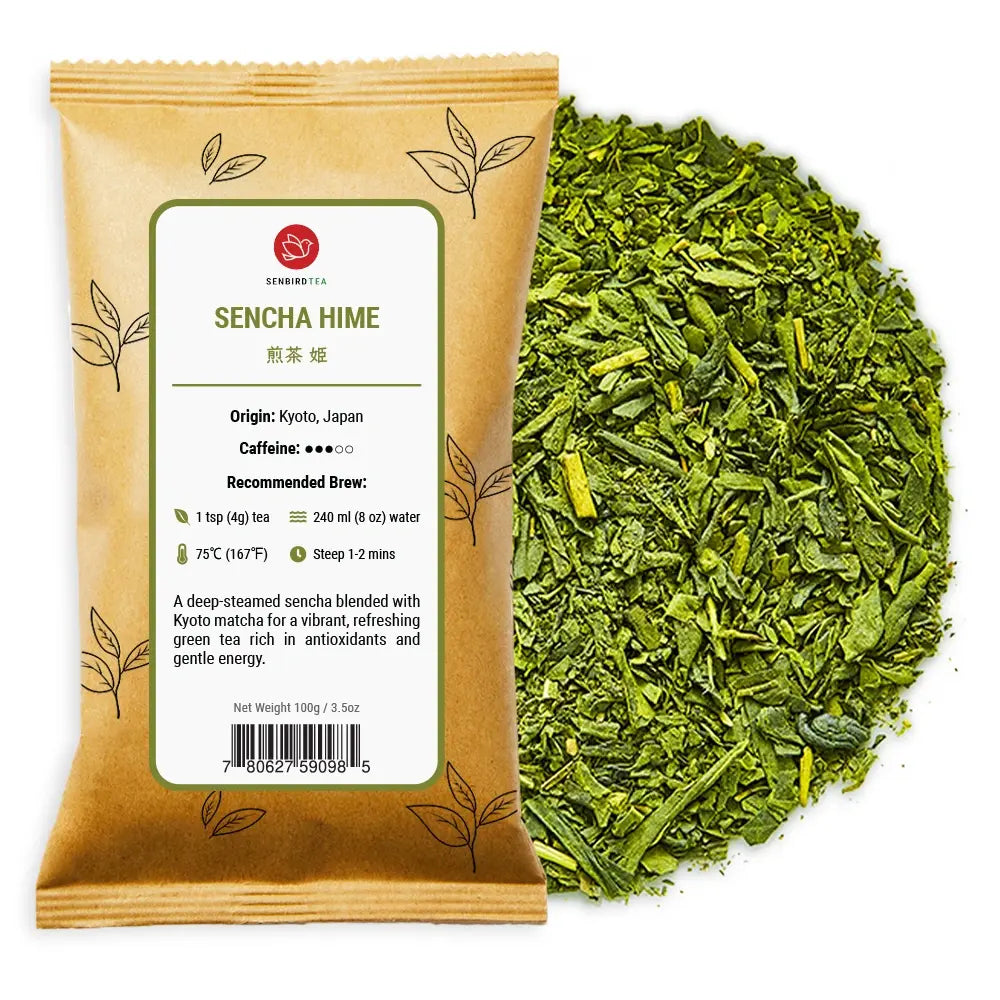
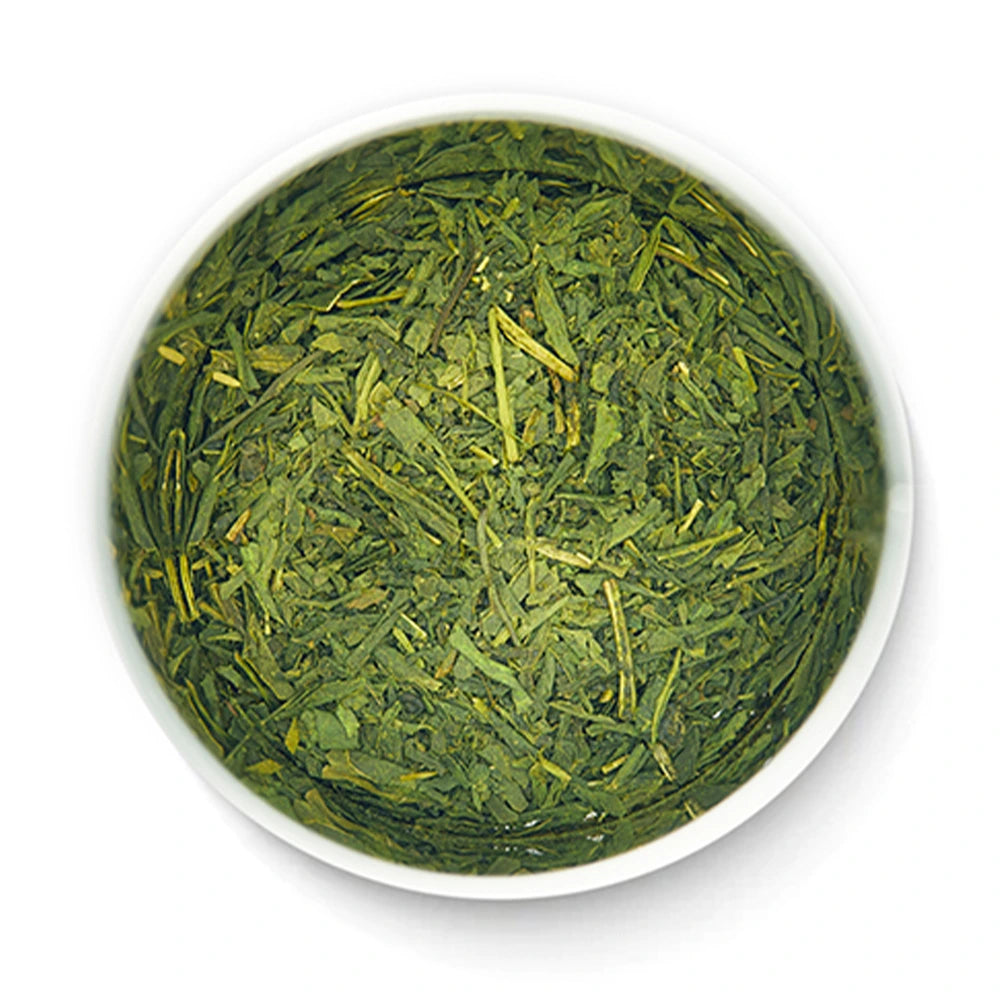
抹茶入り煎茶姫
A deep-steamed sencha blended with Kyoto matcha for a vibrant, refreshing green tea rich in antioxidants and gentle energy.