Tea mindfulness is the practice of using each step of the tea-brewing ritual — measuring leaves, heating water, watching the infusion unfold — as an anchor for present-moment awareness. At Senbird Tea, we believe that a single cup of Japanese green tea can become a powerful daily meditation when you approach it with intention rather than habit.

Mindfulness means paying attention to the present moment without judgment. Research published in the journal Psychosomatic Medicine shows that just eight weeks of regular mindfulness practice can reduce cortisol levels by up to 25 percent. You do not need a meditation cushion or a silent retreat — any repetitive, sensory activity works, and few activities engage as many senses simultaneously as brewing loose-leaf tea.
When you focus on the color of the liquor, the rising steam, the vegetal aroma, and the layered taste of a first infusion versus a second, you naturally shift from autopilot thinking to direct experience. That shift is the core of mindfulness.

Tea ceremonies have been practiced in Japan for more than 500 years, rooted in the Zen principle of ichigo ichie — "one time, one meeting." Every session with tea is unrepeatable, which trains you to stay present. Unlike guided-app meditations that rely on audio prompts, tea mindfulness gives you a physical object to anchor attention: the warmth of the cup in your hands, the weight of the tea leaves on the scoop, the timer counting down the steep.
Senbird Tea sources single-origin Japanese teas — sencha, gyokuro, hojicha, matcha — each with a distinct aroma profile that naturally draws you into the moment. Choosing a different tea each session keeps the practice fresh and your attention engaged.

Set your space. Clear the counter or table of distractions. Place only your teapot, cup, leaves, and a timer in front of you. This visual simplicity signals your brain that the next few minutes are intentional.
Measure with attention. Scoop your leaves slowly — about 4 grams per 200 ml of water. Notice the dry-leaf shape, color, and fragrance before they touch hot water.
Heat water consciously. Rather than boiling and walking away, watch the water as it heats. For Japanese green tea, Senbird Tea recommends 70–80 °C (158–176 °F). Pouring boiled water into a yuzamashi cooling pitcher is itself a meditative act — you are slowing down.
Steep and observe. Start the timer and watch the leaves unfurl. With a tea like Sencha Hatsuzumi, observe the liquor change from clear to pale jade green. Resist checking your phone. If your mind drifts, gently return focus to the color or the rising steam.
Pour with care. Tilt the teapot in a slow, steady stream. Listen to the sound of liquid filling the cup. In Japanese tea culture, the first pour is often divided across multiple cups to equalize strength — this extra step adds another moment of focus.
Inhale before you sip. Bring the cup close to your nose and breathe in through both nostrils. Try to identify individual notes — grass, seaweed, chestnut, or roasted grain depending on the tea. Naming aromas is a proven mindfulness technique because it engages the prefrontal cortex.
Taste deliberately. Take a small sip and let the tea rest on your tongue for two to three seconds before swallowing. Notice the initial flavor, the mid-palate sweetness, and the finish. With Senbird Tea's gyokuro, for example, the umami deepens across three successive steeps — each one a new moment to observe.
Sit with the aftertaste. After the last sip, set the cup down and close your eyes for 30 seconds. Notice how your body feels — warmer, calmer, more grounded. This closing pause bookends the practice and helps the calm carry into the rest of your day.

Consistency matters more than duration. Even five minutes of focused tea brewing each morning can rewire attention patterns over time. A 2023 study in Frontiers in Psychology found that brief daily mindfulness sessions (under ten minutes) produced measurable improvements in sustained attention within four weeks.
If you want a guided start, Senbird Tea's Meditate with Tea podcast walks you through belly breathing and mantra techniques while you brew. Pair it with a calming tea like hojicha for an evening wind-down, or energizing sencha for a morning reset.
| Practice | Time Needed | Sensory Engagement | Equipment | Best For |
|---|---|---|---|---|
| Tea Mindfulness | 5–10 min | All five senses | Teapot, cup, loose-leaf tea | Daily ritual, sensory grounding |
| Seated Meditation | 10–20 min | Breath focus only | Cushion (optional) | Deep concentration, stress relief |
| Walking Meditation | 15–30 min | Touch, sight | None | Movement-based calm, outdoors |
| Guided App Meditation | 5–15 min | Audio only | Phone, headphones | Beginners, structured sessions |
Tea mindfulness is the practice of using the tea-brewing ritual — measuring leaves, heating water, steeping, and sipping — as a focus point for present-moment awareness. Rather than rushing through the process, you pay deliberate attention to each sensory detail: the aroma of the dry leaves, the color of the liquor, and the warmth of the cup. It draws on centuries-old Japanese tea ceremony principles and modern mindfulness research.
Most people find that five to ten minutes is enough to complete a single steep and drink it mindfully. Research from Frontiers in Psychology shows that even brief daily sessions under ten minutes can improve sustained attention within four weeks. Start with one steep, then extend to multiple infusions as you build the habit.
Any loose-leaf tea works because the brewing process itself is the meditation. Sencha offers bright, grassy notes that sharpen focus. Gyokuro provides deep umami that rewards slow sipping. Hojicha has a warm, roasted aroma ideal for evening calm. Matcha involves whisking, which adds a kinesthetic element. Senbird Tea recommends rotating varieties to keep your attention engaged session to session.
No, but traditional Japanese teaware enhances the experience. A kyusu (side-handle teapot) with a built-in strainer makes pouring deliberate, and a yuzamashi (cooling pitcher) adds a mindful water-temperature step. Even a simple cup and infuser work — the key is giving the process your full attention rather than using the right equipment.
Absolutely. Tea mindfulness is one of the most accessible entry points to meditation because the physical steps — boiling, steeping, pouring, sipping — give your hands and senses something concrete to focus on. Unlike silent seated meditation, there is no void to fill with wandering thoughts. The tea itself guides you through the practice.
鉄瓶原
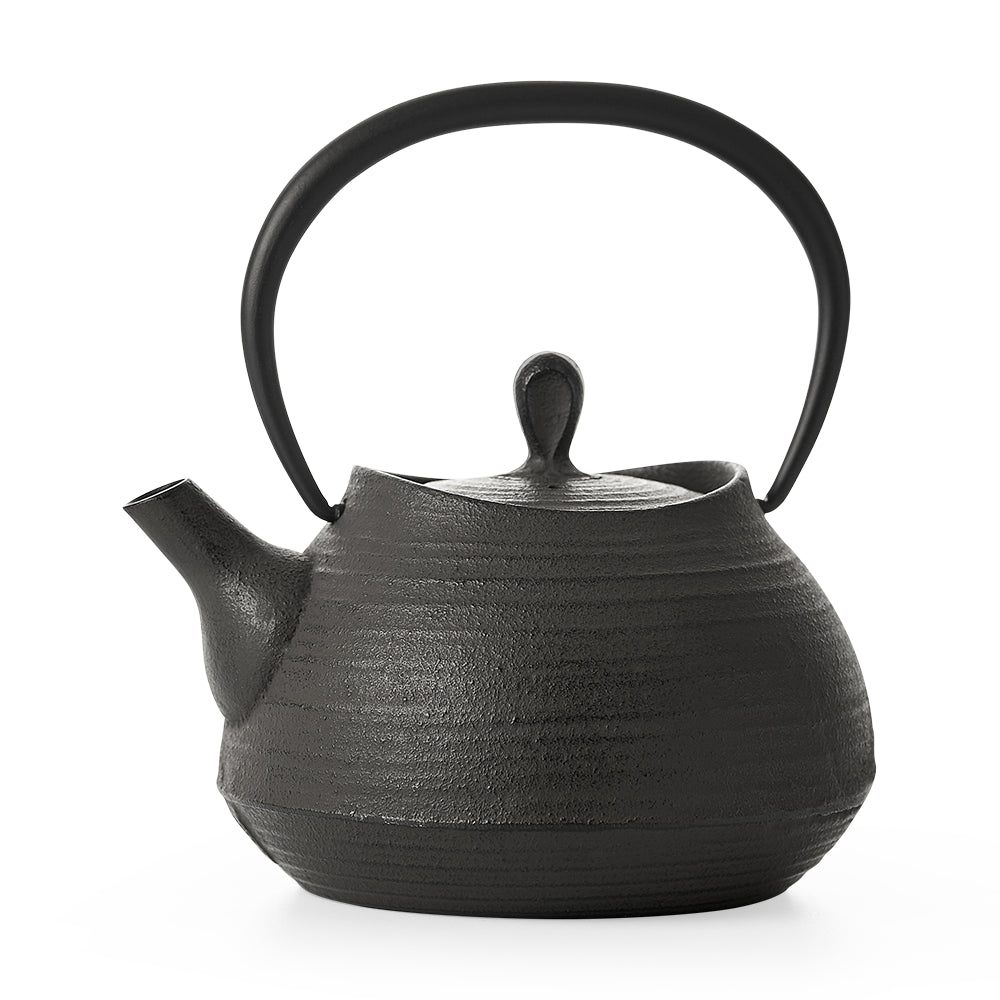
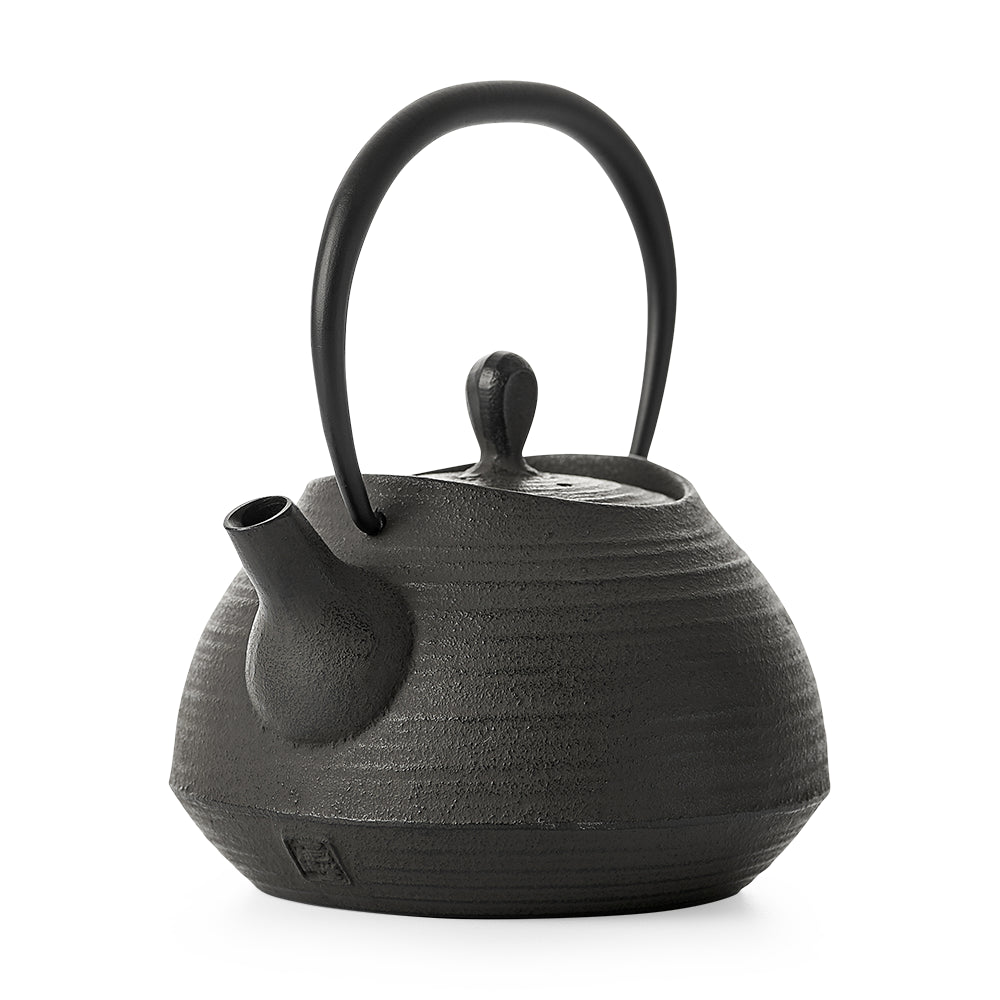
Enjoy deeper flavor and lasting heat with this handcrafted cast iron teapot, designed with a spillage-resistant lid, enamel interior, and foldable handle for timeless everyday use.