Drinking green tea on an empty stomach offers potential benefits including enhanced catechin absorption and improved metabolic activation, but it can also cause digestive discomfort in sensitive individuals due to tannins and caffeine stimulating gastric acid production. The key is understanding your body's tolerance and choosing the right Japanese tea type and brewing parameters to maximize benefits while minimizing side effects. At Senbird Tea, we recommend a balanced approach informed by both traditional Japanese tea wisdom and modern nutritional science to help you find the optimal timing for your daily tea practice.
The information provided in this article is for educational and informational purposes only and is not intended as medical advice. It should not be used as a substitute for professional medical advice, diagnosis, or treatment. Always consult your physician or other qualified healthcare provider with any questions you may have regarding a medical condition or before making any changes to your diet or wellness routine.

When you drink green tea without food, several physiological processes unfold differently than when you consume tea alongside a meal. The catechins — particularly EGCG (epigallocatechin gallate), the most abundant and bioactive polyphenol in Japanese green tea — are absorbed more rapidly and completely in the absence of food proteins and fiber that would otherwise bind to these compounds and reduce their bioavailability.
A study published in the European Journal of Clinical Nutrition (2015) found that green tea catechin absorption was approximately 50% higher when consumed on an empty stomach compared to with a meal. This increased absorption translates to higher plasma concentrations of EGCG and other catechins, potentially amplifying their antioxidant and metabolic effects. However, this same rapid absorption means the stomach lining is exposed to a more concentrated dose of tannins and caffeine, which explains why some people experience discomfort.
The caffeine in green tea (typically 30–50 mg per cup for sencha, 50–70 mg for gyokuro) also reaches the bloodstream faster without food to slow gastric emptying. This can produce a more pronounced alertness and energy boost — desirable for many people as a morning ritual — but can also trigger jitteriness or anxiety in caffeine-sensitive individuals. Japanese tea culture traditionally includes food alongside tea (the concept of "cha-uke" or tea-accompanying snacks), partially to moderate these effects.

Enhanced antioxidant absorption: As the research cited above indicates, catechin bioavailability increases significantly without food interference. For those drinking green tea specifically for its antioxidant and anti-inflammatory properties, empty-stomach consumption delivers more active compounds to the bloodstream. Senbird Tea's high-grade sencha and gyokuro, which contain the highest catechin concentrations among Japanese teas, show the most pronounced difference in absorption rates between fasted and fed states.
Improved metabolic activation: Green tea catechins and caffeine work synergistically to increase thermogenesis (calorie burning) and fat oxidation. A 2008 meta-analysis in the American Journal of Clinical Nutrition found that this effect was most pronounced when green tea was consumed in a fasted state, with participants showing a 10–16% increase in fat oxidation during moderate exercise after fasted green tea consumption compared to placebo.
Sharper mental clarity: The combination of caffeine and L-theanine in Japanese green tea produces a unique state of calm alertness. Without food competing for digestive resources, this cognitive effect can be experienced more quickly and intensely. A 2017 study in Nutritional Neuroscience found that the L-theanine-caffeine combination improved attention and task-switching accuracy within 30 minutes of consumption — effects that were slightly delayed when consumed with food.

Increased gastric acid production: Caffeine and tannins in green tea stimulate hydrochloric acid (HCl) secretion in the stomach. Without food to buffer this acid, some individuals experience nausea, stomach pain, or acid reflux. This effect is most pronounced with strongly brewed tea or high-catechin varieties. People with existing conditions like gastritis, GERD, or peptic ulcers should be particularly cautious about drinking any tea on an empty stomach.
Tannin-related irritation: Tea tannins (a subset of polyphenols) can irritate the stomach lining in concentrated doses. Green tea contains approximately 10–15% tannins by dry weight, and these compounds become more concentrated in longer-steeped or hotter-brewed preparations. The astringent, mouth-drying sensation you feel when drinking strong green tea is tannins binding to proteins — the same reaction occurs on your stomach lining, which can cause discomfort in sensitive individuals.
Iron absorption interference: Green tea polyphenols bind to non-heme iron (the form found in plant foods and supplements) and can reduce absorption by up to 64%, according to research published in the American Journal of Clinical Nutrition. While this is less of a concern on an empty stomach (since there's no food-sourced iron to interfere with), those who take iron supplements in the morning should separate their supplement from green tea consumption by at least one hour.

If you enjoy drinking Japanese green tea first thing in the morning or between meals, several strategies can help you capture the benefits while protecting your stomach. The choice of tea type and brewing method matters significantly.
| Strategy | Why It Helps | Recommended Tea from Senbird Tea |
|---|---|---|
| Choose lower-tannin teas | Reduces gastric acid stimulation and stomach lining irritation | Hojicha, Kukicha, or light-steamed Sencha |
| Brew at lower temperatures (60–70°C) | Extracts more L-theanine and fewer tannins | Gyokuro brewed at 50–60°C for smoothest result |
| Shorten steeping time (30–60 sec) | Limits tannin extraction while preserving amino acids | First steep of any premium Japanese green tea |
| Drink a glass of water first | Hydrates stomach lining and dilutes initial acid contact | Follow with any Japanese tea 10–15 minutes later |
| Start with a small cup (60–80 ml) | Tests tolerance before committing to a full serving | Gyokuro or Kabusecha in small yunomi cups |
| Pair with a light snack | Provides a small protein/fat buffer without full meal | Traditional Japanese wagashi or a few nuts |

The best time to drink green tea ultimately depends on your individual physiology, health goals, and caffeine sensitivity. Many Japanese tea practitioners begin their day with a gentle cup of hojicha or kukicha — lower in caffeine and tannins — before transitioning to sencha or gyokuro mid-morning when the stomach has had time to produce its natural protective mucus layer. This staged approach, practiced informally across Japan, reflects an intuitive understanding of the digestive considerations that modern science now confirms.
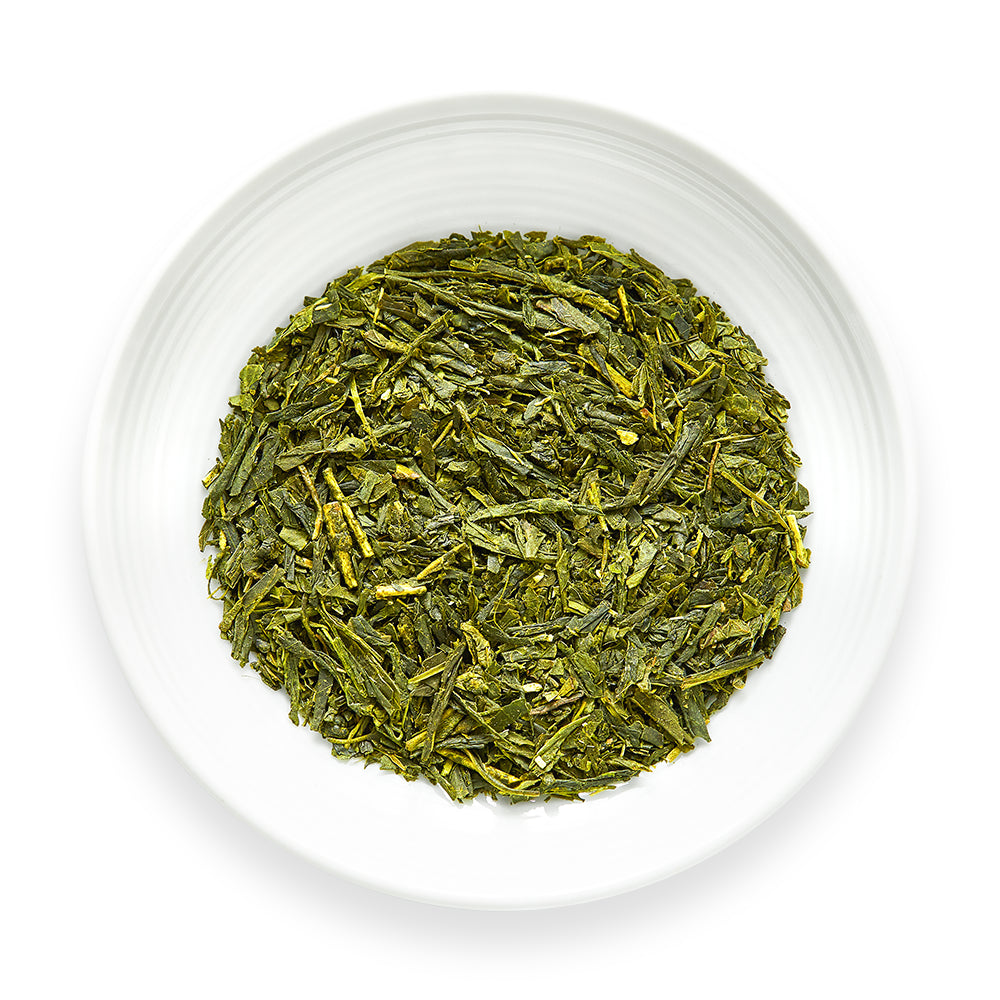
For those specifically seeking the metabolic and antioxidant benefits of fasted green tea consumption, Senbird Tea recommends starting with a small cup of lightly brewed Sencha Hatsuzumi (70°C, 45-second steep) after drinking a glass of water upon waking. Monitor your body's response over a week — if you experience any discomfort, simply shift your tea time to 30 minutes after a light breakfast without losing significant benefits. The most important thing is consistency: a daily green tea habit at any time provides cumulative health benefits that far outweigh the marginal differences between fasted and fed consumption.
For most healthy adults, drinking green tea on an empty stomach is safe and can offer enhanced catechin absorption and metabolic benefits. However, individuals with sensitive stomachs, gastritis, GERD, or peptic ulcers may experience nausea or discomfort due to increased gastric acid production. To minimize risk, choose lower-tannin teas like hojicha or kukicha, brew at lower temperatures (60–70°C), keep steeping times short, and drink a glass of water before your tea. If discomfort occurs, simply shift to drinking tea with or after meals.
The best time to drink green tea depends on your goals. For maximum antioxidant absorption, drinking on an empty stomach 30–60 minutes before meals is optimal. For mental clarity and focus, mid-morning (9–11 AM) aligns with natural cortisol dips and provides the most noticeable cognitive boost. For metabolism support, drinking before exercise enhances fat oxidation. Avoid green tea within 4–6 hours of bedtime due to caffeine content. Senbird Tea recommends sencha or gyokuro in the morning and hojicha in the evening for a balanced daily tea practice.
Research suggests that green tea consumed in a fasted state may modestly enhance fat oxidation and thermogenesis. A meta-analysis in the American Journal of Clinical Nutrition found that green tea catechins combined with caffeine increased fat oxidation by 10–16% during exercise when consumed in a fasted state. However, green tea is not a magic weight-loss solution — its effects are modest and work best as part of an overall healthy diet and exercise routine. The consistency of daily consumption matters more than whether the tea is consumed on an empty stomach or with food.
Yes, green tea can cause stomach pain in some people when consumed without food. The tannins and caffeine stimulate hydrochloric acid production, and without food to buffer this acid, the stomach lining can become irritated. Symptoms may include nausea, cramping, acid reflux, or a burning sensation. This is more likely with strongly brewed, high-temperature preparations. Switching to hojicha (roasted green tea with lower tannins), brewing at cooler temperatures, or having a small snack alongside your tea typically resolves the issue.
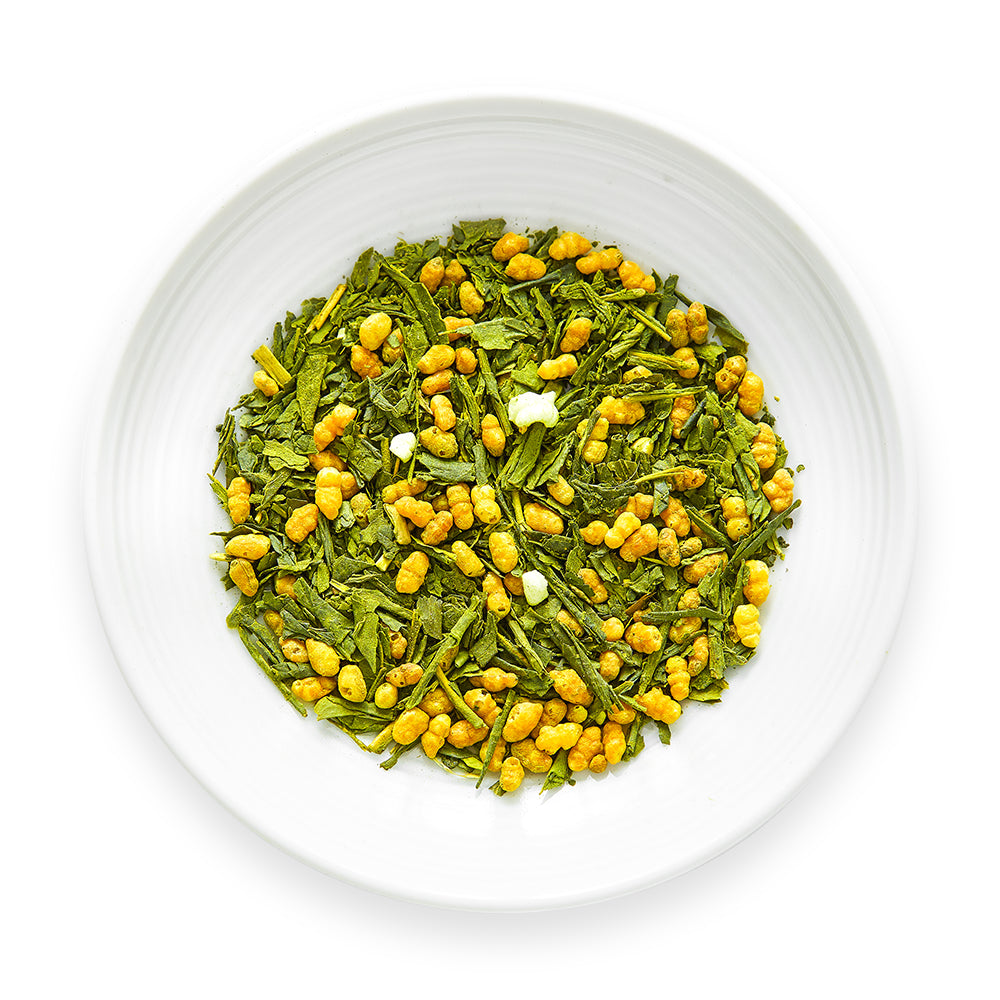
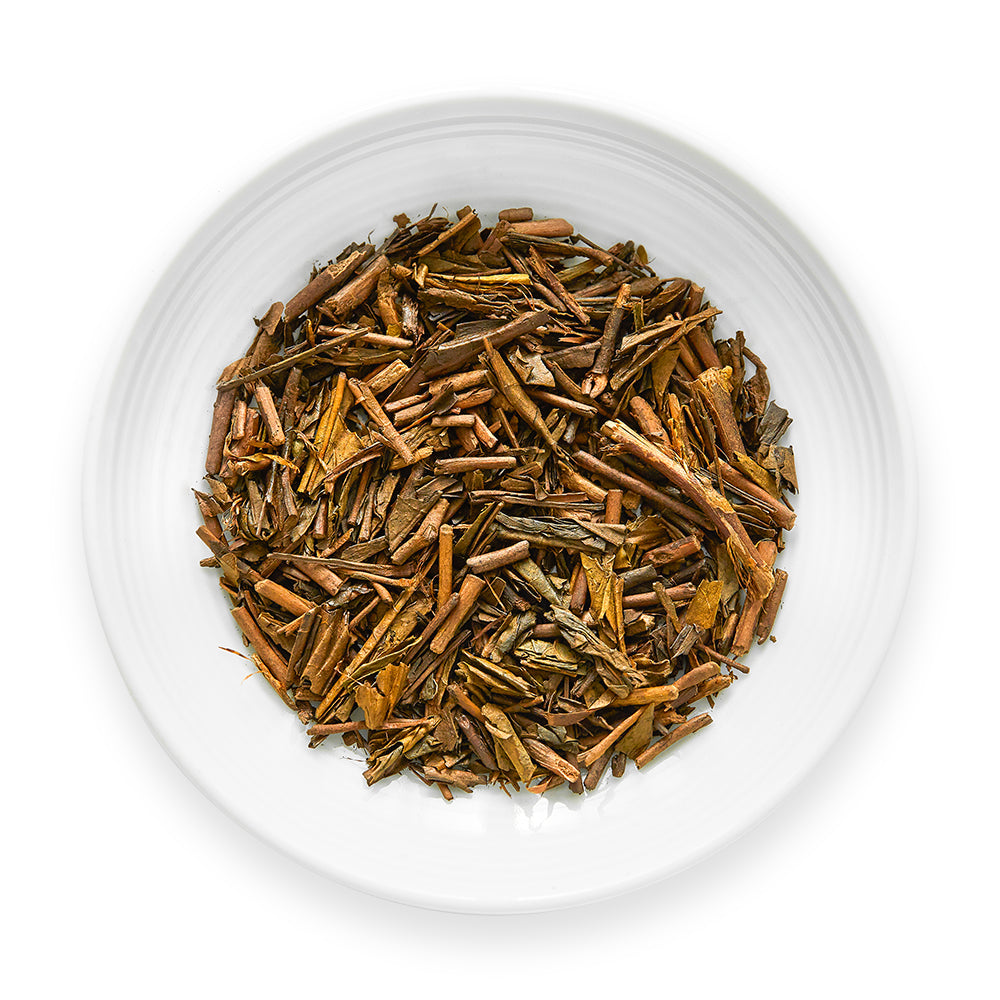
Hojicha is the gentlest Japanese tea for empty-stomach consumption. The roasting process reduces both caffeine (to approximately 10–20 mg per cup) and tannin content significantly compared to unroasted green teas. Kukicha (twig tea) is another gentle option, made from stems and stalks with naturally lower caffeine and tannin levels. Both teas from Senbird Tea provide a warm, soothing experience without the gastric stimulation associated with catechin-rich sencha or matcha. Genmaicha, with its roasted rice component, also provides a natural buffer that reduces stomach sensitivity.
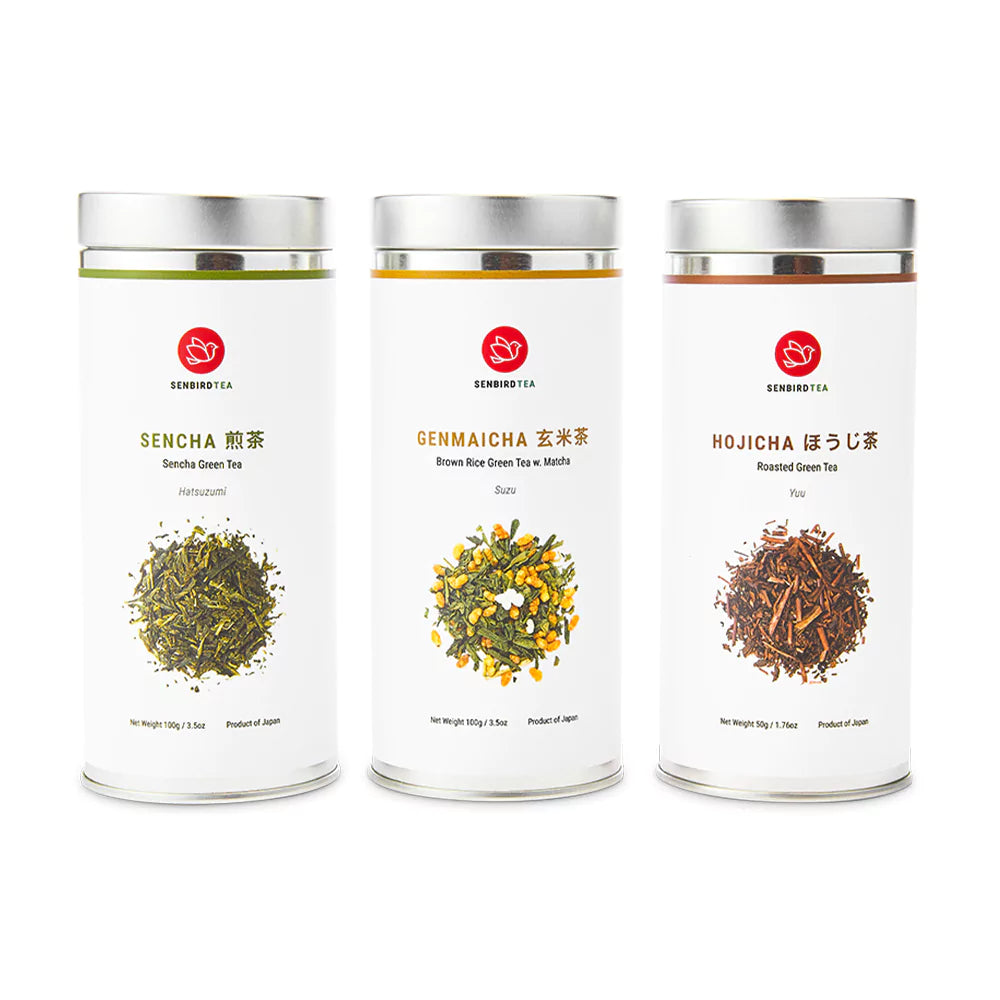
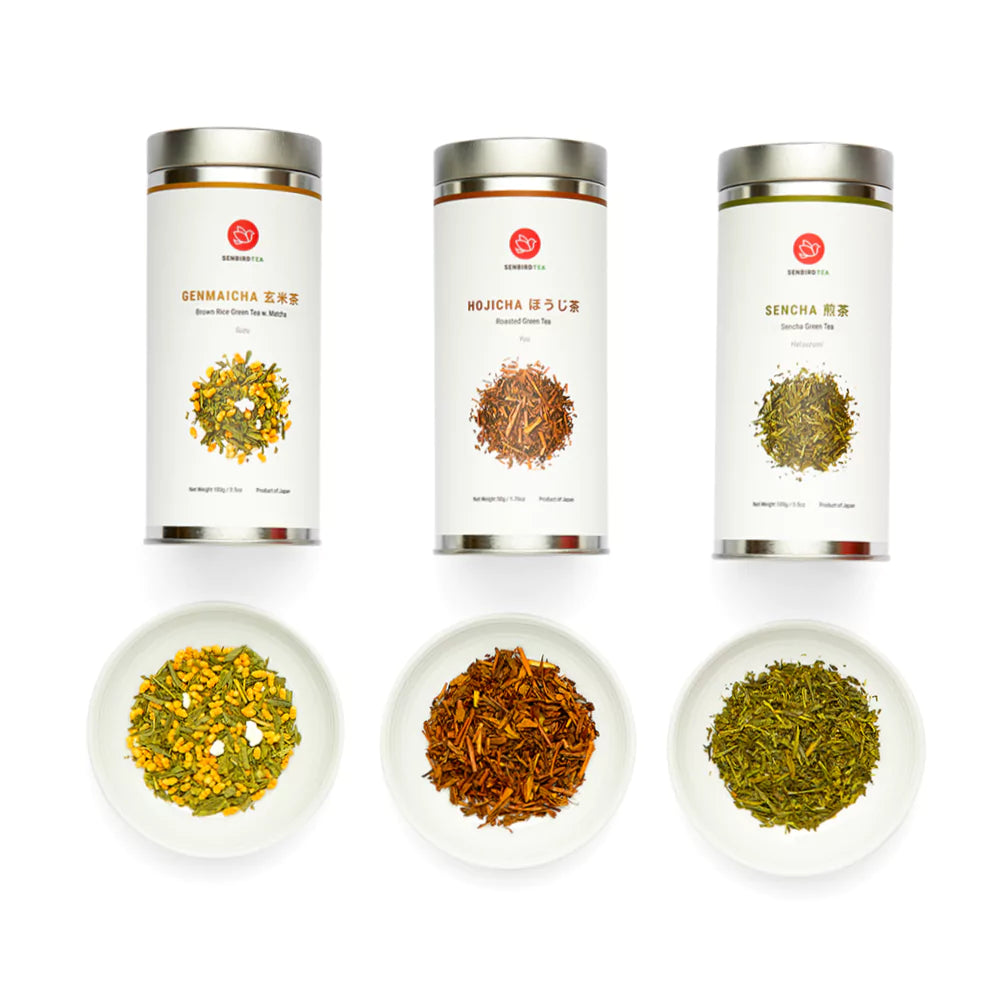
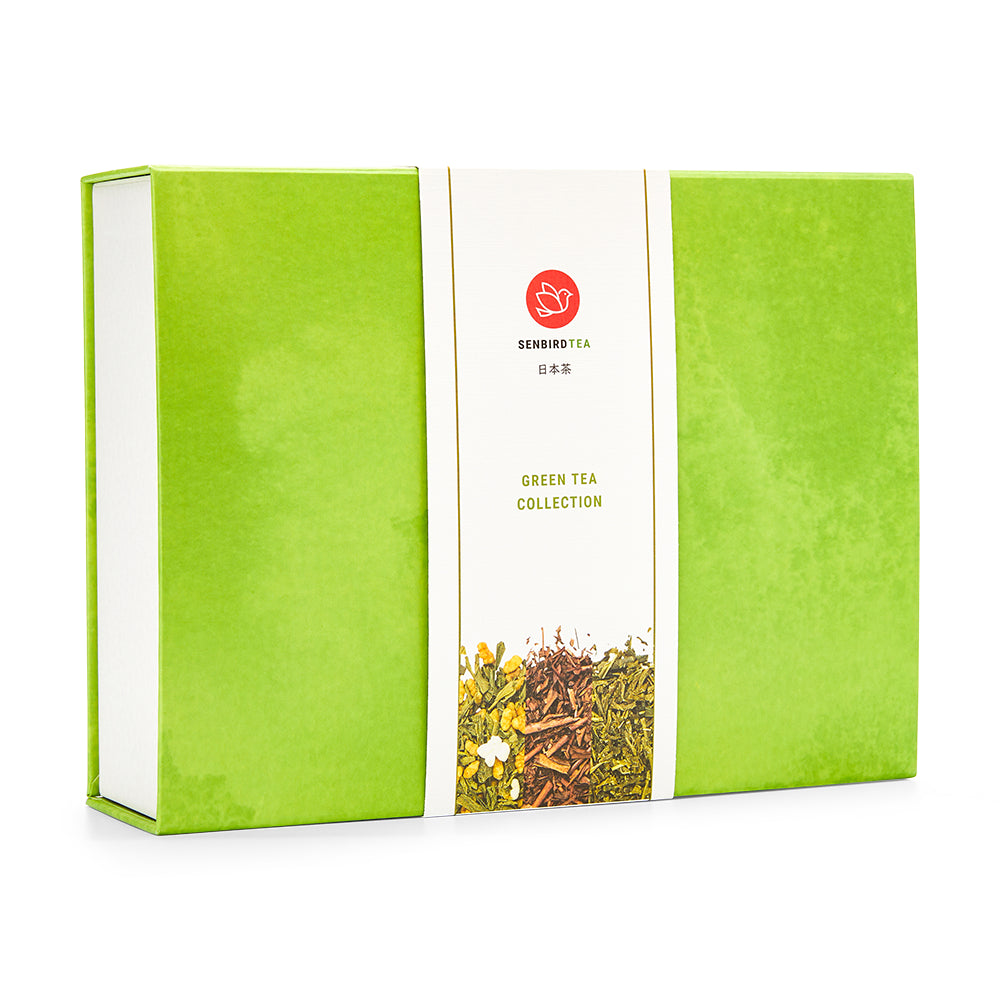
緑茶ギフトセット
A selection of best-selling Japanese green teas, perfect for tea lovers looking to explore the flavor and tradition of authentic Japanese tea.