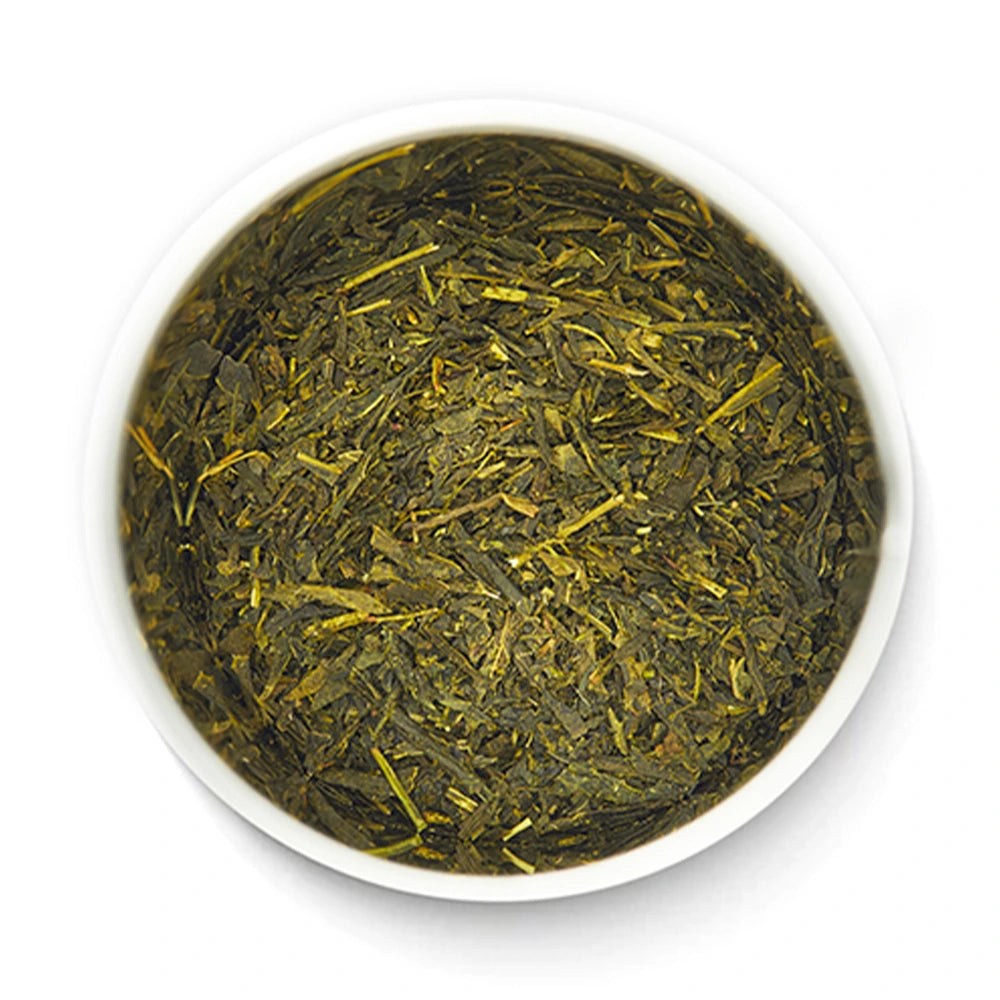
Sencha green tea is one of the most nutrient-dense beverages available, packed with catechin antioxidants, L-theanine, vitamins C and E, and trace minerals that support cardiovascular health, cognitive function, and immune defense. As Japan's most widely consumed tea—accounting for nearly 80% of production—sencha has been studied extensively, with peer-reviewed research consistently linking regular consumption to measurable health improvements. Senbird Tea's premium sencha is sourced from Shizuoka and Kagoshima, where optimal growing conditions maximize the leaf's beneficial compound concentrations.
The information provided in this article is for educational and informational purposes only and is not intended as medical advice. It should not be used as a substitute for professional medical advice, diagnosis, or treatment. Always consult your physician or other qualified healthcare provider with any questions you may have regarding a medical condition or before making any changes to your diet or wellness routine.

Catechins are a family of polyphenol antioxidants that give green tea its health-promoting reputation. Sencha is particularly rich in epigallocatechin gallate (EGCG), the most biologically active catechin. A meta-analysis published in the European Journal of Clinical Nutrition found that EGCG exhibits anti-inflammatory, anti-carcinogenic, and cardioprotective properties at concentrations naturally present in 2–3 cups of green tea daily.
What makes sencha especially effective is its processing. Japanese sencha is steamed immediately after harvest, which preserves catechin levels far better than the pan-firing method used for most Chinese green teas. A study in the Journal of Food Science showed that steamed green teas retained 20–30% more EGCG than pan-fired equivalents. This means that Senbird Tea's steamed sencha delivers a higher antioxidant payload per cup than most other green tea styles.

L-theanine is an amino acid almost exclusively found in tea plants. It promotes alpha brain wave activity—the same mental state associated with focused meditation—without causing drowsiness. A 2019 study in Nutrients demonstrated that L-theanine supplementation reduced stress-related symptoms and improved cognitive function in healthy adults under mental load.
Sencha green tea contains approximately 6–10 mg of L-theanine per gram of dry leaf, depending on growing conditions and harvest timing. When combined with sencha's moderate caffeine content (30–50 mg per cup), L-theanine creates a state of alert relaxation that many Senbird Tea customers describe as "focused calm"—productive energy without jitteriness or the crash associated with coffee.

Beyond catechins and L-theanine, sencha contains meaningful amounts of vitamin C (which supports immune function and collagen production), vitamin E (a fat-soluble antioxidant), beta-carotene (a precursor to vitamin A), and fluoride (which supports dental health). The combination of these micronutrients creates a comprehensive daily wellness beverage that addresses multiple body systems simultaneously.
Sencha's fluoride and catechin content also provides notable dental health benefits. A study in the Journal of Periodontology found that regular green tea consumption was associated with improved periodontal health and reduced rates of tooth loss. The catechins inhibit Streptococcus mutans—the primary bacteria responsible for tooth decay—while fluoride strengthens tooth enamel.

The health benefits of sencha are directly tied to how the tea is processed. Japanese sencha undergoes steaming within hours of harvest, which deactivates the enzymes that cause oxidation and locks in the fresh leaf's full catechin and vitamin content. The two main steaming styles—asamushi (light, 30–40 seconds) and fukamushi (deep, 60–90 seconds)—both preserve these compounds effectively, though fukamushi breaks down the leaf further, allowing more nutrients to infuse into the water during brewing.
Senbird Tea offers both asamushi and fukamushi sencha from Japanese farms that harvest at optimal timing to maximize catechin and L-theanine ratios. First-harvest (shincha) teas picked in spring have the highest L-theanine content, while later harvests have higher catechin concentrations—each offering a different balance of health benefits and flavor characteristics.
| Compound | Sencha | Matcha | Hojicha |
|---|---|---|---|
| EGCG catechins | High | Very high (whole leaf) | Lower (heat reduces) |
| L-Theanine | Moderate | Very high (shade-grown) | Moderate |
| Caffeine | 30–50 mg | 60–70 mg | 15–25 mg |
| Vitamin C | High | Moderate | Lower (heat degrades) |
The comparison above highlights how steaming preserves more health-promoting compounds than roasting. While hojicha offers its own appeal as a low-caffeine option, sencha's minimal processing retains the highest catechin and vitamin C levels among everyday Japanese teas.
Most research showing health benefits uses 2–5 cups of green tea daily. This range provides approximately 200–500 mg of catechins and 100–250 mg of caffeine—both within levels considered safe and beneficial for most adults. Start with 2–3 cups and adjust based on your caffeine tolerance.
Both are exceptionally healthy but in different ways. Matcha delivers higher concentrations of EGCG and L-theanine per serving because you consume the whole leaf. Sencha provides more vitamin C (which degrades during matcha's stone-grinding process) and is easier to drink in larger daily quantities due to its lower caffeine per cup. Senbird Tea recommends incorporating both into your routine.
Yes. Higher water temperatures extract more catechins but also more tannins (which cause bitterness). Brewing sencha at 70–80°C provides the optimal balance of health-promoting compounds and pleasant flavor. Boiling water extracts maximum catechins but at the cost of taste—most people find this trade-off not worthwhile for daily drinking.
Research suggests that the catechins and caffeine in green tea can modestly increase metabolic rate and fat oxidation. A meta-analysis in the International Journal of Obesity found that green tea extract increased energy expenditure by approximately 4–5%. While not a substitute for diet and exercise, drinking Senbird Tea sencha regularly may provide a small metabolic advantage as part of an overall healthy lifestyle.
Moderate green tea consumption (1–2 cups daily) is generally considered safe during pregnancy, but the caffeine content (30–50 mg per cup) should be factored into your total daily caffeine limit of 200 mg recommended by most medical guidelines. Pregnant women should consult their healthcare provider about their individual caffeine tolerance and intake from all sources.
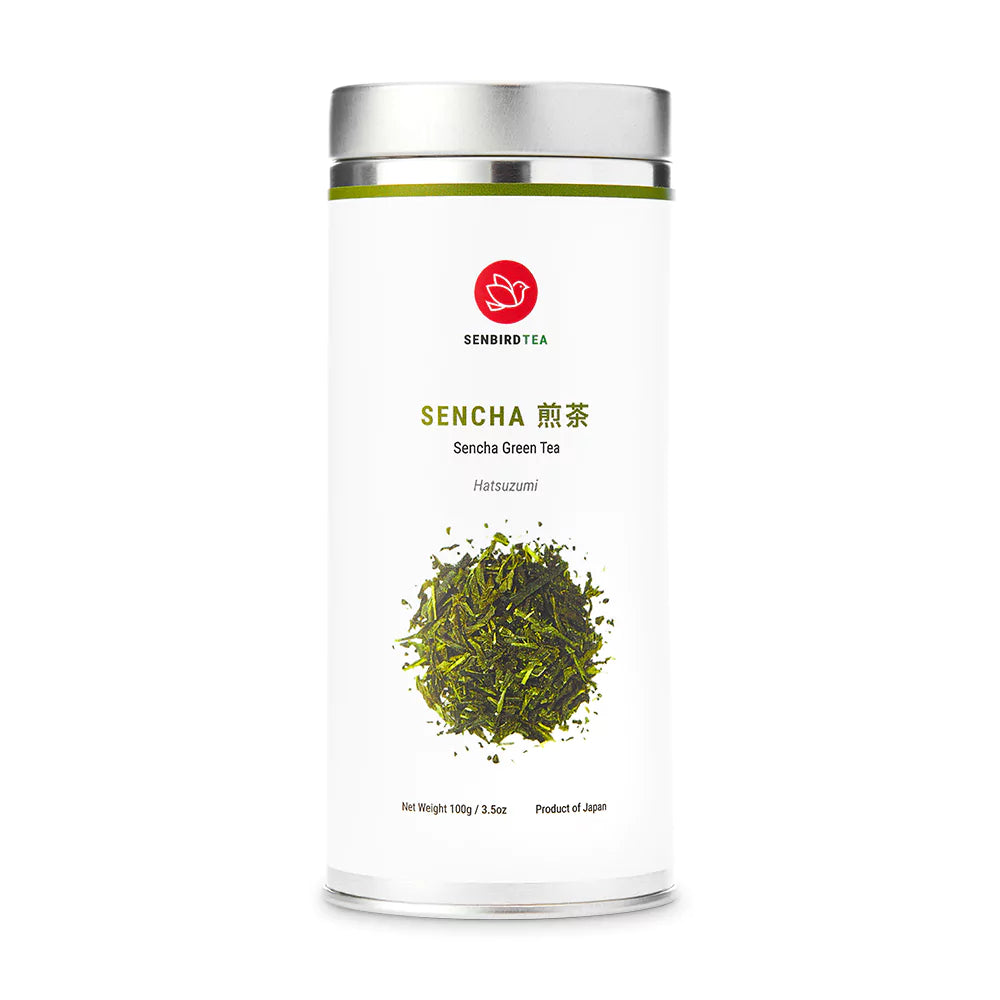
煎茶はつづみ
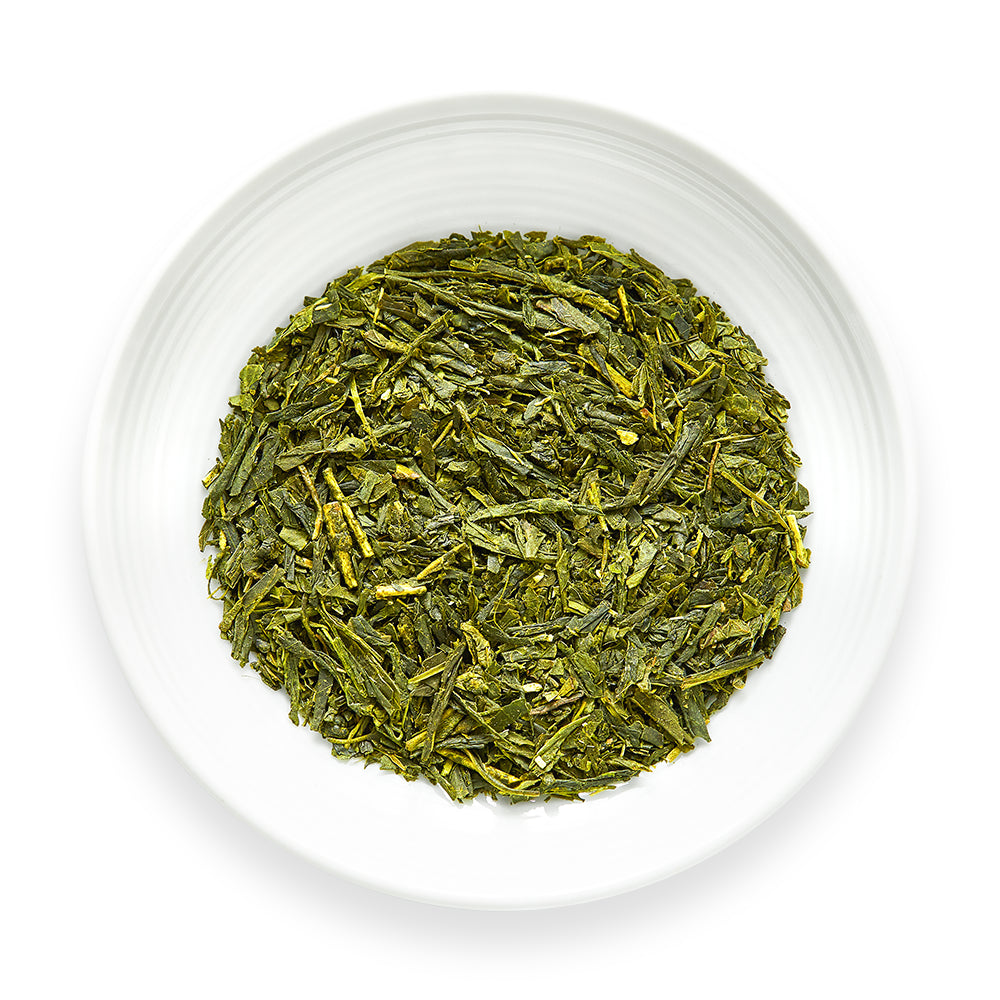
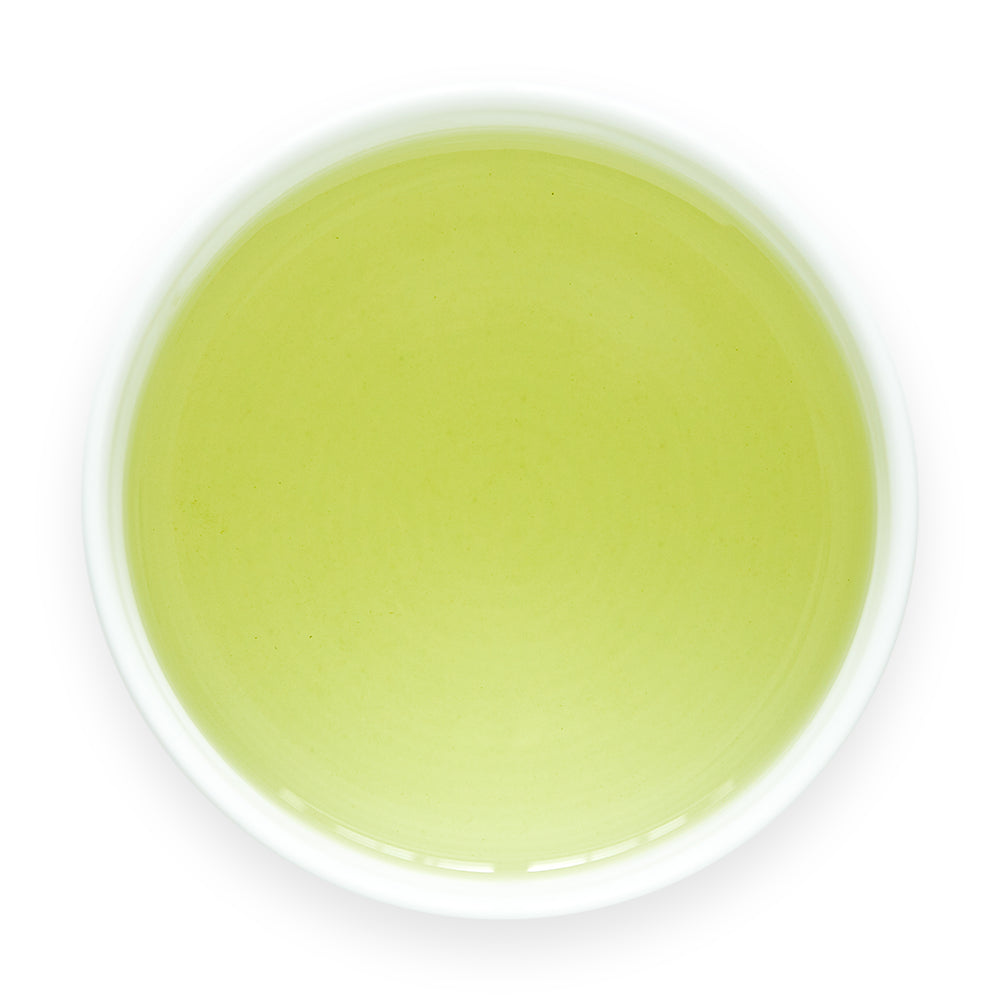
A deep-steamed first harvest green tea with a fresh, full-bodied flavor that offers a vibrant daily ritual supporting focus and well-being.