Matcha has captivated the world with its vibrant color, calming rituals, and powerful health benefits. But what truly sets matcha apart from other green teas is its incredible nutritional value. If you’ve ever wondered about the nutrition facts of matcha, this comprehensive guide will explore what makes this Japanese green tea a superfood.
The information provided in this article is for educational and informational purposes only and is not intended as medical advice. It should not be used as a substitute for professional medical advice, diagnosis, or treatment. Always consult your physician or other qualified healthcare provider with any questions you may have regarding a medical condition or before making any changes to your diet or wellness routine.

Matcha is a powdered Japanese green tea made from Tencha leaves, which are grown under shade, steamed, dried, and stone-milled into a fine, bright green powder. Unlike steeped teas, where you discard the leaves, with matcha, you consume the whole leaf, unlocking a full spectrum of nutrients.

Let’s start by looking at matcha’s nutritional content compared to sencha and black tea.
As shown, matcha significantly outperforms other teas in nearly every nutritional category.

Because you're consuming the entire leaf, matcha green tea powder delivers higher levels of antioxidants, fiber, and vitamins compared to steeped teas. Here's what makes matcha nutritionally unique:
Matcha contains about 10g of catechins per 100g, specifically EGCG (epigallocatechin gallate), known for its anti-cancer and anti-inflammatory properties.
One of the lesser-known nutrition facts of matcha is its fiber content. With 38.5g of dietary fiber per 100g, matcha can aid digestion and regulate blood sugar levels.
Matcha offers significant amounts of calcium, potassium, magnesium, phosphorus, and iron—all crucial for muscle function, bone health, and oxygen transport.
Matcha contains about 3.2g of caffeine per 100g. While that sounds high, matcha also provides L-theanine, an amino acid that promotes calm and clarity. The combination results in sustained, balanced energy without the jitters.

Thanks to these nutrients, matcha supports a variety of health benefits:

The nutritional potency of matcha is not just about the leaf, it’s about how it’s grown and processed.
By shading the plants weeks before harvest, the chlorophyll and amino acids (like L-theanine) increase, producing matcha’s rich green color and umami flavor.
Unlike other green teas that are machine-ground, matcha is slowly ground using granite mills. This method preserves nutrients while producing ultra-fine powder that’s easier to absorb.
Top-grade matcha uses only the first flush, handpicked leaves for the richest flavor and highest nutrients. Lesser grades, often machine-picked or from a second flush, may have lower nutritional value.

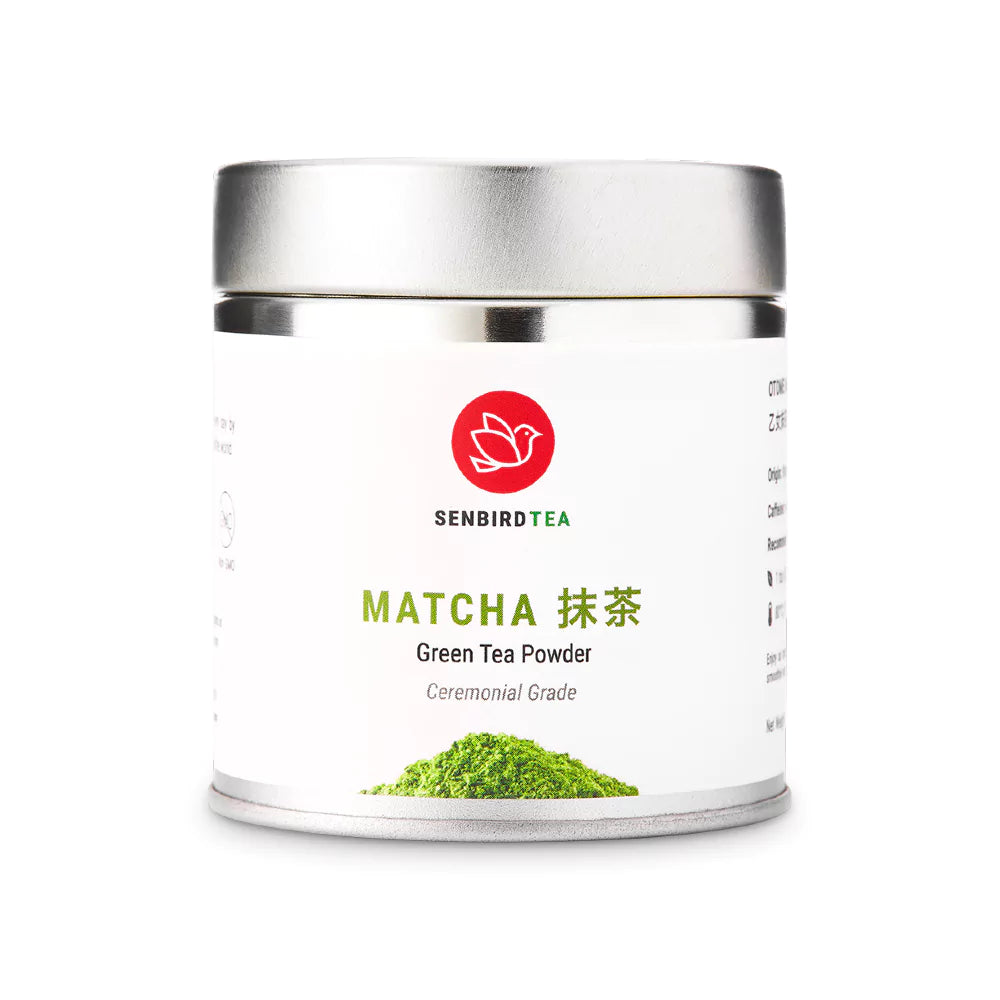
While all matcha offers benefits, ceremonial-grade matcha contains the most nutrients and is best enjoyed straight, whisked with hot water.

To get the most out of your matcha:
You can also incorporate it into smoothies, oatmeal, or even savory dishes.

Matcha is more than a drink, it’s a vibrant expression of whole-leaf nutrition and centuries of tradition. From its rich concentration of antioxidants to its gentle energy and focus-enhancing properties, matcha invites you into a mindful ritual that supports both body and spirit. For those drawn to the essence of Japanese tea culture, matcha offers a simple yet powerful way to nourish wellness with every cup. For cafés and restaurants looking to serve matcha, Senbird Tea offers wholesale Japanese tea with flexible ordering.
抹茶セット
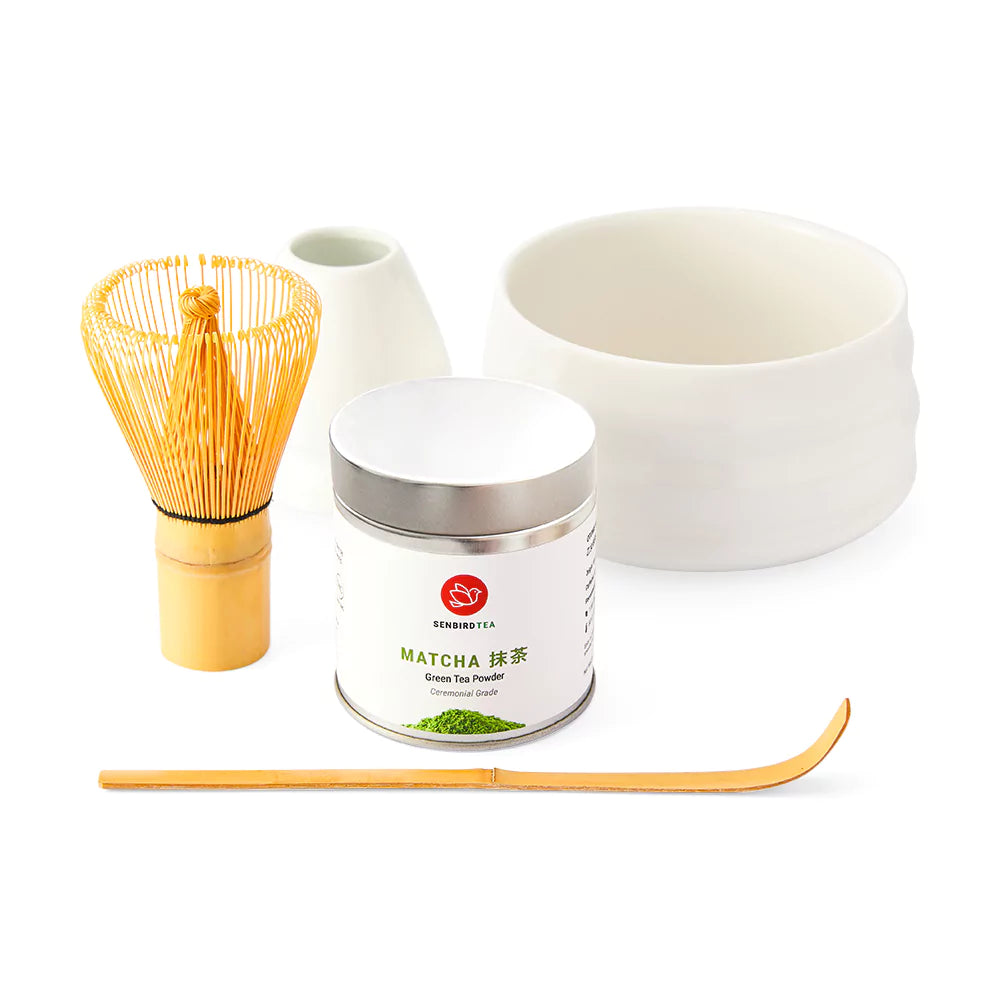
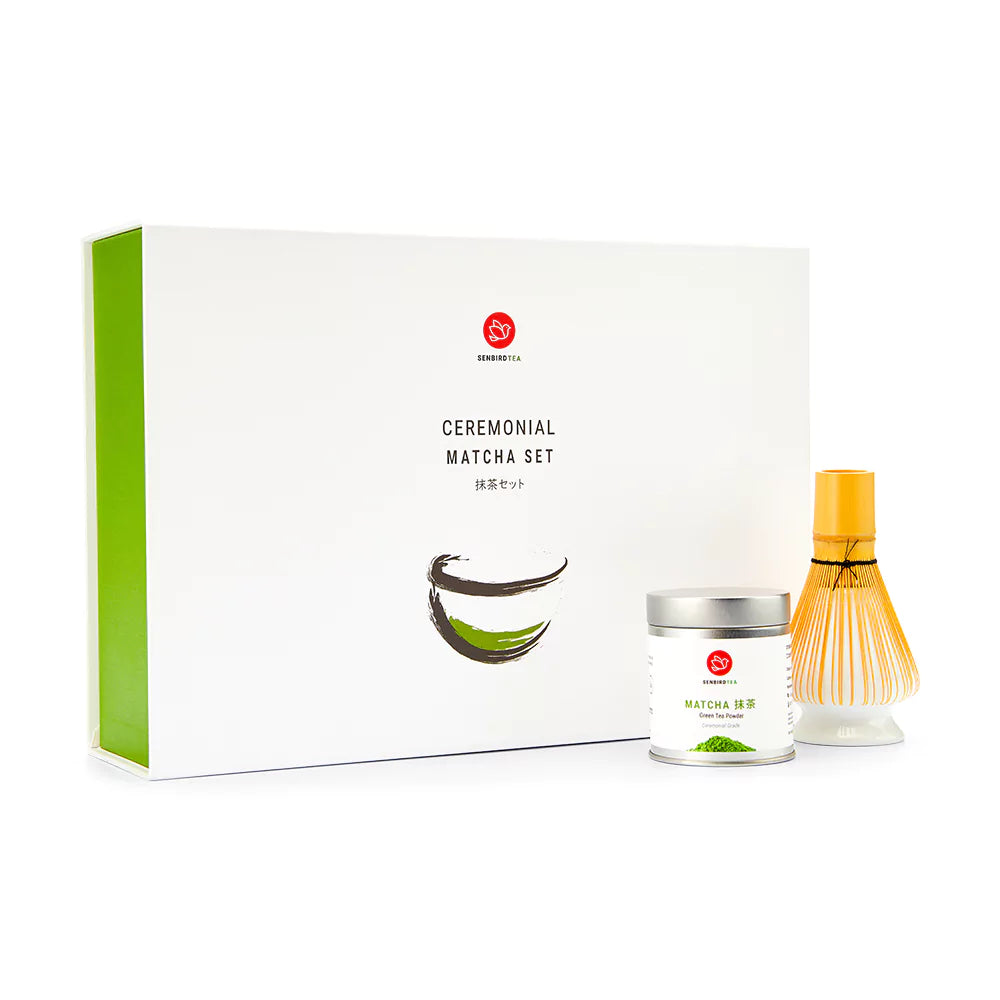
A ceremonial matcha set inspired by the Japanese tea ceremony, featuring six essential tools for a mindful matcha experience at home.