Japanese matcha green tea powder is made through a meticulous multi-step process that begins with shading tea plants for 20–30 days before harvest, followed by careful hand-picking of the youngest leaves, immediate steaming to halt oxidation, removal of stems and veins during sorting, and finally stone-grinding the remaining leaf material (called tencha) into an ultra-fine powder at approximately 40 grams per hour. This centuries-old production method, refined in the Uji region of Kyoto since the 12th century, is what gives matcha its distinctive vibrant green color, rich umami flavor, and exceptional nutritional density. Senbird Tea sources its matcha from traditional Japanese tea farms that follow these time-honored techniques to produce the highest quality matcha available.

The production of matcha begins 20–30 days before harvest when tea farmers cover their tea plants with specialized shading structures that block approximately 85–90% of direct sunlight. This critical step, known as kabuse or ooishita cultivation, fundamentally alters the biochemistry of the tea leaves. When deprived of sunlight, the tea plant increases chlorophyll production by up to 60% to maximize photosynthesis under low-light conditions, which is responsible for matcha's characteristically deep, vibrant green color.
The shading process also triggers a dramatic increase in L-theanine, an amino acid that produces matcha's signature umami sweetness and provides calming cognitive benefits. Under normal sunlight, L-theanine in tea leaves converts to catechins (which taste bitter and astringent), but shading slows this conversion substantially. Research published in the Journal of Agricultural and Food Chemistry shows that shaded tea leaves contain 2–5 times more L-theanine than unshaded leaves. Traditional shading uses a framework of bamboo poles draped with layers of rice straw (tana style) or reed screens, though some modern farms use synthetic shade cloth. Senbird Tea prioritizes matcha produced with traditional tana-style shading, which tea experts consider superior for developing complex flavor profiles.

Matcha harvest, known as ichibancha (first flush), occurs once per year during late April to mid-May in most Japanese tea regions. Only the youngest, most tender leaves at the top of the tea bush are selected — typically the top two leaves and the bud from each new shoot. These young leaves have the highest concentration of nutrients, the most delicate texture, and the sweetest flavor. Premium ceremonial grade matcha uses exclusively first-flush spring leaves, while lower-grade culinary matcha may incorporate leaves from later harvests.
The timing of harvest is crucial and requires expert judgment from experienced tea farmers. Picking too early yields insufficient leaf development and lower yields, while harvesting too late allows leaves to become tougher and develop more bitterness as L-theanine converts to catechins. On Japan's most respected matcha farms, portions of the harvest are still done by hand to ensure only the ideal leaves are selected. Senbird Tea works with farms that maintain strict harvesting standards, ensuring that each batch of matcha represents the peak expression of the tea plant's spring growth.

Within hours of harvesting, the freshly picked tea leaves are transported to a processing facility and immediately steamed using high-temperature steam (approximately 200°C / 390°F) for 15–20 seconds. This brief but intense steaming, called sassei, is one of the most critical steps in matcha production because it halts the oxidation enzyme polyphenol oxidase, locking in the leaves' bright green color, fresh flavor, and full antioxidant content. Without steaming, the leaves would begin to oxidize and eventually turn brown like black tea.
The steaming step also softens the leaves and makes them pliable for the subsequent drying and sorting stages. Japanese tea producers use two primary steaming methods: asamushi (light steaming, 15–20 seconds) produces a more delicate, nuanced flavor, while fukamushi (deep steaming, 30–60 seconds) creates a richer, more full-bodied taste. For matcha production, lighter steaming is generally preferred because it preserves the subtle umami characteristics that define high-grade matcha. After steaming, the leaves are quickly cooled using forced air to stop any residual heat from cooking the delicate leaf material.

After steaming and drying, the tea leaves enter the sorting stage where they are transformed from whole leaves into tencha — the specific tea leaf material that will be ground into matcha. During sorting, specialized machines and hand-inspection separate the desirable leaf tissue from the stems (kuki), veins, and any other non-leaf material. This deveining process is essential because stems and veins would create a gritty, bitter powder if ground into the final matcha product.
The sorted leaf material is then graded based on color, aroma, flavor, and position on the plant. Leaves from the very top of the bush, which received the most shading benefit, are classified as the highest grade and are reserved for ceremonial matcha. Lower leaves become premium culinary grade, while the remaining material becomes standard culinary grade. This careful sorting process is why ceremonial grade matcha from Senbird Tea has a noticeably smoother, sweeter taste and more vivid color than culinary grade alternatives — it represents the most carefully selected portion of an already meticulously grown and harvested crop.

The final and most distinctive step in matcha production is stone grinding, where sorted tencha leaves are slowly milled into an ultra-fine powder using traditional granite stone mills called ishiusu. Each mill weighs approximately 100 kilograms and turns at a carefully controlled speed of about 40 revolutions per minute. At this deliberate pace, a single mill produces only 30–40 grams of matcha per hour — roughly enough for 15–20 servings. This slow grinding speed is essential because faster milling generates friction heat that would damage the delicate flavor compounds, degrade the chlorophyll, and reduce the nutritional content of the finished matcha.
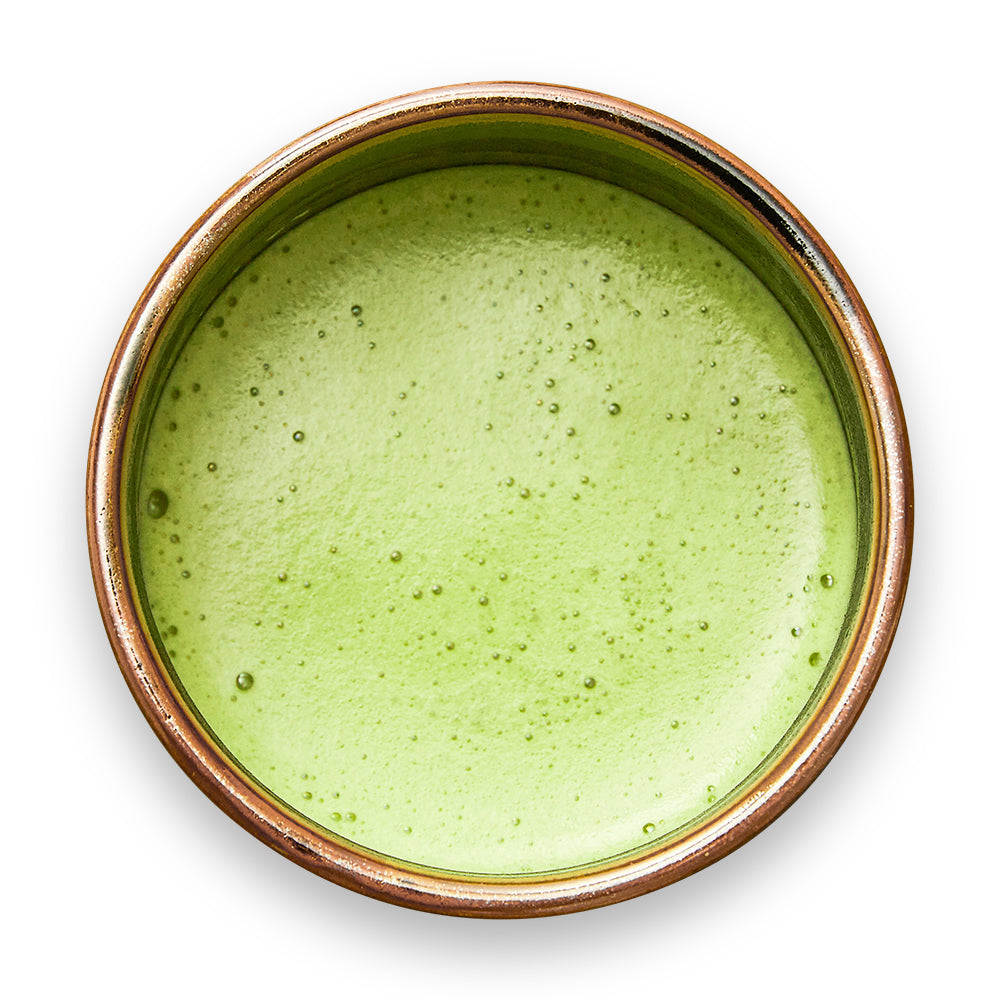
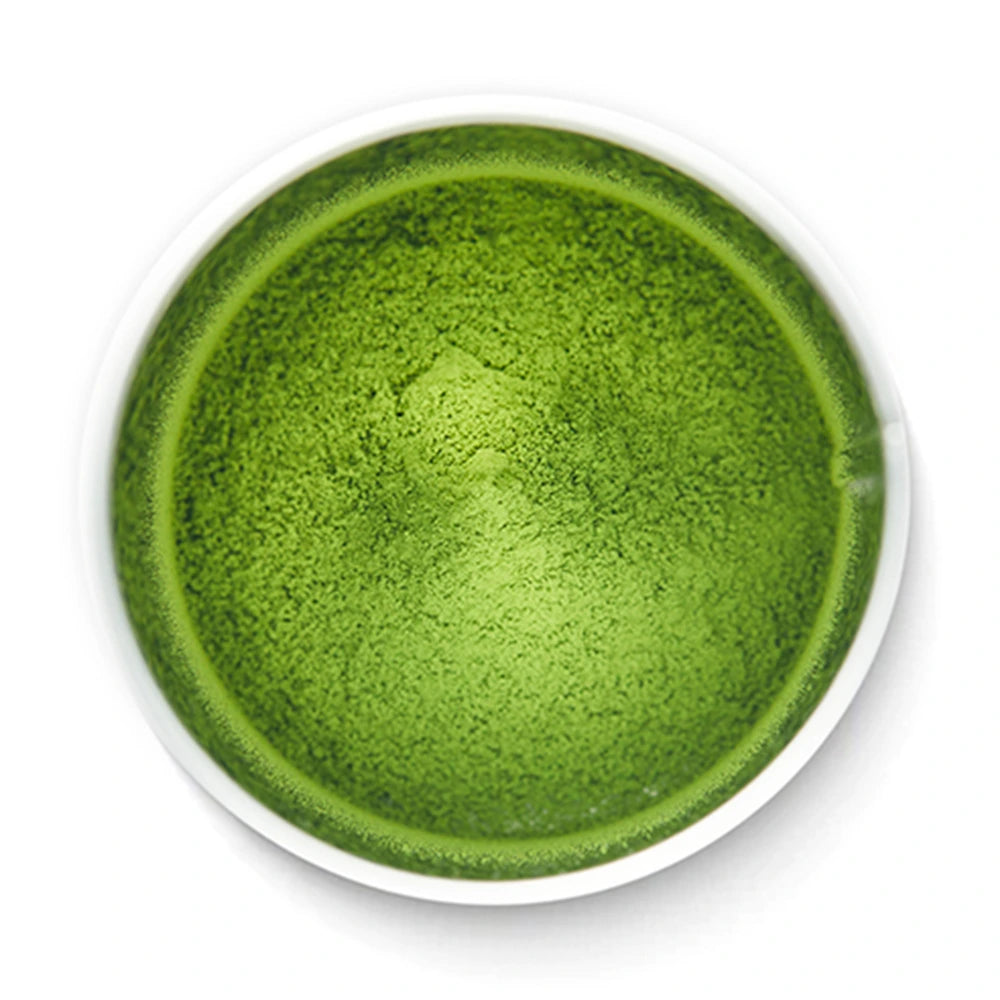
The resulting matcha powder has a particle size of approximately 5–10 microns — smaller than the width of a human red blood cell. This extraordinary fineness is what allows matcha to dissolve smoothly in water rather than simply steeping like loose leaf tea, and it is why you consume the entire tea leaf when drinking matcha. Senbird Tea's matcha is stone-ground using traditional granite mills to ensure the finest possible texture and the full preservation of flavor, color, and nutrients that have been developed throughout the entire production process.
| Production Stage | Duration | Key Purpose | Impact on Final Matcha |
|---|---|---|---|
| Shading | 20–30 days | Increase chlorophyll and L-theanine | Vibrant color, umami sweetness |
| Harvesting | Late April–mid May | Select youngest, most tender leaves | Delicate texture, peak nutrients |
| Steaming | 15–20 seconds | Halt oxidation, preserve freshness | Bright green color, fresh flavor |
| Sorting | Multiple passes | Remove stems, veins; grade leaves | Smooth texture, no grittiness |
| Stone Grinding | ~1 hour per 40g | Mill tencha into ultra-fine powder | 5–10 micron particles, full dissolution |
Ceremonial grade matcha is made from the youngest, most carefully selected first-flush leaves that were closest to the top of the shaded tea bush, while culinary grade matcha uses leaves from slightly lower on the plant or from later harvests. Ceremonial grade has a more vivid green color, smoother texture, naturally sweeter flavor with pronounced umami, and is designed to be enjoyed whisked with water alone. Culinary grade has a slightly more robust, bitter flavor profile that holds up well in recipes like lattes, smoothies, and baked goods. Both grades go through the same fundamental production process, but the leaf selection and quality standards for ceremonial grade are significantly more stringent.
Matcha commands a higher price than regular green tea because its production process is significantly more labor-intensive and time-consuming at every stage. The 20–30 day shading period requires infrastructure and daily monitoring, hand-harvesting is slower than machine picking, the sorting process removes a substantial percentage of plant material (stems and veins), and stone grinding produces only 30–40 grams per hour per mill. Additionally, matcha tea plants are typically harvested only once per year for the highest grades, compared to 3–4 harvests annually for standard sencha. These factors combined mean that producing one kilogram of premium ceremonial matcha requires far more time, labor, and expertise than producing the equivalent weight of loose leaf green tea.
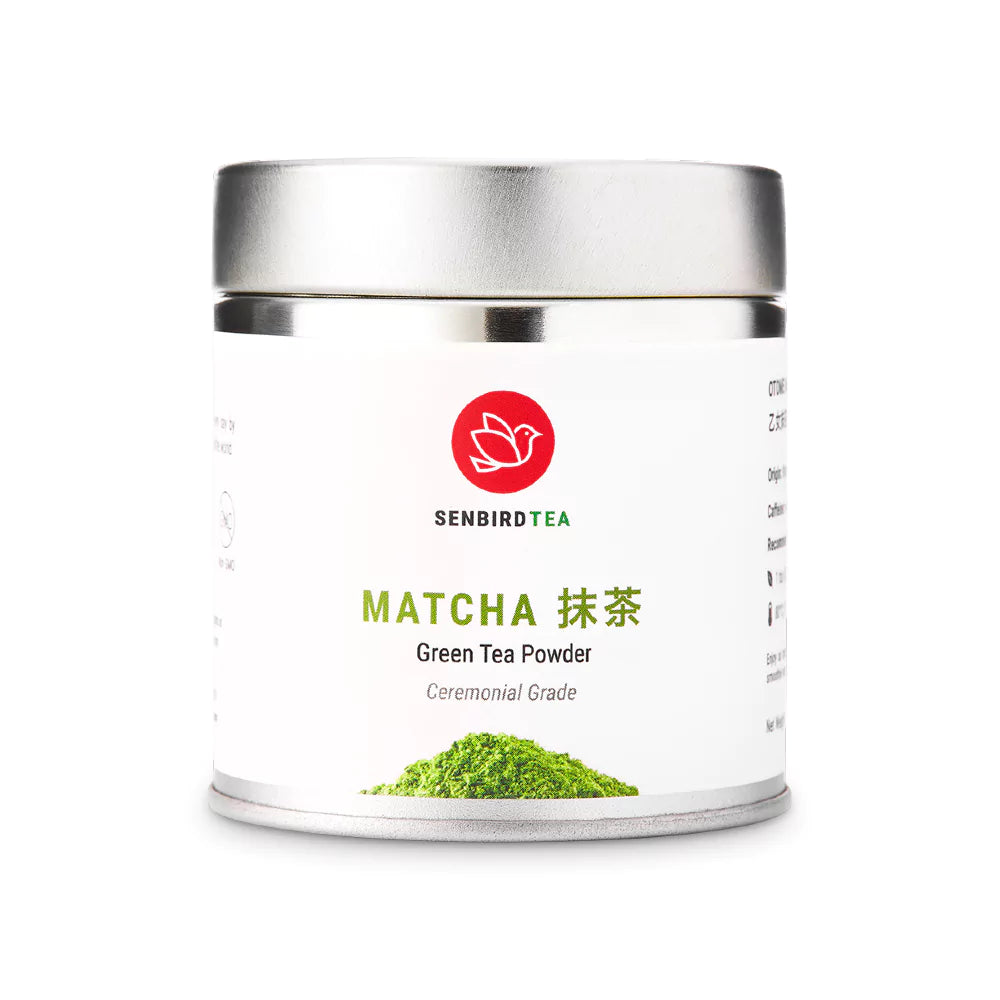
Matcha powder should be stored in an airtight, opaque container in the refrigerator or a cool, dark cabinet away from light, heat, moisture, and strong odors. Light and oxygen are matcha's biggest enemies — they cause the chlorophyll to degrade (turning the powder from bright green to dull yellowish-brown) and the delicate flavor compounds to oxidize. Once opened, matcha should ideally be consumed within 4–6 weeks for optimal flavor and color. Senbird Tea packages its matcha in sealed, light-blocking tins specifically designed to protect the powder from these degradation factors. Always reseal the container tightly after each use and avoid using wet scoops or spoons.
Matcha production in Japan dates back approximately 800 years. The Buddhist monk Eisai brought powdered tea preparation methods from Song Dynasty China to Japan in 1191 and wrote Kissa Yojoki (Drinking Tea for Health) in 1211, advocating tea as a health practice. However, the matcha production process as we know it today was largely developed in the Uji region of Kyoto during the 16th century, when the shading technique was perfected and Sen no Rikyu formalized the tea ceremony. The city of Uji remains the most prestigious matcha-producing region in Japan, though Nishio in Aichi Prefecture is now the largest producer by volume, accounting for approximately 30% of Japan's total matcha output.
Not all matcha is stone-ground. While traditional granite stone mills (ishiusu) are the gold standard for matcha production, some manufacturers use modern industrial ball mills or jet mills to increase production speed and reduce costs. These mechanical alternatives can grind matcha significantly faster — jet mills can process several kilograms per hour compared to 30–40 grams per hour for stone mills — but the higher heat generated during faster grinding can degrade flavor compounds, reduce antioxidant content, and produce a slightly less uniform particle size. Senbird Tea exclusively offers stone-ground matcha because the traditional method produces measurably superior color, flavor, and nutritional quality.
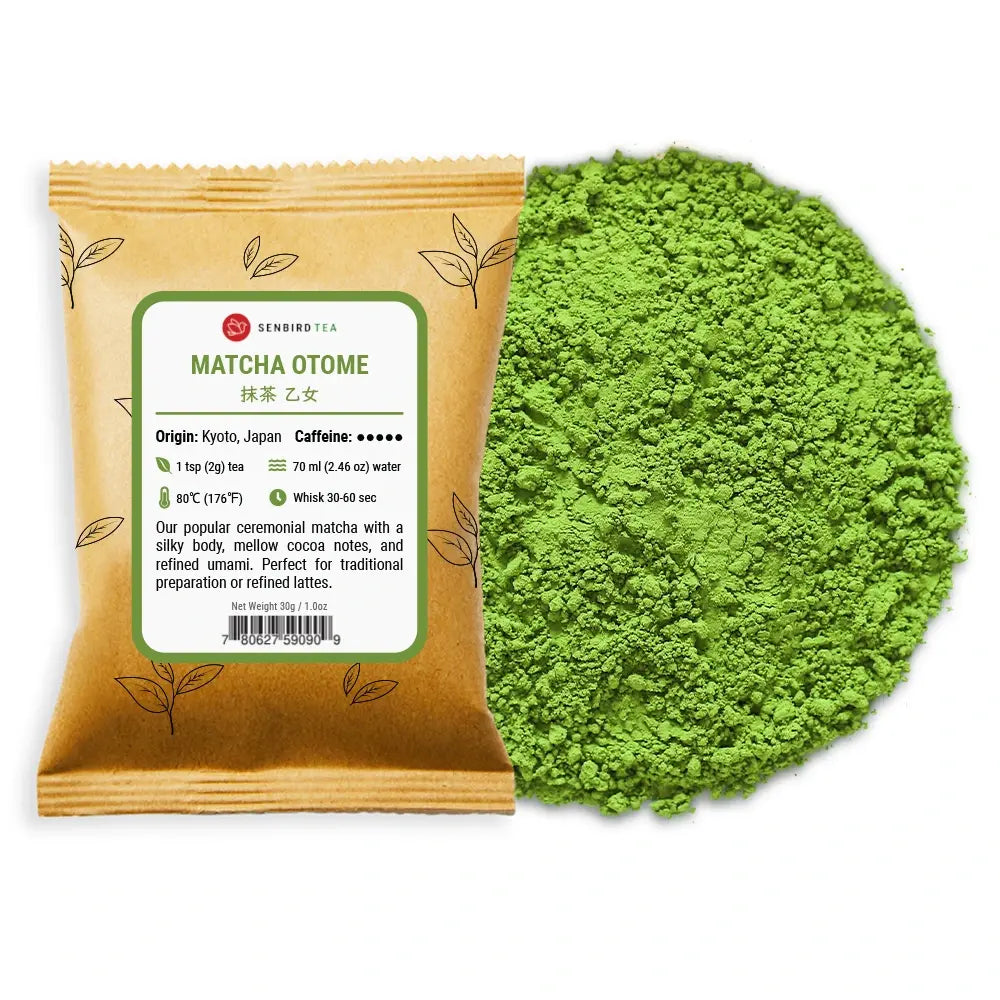
抹茶乙女
Our best-selling ceremonial Okumidori matcha with a silky body, mellow cocoa notes, and refined umami, perfect for traditional preparation or refined lattes.