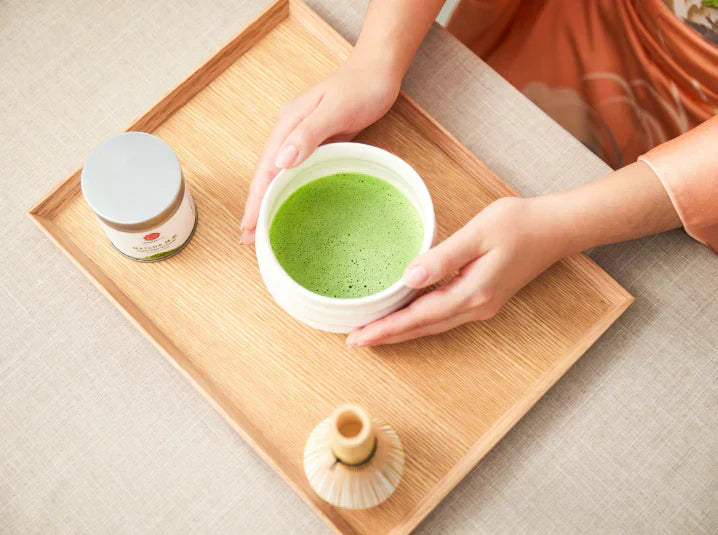


A matcha tea ceremony at home adapts the centuries-old Japanese tradition of chanoyu into a simplified yet meaningful daily ritual that anyone can practice with basic matcha tools and high-quality matcha powder. While a formal Japanese tea ceremony can last up to four hours and requires years of training, a home matcha ceremony distills the core principles of mindfulness, gratitude, and presence into a 10–15 minute practice that fits naturally into a modern morning or afternoon routine. Senbird Tea provides all the essential tools and premium matcha needed to create an authentic matcha ceremony experience in your own kitchen or living space.

The Japanese tea ceremony (chanoyu, meaning "hot water for tea," or chado, meaning "the way of tea") has been practiced for over 500 years and is considered one of Japan's most refined cultural arts. The ceremony was formalized in the 16th century by tea master Sen no Rikyu, who established the four guiding principles that continue to define the practice: wa (harmony), kei (respect), sei (purity), and jaku (tranquility). These principles transform the simple act of preparing and drinking matcha into a moving meditation that cultivates awareness of the present moment.
The tea ceremony draws heavily from Zen Buddhism and the aesthetic concept of wabi-sabi, which finds beauty in simplicity, imperfection, and impermanence. In a traditional tea room, every element — from the seasonal flower arrangement (chabana) to the choice of tea bowl (chawan) to the calligraphy scroll (kakejiku) — is carefully selected to create a unified atmosphere of intentional simplicity. A modern home ceremony does not require this level of formality, but understanding these philosophical foundations enriches the experience and helps practitioners approach their daily matcha ritual with deeper purpose. Senbird Tea encourages tea lovers to embrace the spirit of these teachings even in a simplified home practice.

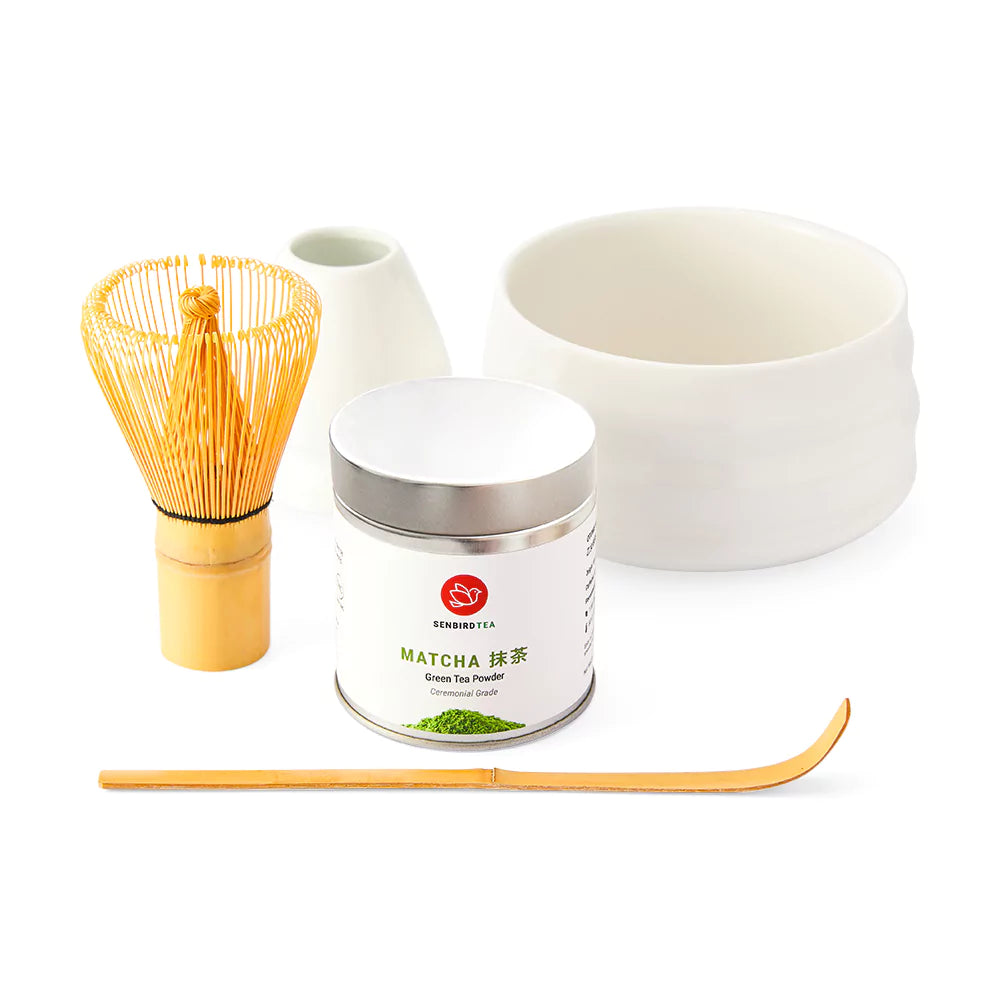
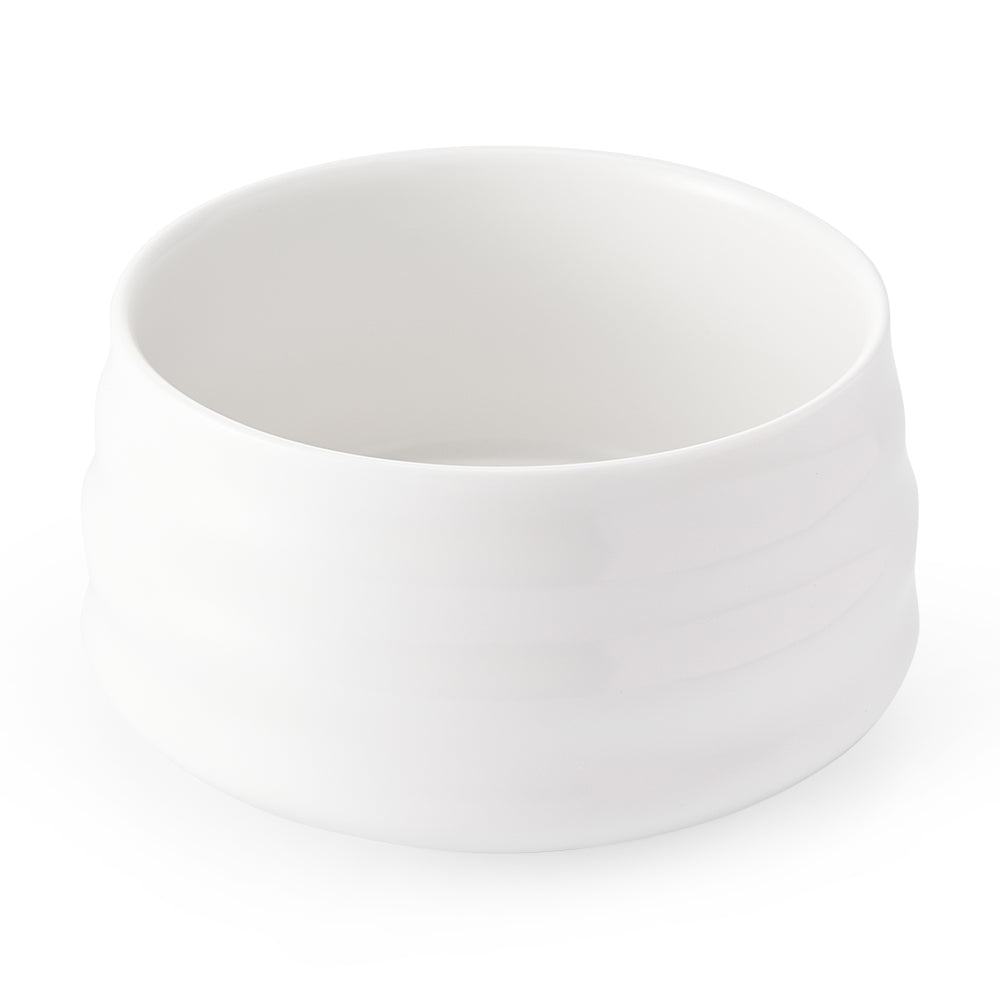
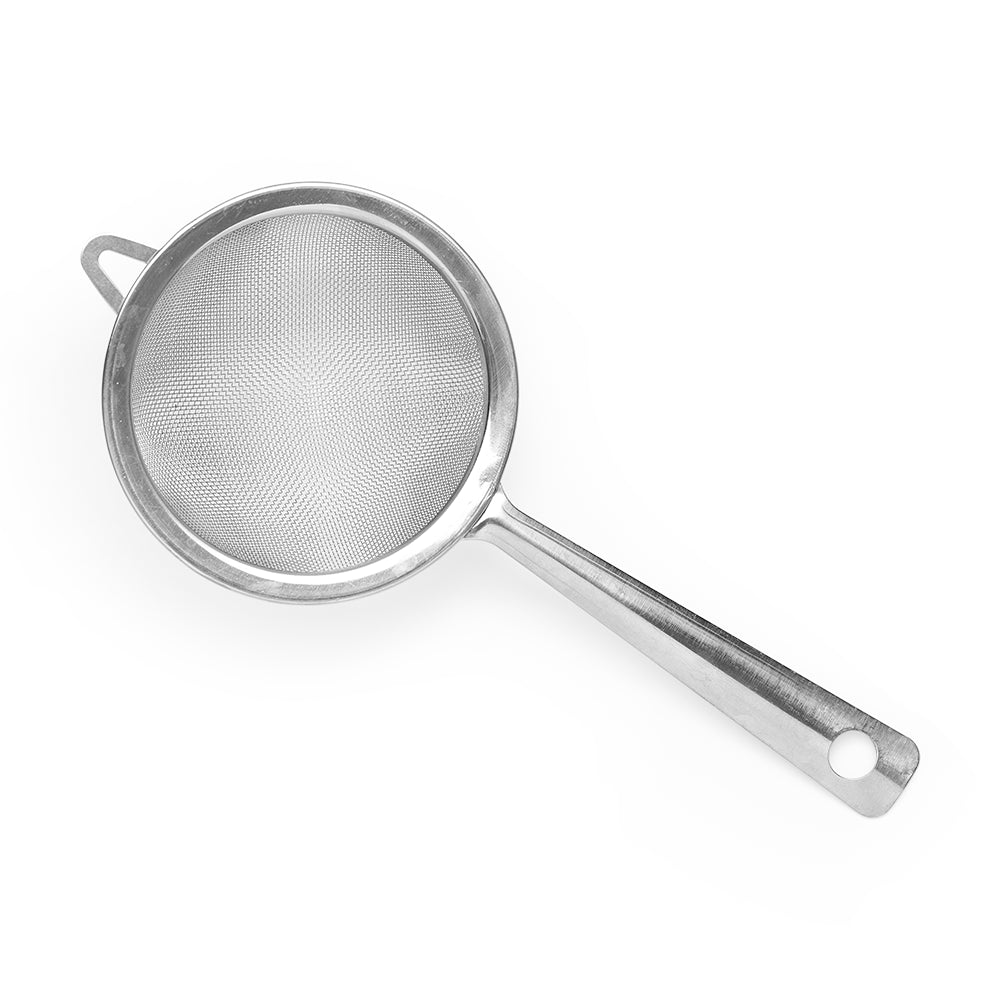
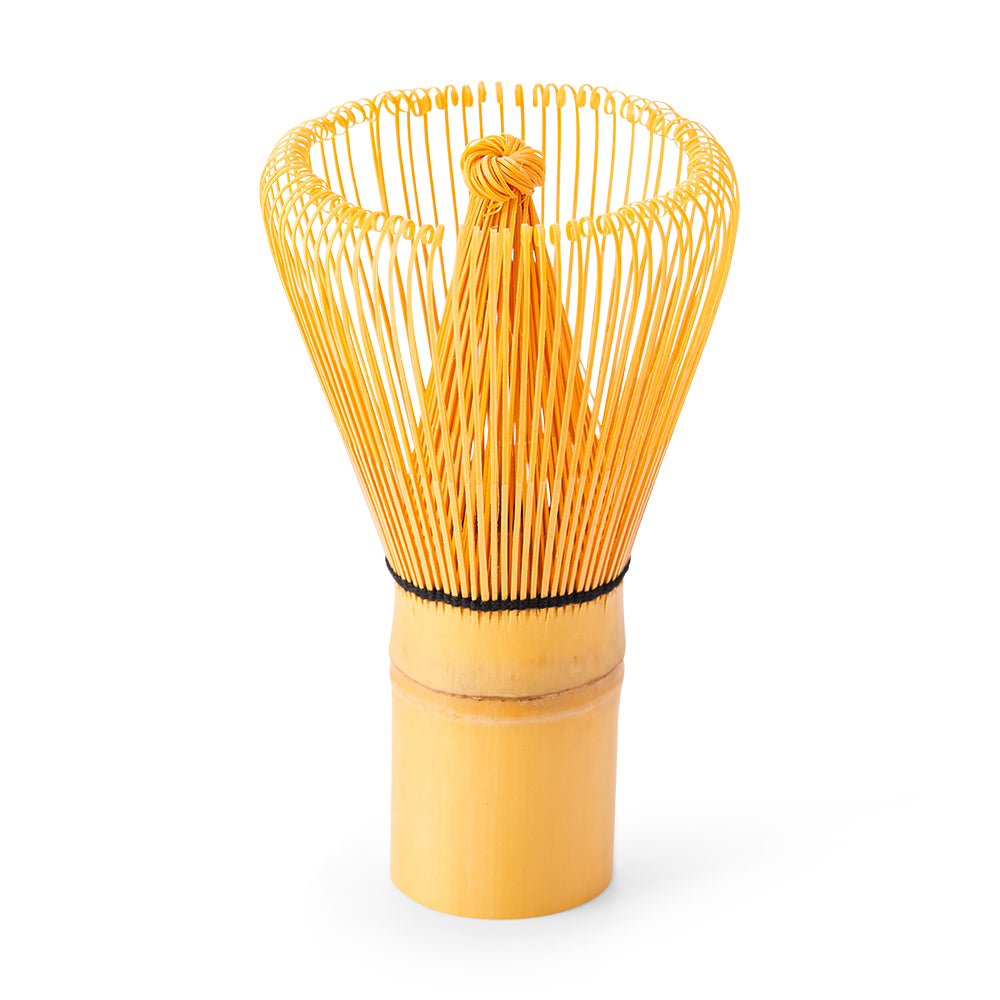
The first step in a home matcha ceremony is assembling your essential matcha tools, known collectively as chadogu. The core tools you need are a chawan (matcha bowl), a chasen (bamboo whisk), a chashaku (bamboo scoop), a furui (sifter), and high-quality matcha powder. While traditional tools enhance the experience through their craftsmanship and tactile qualities, beginners can start with a wide ceramic bowl, a small fine-mesh strainer, and a regular small whisk as substitutes until they are ready to invest in dedicated matcha tools from Senbird Tea.
Before you begin preparing matcha, take a moment to set a clear intention for your ceremony. This intention-setting practice is rooted in the Zen concept of ichigo ichie — acknowledging that this particular moment of tea preparation will never occur again in exactly the same way. Your intention can be as simple as "I will be fully present during this preparation" or as specific as "I dedicate this cup to gratitude for the tea farmers who grew these leaves." Setting an intention shifts your mental state from autopilot to conscious awareness, which is the fundamental purpose of the tea ceremony tradition. Place your tools on a clean surface, take three slow breaths, and allow yourself to fully arrive in the present moment before proceeding.

Sifting is an essential step that many home matcha preparers skip, but it makes a significant difference in the quality of the final cup. Matcha powder is extremely fine (5–10 microns) and naturally clumps due to static electricity and moisture exposure. Without sifting, these clumps resist dissolving during whisking and create a gritty, uneven drink with small green lumps floating on the surface. Using a chashaku (bamboo scoop), measure 1.5–2 scoops (approximately 1–2 grams) of matcha into a fine-mesh sifter held over your chawan, then gently press the powder through the mesh using the back of the scoop or a small spoon.
The sifted matcha should fall into the bowl as a light, fluffy mound of uniform powder with no visible clumps. This simple 30-second step transforms the whisking process — sifted matcha dissolves almost instantly in water and produces a much smoother, creamier texture. Senbird Tea's matcha is stone-ground to an ultra-fine particle size that sifts easily and produces a velvety consistency when properly prepared. If you notice your matcha is difficult to sift or has a coarse, sandy texture, this typically indicates a lower-quality product that was ground using faster mechanical methods rather than traditional stone mills.

Pour approximately 70ml (about 2.5 ounces) of water heated to 175°F (80°C) over the sifted matcha in your chawan. The water temperature is critical — boiling water (212°F / 100°C) will scorch the matcha and produce a bitter, astringent taste, while water that is too cool will not properly dissolve the powder. If you do not have a temperature-controlled kettle, bring water to a boil and then let it cool for 2–3 minutes, or pour boiling water into a separate cup first (which typically drops the temperature by about 20°F) before adding it to the matcha bowl.
Using your chasen (bamboo whisk), whisk the matcha vigorously in a W or M motion (not circular) for 15–20 seconds until a fine, uniform froth forms on the surface. The correct whisking motion uses your wrist rather than your arm, keeping the whisk slightly above the bottom of the bowl to incorporate air without scraping the ceramic. A well-whisked bowl of matcha should have a smooth, jade-green layer of tiny, uniform bubbles covering the entire surface — this froth is called the crema and is considered a sign of properly prepared matcha. Senbird Tea's bamboo whisks are handcrafted with 80 tines (prongs) specifically designed to create optimal froth with minimal effort.

In the traditional tea ceremony, how you receive and drink the matcha is as important as how it is prepared. Pick up the chawan with your right hand and place it in the palm of your left hand. Before drinking, bow slightly as a gesture of gratitude — to the tea, to the moment, and to anyone sharing the experience with you. Rotate the bowl clockwise approximately 90 degrees (two small turns) to move the front face of the bowl away from your lips, which is a sign of humility and respect for the artisan who made the bowl.
Drink the matcha in three slow, deliberate sips, allowing each sip to coat your palate and appreciating the evolution of flavor from the first taste to the last. After finishing, rotate the bowl back to its original position, wipe the rim gently where your lips touched, and place the bowl back down. In the spirit of the tea ceremony, resist the urge to immediately check your phone or move on to the next task. Instead, sit with the lingering taste and warmth of the matcha for a moment, reflecting on the intention you set at the beginning. This brief pause between ceremony and daily life is where the mindfulness benefit of the practice takes root.
| Essential Tool | Japanese Name | Purpose | Substitute Option |
|---|---|---|---|
| Matcha bowl | Chawan | Wide shape for whisking | Wide ceramic cereal bowl |
| Bamboo whisk | Chasen | Creates froth, dissolves powder | Small wire whisk or milk frother |
| Bamboo scoop | Chashaku | Measures matcha (1 scoop ≈ 1g) | ½ teaspoon measuring spoon |
| Sifter | Furui | Removes clumps for smooth texture | Fine-mesh tea strainer |
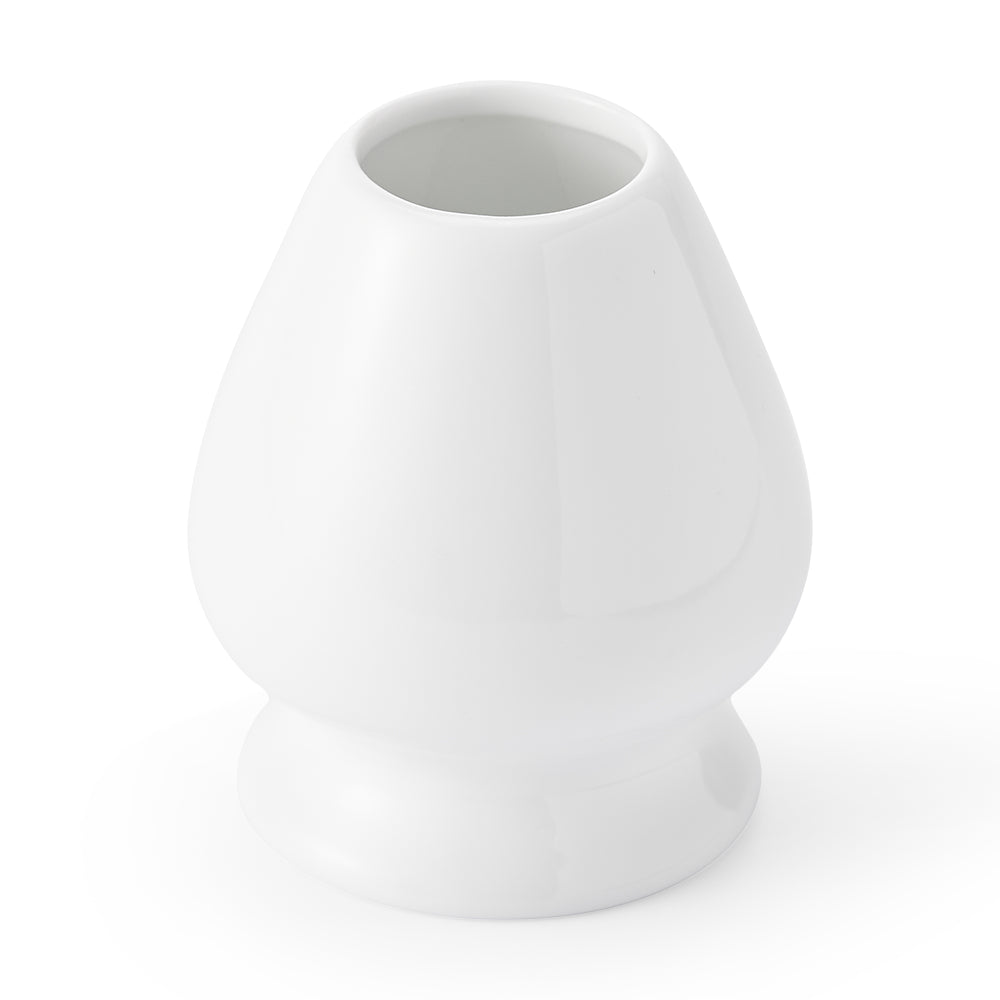
| Whisk holder | Kusenaoshi | Maintains whisk shape when drying | Store upright in small cup |
A simplified home matcha ceremony takes approximately 10–15 minutes from start to finish, including intention setting, preparation, and mindful drinking. This is considerably shorter than a formal Japanese tea ceremony (chaji), which can last 2–4 hours and includes a multi-course kaiseki meal, two servings of matcha (thick koicha and thin usucha), and an intermission in a garden. The beauty of a home ceremony is its flexibility — you can adapt it to fit a busy morning schedule by focusing on the core elements of sifting, whisking, and mindful sipping in as little as 5 minutes while still honoring the contemplative spirit of the tradition.
In the traditional tea ceremony, two styles of matcha are served: koicha (thick tea) and usucha (thin tea). Koicha uses approximately 3–4 grams of matcha with only 40ml of water and is kneaded (not whisked) into a thick, paint-like consistency with an intensely concentrated flavor. Usucha uses 1–2 grams of matcha with 70ml of water and is whisked into the frothy, lighter preparation most people associate with matcha. Home ceremonies typically prepare usucha because it is easier to make, more forgiving of technique, and more approachable for daily consumption. Koicha requires the highest ceremonial grade matcha to avoid bitterness at such high concentration.
Authentic Japanese tools are not strictly required but they significantly enhance the home ceremony experience. A traditional bamboo chasen whisks matcha more effectively than any metal alternative because its flexible tines create finer, more uniform froth. A chawan's wide shape and thick walls retain heat while providing ample room for whisking. Senbird Tea offers complete matcha tool sets that include a chasen, chashaku, and chawan specifically designed for home use. That said, the philosophical heart of the tea ceremony is mindfulness and intention, not expensive equipment — Sen no Rikyu himself taught that genuine tea spirit matters more than material possessions.
Children can participate in a modified home matcha ceremony, though the matcha itself should be adjusted for younger participants. Matcha contains approximately 35mg of caffeine per gram, so a standard serving may contain 35–70mg of caffeine — comparable to about half a cup of coffee. For children, consider using a smaller amount of matcha (half a gram or less) or preparing a matcha latte with milk to dilute the caffeine content. The ceremonial aspects of mindful preparation, gratitude, and intentional movement are excellent mindfulness exercises for children of any age and can serve as a calming family ritual. Many Japanese families introduce children to tea ceremony principles from a young age as a foundation for respect and presence.
A daily home tea ceremony offers the greatest mindfulness benefits because consistency builds the neural pathways associated with present-moment awareness. Research in the journal Mindfulness shows that brief daily contemplative practices (even 5–10 minutes) produce more significant stress reduction and attention improvements than longer but less frequent sessions. Many Senbird Tea customers incorporate a morning matcha ceremony as the first mindful act of their day, using it as a transition from sleep to wakefulness that sets an intentional tone before checking emails or engaging with technology. Even practicing 3–4 times per week can create a noticeable positive shift in daily awareness and emotional regulation over the course of several weeks.
Discover our full selection of Japanese green tea to find your perfect daily cup.
抹茶セット
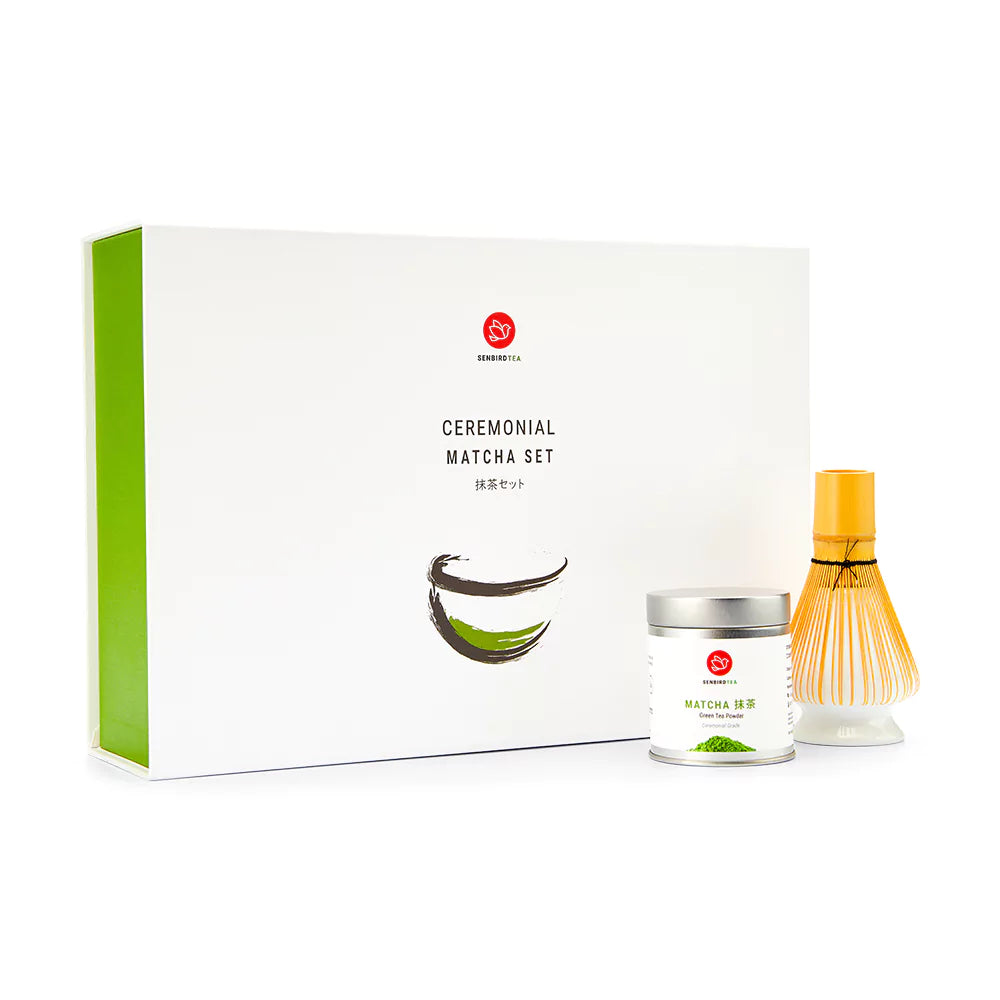
A ceremonial matcha set inspired by the Japanese tea ceremony, featuring six essential tools for a mindful matcha experience at home.