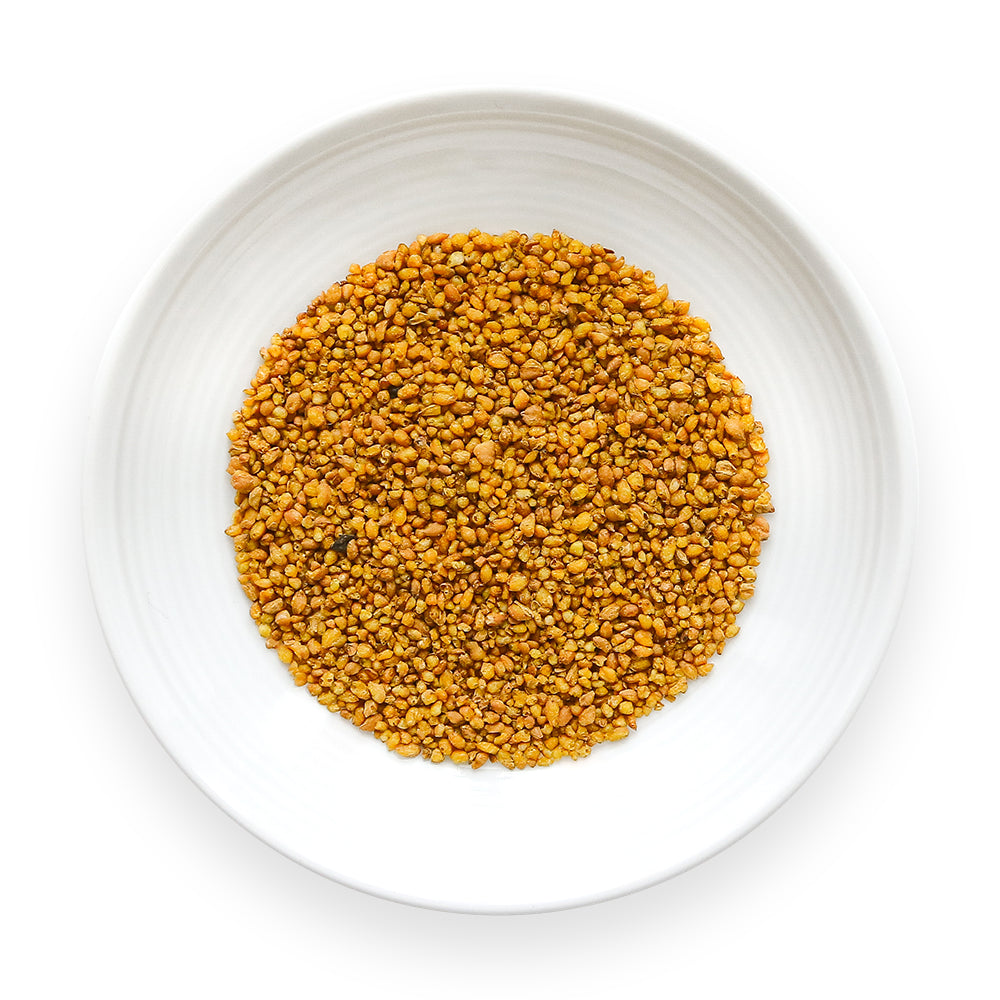
Sobacha vanilla ice cream brings the warm, nutty flavor of roasted buckwheat tea into a creamy frozen dessert that is both simple to make and deeply satisfying. This recipe from Senbird Tea offers two approaches: a traditional no-churn ice cream infused with brewed sobacha, and an effortless version that uses sobacha as a crunchy topping over store-bought vanilla ice cream. Both methods showcase how the toasty, grain-forward character of Japanese sobacha transforms ordinary vanilla into something unexpectedly elegant.

Sobacha is a Japanese tea made from roasted buckwheat kernels that produces a naturally caffeine-free infusion with deep toasty, nutty flavor reminiscent of toasted cereal or roasted chestnuts. This flavor profile pairs perfectly with vanilla and cream, creating a dessert that tastes like a sophisticated version of cookies-and-cream or butter pecan without any artificial flavorings. The roasted buckwheat from Senbird Tea is naturally gluten-free despite the name "buckwheat," as it is a seed rather than a wheat grain.
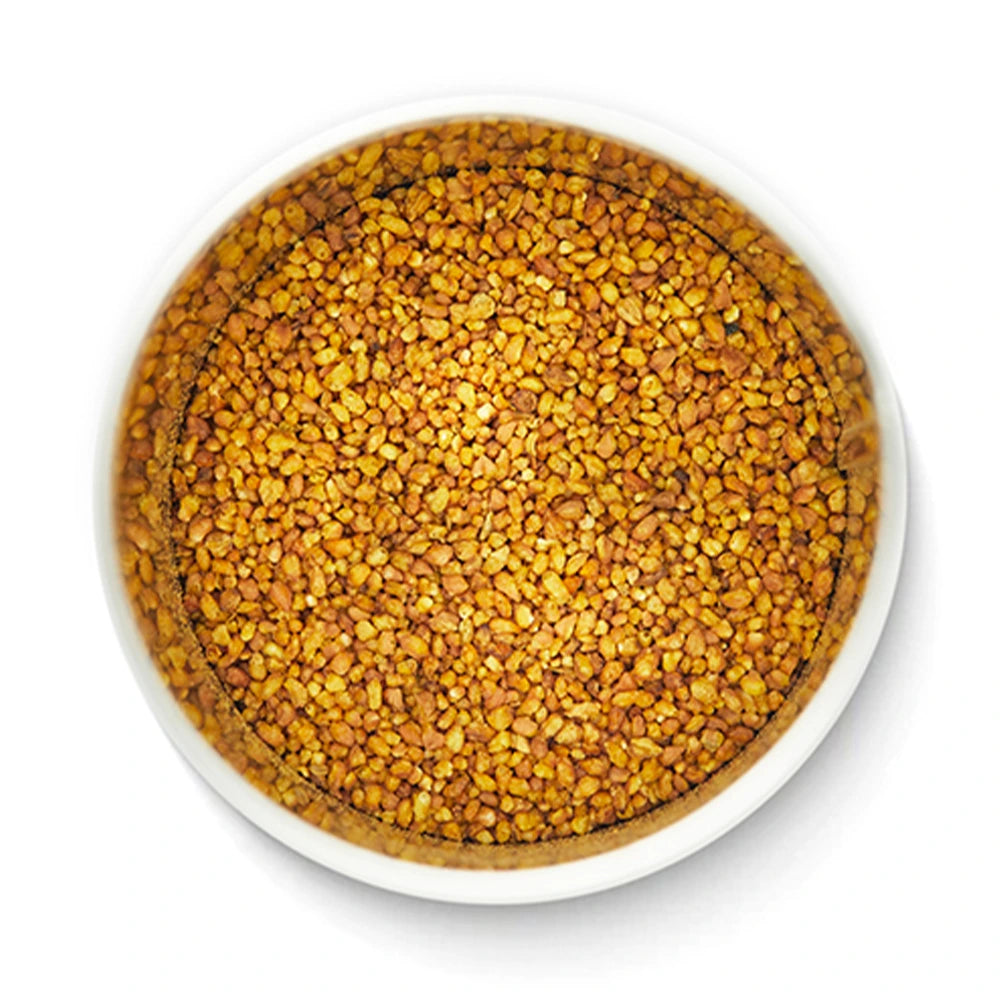
When brewed into a concentrated infusion and incorporated into an ice cream base, sobacha buckwheat tea adds warm complexity that elevates plain vanilla into a memorable dessert. The roasted kernels themselves also make a remarkable crunchy topping when crushed or used whole, adding textural contrast to the smooth, creamy ice cream. This dual-use versatility as both a flavor infusion and a topping ingredient makes Senbird Tea sobacha an exceptional pantry item for creative dessert making.

This no-churn recipe requires no ice cream maker and produces a remarkably smooth, creamy result. The sobacha infusion is concentrated to intensify the roasted buckwheat flavor before folding it into a whipped cream and condensed milk base.
| Ingredient | Amount | Notes |
|---|---|---|
| Sobacha (roasted buckwheat) | 3 tablespoons | From Senbird Tea |
| Hot water | 1/2 cup | For concentrated infusion |
| Heavy whipping cream | 2 cups (480ml) | Very cold |
| Sweetened condensed milk | 14 oz (1 can) | Full-fat for best texture |
| Vanilla extract | 2 teaspoons | Pure vanilla recommended |
| Salt | Pinch | Enhances all flavors |
| Crushed sobacha | 2 tablespoons | Optional topping garnish |
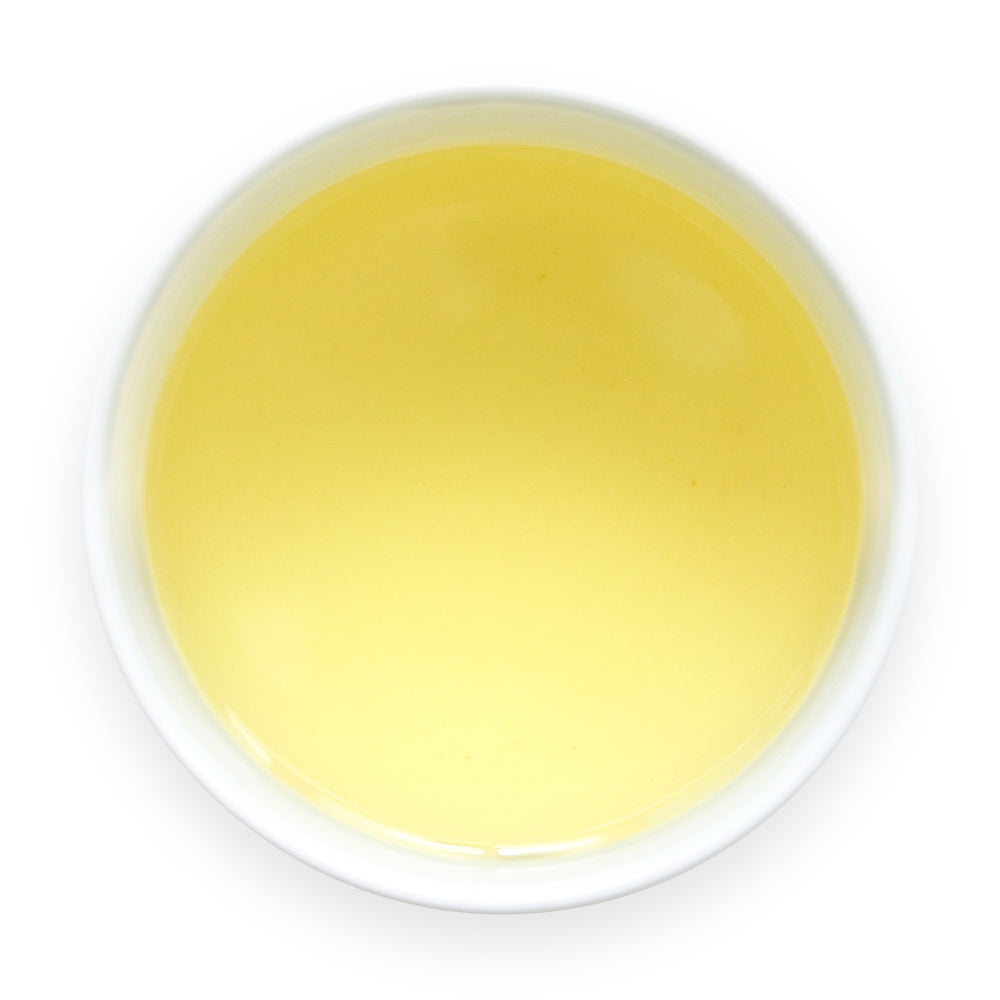
Steep 3 tablespoons of Senbird Tea sobacha in 1/2 cup of hot water for 5 to 7 minutes to create a strong, concentrated infusion. The liquid should be deeply amber with an intense roasted aroma. Strain out the buckwheat kernels and reserve them for crushing as a topping later. Allow the sobacha concentrate to cool completely to room temperature, then refrigerate until cold. Using a warm concentrate will deflate the whipped cream, so patience at this step is essential for the final texture.
In a large chilled bowl, whip the cold heavy cream with an electric mixer on medium-high speed until stiff peaks form, about 4 to 5 minutes. In a separate bowl, combine the sweetened condensed milk, cold sobacha concentrate, vanilla extract, and salt, stirring until smooth. Gently fold the condensed milk mixture into the whipped cream in three additions using a spatula, being careful to maintain the airy volume of the whipped cream. The folding technique is what gives no-churn ice cream its smooth, scoopable texture. Explore our selection of sencha green tea to enhance your tea experience.
Pour the ice cream mixture into a loaf pan or freezer-safe container and smooth the top with a spatula. For added visual appeal and crunch, sprinkle crushed sobacha kernels over the surface before freezing. Cover tightly with plastic wrap pressed directly against the surface of the ice cream to prevent ice crystals from forming. Freeze for at least 6 hours or overnight until firm. Remove from the freezer 5 to 10 minutes before serving to allow the ice cream to soften slightly for easy scooping. The finished ice cream from this Senbird Tea recipe should be creamy, rich, and infused with warm roasted buckwheat flavor throughout.

For an even simpler approach, transform store-bought vanilla ice cream into a Japanese-inspired dessert by adding Senbird Tea sobacha as a crunchy topping. Lightly crush roasted sobacha kernels with a rolling pin or the back of a spoon until they break into rustic pieces with varied sizes. Scoop your favorite quality vanilla ice cream into bowls and sprinkle generously with the crushed sobacha. The warmth of the roasted buckwheat flavor contrasts beautifully with cold, creamy vanilla, and the crunchy texture adds satisfying contrast.
You can also drizzle a small amount of concentrated sobacha brew, sweetened with a touch of honey, over the ice cream as a syrup-like sauce. To make this topping sauce, brew 2 tablespoons of Senbird Tea sobacha in 1/4 cup of hot water for 5 minutes, strain, then stir in 1 tablespoon of honey while still warm. Cool completely before drizzling over ice cream. This dual approach of crunchy sobacha topping and liquid sobacha drizzle creates layers of roasted buckwheat flavor that make even basic vanilla ice cream feel like a gourmet dessert.
Sobacha ice cream tastes like a warm, toasty vanilla with roasted grain notes similar to toasted cereal, chestnuts, or caramelized nuts. The flavor is subtle and comforting rather than bold or overpowering. Many people compare it to a natural version of butter pecan or praline ice cream, but with a cleaner, more elegant roasted character. The Senbird Tea sobacha infusion adds depth and warmth to the vanilla base without any bitterness, creating a dessert that appeals to both adventurous and traditional palates. Explore our selection of hojicha roasted green tea to enhance your tea experience.
Yes, sobacha ice cream can be gluten-free because buckwheat is not actually a wheat grain despite its misleading name. Buckwheat is a seed related to rhubarb and sorrel, making it naturally gluten-free. However, if you have celiac disease or severe gluten sensitivity, verify that your Senbird Tea sobacha was processed in a facility that avoids cross-contamination with wheat products. All other ingredients in this recipe, including cream, condensed milk, and vanilla extract, are naturally gluten-free.
Absolutely. To adapt this recipe for an ice cream maker, replace the whipped cream and condensed milk base with a traditional custard base using 2 cups of heavy cream, 1 cup of whole milk, 3/4 cup of sugar, 4 egg yolks, and the Senbird Tea sobacha concentrate. Cook the custard base, cool completely, then churn in your ice cream maker according to the manufacturer's instructions. The churned version will have a slightly denser, more traditional ice cream texture compared to the lighter, mousse-like quality of the no-churn method.
Homemade sobacha ice cream from this Senbird Tea recipe stays at peak quality for about 2 weeks when stored in an airtight container with plastic wrap pressed against the surface. After 2 weeks, ice crystals may begin to form and the texture can become grainy. The ice cream remains safe to eat for up to 1 month, though the quality gradually decreases. For the best experience, make smaller batches that you can enjoy within the first week or two after preparation.
Several Japanese teas from Senbird Tea make excellent ice cream flavors. Matcha ice cream is perhaps the most well-known, producing a vibrant green dessert with rich umami sweetness. Hojicha creates a warm, caramel-like ice cream similar in spirit to sobacha but with distinct roasted tea character. Genmaicha infused into an ice cream base adds toasted rice flavor that pairs beautifully with vanilla. Even brewed sencha can be concentrated and folded into ice cream for a refreshing, vegetal frozen treat that is popular in Japanese dessert shops.
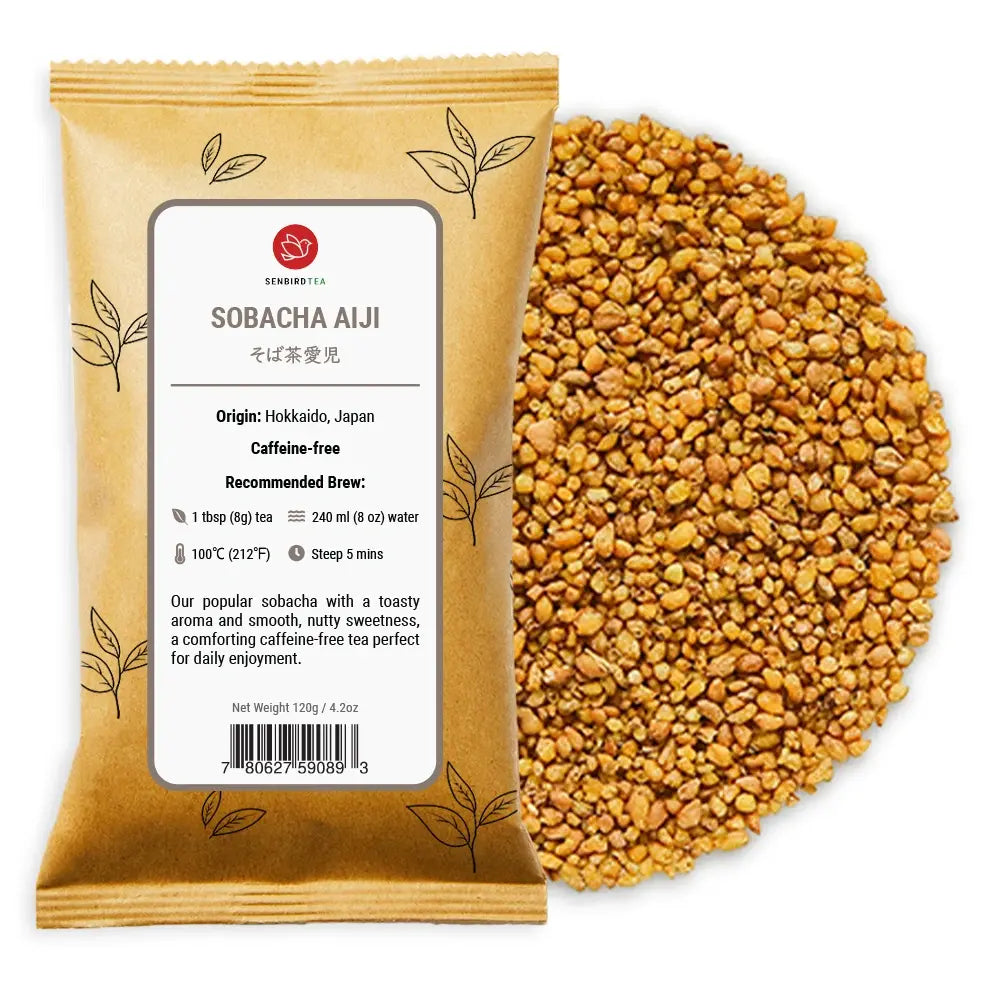
そば茶愛児
Our popular sobacha with a toasty aroma and smooth, nutty sweetness, a comforting caffeine-free tea perfect for daily enjoyment.