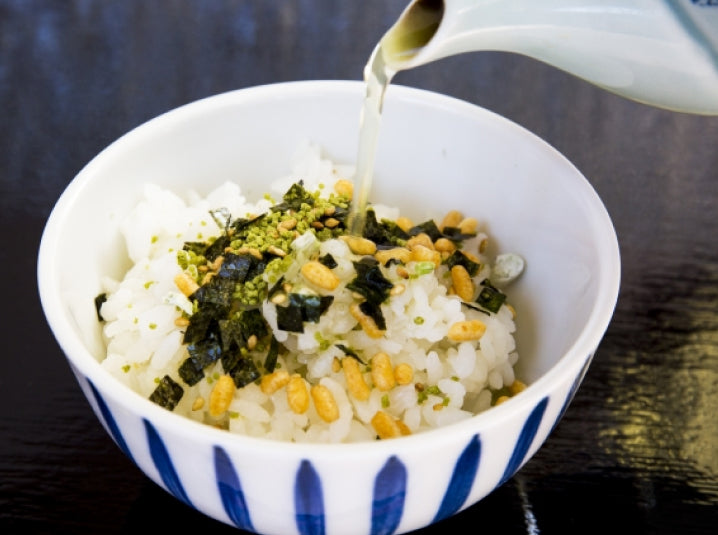


Ochazuke (お茶漬け), or "green tea over rice," is one of Japan's most beloved comfort foods — a simple dish of steamed rice submerged in hot green tea, topped with savory garnishes. For over a thousand years, ochazuke has been a staple of Japanese home cooking, served at izakayas as a satisfying end-of-meal dish, and relied upon by busy students and professionals as a quick, warming meal. This guide from Senbird Tea covers the history, recipe, best teas to use, and topping variations so you can make authentic ochazuke at home in under five minutes.

Ochazuke literally translates to "submerged in tea" — ocha (お茶) meaning tea and zuke (漬け) meaning soaked or submerged. The dish dates back to the Heian period (794–1185), when Japanese households began pouring hot water over leftover rice to soften it and create a simple, filling meal. When green tea became widely available during the Edo period (1603–1868), it replaced plain water as the broth of choice, adding flavor, aroma, and the natural health benefits of Japanese tea.
Today, ochazuke holds a special place in Japanese food culture. It is served at the end of a meal at izakayas and ryokans, offered as a gentle remedy when feeling under the weather, and enjoyed as a late-night comfort food after a long day. The beauty of ochazuke is its simplicity — with just rice, tea, and a few toppings, you create a dish that is greater than the sum of its parts.
Serving Size: 1 | Total Time: 5 minutes | Difficulty: Easy

The tea you choose changes the entire character of the dish. Here is how the most popular options compare:
Sencha is the most traditional and versatile choice for ochazuke. Its clean, vegetal flavor complements almost any topping without overpowering the other ingredients. Senbird Tea's Sencha Hatsuzumi, with its balanced sweetness and mild astringency, is an excellent everyday ochazuke tea.
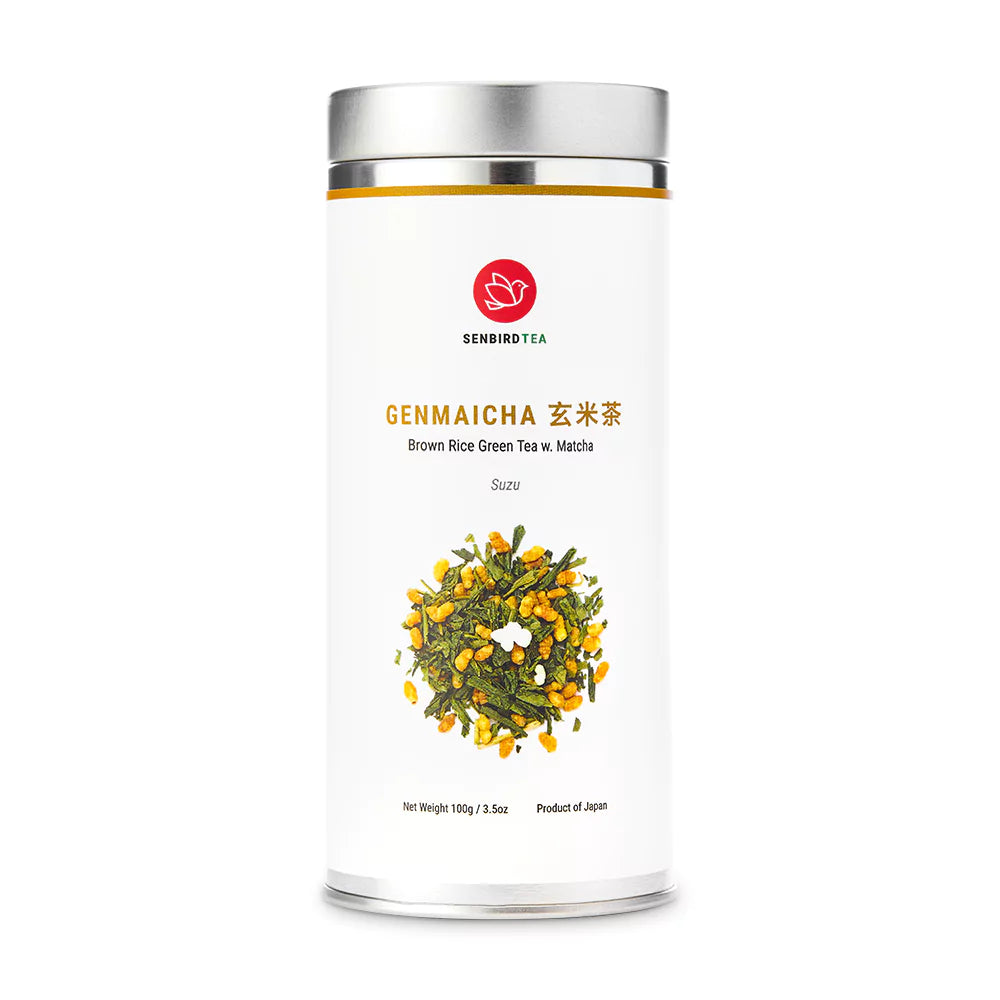
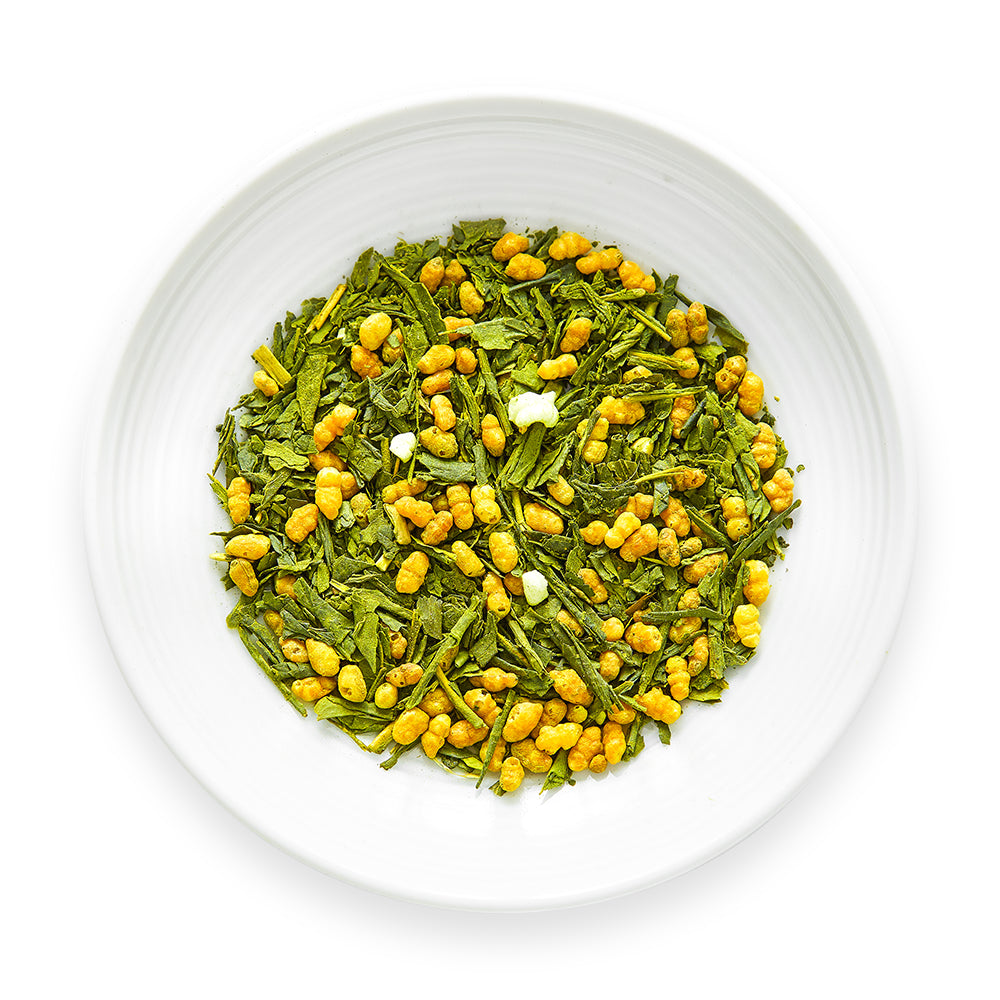
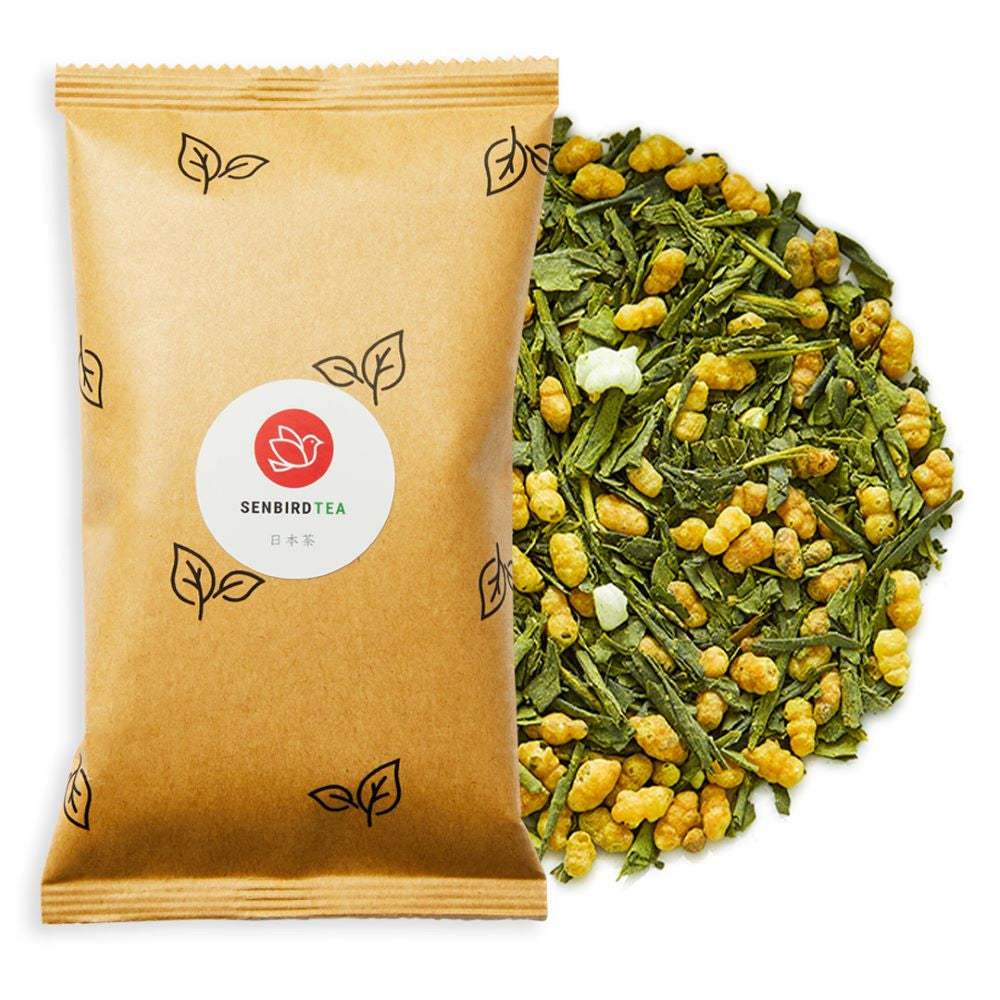
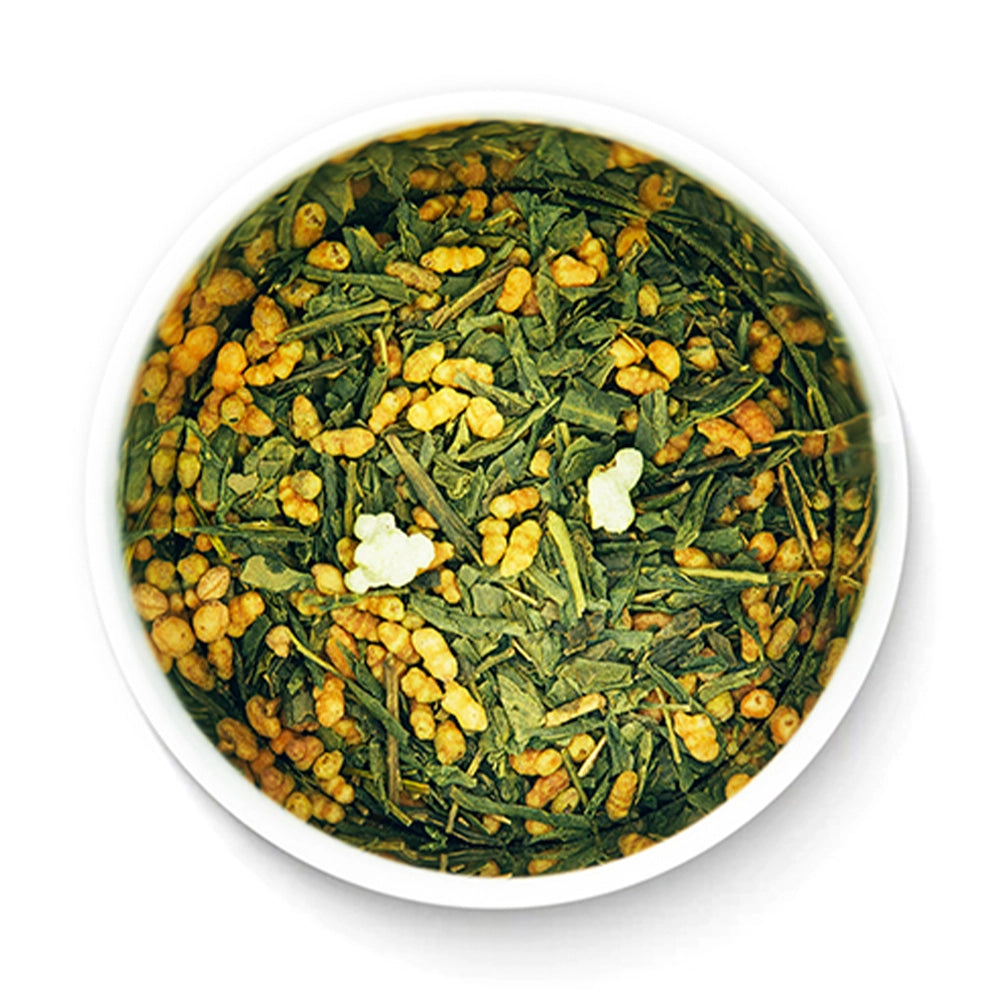
Genmaicha adds a roasted, nutty depth from the toasted brown rice blended into the tea leaves. This creates a natural harmony with the steamed rice in your bowl — essentially doubling down on the rice flavor. Genmaicha ochazuke pairs especially well with salmon and nori toppings.
Hojicha brings a deep, roasted warmth that makes ochazuke feel especially comforting on cold evenings. Its low caffeine content also makes it a great choice for a late-night meal. The smoky notes of hojicha pair beautifully with grilled fish toppings like unagi (eel) or yakisake (grilled salmon).
Gyokuro is the premium option — its rich umami character transforms ochazuke into something almost broth-like, similar to a light dashi. Use Senbird Tea's Gyokuro Isshin for the most umami-forward ochazuke experience. Because gyokuro is more delicate, brew it at a lower temperature (140–160°F) and pour it over the rice gently.
For a caffeine-free alternative, try ochazuke with Sobacha for a nutty and soothing meal, or use chilled mugicha in summer for a cold and refreshing version.

There are no strict rules for ochazuke toppings — experimentation is part of the tradition. Here are the most popular combinations you will find across Japan:
Sake Ochazuke (Salmon) is the most popular variety. Flake grilled or salted salmon over rice, top with nori strips and sesame seeds, then pour sencha or genmaicha over the top. The salty, fatty salmon balances beautifully with the clean tea broth.
Umeboshi Ochazuke (Pickled Plum) is the simplest and most traditional version. Place one umeboshi on top of the rice with a few shiso leaves and pour hot sencha over it. The sharp, sour plum cuts through the mild rice and tea for a bright, refreshing bowl.
Tempura Ochazuke is a popular izakaya-style variation. Place a piece of shrimp or vegetable tempura on the rice and pour hot tea over it. The tempura batter softens in the broth, creating a satisfying contrast of crispy and tender textures.
Nori and Arare Ochazuke is the classic quick version. Top your rice with torn nori seaweed, arare (small rice crackers), sesame seeds, and green scallions. This is the combination you will find in most instant ochazuke packets sold in Japan.
Other popular toppings: tarako (spicy cod roe), ikura (salmon roe), mentaiko (marinated pollock roe), tsukemono (Japanese pickles), mitsuba (Japanese parsley), and wasabi.

Sencha is the most versatile and traditional choice, but the best tea depends on your toppings and mood. Genmaicha adds a toasty, nutty flavor that pairs well with salmon. Hojicha provides a deep, roasted warmth ideal for cold-weather ochazuke. Gyokuro creates the most umami-rich broth for a premium experience.
Yes. Some recipes use dashi broth instead of or in addition to tea, which is technically called "dashi chazuke." You can also combine a light dashi with green tea for a hybrid broth that has both umami depth and tea aroma. Traditional ochazuke uses only tea.
Ochazuke is naturally low in calories and fat. A basic bowl of rice with green tea contains the antioxidants, catechins, and L-theanine from the tea, along with the energy from steamed rice. The health profile depends on your toppings — salmon adds omega-3 fatty acids and protein, while pickled plum provides electrolytes.
Absolutely. Brown rice adds a nuttier flavor and chewier texture to the dish. It pairs especially well with genmaicha, which already contains toasted brown rice. The combination creates a deeply satisfying, earthy bowl.
Instant ochazuke packets (sold under brands like Nagatanien) contain dried tea powder, arare, nori, and seasoning. You simply sprinkle the packet over rice and add hot water. While convenient, homemade ochazuke with freshly brewed loose leaf tea from Senbird Tea produces a noticeably richer, more aromatic result with no artificial additives.
抹茶入り玄米茶鈴
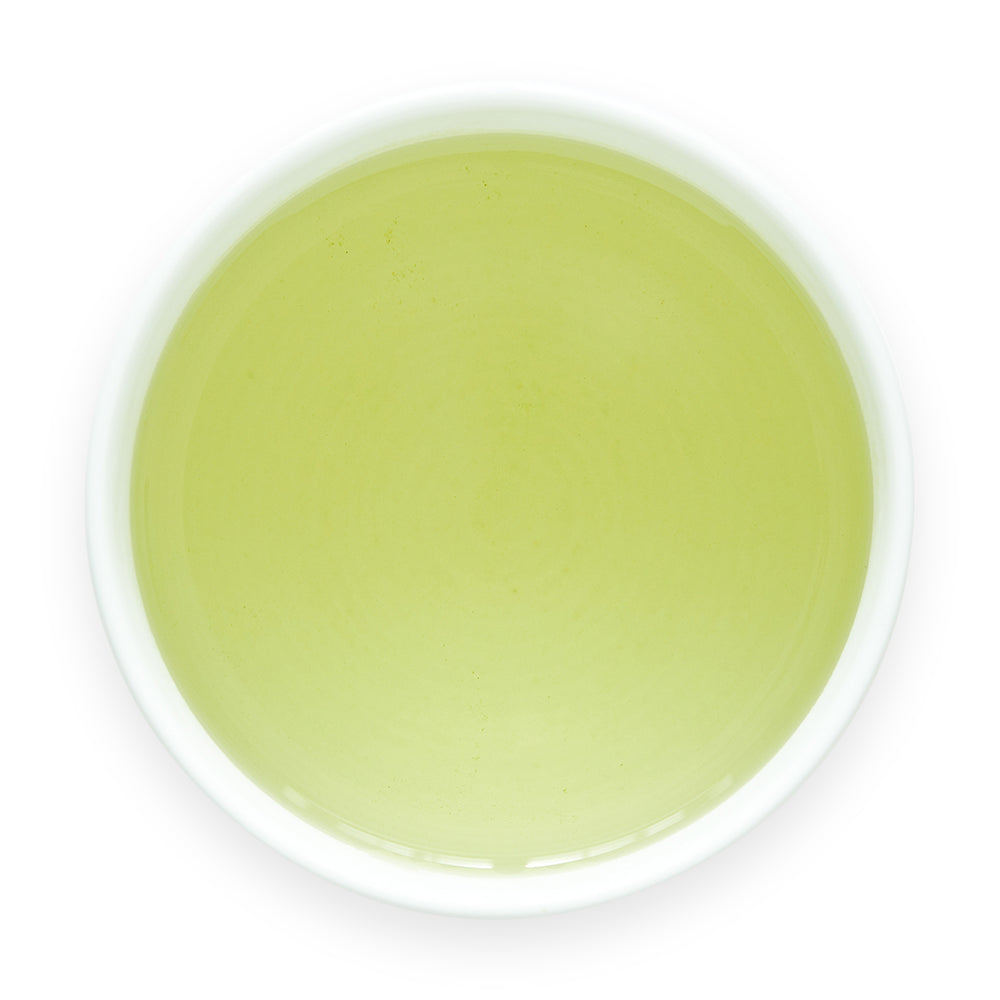
A blend of roasted brown rice and Kyoto matcha, creating a soothing green tea with a warm, toasty rice aroma and a refreshing, comforting flavor.