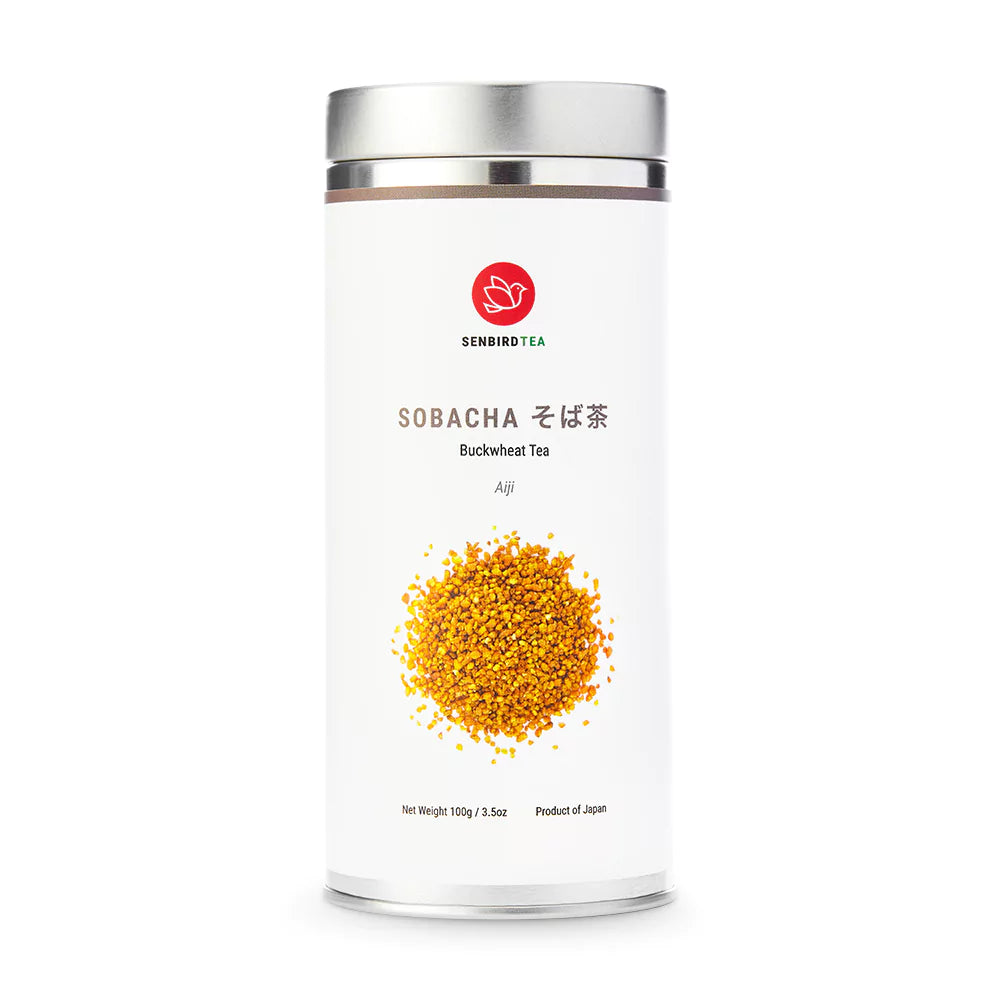
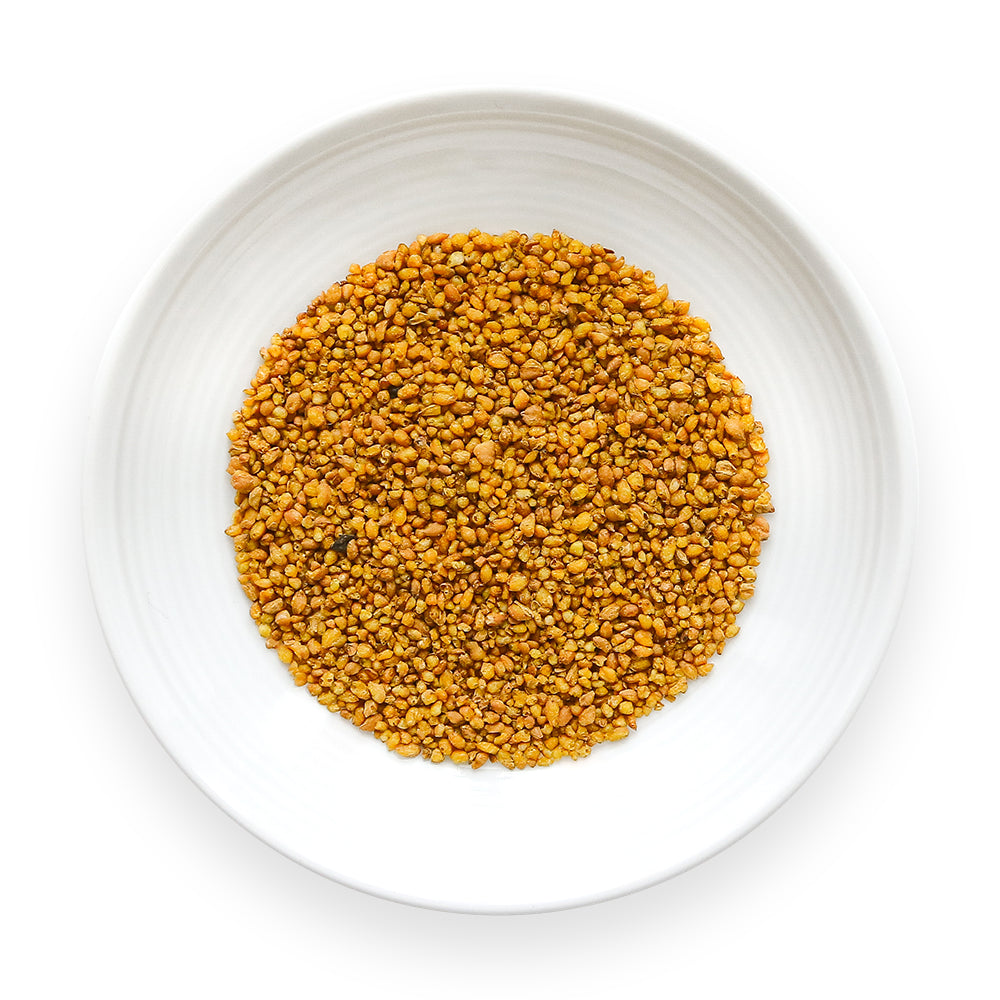
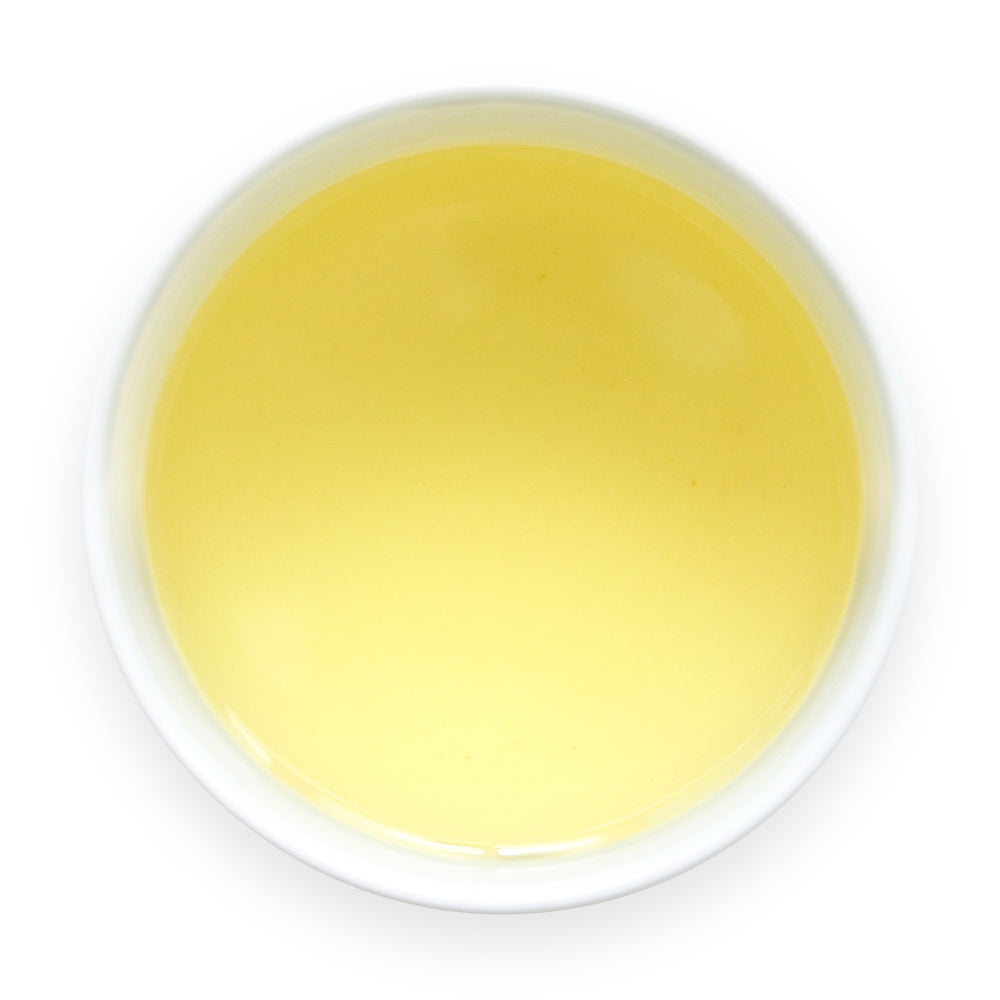
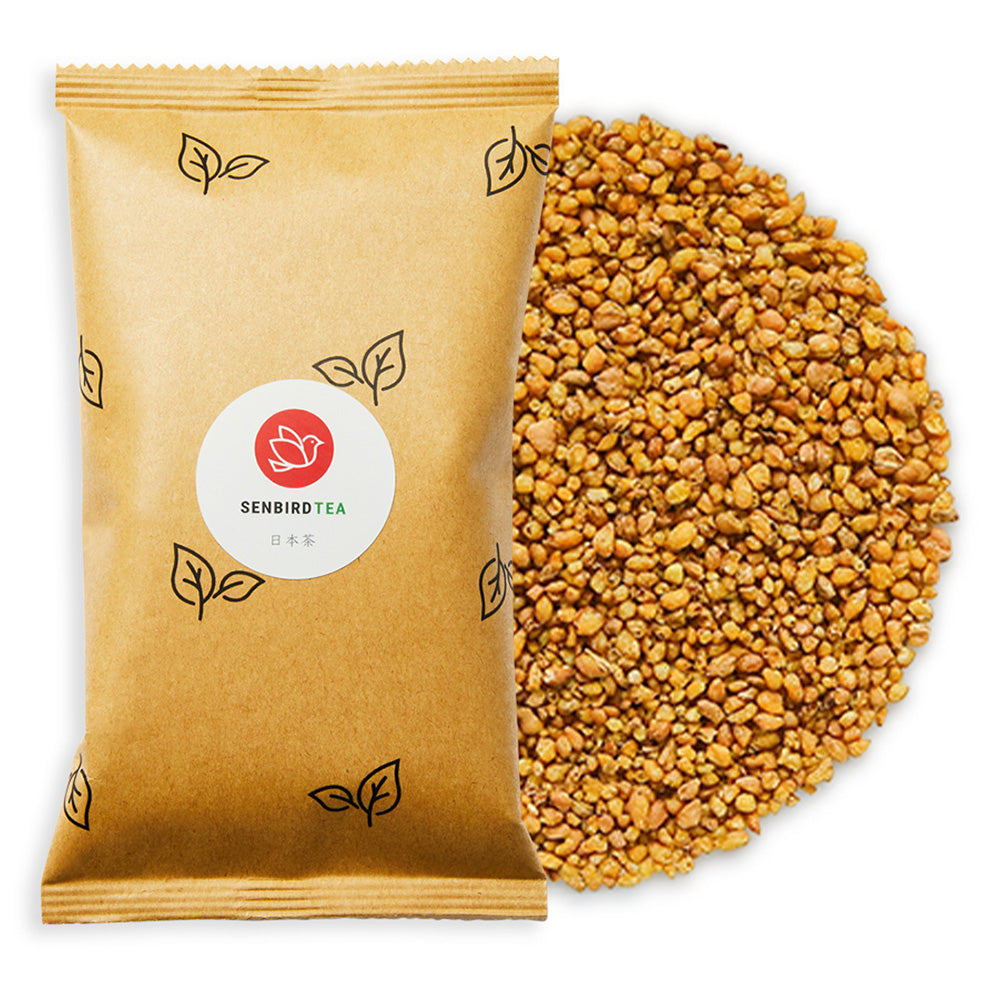
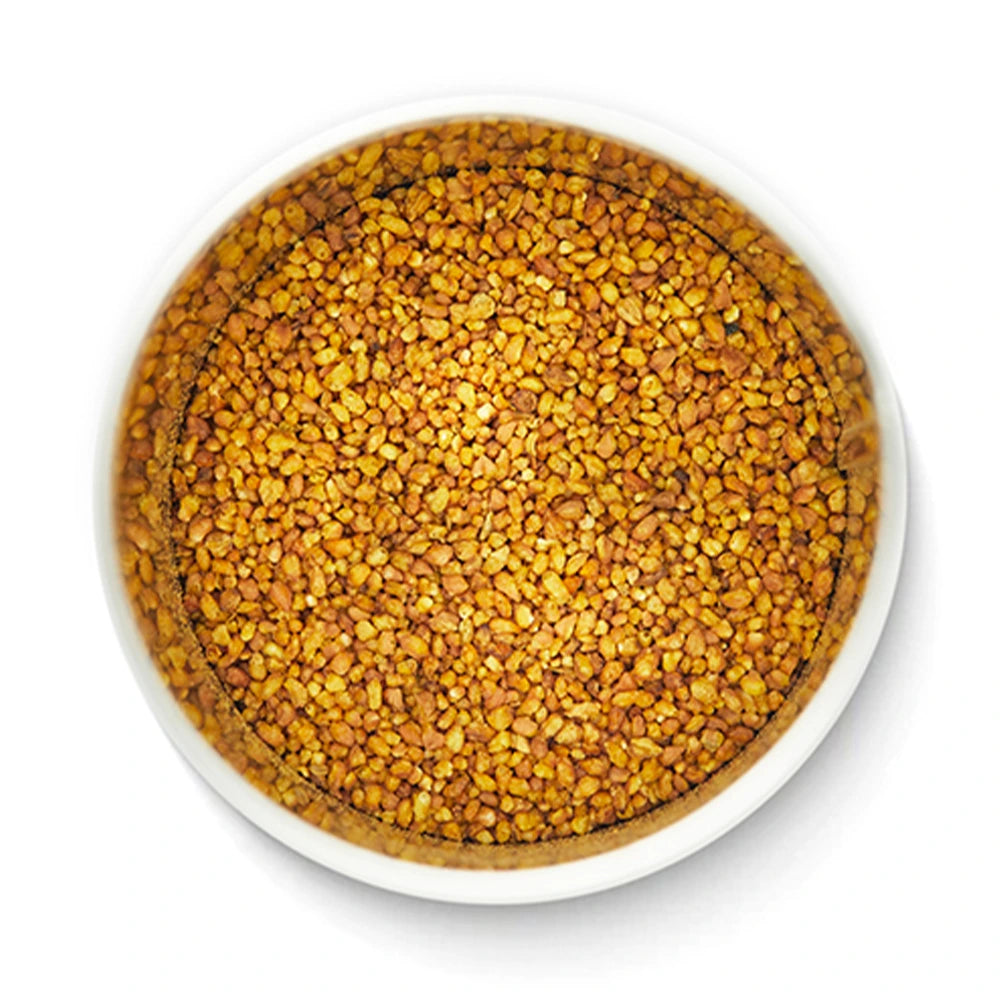
Sobacha is a caffeine-free Japanese herbal tea made from roasted buckwheat kernels, prized for its nutty, toasty flavor and impressive range of health benefits. Unlike true teas derived from the Camellia sinensis plant, sobacha comes from Fagopyrum esculentum (common buckwheat), making it naturally free of caffeine and suitable for drinking at any time of day. At Senbird Tea, we source premium Japanese sobacha that delivers the full spectrum of buckwheat’s nutritional benefits in every cup.
The information provided in this article is for educational and informational purposes only and is not intended as medical advice. It should not be used as a substitute for professional medical advice, diagnosis, or treatment. Always consult your physician or other qualified healthcare provider with any questions you may have regarding a medical condition or before making any changes to your diet or wellness routine.

Buckwheat is one of the most nutrient-dense pseudocereals available, and roasting the kernels into sobacha buckwheat tea concentrates key bioactive compounds—particularly rutin, a flavonoid that is rare in most other teas and foods. A 2018 study in the Journal of Agricultural and Food Chemistry found that tartary buckwheat tea contained significantly higher levels of rutin and quercetin than common buckwheat varieties, contributing to its anti-inflammatory and cardiovascular benefits.
Sobacha Aiji has been consumed in Japan for centuries, often alongside meals or as an evening beverage when caffeine-free options are preferred. The roasting process gives it a warm, nutty aroma similar to toasted grains, making it approachable for people who find green tea too vegetal or bitter.

Chronic inflammation is a root factor in conditions ranging from joint pain to cardiovascular disease. Buckwheat’s high rutin content has demonstrated significant anti-inflammatory effects in peer-reviewed research. A study published in Food Chemistry showed that rutin inhibits NF-κB signaling pathways—a key mechanism in the body’s inflammatory response—and reduces the production of pro-inflammatory cytokines.
For daily wellness, drinking 2–3 cups of Senbird Tea sobacha provides a meaningful dose of rutin without the side effects associated with pharmaceutical anti-inflammatory drugs. While sobacha is not a medical treatment, its anti-inflammatory compounds complement an overall healthy lifestyle.

Rutin strengthens capillary walls and improves blood circulation, which is why buckwheat has been studied extensively for cardiovascular health. A meta-analysis in Nutrients found that regular buckwheat consumption was associated with improved blood lipid profiles, including lower LDL cholesterol and triglyceride levels. These effects are attributed to the combined action of rutin, quercetin, and dietary fiber present in buckwheat.
For blood sugar management, buckwheat contains D-chiro-inositol, a compound that improves insulin sensitivity. A clinical study in the Journal of Agricultural and Food Chemistry demonstrated that buckwheat extract lowered post-meal blood glucose levels by 12–19% compared to control groups. Drinking sobacha after meals may support healthy blood sugar response, though it should complement rather than replace medical advice for diabetes management.

Beyond rutin, sobacha contains quercetin, vitexin, and other flavonoids that collectively provide broad-spectrum antioxidant protection. These compounds neutralize free radicals and support the immune system’s ability to respond to environmental stressors. Buckwheat is also a source of resistant starch, which acts as a prebiotic—feeding beneficial gut bacteria and supporting digestive health.
The combination of antioxidant and prebiotic properties makes sobacha particularly valuable for overall wellness, and one of the standout options in our Japanese herbal tea collection. A healthy gut microbiome influences everything from immune function to mood regulation, and the resistant starch in buckwheat contributes to microbial diversity that supports these processes.

One of sobacha’s most practical advantages is that it contains zero caffeine, making it suitable for evening drinking, for children, and for anyone managing caffeine sensitivity. If you enjoy caffeine-free Japanese teas, you may also love mugicha (roasted barley tea), another naturally caffeine-free staple. Unlike decaffeinated teas that undergo chemical processing, sobacha is inherently caffeine-free because buckwheat is not related to the tea plant.
Another unique feature: after brewing, the soaked buckwheat kernels are completely edible. They can be added to salads, yogurt, or oatmeal as a crunchy, nutritious topping. This zero-waste aspect makes Senbird Tea’s sobacha one of the most versatile items in the Japanese tea pantry.
| Property | Sobacha | Green Tea | Rooibos |
|---|---|---|---|
| Caffeine | 0 mg | 30–50 mg | 0 mg |
| Key antioxidant | Rutin | EGCG | Aspalathin |
| Flavor profile | Nutty, toasty | Grassy, vegetal | Sweet, earthy |
| Edible after brewing | Yes | No | No |
Yes. Despite the word "wheat" in buckwheat, buckwheat is not a grain and contains no gluten. It is a pseudocereal related to rhubarb and sorrel. Senbird Tea sobacha is naturally gluten-free and safe for people with celiac disease or gluten sensitivity, though those with severe allergies should verify that their specific product was processed in a gluten-free facility.
Add 1–2 tablespoons of roasted buckwheat kernels to 250 ml of boiling water (100°C) and steep for 3–5 minutes. Unlike delicate green teas, sobacha tolerates boiling water well and can be re-steeped 2–3 times. For a stronger flavor, increase the steeping time or add more kernels. For cafés and restaurants looking to serve sobacha, Senbird Tea offers wholesale Japanese tea with flexible ordering.
Sobacha is safe for daily consumption and is commonly enjoyed multiple times per day in Japan. Its zero caffeine content means there are no stimulant-related concerns. Regular consumption maximizes the cumulative benefits of rutin and other antioxidants for cardiovascular and anti-inflammatory support.
Sobacha has a warm, nutty flavor with toasted grain notes similar to roasted barley or toasted rice. It has no bitterness or astringency, making it one of the most approachable Japanese teas for newcomers. Many Senbird Tea customers describe it as naturally comforting—similar to the aroma of fresh baked goods.
Absolutely. The brewed buckwheat kernels are fully edible and retain their crunchy texture. Add them to salads, yogurt, granola, or oatmeal for a nutritious, fiber-rich topping. This makes sobacha a zero-waste beverage—you enjoy the tea and eat the ingredient.
そば茶愛児
Our popular sobacha with a toasty aroma and smooth, nutty sweetness, a comforting caffeine-free tea perfect for daily enjoyment.