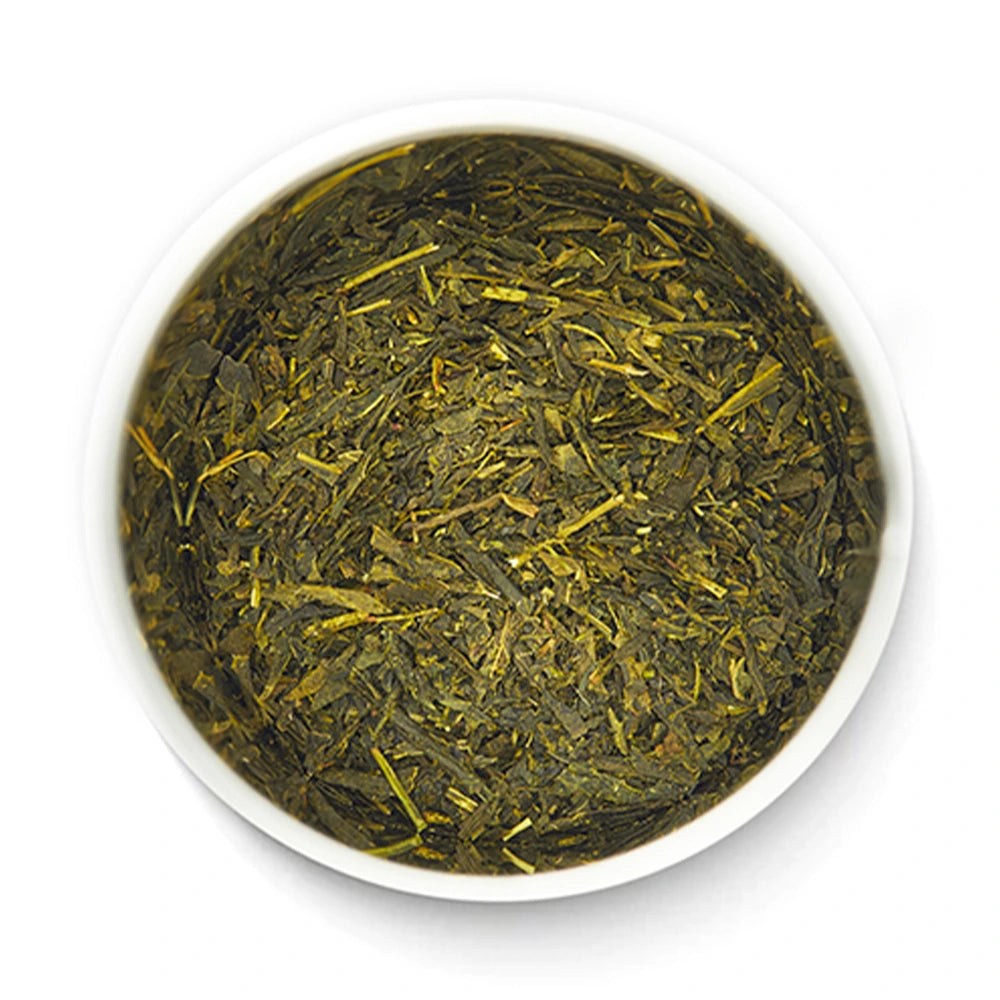
Shincha (新茶, "new tea") is the very first tea harvested each spring in Japan, typically picked between late April and mid-May, and prized for its exceptionally sweet, fresh flavor and high L-theanine content that develops during winter dormancy. Available for only a few weeks each year, shincha is one of the most eagerly awaited seasonal food events in Japan. Senbird Tea offers limited-quantity shincha releases each spring to share this fleeting experience with tea lovers worldwide.

Shincha isn't a different tea variety — it's first-flush sencha (ichibancha) sold and consumed fresh, without the extended storage that standard sencha undergoes. The differences between shincha and regular sencha come from both the leaf chemistry and the freshness:
Higher L-Theanine: During winter dormancy, tea plants accumulate amino acids — particularly L-theanine — in their roots and leaves. When spring growth begins, these stored amino acids are at their peak concentration before sunlight converts them into catechins. Shincha harvested in the first week or two contains up to 2–3x more L-theanine than later-harvest teas.
Lower Catechins: Because the leaves haven't been exposed to intense sunlight for long, catechin content (which contributes to bitterness and astringency) is lower than in later harvests. This creates shincha's signature sweetness and mellow character.
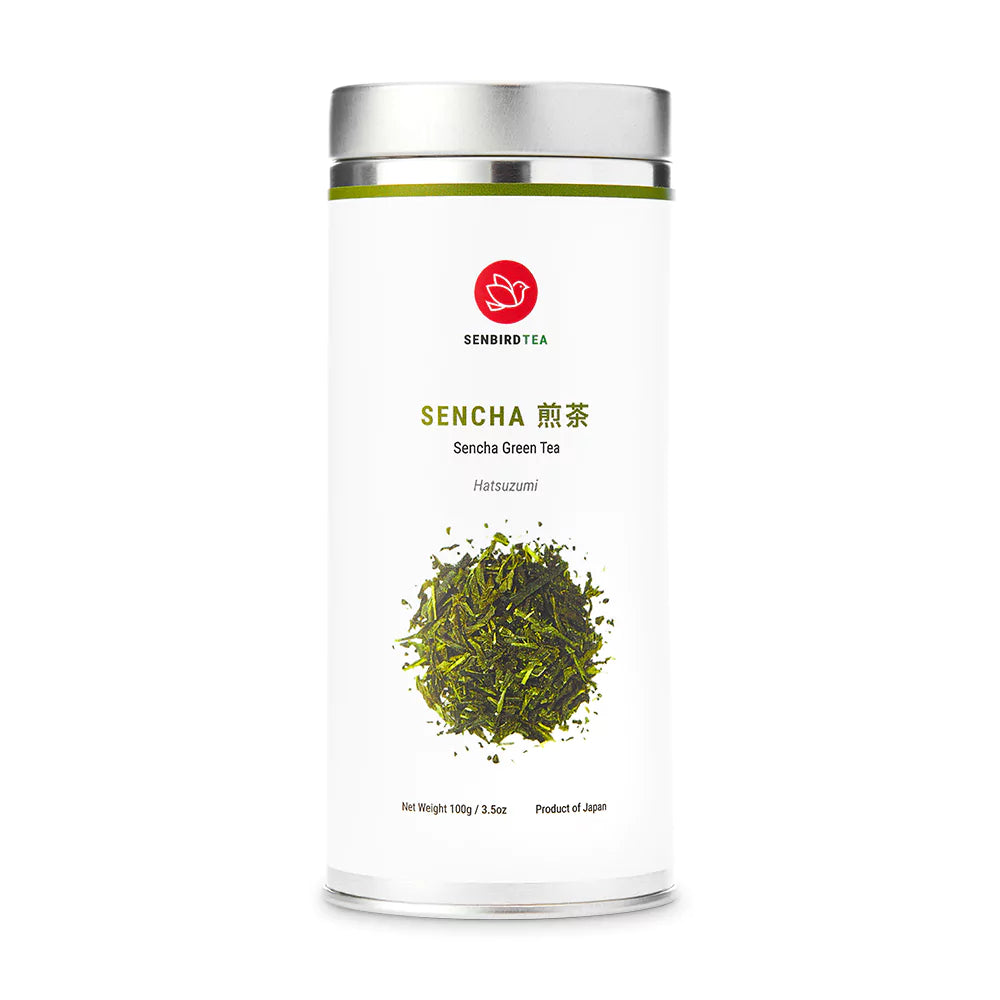
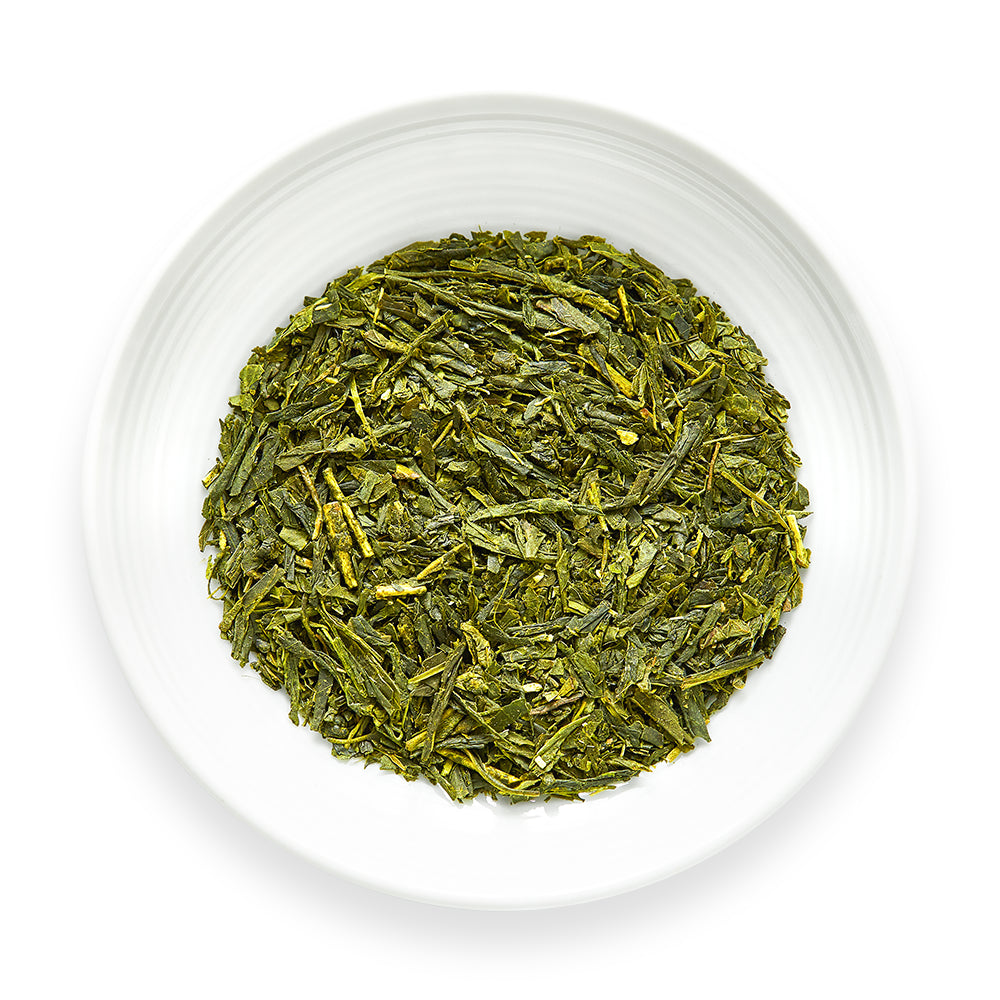
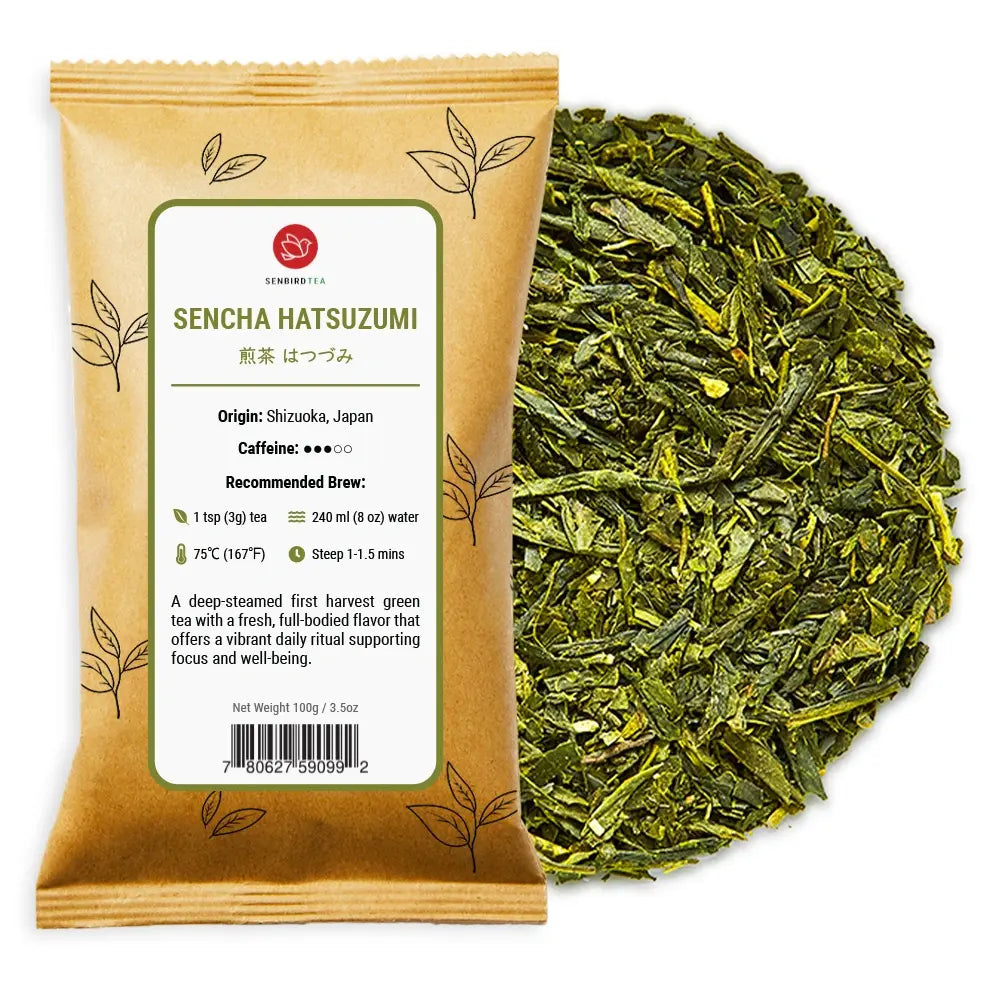
Fresh Aroma: Shincha is typically processed and shipped within days of harvest, preserving volatile aromatic compounds that dissipate during storage. The fresh, grassy, almost "new leaf" fragrance of shincha is distinctly different from aged sencha. For a taste of this first-flush quality, try Senbird Tea's Sencha Hatsuzumi.
| Factor | Shincha (First Flush) | Regular Sencha |
|---|---|---|
| Harvest | Late April – mid-May | May – October (various flushes) |
| L-Theanine | Very High | Moderate |
| Catechins | Lower | Higher |
| Flavor | Sweet, fresh, mellow | Balanced, vegetal, refreshing |
| Aroma | Intense, grassy, new-leaf | Standard green tea |
| Availability | Few weeks/year | Year-round |
| Price | Premium (limited supply) | Standard |

Japan's shincha season moves from south to north as spring warms the country, much like the cherry blossom front (sakura zensen):
| Region | Typical Harvest Start | Notes |
|---|---|---|
| Kagoshima (Kyushu) | Early–Mid April | Japan's earliest shincha, warm subtropical climate |
| Miyazaki | Mid April | Early Kyushu harvest |
| Uji (Kyoto) | Late April – Early May | Traditional benchmark date |
| Shizuoka | Late April – Mid May | Japan's largest production volume |
| Mie | Early – Mid May | Quality kabusecha shincha |
| Saitama (Sayama) | Mid May | Northern limit, late-season shincha |
In Japanese culture, the 88th day after the start of spring (risshun) — typically falling around May 2nd — is traditionally considered the ideal day for the first tea harvest. This day, called hachijū-hachiya (八十八夜), is celebrated with festivals and harvest ceremonies throughout Japan's tea regions.

Shincha's delicate character requires gentler brewing than standard sencha to preserve its signature sweetness and fresh aroma:
Water Temperature: 70°C (158°F) — slightly lower than standard sencha to minimize bitterness and highlight sweetness. The lower catechin content means less astringency risk, but lower temperatures still bring out the best flavor.
Leaf Amount: 5g (1 tablespoon) per 150 ml of water. Use slightly more leaf than usual to capture the full intensity of the fresh flavors.
Steep Time: 60–90 seconds for the first infusion. Shorter than typical sencha because shincha leaves unfurl quickly due to their freshness and higher moisture content.
Second Steep: Pour water at 80°C for 15–30 seconds. Shincha opens beautifully on the second steep, revealing more vegetal and umami notes.
Third Steep: 80–85°C for 30–45 seconds. The third infusion has a lighter, more refreshing character. Explore our teaware collection.

Shincha holds deep cultural significance in Japan. There's a traditional saying: "Drinking shincha from the first harvest will keep you healthy for the entire year." This belief reflects both the nutritional value of first-flush tea (highest in beneficial amino acids) and the Japanese concept of seasonal eating (shun, 旬) — consuming foods at their peak freshness and flavor.
Tea festivals during shincha season draw thousands of visitors to regions like Shizuoka and Uji. Farmers offer fresh-picked leaves for visitors to brew, and tea shops compete to sell the year's first production. The excitement is comparable to Beaujolais Nouveau in French wine culture — a celebration of the new harvest. Explore our Japanese tea collection.
For many Japanese families, receiving shincha as a gift is a treasured spring tradition. Senbird Tea's limited shincha releases honor this tradition, bringing the excitement of Japan's first harvest directly to your door.
Shincha (新茶, "new tea") is the very first Japanese green tea harvested each spring, typically between late April and mid-May. It's essentially first-flush sencha sold fresh within days of harvest rather than stored. Shincha is prized for its exceptionally sweet flavor, fresh grassy aroma, and high L-theanine content that accumulates during winter dormancy.
Shincha season runs from early April through mid-May, progressing south to north across Japan. Kagoshima (southernmost) harvests first in early April, followed by Uji in late April, Shizuoka in late April to early May, and northern regions through mid-May. The traditional benchmark date is hachijū-hachiya, the 88th day after the start of spring (around May 2nd).
Shincha isn't objectively "better" — it's different. It has higher L-theanine (sweeter, more umami), lower catechins (less bitter), and a fresh aroma that regular sencha lacks. Regular sencha offers more balanced flavors and year-round availability. Many tea connoisseurs consider shincha the peak Japanese tea experience, but preference is personal. Learn more in our Gyokuro vs Sencha comparison.
Shincha is best consumed within 2–3 weeks of purchase to enjoy its signature freshness. Store in an airtight, opaque container in the refrigerator (not freezer). Bring to room temperature before opening to prevent condensation from moisture-damaged leaves. Once opened, consume as quickly as possible — shincha's delicate volatile aromatics fade rapidly.
Shincha commands premium prices due to limited supply (only the first few days of harvest), higher labor costs (careful hand or precision-machine picking of the tenderest new growth), and intense demand from both Japanese and international buyers. First-flush leaves are also the highest quality of the year, with the best amino acid profiles.
煎茶はつづみ
A deep-steamed first harvest green tea with a fresh, full-bodied flavor that offers a vibrant daily ritual supporting focus and well-being.