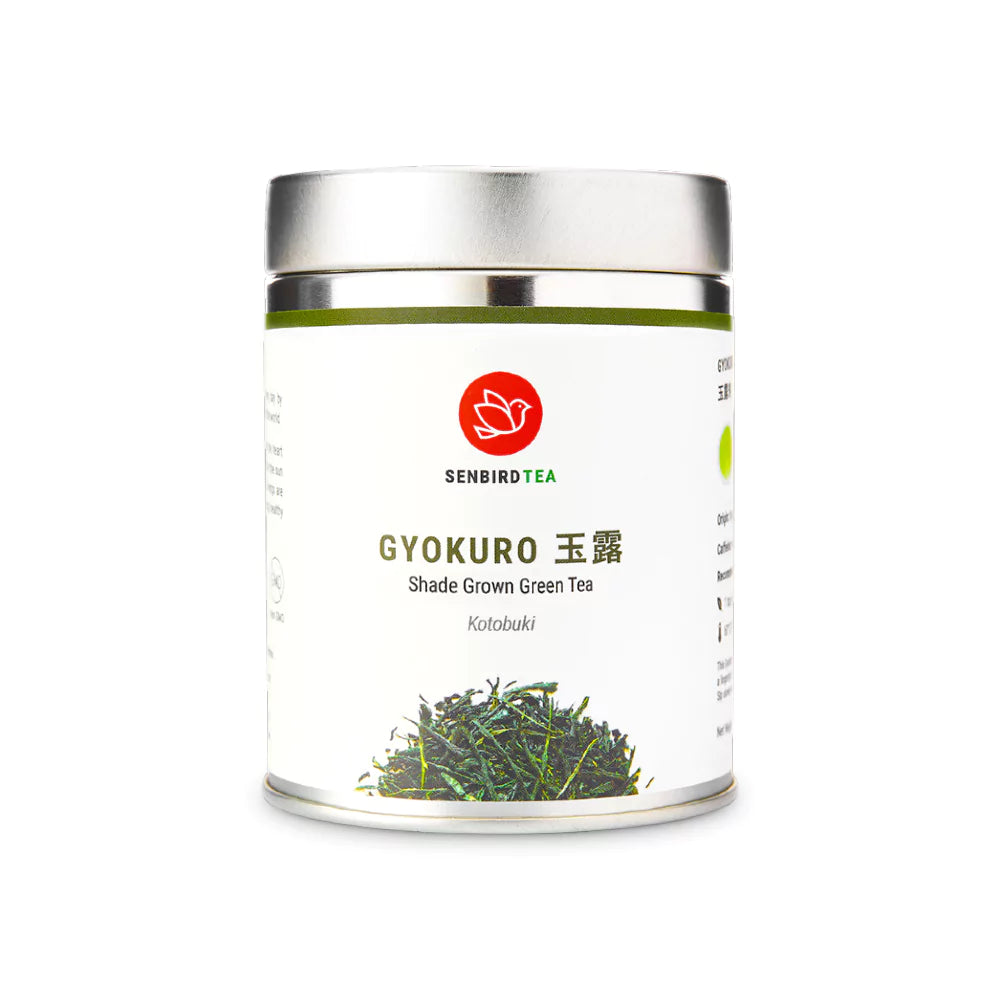
Gyokuro is Japan's most prized shade-grown green tea, and its unique cultivation — covered under shade nets for 20 or more days before harvest — concentrates L-theanine, chlorophyll, and catechins to levels far above standard sencha. Senbird Tea sources single-origin gyokuro from Yame and Uji, two of Japan's premier growing regions, delivering a rich umami flavor and a potent health profile in every cup.
The information provided in this article is for educational and informational purposes only and is not intended as medical advice. It should not be used as a substitute for professional medical advice, diagnosis, or treatment. Always consult your physician or other qualified healthcare provider with any questions you may have regarding a medical condition or before making any changes to your diet or wellness routine.

While all Japanese green teas share a base of beneficial compounds, gyokuro's extended shading period triggers a biochemical shift. Without direct sunlight, the tea plant converts less L-theanine into catechins, resulting in up to five times more L-theanine than sun-grown sencha. This amino acid concentration is what gives gyokuro its signature sweet umami taste and its distinctive calm-focus effect.
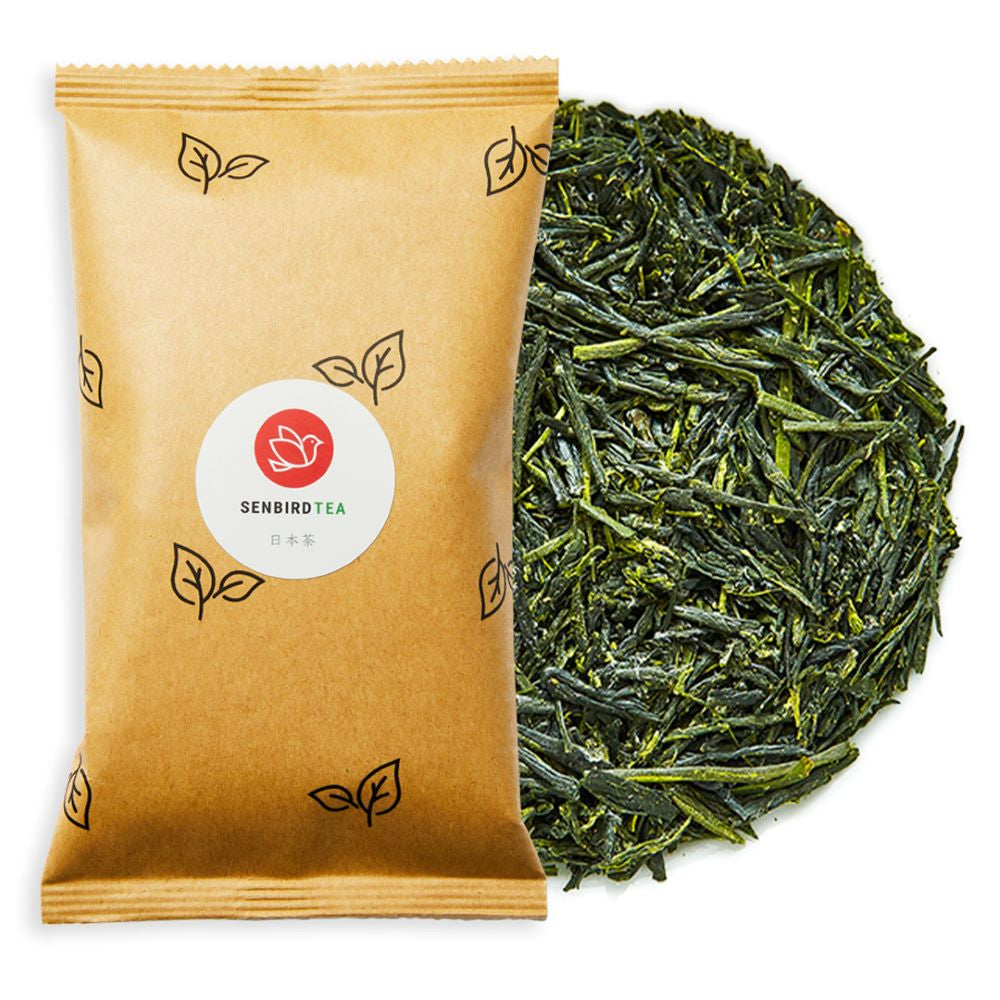
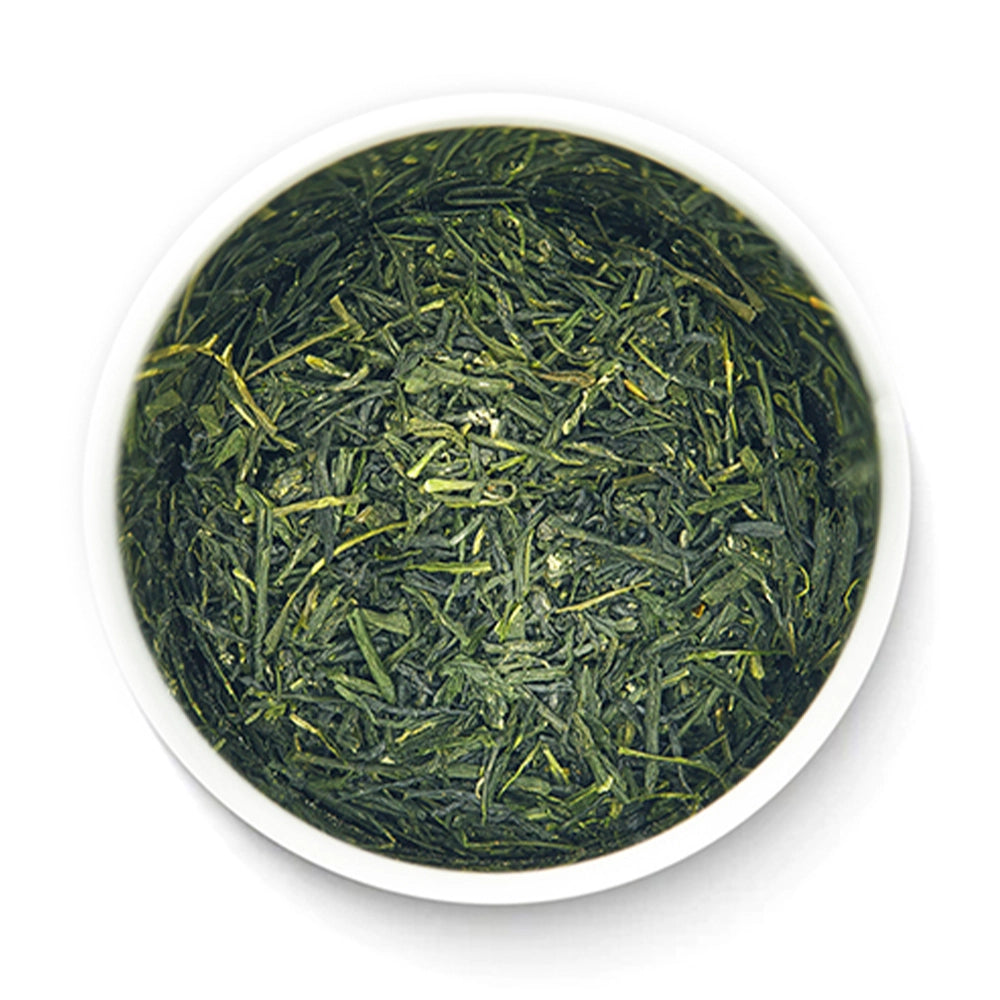
The traditional tana-style shading uses a scaffold framework draped with straw or synthetic mesh, creating a canopy several feet above the tea bushes. This method, perfected over centuries in regions like Uji (Kyoto) and Yame (Fukuoka), allows air circulation while blocking 85–95% of sunlight — preventing mold and ensuring even amino acid development across the entire field. Without direct sunlight, chlorophyll production increases dramatically, giving gyokuro its deep emerald color, while the plant retains L-theanine levels of 1,500–2,500 mg per 100g of dry leaf compared to sencha's 300–600 mg.

Gyokuro contains roughly 120–140 mg of L-theanine per serving — one of the highest concentrations of any tea. A 2021 randomized controlled trial in Nutrients found that L-theanine promotes alpha brain-wave activity, the pattern associated with relaxed alertness. Combined with gyokuro's moderate caffeine (about 35 mg per cup), this creates a state of focused calm without jitters. It is the same biochemical balance that Zen monks relied on during long meditation sessions.

The catechins in gyokuro — particularly EGCG — have been linked to improved cardiovascular markers. A 2019 meta-analysis of 31 randomized controlled trials published in the European Journal of Clinical Nutrition found that regular green tea consumption reduced LDL cholesterol by an average of 4.5 mg/dL and systolic blood pressure by 1.8 mmHg. Gyokuro's higher polyphenol density per cup means fewer servings may be needed to achieve these effects compared to standard green teas.

EGCG is a potent antioxidant that neutralizes free radicals caused by UV radiation and pollution. A 2020 systematic review in Dermatology and Therapy confirmed that green tea polyphenols reduce markers of photoaging and support collagen synthesis. Gyokuro's shade-grown leaves contain higher chlorophyll levels, which research suggests contributes additional detoxification support at the cellular level. Drinking one to two cups of a premium shade-grown variety such as Gyokuro Mikado daily provides a meaningful antioxidant boost for skin health.

Green tea catechins, especially EGCG, increase thermogenesis and fat oxidation. A meta-analysis of 11 studies in the International Journal of Obesity found that green tea extract boosted energy expenditure by approximately 4.7 percent over 24 hours. Gyokuro's concentrated catechin content means a single cup delivers a comparable polyphenol dose to two or three cups of standard green tea, making it an efficient addition to a weight-management routine alongside balanced nutrition and regular activity.

Gyokuro naturally contains fluoride and catechins that inhibit the growth of Streptococcus mutans, the primary cavity-causing bacterium. A 2020 review in the European Journal of Dentistry found that regular green tea consumption reduces plaque formation and lowers cavity risk. Unlike coffee, green tea is closer to neutral pH, which means less enamel erosion. Drinking gyokuro unsweetened maximizes dental benefits.

EGCG has attracted significant attention in oncology research for its ability to inhibit cell proliferation in laboratory models. A 2018 review in Molecules documented EGCG's role in modulating cell-signaling pathways associated with tumor growth. While human clinical trials are still ongoing and no tea should be considered a cure, epidemiological studies from Japan suggest that populations consuming three or more cups of green tea daily show lower incidence rates for certain cancers. Gyokuro's exceptionally high EGCG levels make it one of the most studied varieties in this field.

| Compound | Gyokuro | Sencha | Matcha | Hojicha |
|---|---|---|---|---|
| L-Theanine | Very High (~140 mg) | Moderate (~25 mg) | High (~50 mg) | Low (~10 mg) |
| EGCG | High | Moderate | Very High (whole leaf) | Low (roasted) |
| Caffeine | ~35 mg/cup | ~25 mg/cup | ~70 mg/cup | ~15 mg/cup |
| Flavor | Rich umami, sweet | Fresh, grassy | Creamy, vegetal | Toasty, smooth |
| Best For | Calm focus, heart | Daily antioxidant | Energy, skin | Evening relaxation |
Senbird Tea's matcha delivers the highest EGCG per serving since you consume the whole leaf, while gyokuro leads in L-theanine concentration. For a calming evening option, hojicha offers a toasty, low-caffeine alternative. For those new to shade-grown tea, Gyokuro Isshin is an accessible starting point with a smooth umami character that showcases everything that makes this category special.
Most studies showing measurable benefits use two to three cups of green tea daily. Because gyokuro is more concentrated in L-theanine and catechins than standard sencha, one to two cups per day provides a strong baseline. Senbird Tea recommends starting with one cup in the morning for focused energy and adding a second in the early afternoon.
Gyokuro contains significantly more L-theanine and chlorophyll than sencha due to its extended shading period. For calm focus and cardiovascular support, gyokuro has an edge. Sencha offers a lighter flavor and slightly higher catechin-to-theanine ratio, making it a strong everyday antioxidant tea. Both are excellent choices — gyokuro is simply more concentrated.
Yes, gyokuro typically contains about 35 mg of caffeine per cup compared to sencha's 20–25 mg. However, the high L-theanine content in gyokuro modulates caffeine absorption, producing smooth energy without the spikes and crashes associated with coffee. Most people find gyokuro more calming than stimulating despite its higher caffeine level.
Gyokuro's caffeine content makes it better suited for morning or early afternoon. For evening tea, Senbird Tea recommends hojicha (very low caffeine) or caffeine-free options like kuromamecha or mugicha. If you are less sensitive to caffeine, a small cup of gyokuro brewed at a lower temperature can work up to about four hours before bed.
Brew Gyokuro Kotobuki at 50–60 °C (122–140 °F) for 90 seconds to two minutes. Lower temperatures extract more L-theanine and less bitterness, while still releasing catechins. Use about 5 grams of leaves per 60 ml of water. Gyokuro supports multiple steeps — the second and third infusions continue to release beneficial compounds with slightly different flavor profiles.
玉露寿
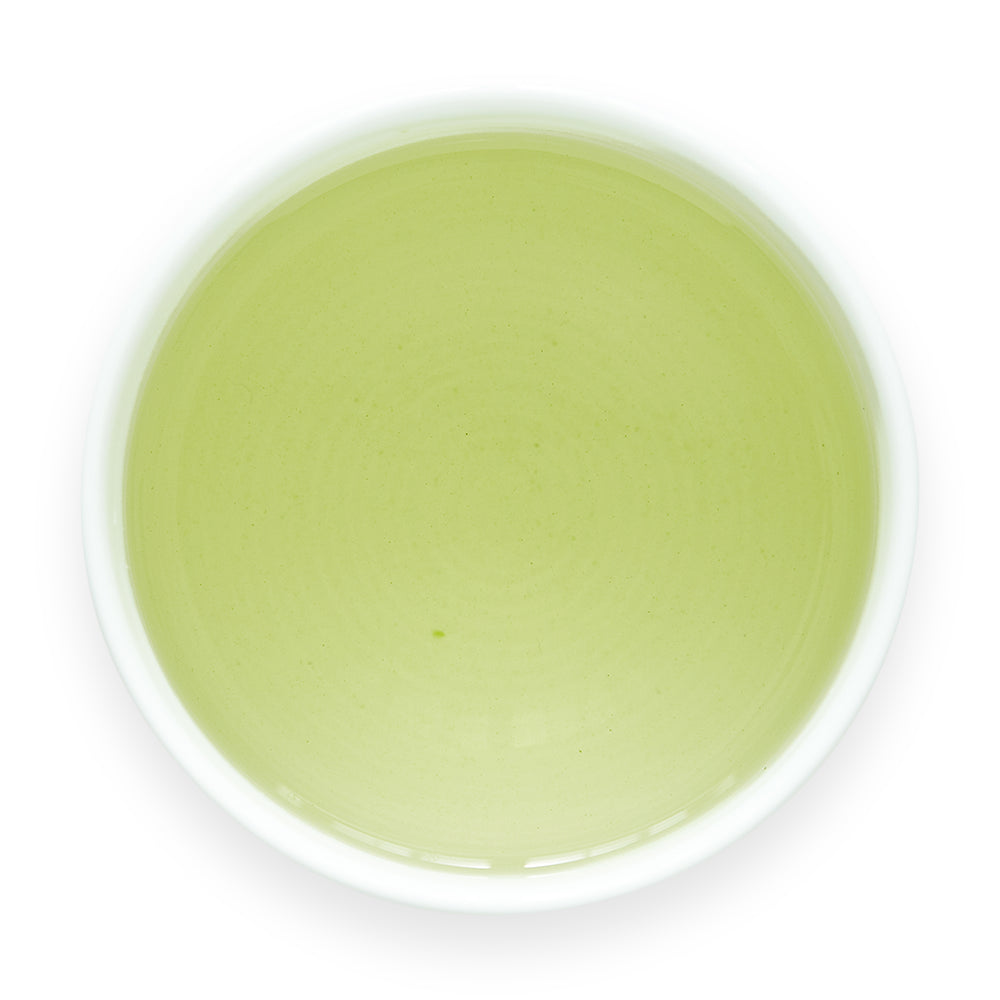
A premium gyokuro from Kyoto with a rich jade color, bold umami, and a smooth, refined character perfect for mindful tea rituals.