The best green tea for weight loss is matcha, but not because it “melts fat” on its own. Matcha is the strongest choice because you consume the whole powdered leaf, which delivers more catechins, caffeine, and L-theanine per serving than most steeped green teas. These compounds may modestly support fat oxidation, energy expenditure, and appetite steadiness when paired with a balanced diet, regular movement, and enough sleep.
For readers comparing Japanese green teas, the most practical ranking is simple: matcha first for concentrated catechins, sencha second for everyday metabolic support, gyokuro as a refined but less practical daily option, then genmaicha and hojicha as gentler, lower-caffeine choices that can help replace higher-calorie drinks or evening snacks. Here is how each type fits into a realistic weight-management routine.
The information provided in this article is for educational and informational purposes only and is not intended as medical advice. It should not be used as a substitute for professional medical advice, diagnosis, or treatment. Always consult your physician or other qualified healthcare provider with any questions you may have regarding a medical condition or before making any changes to your diet or wellness routine.

Green tea’s weight-management benefits come from a combination of catechins, caffeine, and L-theanine. The best-studied catechin is EGCG, a plant compound that may help support fat oxidation and energy expenditure. Caffeine can also increase thermogenesis slightly, while L-theanine helps smooth caffeine’s effects so the energy lift feels steadier.
Clinical research suggests the effect is real but modest. Green tea catechins with caffeine have been associated with small average reductions in body weight over several weeks, especially when paired with exercise. That means green tea is best understood as a daily support ritual, not a standalone weight-loss solution.
The practical takeaway: choose a green tea you can drink consistently, keep caffeine within your personal tolerance, and use tea to support habits that matter most, such as hydration, movement, mindful eating, and replacing sugary drinks.

| Rank | Tea Type | Best Use | Caffeine Level | Why It Helps |
|---|---|---|---|---|
| 1 | Matcha | Morning or pre-workout | Higher | Whole-leaf powder delivers the most concentrated catechin and caffeine support per serving. |
| 2 | Sencha | Daily afternoon tea | Moderate | A balanced everyday green tea with catechins, gentle caffeine, and a clean vegetal taste. |
| 3 | Gyokuro | Occasional focused ritual | Moderate to higher | Shade-grown leaves offer rich umami and L-theanine, though it is usually brewed in smaller servings. |
| 4 | Genmaicha | Gentle daily swap | Lower to moderate | Toasted rice makes it satisfying, which can help replace sweetened drinks or snack cravings. |
| 5 | Hojicha | Evening substitute | Lower | Roasted flavor and low caffeine make it useful when replacing dessert-like evening drinks. |
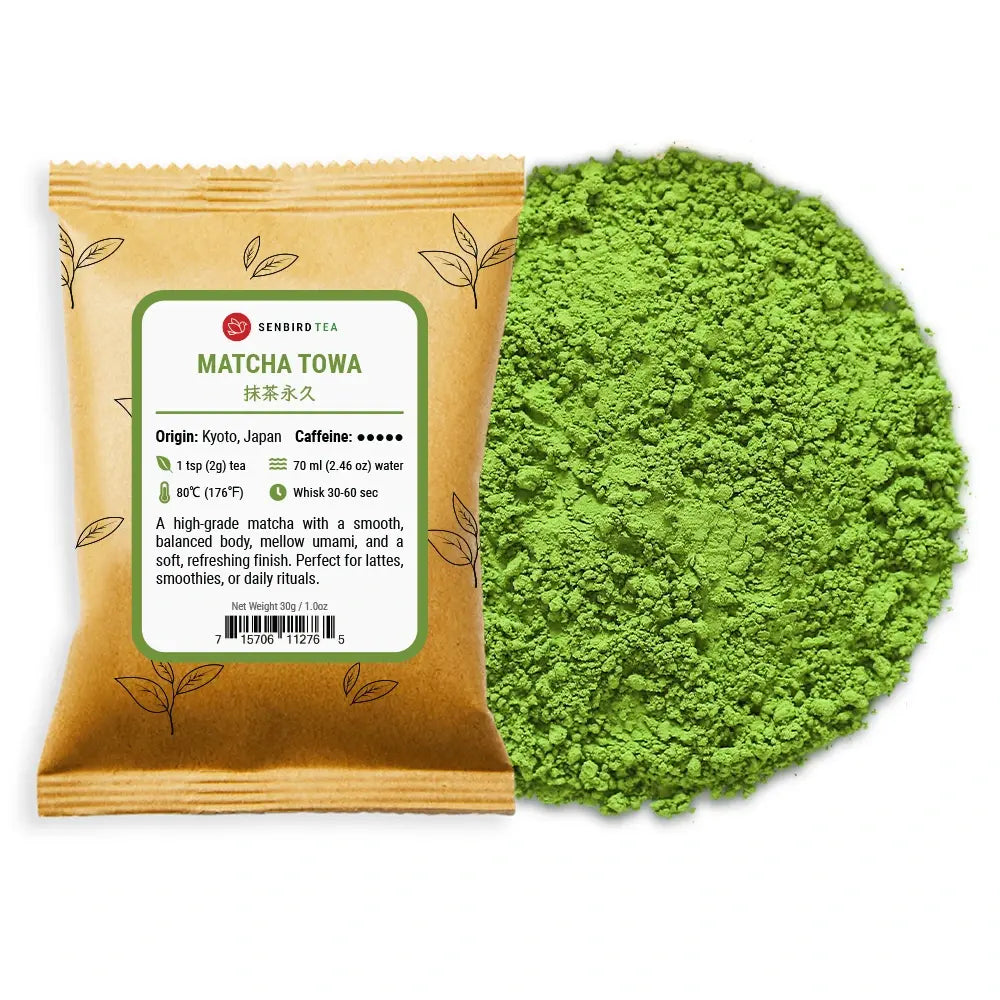
For the most concentrated green tea option, start with Senbird Tea’s Matcha Towa, the best featured product fit for this article’s main recommendation.
For a broader comparison of ceremonial and everyday options, explore the full Japanese matcha powder collection. If you prefer steeped loose leaf tea, sencha is the most practical everyday choice.

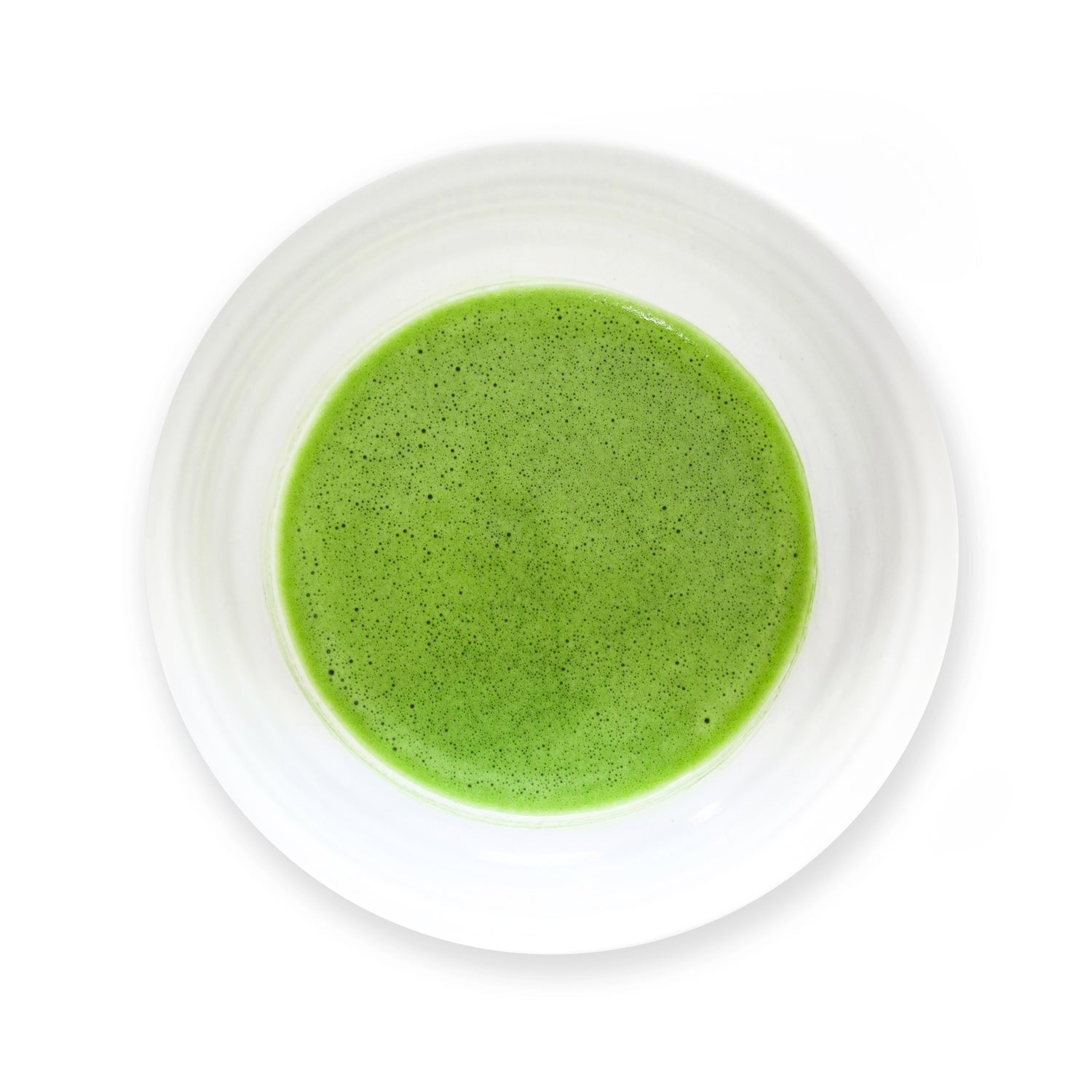
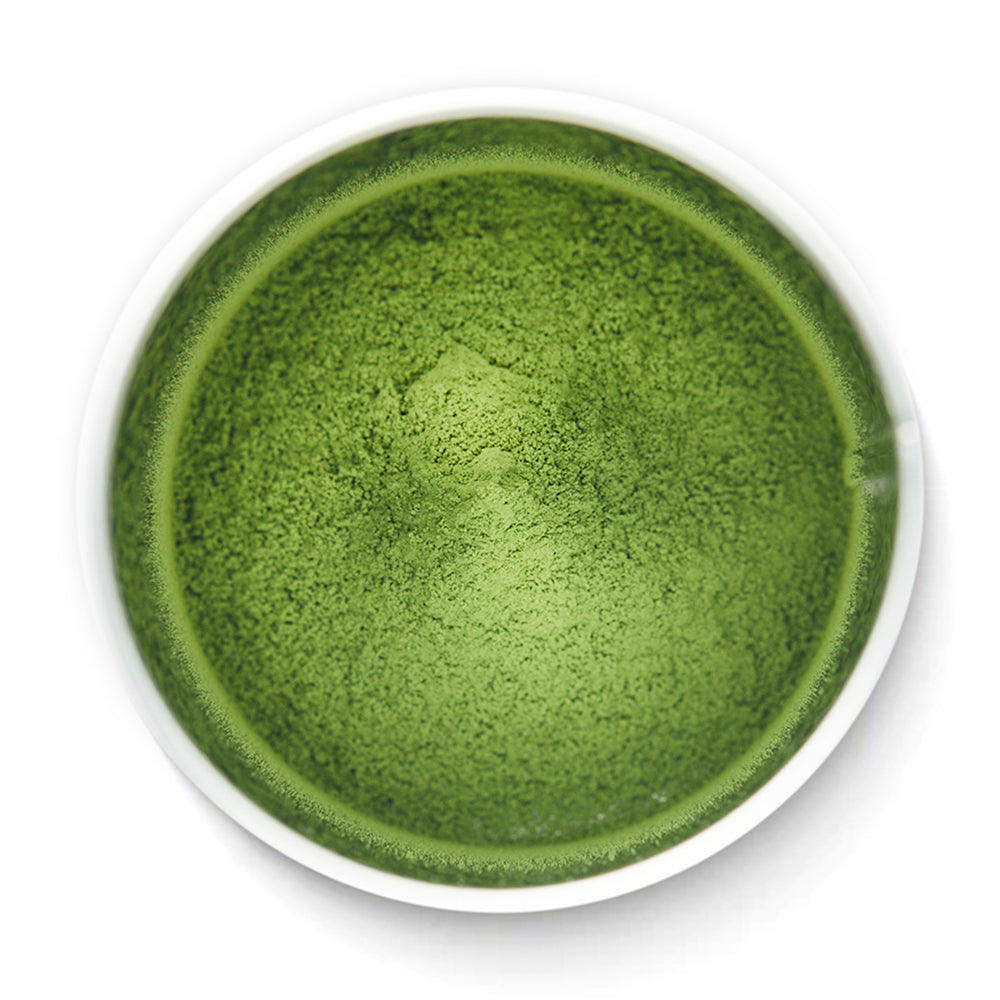
Matcha ranks first because it is made from finely stone-milled green tea leaves. With steeped tea, you drink the infusion. With matcha, you consume the leaf itself, which makes it a more concentrated way to enjoy catechins, caffeine, chlorophyll, and amino acids in one serving.
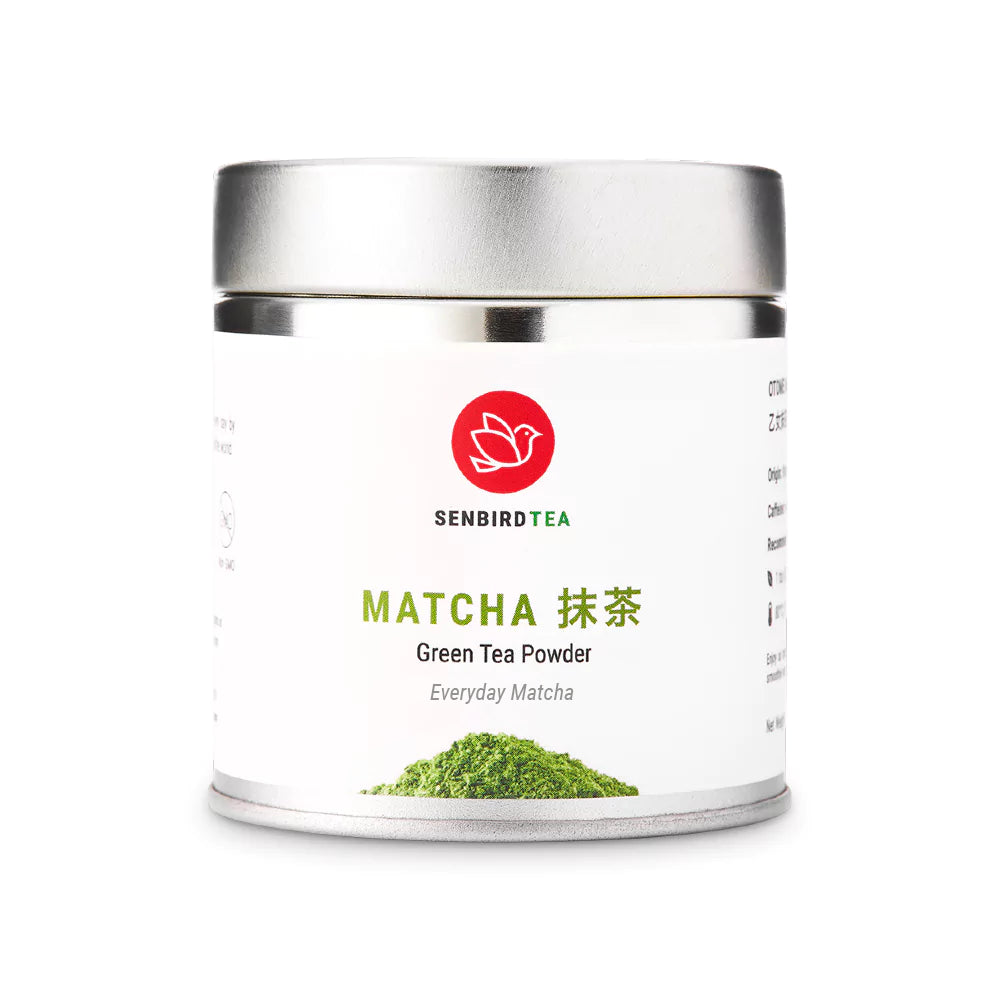
That concentration makes matcha especially useful in the morning or before a workout. For a more accessible daily preparation, everyday matcha powder is another helpful option for readers who want matcha as part of a consistent routine.
Matcha still works best as part of a realistic routine. A daily bowl or latte can support energy and consistency, but the meaningful results come from the habits around it: regular meals, movement, sleep, and choosing unsweetened tea instead of high-calorie drinks.

A simple daily rhythm is more useful than trying to drink as much green tea as possible. Too much caffeine can disrupt sleep, and poor sleep can work against weight-management goals.
Morning: Choose matcha for focused energy and the most concentrated catechin support. This is the best time for readers who want green tea to replace coffee or a sweetened morning drink.
Afternoon: Choose a refined Japanese sencha for a lighter lift. Sencha is easy to drink regularly and pairs well with a calm afternoon reset.
Before exercise: Choose matcha or sencha 30-60 minutes before movement if caffeine works well for your body. Research on green tea extract suggests catechins and caffeine may support fat oxidation during moderate exercise, but the benefit is supportive, not automatic.
Evening: Choose a lower-caffeine roasted tea. The hojicha roasted green tea collection is a better fit than matcha late in the day because it feels warm and satisfying without the same caffeine intensity.
If matcha feels too strong, build the routine around the sencha green tea collection instead. The best tea is the one you can enjoy consistently without disrupting digestion, sleep, or appetite.

Green tea can support weight management, but it should not be framed as a quick fix. Research points to modest changes over time, and those changes depend heavily on the rest of the routine.
Expect support, not a guarantee: Green tea catechins and caffeine may modestly increase energy expenditure and fat oxidation, but they do not override calorie intake, exercise, sleep, stress, or overall health.
Use unsweetened tea: The benefit is strongest when green tea replaces a sugary drink or dessert-like beverage. Adding a lot of sugar, syrup, or cream can cancel out the calorie advantage.
Respect caffeine sensitivity: Matcha and sencha contain caffeine. If caffeine makes you anxious, disrupts sleep, or irritates your stomach, choose smaller servings, drink tea with food, or switch to lower-caffeine options later in the day.
Choose quality loose leaf tea: A consistent ritual with well-sourced Japanese green tea is more sustainable than chasing extreme doses. Explore Senbird Tea’s green tea collection to compare matcha, sencha, gyokuro, genmaicha, and hojicha based on taste, caffeine level, and routine.
Matcha is the strongest green tea choice for metabolic support because you consume the whole powdered leaf. That gives it a higher concentration of catechins and caffeine per serving than most steeped teas. It may support fat oxidation, especially around exercise, but it does not burn fat independently of diet and lifestyle.
Most people do best with 1-3 servings of green tea per day, depending on caffeine tolerance. Matcha is more concentrated, so one serving may feel stronger than a cup of sencha. Avoid pushing intake so high that it disrupts sleep or digestion.
Before exercise is the better choice if caffeine suits you. Drinking matcha or sencha 30-60 minutes before movement may support energy and fat oxidation during moderate exercise. If caffeine bothers your stomach, drink it with a small snack or after exercise instead.
Whole tea is the better everyday choice for most people because it offers a balanced ritual with flavor, hydration, caffeine, L-theanine, and catechins. Green tea extract is more concentrated and should be approached carefully, especially at high doses.
You can, but it is not necessary. Some people feel stomach discomfort from green tea on an empty stomach. If that happens, drink it after breakfast or choose a gentler tea like genmaicha or hojicha.
抹茶永久
A high-grade matcha with a smooth, balanced body, mellow umami, and a soft, refreshing finish, perfect for lattes, smoothies, or daily rituals.