Cold brew tea is a simple, refreshing preparation method that steeps tea leaves in cold or room-temperature water for several hours instead of using hot water. This gentle extraction process produces a naturally sweeter, smoother, and less bitter cup of tea because cold water pulls out L-theanine and delicate flavor compounds more efficiently than astringent catechins and tannins. Senbird Tea has developed three signature cold brew recipes — classic cold brew sencha, refreshing cold brew mugicha (barley tea), and sparkling yuzu sencha — that showcase the versatility and delicious results of cold brewing Japanese teas at home.

Cold brew sencha is the foundation of Japanese cold tea culture and produces a refreshing, umami-rich beverage that is perfect for warm weather sipping. The cold water extraction emphasizes sencha's natural sweetness and amino acid content while minimizing the grassy bitterness that can occur when sencha is brewed with water that is too hot. This recipe is a staple of Japanese households during the summer months and is served at restaurants throughout Japan as a complimentary refreshment.
| Ingredient | Amount | Notes |
|---|---|---|
| Sencha loose leaf tea | 10g (about 2 tablespoons) | Use Senbird Tea premium sencha |
| Cold filtered water | 750ml (about 3 cups) | Room temperature or refrigerator cold |
| Brewing vessel | Glass pitcher or bottle | With lid for refrigerator storage |
| Steep time | 4–6 hours | Refrigerator; overnight works perfectly |
Place the sencha leaves in your glass pitcher or cold brew bottle. If your vessel has a built-in filter basket, place the leaves inside it for easy removal later. Pour the cold filtered water over the leaves, seal the container, and place it in the refrigerator. Allow the tea to steep for a minimum of 4 hours, though overnight steeping (8–10 hours) produces the richest, most developed flavor. Once steeping is complete, strain out the leaves or remove the filter basket. The cold brew sencha will keep in the refrigerator for up to 48 hours, though the flavor is at its peak within the first 24 hours. Serve over ice or drink chilled without ice for the most concentrated flavor.

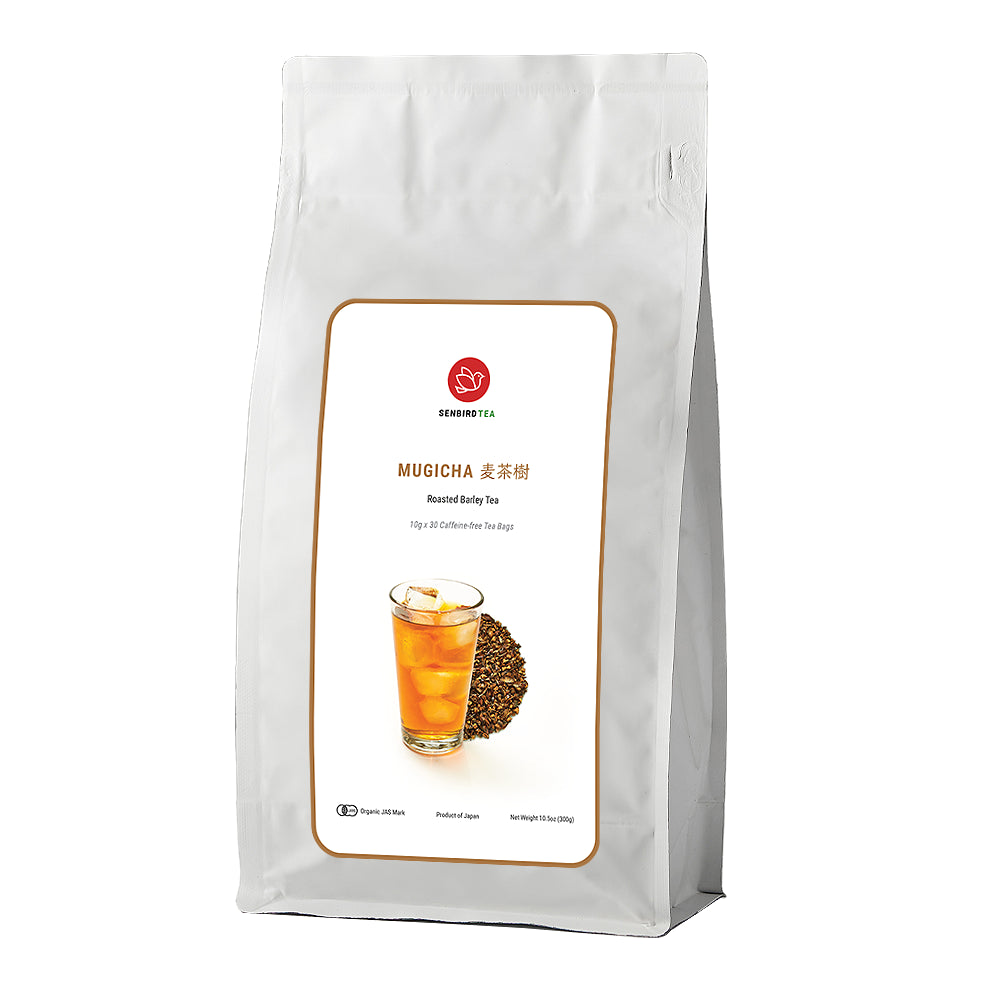
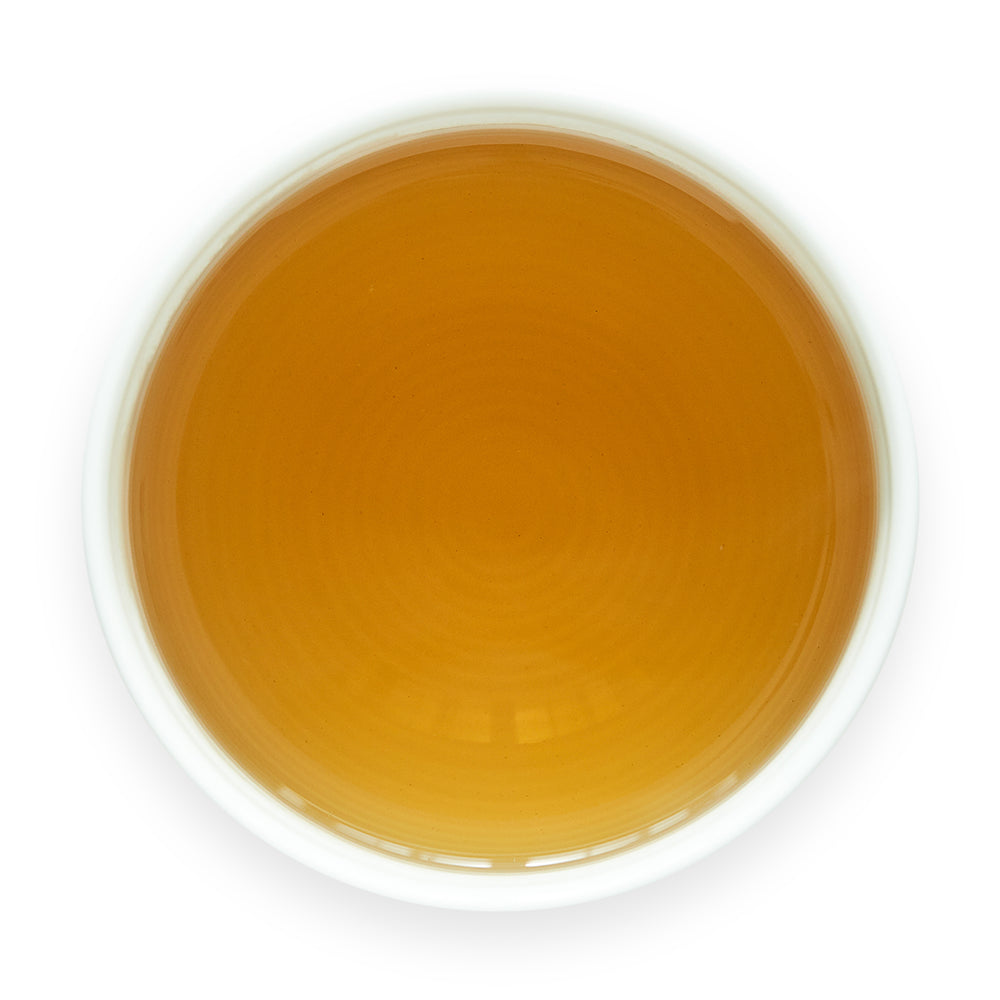
Mugicha is Japan's most popular summer beverage — a caffeine-free, roasted barley tea that is served cold in virtually every Japanese household, school, and workplace during the warmer months. Cold brewing mugicha produces a toasty, slightly sweet flavor with notes of roasted grain and a subtle nuttiness that makes it naturally appealing to adults and children alike. Because mugicha contains no caffeine, it can be enjoyed in unlimited quantities throughout the day without affecting sleep quality, making it an excellent hydration choice for the entire family.
| Ingredient | Amount | Notes |
|---|---|---|
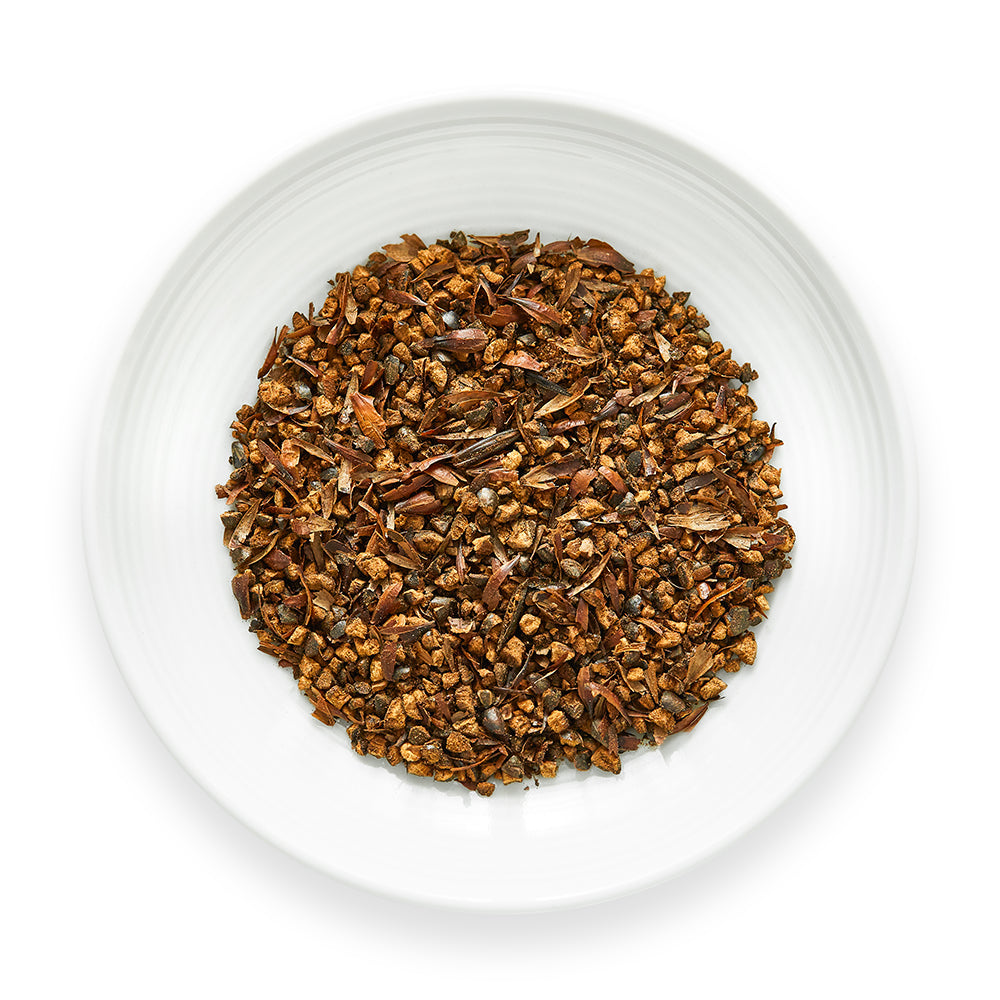
| Mugicha (roasted barley) loose leaf | 15g (about 3 tablespoons) | Senbird Tea roasted barley tea |
| Cold filtered water | 1 liter (about 4 cups) | Room temperature or cold |
| Brewing vessel | Large glass pitcher | 1-liter capacity or larger |
| Steep time | 4–8 hours | Longer steeping = deeper roasted flavor |
Add the roasted barley to your pitcher and pour cold water over it. Unlike delicate green teas, mugicha is very forgiving with steeping times — it will not become bitter even if left to steep for 12+ hours, making it the perfect "set it and forget it" cold brew. Senbird Tea recommends preparing a fresh batch every 1–2 days during summer months, as mugicha is typically consumed in large quantities as a daily hydration staple rather than a single-cup specialty drink. Store in the refrigerator and serve chilled. Mugicha pairs exceptionally well with Japanese cuisine, particularly grilled meats, rice dishes, and summer salads.

This creative cold brew variation combines the refreshing qualities of cold brew sencha with the bright, citrusy aroma of yuzu — a Japanese citrus fruit prized for its complex fragrance that blends lemon, mandarin, and grapefruit notes. Adding sparkling water transforms this from a still cold tea into an effervescent, sophisticated beverage that rivals any artisan soda or cocktail mixer. This recipe from Senbird Tea is perfect for entertaining guests or as a special weekend treat.
| Ingredient | Amount | Notes |
|---|---|---|
| Cold brew sencha concentrate | 350ml (1.5 cups) | Brew stronger: 10g tea per 500ml water |
| Sparkling water | 350ml (1.5 cups) | Chilled, unflavored |
| Yuzu juice or yuzu citrus | 2 tablespoons (30ml) | Fresh yuzu or bottled yuzu juice |
| Honey or simple syrup | 1–2 tablespoons | Optional, adjust to taste |
| Ice | As desired | Large cubes slow dilution |
| Fresh mint leaves | 4–5 leaves | Optional garnish |
Prepare a stronger-than-usual cold brew sencha concentrate by using a higher leaf-to-water ratio (10g per 500ml) and steeping for 6–8 hours. This extra strength ensures the tea flavor remains prominent after dilution with sparkling water and ice. To assemble, fill a glass with ice, pour the cold brew concentrate to the halfway point, add the yuzu juice and optional sweetener, then top with chilled sparkling water. Stir gently once to combine (vigorous stirring will flatten the carbonation). Garnish with fresh mint leaves for color and an additional aromatic layer. This recipe serves 2 glasses and can be scaled up for gatherings.

Cold brewing offers several distinct advantages that make it worth the longer preparation time. The most significant benefit is the smoother, sweeter flavor profile. Research in the Journal of Food Science and Technology confirms that cold water extracts approximately 40–70% less caffeine and significantly fewer catechins (the compounds responsible for astringency and bitterness) compared to hot water. At the same time, cold water efficiently extracts L-theanine and other amino acids that contribute sweetness and umami depth. The result is a naturally balanced, pleasant-tasting tea that requires little or no added sweetener.
Cold brewing also preserves heat-sensitive nutrients, particularly vitamin C, which can be partially destroyed during hot water extraction. For people who find hot-brewed green tea too bitter or astringent, cold brewing often solves the problem entirely — many people who think they dislike green tea discover they actually love it when cold brewed properly. Senbird Tea's premium loose-leaf Japanese teas are particularly well-suited for cold brewing because their high L-theanine content (a result of careful shade-growing and first-flush harvesting) creates exceptionally sweet, complex cold brew profiles that lower-quality teas cannot match.
Cold brew tea typically requires 4–8 hours of steeping time in the refrigerator, with the exact duration depending on the tea type and your desired flavor intensity. Sencha and other Japanese green teas produce excellent results at 4–6 hours, while roasted teas like hojicha and mugicha can steep for 8–12 hours without becoming bitter. The most practical approach is to prepare cold brew tea before bed and enjoy it the following morning — the "overnight steep" method requires essentially zero active preparation time. For faster results, a room-temperature steep (instead of refrigerator cold) can reduce brewing time to 2–3 hours while producing slightly different but equally enjoyable flavor characteristics.
You can cold brew both tea bags and loose-leaf tea, but loose-leaf tea produces significantly better results. Loose-leaf tea from Senbird Tea consists of whole or minimally processed leaves that unfurl slowly in cold water, releasing complex flavor compounds gradually over the steeping period. Tea bags typically contain fannings or dust-grade tea — small, broken leaf particles that extract quickly but produce a flatter, less nuanced flavor with more astringency. If using tea bags for cold brew, use 2–3 bags per liter of water and reduce the steeping time to 2–4 hours, as the smaller particle size extracts faster than whole leaves.
Yes, cold brew tea typically contains 40–70% less caffeine than the same tea brewed with hot water. A 2015 study in the Journal of Food Science measured caffeine extraction across different water temperatures and found that cold water (4°C / 39°F) extracted significantly less caffeine than hot water (80°C / 175°F) from the same tea leaves over equivalent steeping periods. This reduced caffeine content makes cold brew tea an excellent option for afternoon and evening consumption, for people who are sensitive to caffeine, and for children. The caffeine that is extracted during cold brewing is still accompanied by L-theanine, providing a gentle, focused energy without jitteriness.
Glass pitchers and bottles are the ideal containers for cold brewing tea because glass is non-reactive, does not absorb flavors, and allows you to visually monitor the color development of your brew. Dedicated cold brew tea bottles from Japanese manufacturers like Hario feature built-in removable filter baskets that make it easy to separate leaves from the finished tea without straining. A standard mason jar with a fine mesh strainer also works well. Avoid plastic containers when possible, as they can absorb tea flavors over time and may leach chemicals at any temperature. Stainless steel works well but does not allow visual monitoring. Whatever container you choose, ensure it has a secure lid to prevent the tea from absorbing refrigerator odors during the steeping period.
High-quality loose-leaf Japanese teas from Senbird Tea can be cold brewed twice using the same leaves, though the second brew will have a lighter flavor and lower caffeine content. After straining the first batch, return the leaves to the container with fresh cold water and steep for an additional 6–8 hours (slightly longer than the first brew to compensate for reduced extraction potential). The second cold brew often has a slightly different character — lighter and more delicate — that some tea drinkers actually prefer. A third cold brew is possible but typically produces a very faint infusion. For maximum value, use the spent leaves as compost or mix them into smoothies for added fiber and nutrients.
麦茶樹
A smoky, full-bodied barley tea with toasty, nutty notes and zero caffeine, perfect for refreshing moments shared with family and friends.