Japanese cold brew tea is a refreshing preparation method that steeps loose-leaf tea in cold or room-temperature water for an extended period, producing a smooth, naturally sweet cup with lower bitterness and reduced caffeine compared to hot-brewed tea. Senbird Tea offers a range of Japanese green teas perfectly suited to cold brewing, from delicate sencha and gyokuro to roasted hojicha and nutty genmaicha. Cold brewing brings out the best in Japanese tea by emphasizing amino acids and sweet flavor compounds while suppressing the astringent catechins that dominate hot infusions.

Nearly every variety of Japanese tea can be cold brewed, but each produces a distinctly different result. Understanding the characteristics of each type helps you choose the right tea for your preferences and the occasion.
Sencha is the most versatile cold brew option and a natural starting point for beginners. Cold-brewed Senbird Tea sencha produces a light, refreshing cup with vegetal sweetness and a clean finish. The reduced bitterness makes it an excellent all-day hydration option during summer months. Steep 5 grams of sencha in 500ml of cold water for 4-6 hours in the refrigerator.
Gyokuro delivers the richest cold brew experience due to its shade-grown L-theanine concentration. Cold-brewed gyokuro from Senbird Tea has an almost broth-like umami sweetness that surprises first-time tasters. For an even more concentrated preparation, try the kooridashi ice-brewing method. Standard cold brew: 5 grams in 300ml of cold water for 6-8 hours.
Hojicha produces a warm, toasty cold brew that tastes like liquid caramel with roasted grain undertones. Because hojicha is already roasted, its cold brew is naturally very low in caffeine, making it an ideal evening or nighttime refreshment. Steep 7 grams of Senbird Tea hojicha in 500ml cold water for 4-6 hours. In Japan, this style of cold-brewed hojicha is called mizudashi (water-brewed) — a beloved summer staple.
Genmaicha cold brews into a nutty, toasty drink with the added complexity of roasted brown rice balanced against green tea freshness. The rice component adds a natural sweetness that makes genmaicha cold brew appealing even to people who typically add sweetener. Use 5 grams in 500ml cold water for 3-5 hours.
Kukicha (twig tea) creates an exceptionally mild, slightly sweet cold brew with very low caffeine. Its gentle flavor makes it appropriate for children and for those who prefer subtle tea experiences. Steep 5 grams in 500ml cold water for 4-6 hours.

Many people confuse cold brew tea with iced tea, but the two methods produce fundamentally different beverages. Understanding these differences helps you choose the right technique for the result you want. At cold water temperatures (4–20°C), the extraction favors L-theanine, amino acids, and polysaccharides while limiting catechin and caffeine release.
| Feature | Cold Brew Tea | Hot Brew Tea | Japanese Iced Tea (Flash Chill) |
|---|---|---|---|
| Water Temperature | Cold or room temp | 160-212°F (70-100°C) | Hot brew poured over ice |
| Brew Time | 3-12 hours | 1-3 minutes | 30-60 seconds |
| Flavor Profile | Sweet, smooth, low bitterness | Full-bodied, complex, some astringency | Bright, crisp, slightly concentrated |
| Caffeine Level | 40-60% lower than hot brew | Full caffeine extraction | Full caffeine extraction |
| L-Theanine | High extraction | Moderate extraction | Moderate extraction |
| Catechins (Bitterness) | Low extraction | High extraction | Moderate extraction |
| Best Season | Summer / year-round | Year-round | Summer |
| Preparation Effort | Minimal (set and forget) | Active (monitor temp and time) | Moderate (precise hot brew + ice) |

Cold brewing Japanese tea is remarkably simple. The method requires minimal equipment and almost no active effort — you simply combine tea leaves with cold water and wait. Here is the standard approach that works with any Senbird Tea variety. For sencha, a good starting ratio is 5g of tea in 500ml of cold water, refrigerated for 4–6 hours — this produces a sweet, grassy cup with approximately 20–30 mg of caffeine.
For those who prefer a more intense, aromatic iced tea, the Japanese flash chill method offers a faster alternative. Brew Senbird Tea sencha or gyokuro at double strength using hot water (about 170°F for 45 seconds), then pour the concentrated hot tea directly over a glass full of ice. The rapid cooling locks in volatile aromatics that cold brewing loses, producing a brighter, more fragrant cup. This method takes just two minutes from start to finish.
The ideal cold brew time varies by tea type. Sencha and hojicha from Senbird Tea reach their optimal flavor in 4-6 hours, gyokuro needs 6-8 hours for full amino acid extraction, and genmaicha brews quickly in 3-5 hours. Overnight steeping (8-12 hours) works well for most varieties and fits conveniently into a daily routine — prepare your cold brew before bed and it is ready by morning. Avoid steeping beyond 12 hours as the tea can develop an overly grassy or stale flavor.
Yes, cold brew tea contains approximately 40-60% less caffeine than the same tea brewed with hot water. Caffeine requires heat to dissolve efficiently — cold water extracts caffeine much more slowly and incompletely. This makes cold brew Senbird Tea an excellent option for afternoon and evening enjoyment without the sleep-disrupting effects of a full-caffeine hot brew. Hojicha cold brew has the lowest caffeine of all, making it suitable even for those who are highly caffeine-sensitive.
Cold-brewed leaves still contain substantial flavor and can be re-steeped with hot water for a completely different tasting experience. After straining your cold brew, pour 170°F water over the spent leaves for a 60-90 second infusion. The hot water will extract catechins and other compounds that the cold water left behind, producing a more traditional-tasting cup with more body and astringency. This second infusion also extracts additional antioxidants. You can typically get 2-3 hot infusions from leaves previously used for cold brewing.
Glass is the preferred material for cold brewing because it does not absorb flavors or odors. A glass pitcher with a lid, a dedicated cold brew bottle with a built-in filter basket, or a simple mason jar all work well. Avoid plastic containers that may leach chemicals at certain temperatures and can absorb tea flavors over time. Stainless steel bottles are also a good option for on-the-go cold brewing. The key requirement is an airtight seal that prevents the tea from absorbing refrigerator odors during the long steeping period.
Cold brew tea retains most health benefits of hot brew but with a different antioxidant profile. Cold brewing extracts higher levels of L-theanine (the amino acid responsible for calm focus) and lower levels of catechins (the bitter compounds with antioxidant properties). Research published in the Journal of Food Science found that cold-brewed green teas had comparable total antioxidant activity to hot-brewed versions, though the specific types of antioxidants differed. For maximum health benefits, Senbird Tea recommends alternating between hot and cold brewing methods to capture the full range of beneficial compounds.

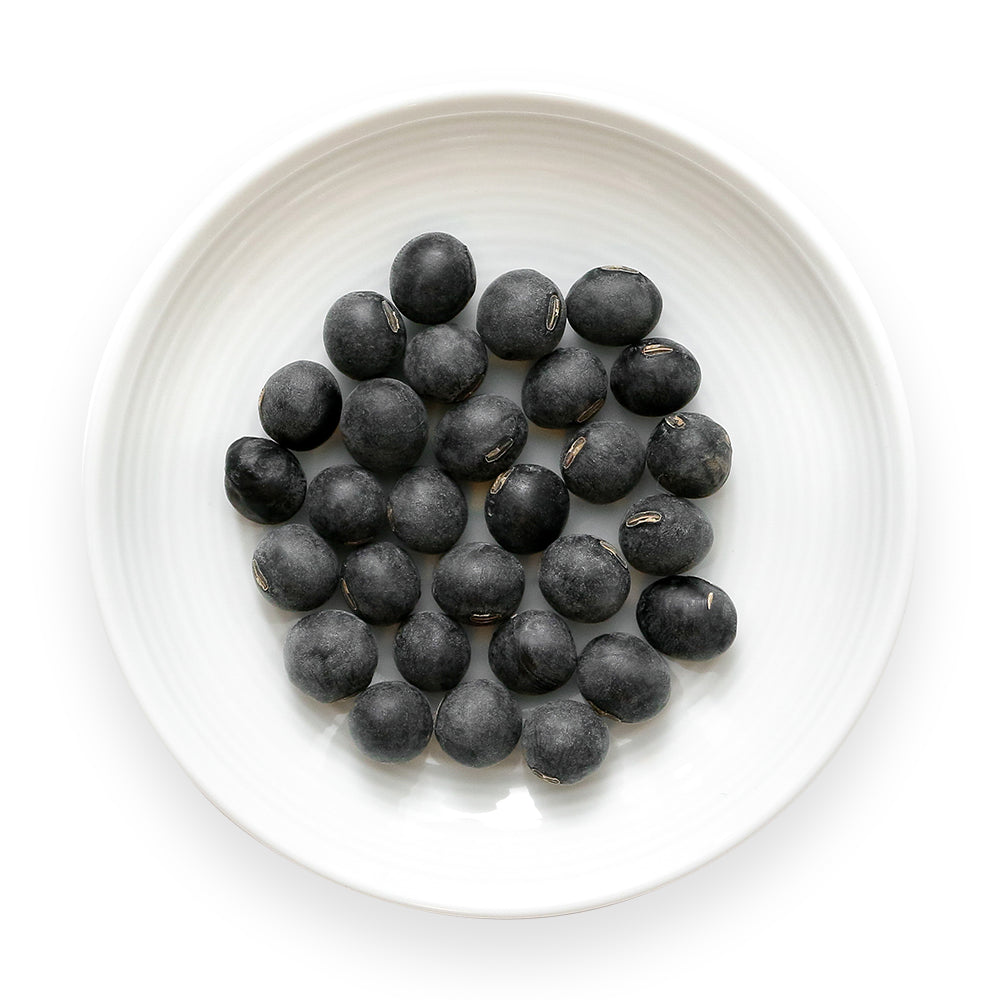
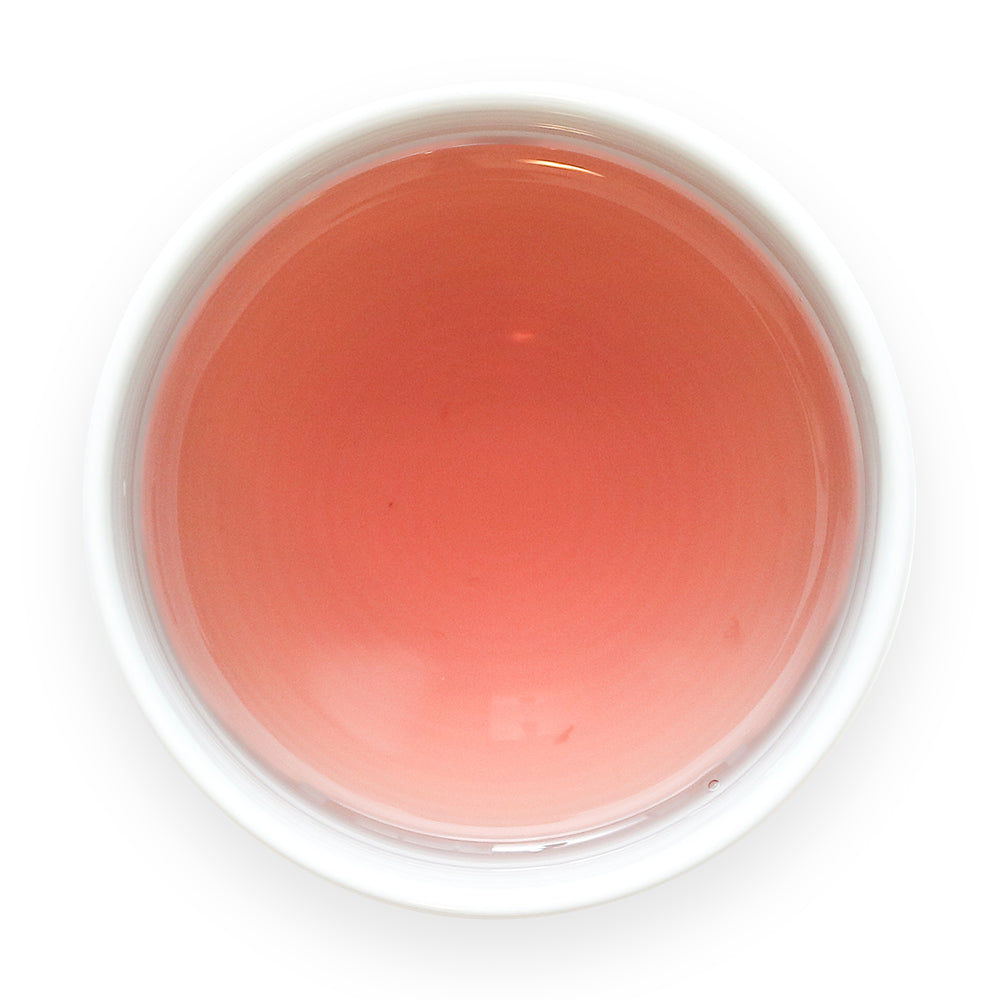
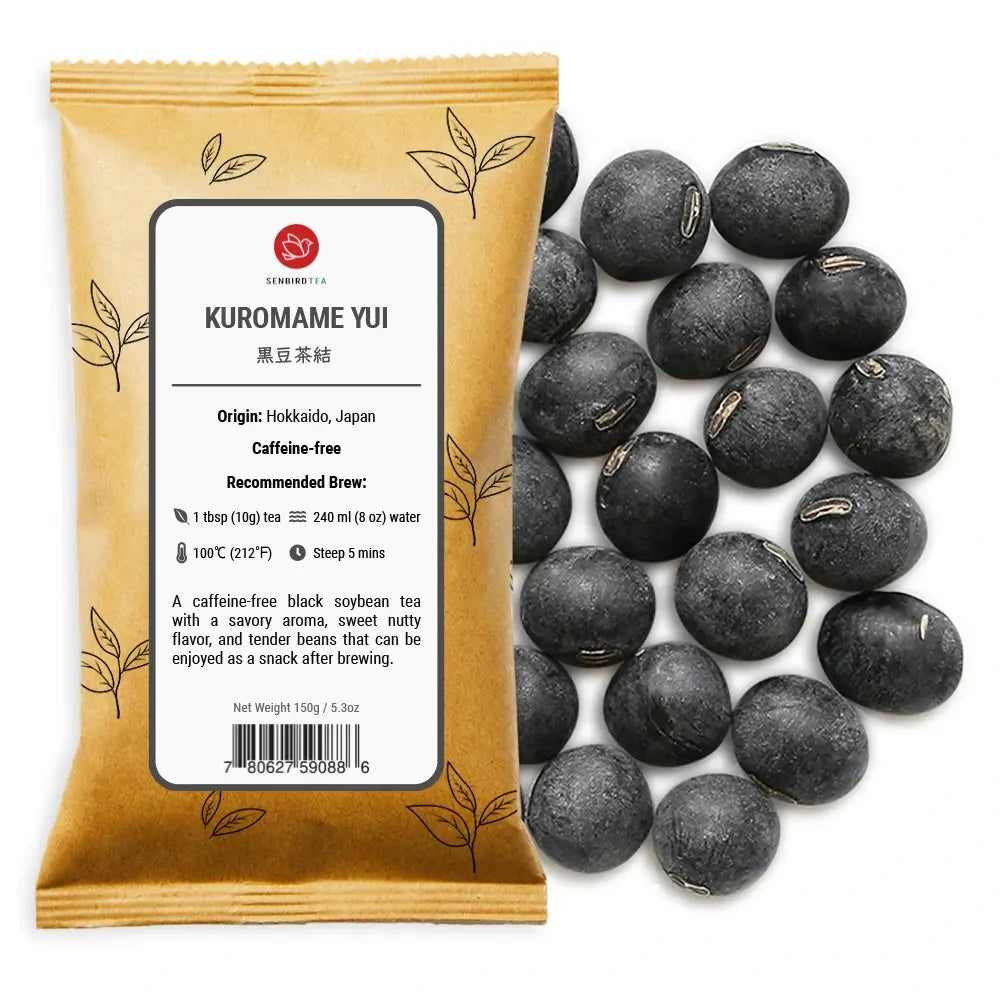
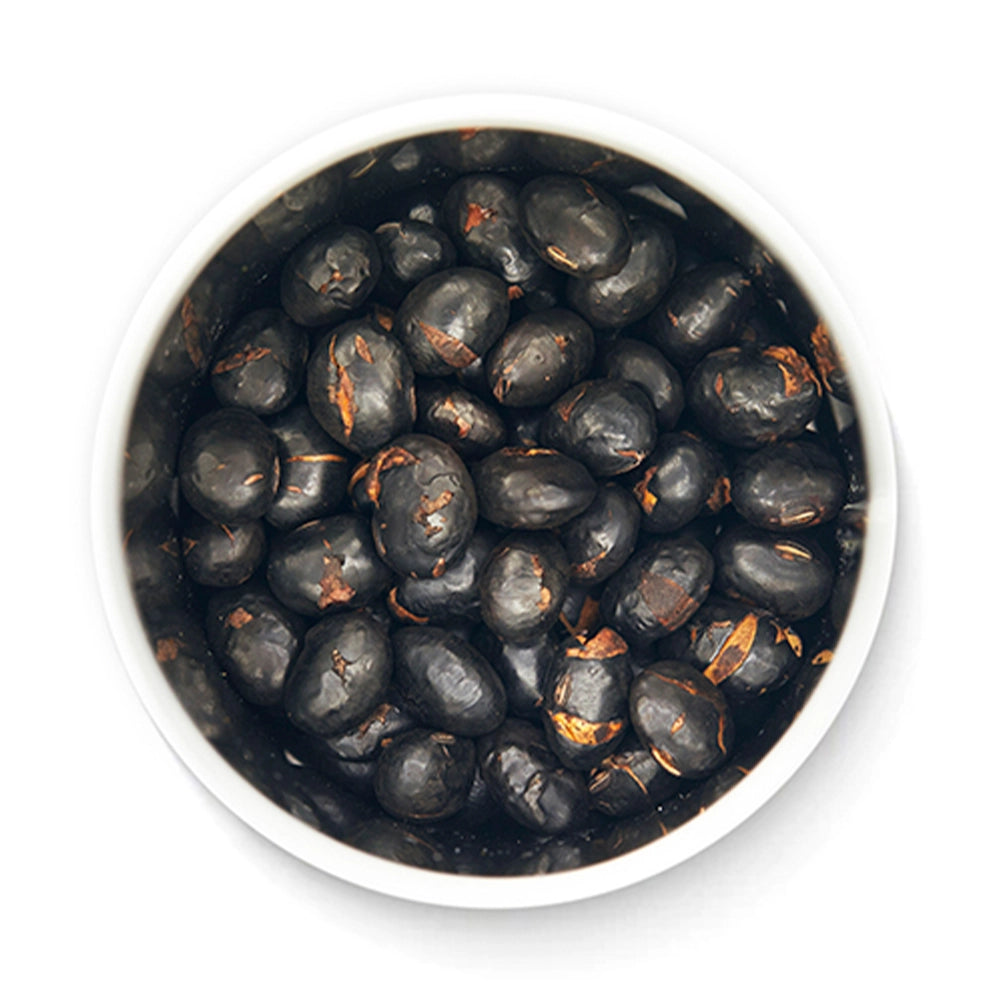
黒豆茶結
A caffeine-free black soybean tea from Hokkaido with a savory aroma, sweet nutty flavor, and tender beans that can be enjoyed as a snack after brewing.