Matcha for athletes offers sustained energy, focused pre-workout support, and antioxidant-rich recovery in one simple daily ritual. Unlike coffee's spike-and-crash cycle, matcha combines caffeine with L-theanine, catechins, and chlorophyll to support steady performance before, during, and after training. Senbird Tea's ceremonial-grade matcha gives athletes a clean, whole-food energy source backed by research.
The information provided in this article is for educational and informational purposes only and is not intended as medical advice. It should not be used as a substitute for professional medical advice, diagnosis, or treatment. Always consult your physician or other qualified healthcare provider with any questions you may have regarding a medical condition or before making any changes to your diet or wellness routine.

Athletes from runners to strength trainers are exploring matcha as a pre-workout and recovery drink because it offers more than caffeine alone. Since matcha is made from the entire tea leaf ground into a fine powder, it naturally contains catechins including EGCG (epigallocatechin gallate), L-theanine, chlorophyll, and caffeine in a single serving.
A 2018 study in the International Journal of Sport Nutrition and Exercise Metabolism found that matcha green tea drinks enhanced fat oxidation during moderate-intensity exercise. Because matcha delivers the whole leaf, it can be a more concentrated source of tea catechins than standard steeped tea. For endurance athletes, this points to a practical benefit: matcha may support the body's ability to use fat during moderate-intensity efforts while preserving carbohydrates for harder training moments.

Matcha's caffeine release differs fundamentally from coffee. The L-theanine in matcha helps create a smoother energy curve, which many athletes prefer before training because it supports alertness without the same jittery feeling often associated with high-caffeine pre-workout supplements.
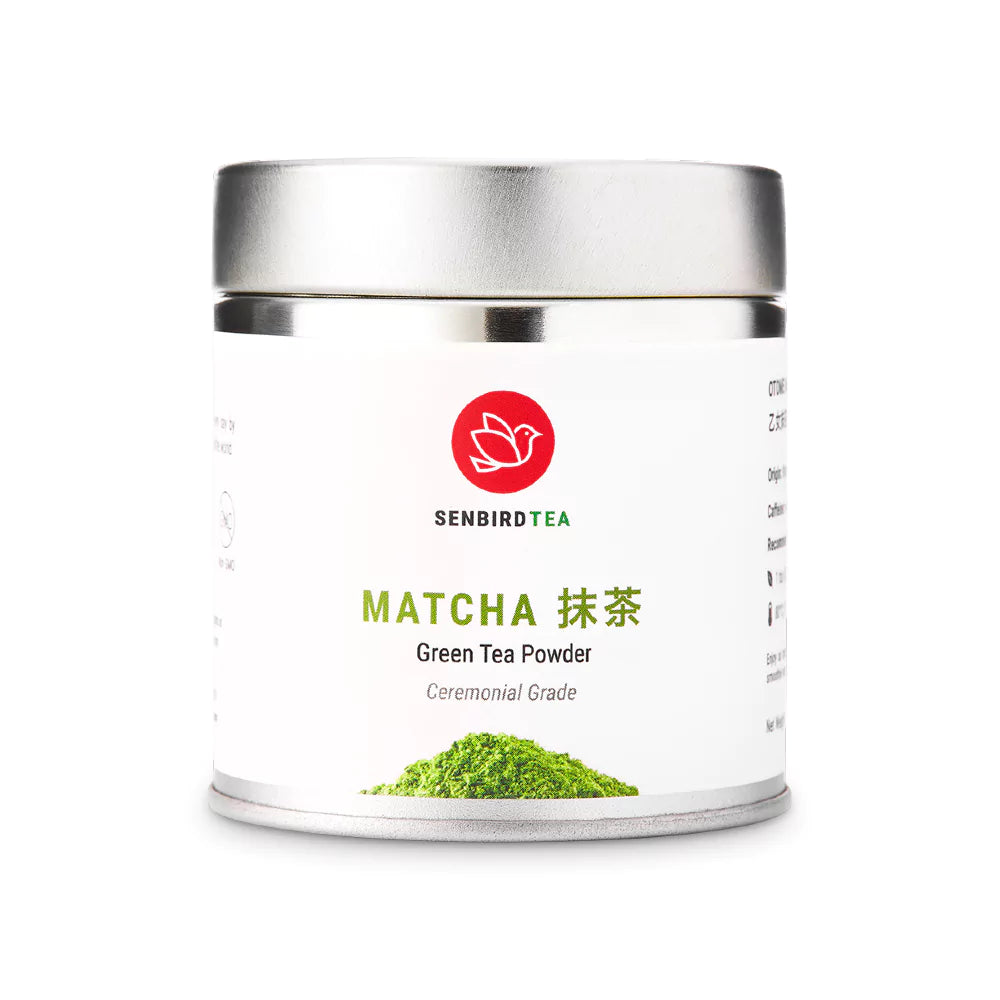
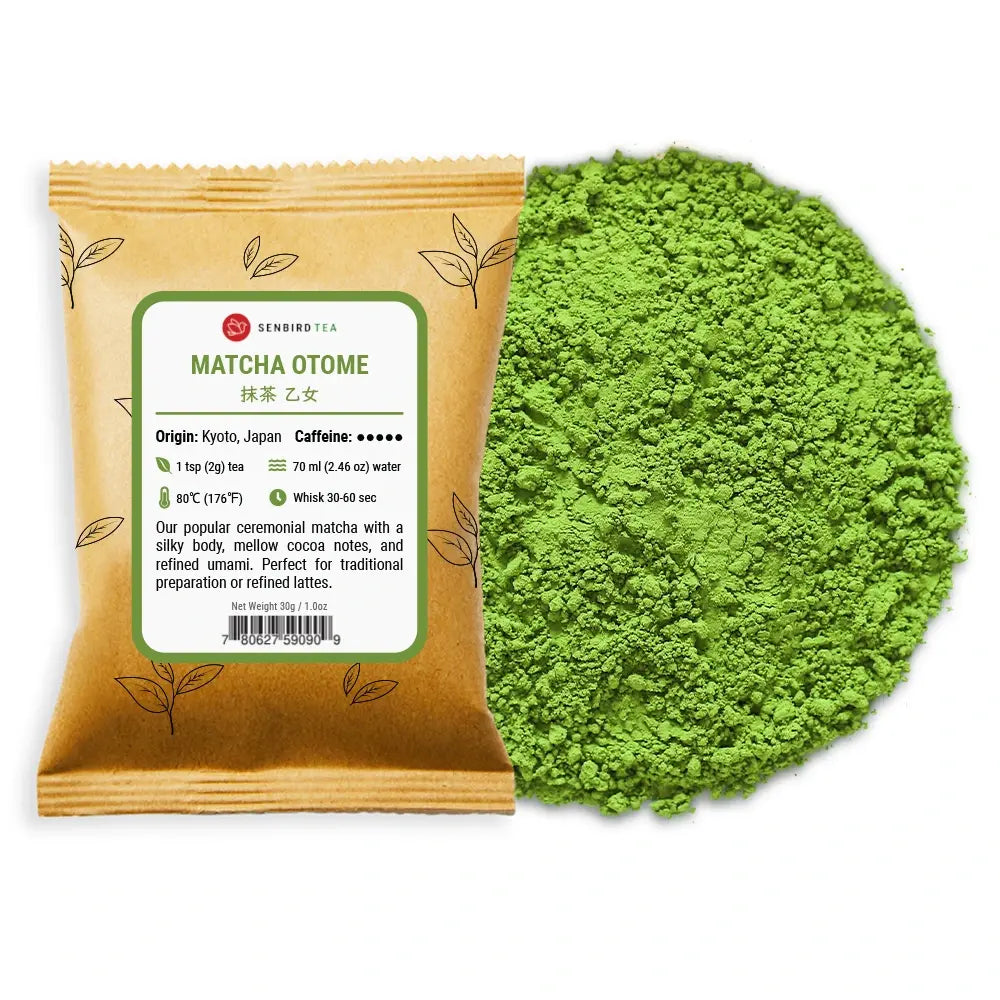
For a clean daily training option, Senbird Tea's Matcha Otome offers ceremonial-grade matcha with a smooth taste suited for traditional preparation, iced matcha, or blending into a pre-workout smoothie.
| Metric | Matcha (2g serving) | Coffee (240ml) | Pre-Workout Supplement |
|---|---|---|---|
| Caffeine | About 60–70 mg | 95–200 mg | 150–300 mg |
| L-Theanine | Naturally present | 0 mg | Only if added |
| Energy Duration | Smoother, gradual lift | Faster peak | Varies by formula |
| Crash Risk | Low | Moderate–High | High |
| Antioxidant Profile | Catechins including EGCG | Polyphenols | Varies by formula |
| Artificial Additives | None | None | Multiple |

EGCG, matcha's primary catechin, is one reason researchers study tea catechins for endurance support. Research published in The American Journal of Clinical Nutrition demonstrated that green tea catechins increased 24-hour energy expenditure and fat oxidation.
For endurance athletes — runners, cyclists, triathletes — this may support improved aerobic efficiency. That may help the body draw on fat as a fuel source during moderate-intensity efforts, while athletes still rely on carbohydrates for high-intensity moments like hill climbs or finishing sprints. Senbird Tea recommends enjoying matcha 30–60 minutes before endurance training for optimal pre-workout timing.

Post-exercise recovery is where matcha's antioxidant profile is especially relevant. Intense training generates reactive oxygen species (ROS), which are part of normal exercise stress and recovery. Matcha's naturally high catechin content makes it a thoughtful whole-food addition to an athlete's recovery routine.
The catechins in matcha may help support the body's normal recovery response after training. A 2018 Physiology & Behavior study found that green tea extract supplementation reduced some exercise-induced muscle damage markers after eccentric exercise.
Chlorophyll, which gives matcha its vibrant green color, also contributes to matcha's nutritional profile. Higher chlorophyll content is associated with shade-grown, higher-grade matcha — one reason ceremonial-grade matcha is often chosen by athletes who want a smooth, steady daily tea ritual.

For best texture and flavor, sift matcha before whisking and use warm water around 175°F rather than boiling water. A bamboo whisk, chawan, or shaker bottle can all work depending on whether you want a traditional bowl of matcha or a quick gym-friendly preparation.
For a more traditional setup, explore Senbird Tea's matcha tools, including chasen whisks, chawan bowls, and scoops designed to help create a smooth, clump-free bowl of matcha.
| Timing | Protocol | Benefit |
|---|---|---|
| Pre-Workout (30–60 min before) | 2g matcha in 60ml water, whisked | Steady energy and calm focus |
| During Long Sessions (90+ min) | 1g matcha in 200ml cold water | Gentle caffeine boost without heaviness |
| Post-Workout (within 30 min) | 2g matcha blended with protein shake | Antioxidant support alongside protein, hydration, and rest |
| Rest Days | 2g matcha as traditional tea | Daily tea ritual and calm clarity |

Many commercial pre-workouts contain artificial sweeteners, beta-alanine, and high caffeine doses that may feel too intense for everyday training. Matcha offers a simple alternative with zero artificial ingredients, no proprietary blends, and a long history of daily consumption in Japan.
For athletes subject to anti-doping regulations, matcha is a traditional food rather than a proprietary supplement blend. Competitive athletes should still follow their governing body's guidance, but plain matcha offers a transparent ingredient list: ground Japanese green tea leaves.

While endurance athletes may benefit from matcha's relationship with fat oxidation, strength athletes often value its focus benefits. The L-theanine–caffeine combination can support calm alertness, which may help athletes stay mentally present during complex movements like Olympic lifts, powerlifting, or technical strength work.
Post-strength training, matcha's catechins can complement adequate protein, hydration, and sleep as part of a recovery routine. For athletes who want one Japanese tea that fits both training days and rest days, Senbird Tea's matcha collection offers ceremonial-grade matcha options for daily wellness rituals.
Yes. Matcha provides caffeine together with L-theanine, creating a smoother energy experience than many high-caffeine pre-workouts. Many athletes enjoy it 30–60 minutes before training for focus and steady energy.
Matcha is naturally rich in catechins, including EGCG, which contribute antioxidant support. It should be viewed as one part of recovery alongside protein, hydration, rest, and a balanced diet.
For pre-workout energy, drink matcha 30–60 minutes before training. For longer sessions, a lighter cold matcha can be sipped during activity. After training, matcha can be blended into a smoothie or protein shake.
Matcha and coffee can both support energy, but matcha offers a gentler caffeine experience because it naturally contains L-theanine. Athletes who want calm focus and fewer jitters may prefer matcha before training.
Matcha is a traditional food made from ground Japanese green tea leaves and is not a banned substance. Competitive athletes should still choose transparent, high-quality sources and consult their governing body's rules when needed.
抹茶乙女
Our best-selling ceremonial Okumidori matcha with a silky body, mellow cocoa notes, and refined umami, perfect for traditional preparation or refined lattes.