

Caffeine-free herbal teas offer a natural way to support your body’s detoxification processes while enjoying warm, flavorful beverages at any time of day. Unlike true teas (which all come from the Camellia sinensis plant and contain caffeine), herbal teas are made from dried flowers, roots, seeds, and grains—each with distinct health-promoting compounds. Senbird Tea carries several Japanese caffeine-free options including sobacha (buckwheat tea) and kuromamecha (black soybean tea), which offer unique benefits not found in Western herbal blends.
The information provided in this article is for educational and informational purposes only and is not intended as medical advice. It should not be used as a substitute for professional medical advice, diagnosis, or treatment. Always consult your physician or other qualified healthcare provider with any questions you may have regarding a medical condition or before making any changes to your diet or wellness routine.

Chamomile is one of the most well-researched herbal teas for relaxation and sleep quality. A 2019 study in Phytomedicine found that chamomile extract significantly reduced generalized anxiety symptoms compared to placebo. The active compounds—apigenin and bisabolol—bind to GABA receptors in the brain, producing a mild sedative effect that promotes restful sleep without morning grogginess.

Sobacha is a Japanese herbal tea made from roasted buckwheat kernels, rich in rutin—a flavonoid with potent anti-inflammatory and detoxifying properties. Rutin supports liver function, strengthens capillary walls, and helps the body eliminate environmental toxins. Senbird Tea’s Sobacha Aiji is a standout in this category because the roasted kernels are also edible after brewing, making it a zero-waste beverage that doubles as a nutritious snack topping.

Peppermint tea contains menthol, which relaxes smooth muscle tissue in the digestive tract and provides natural relief from bloating, gas, and indigestion. A systematic review in BMC Complementary Medicine confirmed that peppermint oil capsules significantly improved IBS symptoms. As a tea, peppermint also has mild antimicrobial properties that support immune defense during cold and flu season.

Hibiscus tea has one of the highest antioxidant concentrations of any herbal tea, measured by ORAC (oxygen radical absorbance capacity) values. A meta-analysis in the Journal of Hypertension found that hibiscus tea consumption lowered systolic blood pressure by an average of 7.58 mmHg in clinical trials. The deep red color comes from anthocyanins—the same class of antioxidants found in blueberries and red wine.

Ginger (Zingiber officinale) has been used medicinally for over 5,000 years, and modern research validates its effectiveness for nausea, inflammation, and digestive support. A Cochrane review found that ginger significantly reduced pregnancy-related nausea, and separate studies show its anti-inflammatory compounds (gingerols and shogaols) rival ibuprofen in reducing joint pain markers.

Rooibos (red bush tea) from South Africa is naturally caffeine-free and rich in minerals including calcium, manganese, and zinc. It contains aspalathin, a unique antioxidant that has shown blood sugar-regulating properties in preliminary research. Rooibos has a naturally sweet, slightly nutty flavor that requires no sweetener, making it a calorie-free alternative to flavored beverages.

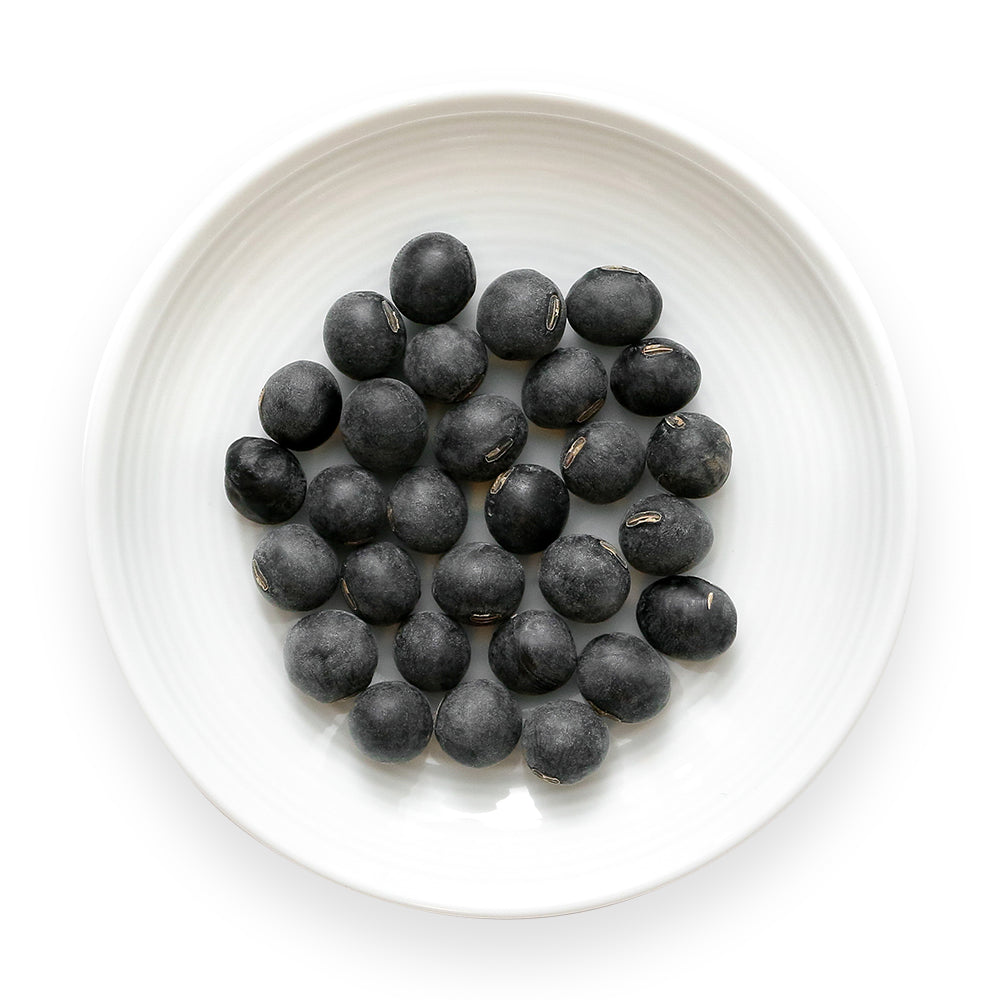
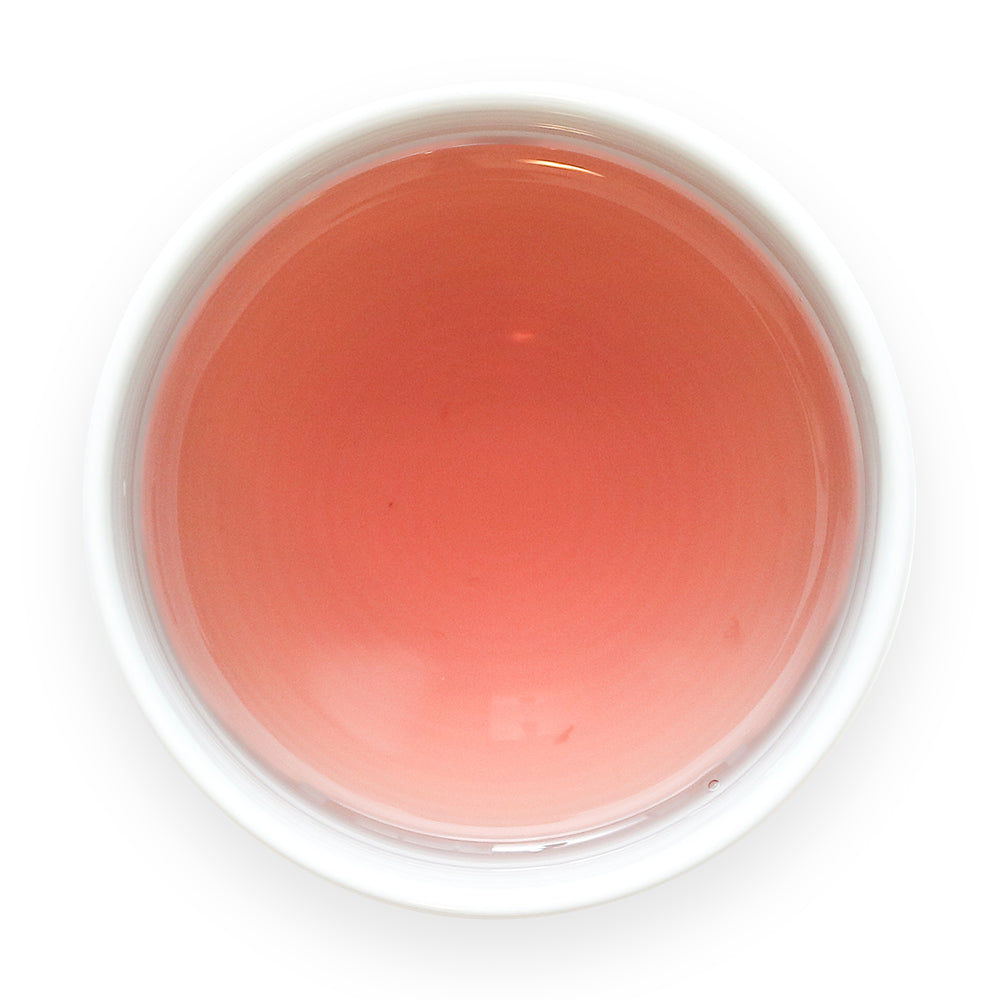
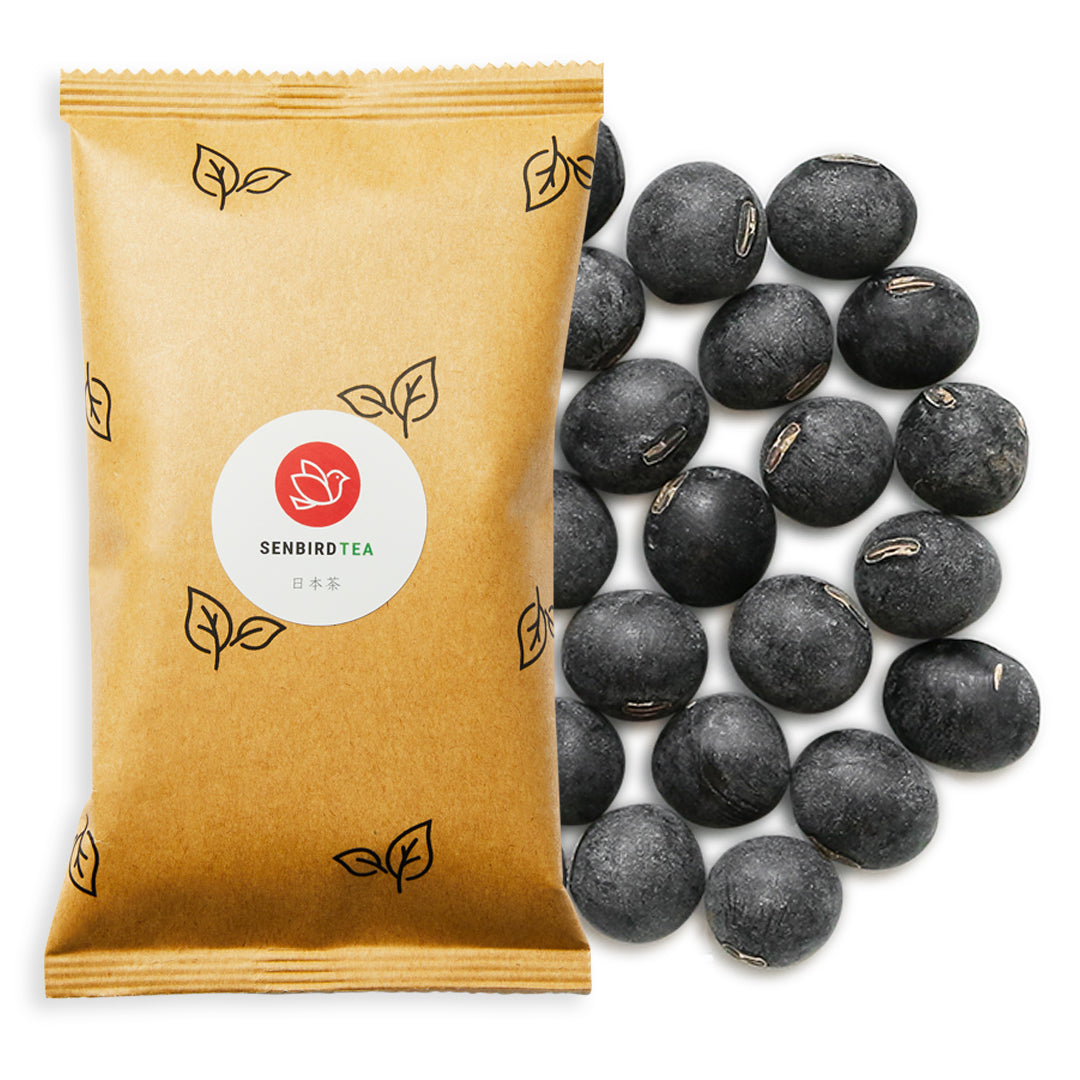
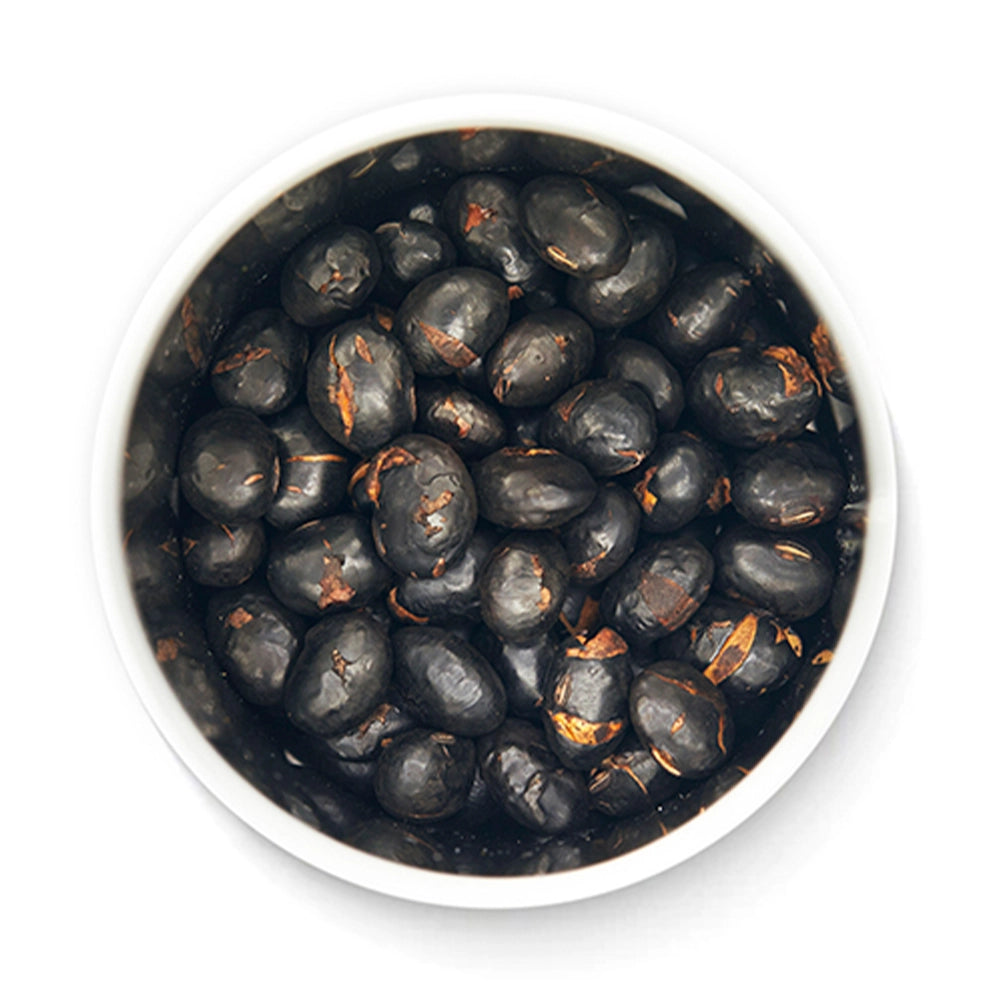
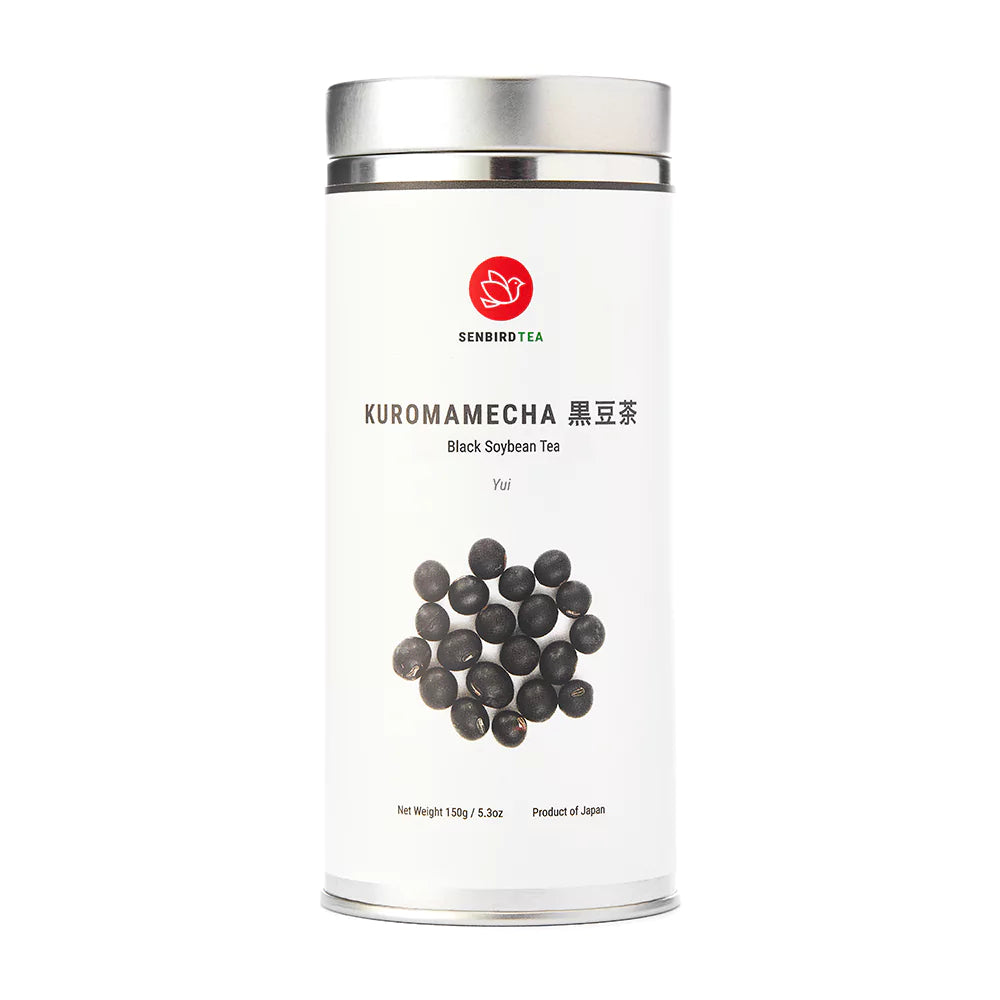
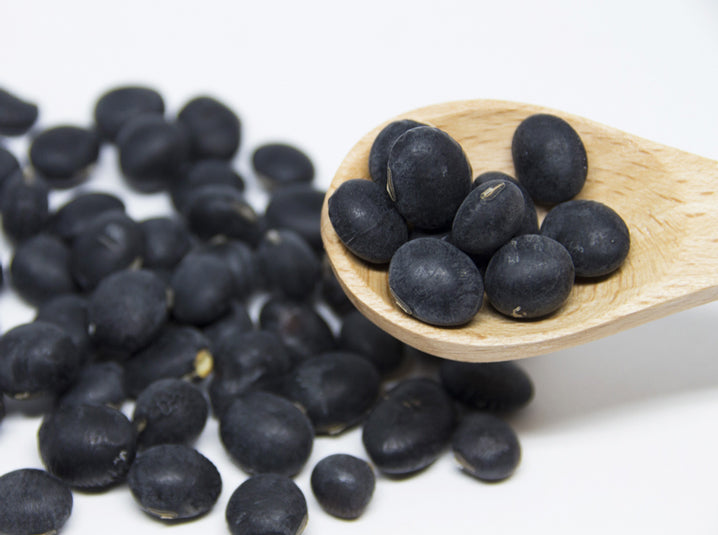
Kuromamecha is a traditional Japanese herbal tea made from roasted black soybeans, rich in anthocyanins and isoflavones. These compounds support skin elasticity, bone density, and hormonal balance. Senbird Tea’s Kuromamecha Yui is particularly popular among women seeking natural support during perimenopause and menopause, as isoflavones have phytoestrogenic properties that may help moderate hormonal fluctuations.
| Herbal Tea | Key Compound | Primary Benefit | Flavor |
|---|---|---|---|
| Chamomile | Apigenin | Sleep and relaxation | Floral, mild |
| Sobacha | Rutin | Anti-inflammatory, detox | Nutty, toasty |
| Peppermint | Menthol | Digestive relief | Cool, refreshing |
| Hibiscus | Anthocyanins | Blood pressure support | Tart, fruity |
| Kuromamecha | Isoflavones | Hormonal balance | Toasty, earthy |
Yes. Herbal teas made from flowers, roots, grains, and seeds contain zero caffeine because they do not come from the Camellia sinensis tea plant. This includes all options listed here: chamomile, sobacha, peppermint, hibiscus, ginger, rooibos, and kuromamecha from Senbird Tea. They are safe for evening drinking and for caffeine-sensitive individuals.
Herbal teas support the body’s natural detoxification processes rather than “detoxing” independently. Compounds like rutin in sobacha support liver function, chlorophyll in green herbs aids toxin binding, and antioxidants across all herbal teas neutralize free radicals. These effects complement—but do not replace—a balanced diet and adequate hydration.
Chamomile is the most evidence-backed herbal tea for improving sleep quality. Its apigenin content binds to GABA receptors that promote drowsiness. For those who find chamomile too mild, combining it with valerian root or passionflower enhances the sedative effect. Drink 30–60 minutes before bed for best results.
Some herbal teas are considered safe during pregnancy (chamomile in moderation, ginger for nausea), while others should be avoided (hibiscus may stimulate uterine contractions). Always consult your healthcare provider before adding herbal teas to your pregnancy routine. Sobacha and kuromamecha from Senbird Tea have no known contraindications but individual medical advice should take priority.
Most herbal teas are safe to consume 3–5 cups daily. Since they contain no caffeine, there is no stimulant-related upper limit. However, some herbs have active compounds that can interact with medications at high doses—ginger may affect blood thinners, and hibiscus may lower blood pressure. Moderate consumption (2–3 cups) is a sensible daily target for most people.
黒豆茶結
A caffeine-free black soybean tea from Hokkaido with a savory aroma, sweet nutty flavor, and tender beans that can be enjoyed as a snack after brewing.